
International Cuisine: Exploring Flavors from Different Cultures
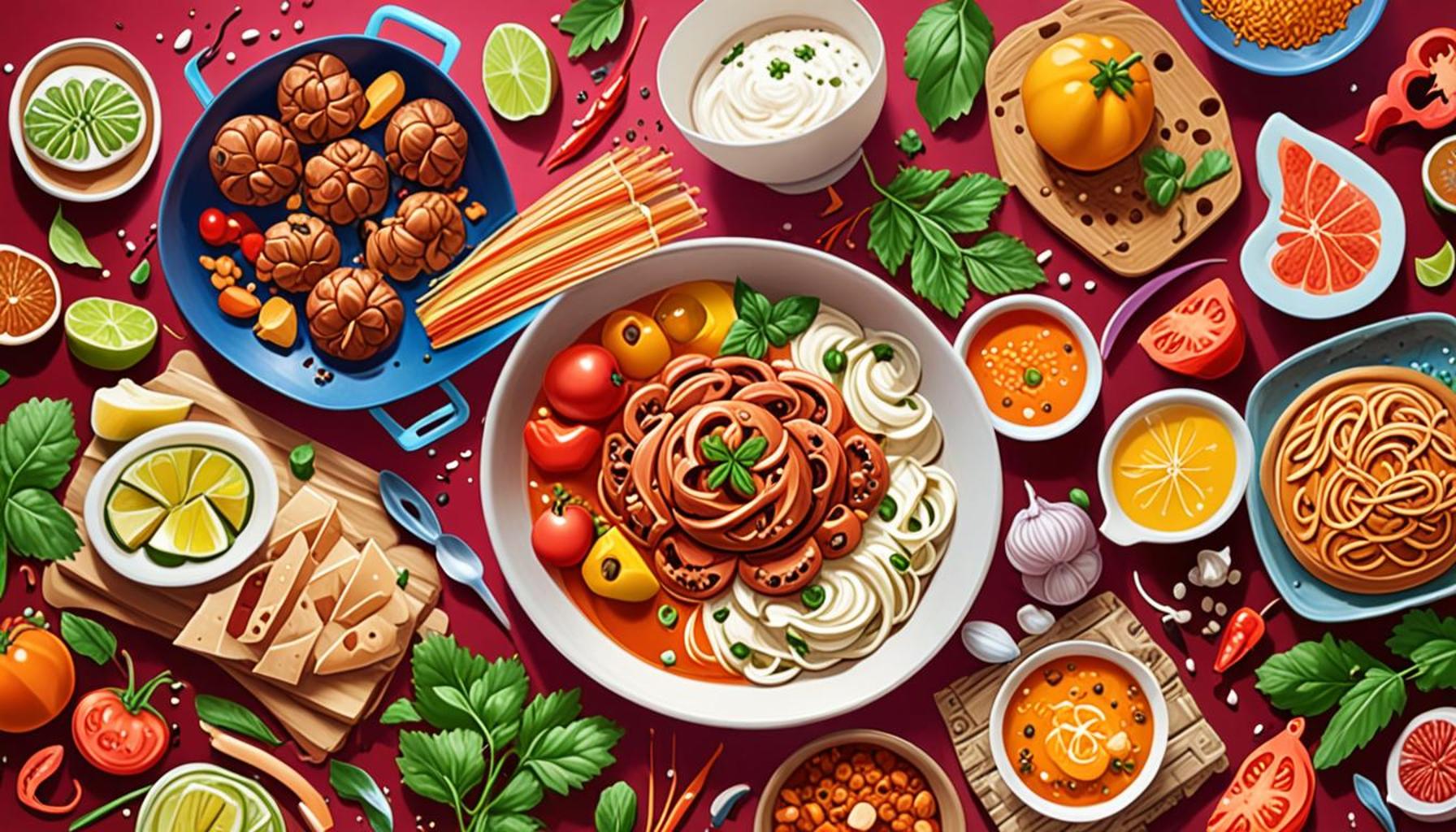
Discovering a World of Taste
Travel through your palate with international cuisine, a remarkable journey that unveils the flavors and traditions of diverse cultures. Each dish tells a story, offering glimpses into the heritage and way of life of its origin. Whether you are savoring spices from Indian curries or the bold flavors of Mexican tacos, international cuisine invites the adventurous eater to explore the world through food.
Culinary Highlights to Consider
Every region boasts unique flavors and culinary practices that reflect its history and environment. Consider exploring the following culinary highlights:
- Asia: Delve into the intricate flavors of Japan’s sushi, where freshness and technique shine through in each expertly rolled piece. Alternatively, the fiery heat of Thai curry captivates with its blend of spices and herbs, presenting a perfect balance between sweet, salty, and sour. Think of the depth found in a bowl of Tom Yum, a fragrant soup brimming with lemongrass and shrimp.
- Europe: Indulge in Italy’s rich pastas, from the creamy alfredo of fettuccine to the succulent ragu of lasagna, each dish crafted with regional ingredients that pay homage to the land. Meanwhile, the delicate pastries of France, such as flaky croissants or rich éclairs, offer indulgent desserts that exemplify the artistry of French baking. Don’t forget to pair your meal with a glass of Italian wine or a café au lait from a Parisian bistro.
- Africa: Experience the warmth of Moroccan tagines, a slow-cooked stew featuring spices like saffron and cumin, often paired with aromatic couscous. This dish not only tantalizes the taste buds but also reflects the communal aspect of Moroccan meals, typically enjoyed around a shared table.
- South America: Taste the vibrant colors and flavors of Brazilian feijoada, a hearty black bean stew made with various cuts of meat, often served with rice and collard greens. Equally refreshing is ceviche from Peru, where fresh fish is “cooked” in citrus juices, showcasing a celebration of the ocean’s bounty.
Every culture has its culinary gems waiting to be uncovered. With globalization, these diverse dishes are more accessible than ever, enriching our dining experiences in the United States. Cities across the nation, from New York to Los Angeles, brim with international markets and restaurants where you can discover authentic dishes and connect with different cultures through their food.
Engage Your Senses
Prepare to engage your senses as you embark on this flavorful adventure. Vibrant markets are a sensory overload, offering spices, fresh produce, and tantalizing aromas that beckon you to explore. Experience authentic cooking classes where skilled chefs share not just recipes but the traditions and stories that accompany each dish, creating a deeper connection to the food.
In the realm of international cuisine, there is always something new to learn, taste, and enjoy. It’s an invitation to broaden your culinary horizons and your understanding of the world. By embracing the diverse flavors and cultures reflected in these dishes, you can embark on a delightful culinary journey that is as much about discovery as it is about nourishment.
DON’T MISS OUT: Click here for amazing DIY ideas
Unpacking the Ingredients of Global Flavors
At the heart of international cuisine lies an explosion of ingredients, spices, and cooking techniques that tell stories of cultures and histories shaped over centuries. Each region brings forth its culinary treasures, frequently born from local climate, geography, and traditions. Understanding the foundational elements can enhance your appreciation of these global flavors and perhaps inspire you to recreate them in your own kitchen.
The Role of Ingredients
Ingredients are the lifeblood of any cuisine. They are more than just components of a dish; they hold profound significance to the people who cultivate and consume them. Here are some staple ingredients from various cultures that not only characterize their dishes but also reflect their history:
- Rice: A staple found across many continents, rice is integral to Asian cuisines. In Japan, it’s a symbol of life, while in India, fragrant jasmine rice is often paired with equally aromatic curries, composing an important part of the daily meal.
- Beans: In Latin America, beans are a primary source of protein and are featured in countless dishes. The rich, earthy black beans in Cuban cuisine tell tales of history and community, while colorful varieties in Mexican dishes like refried beans promise warmth and flavor.
- Tomatoes: Originating from South America, tomatoes have become a key ingredient in Mediterranean cuisine. From the smooth marinara sauce in Italian recipes to the fresh salsa found in Mexican fare, the versatility of tomatoes allows them to shine in many culinary contexts.
- Spices: The world of spices is vast and varied. The hot chilies of Indian cooking ignite the palate, offering a sense of warmth and depth, while fragrant saffron in Middle Eastern dishes imparts luxury and color, revealing the natural treasures found in that region’s landscape.
Exploring these ingredients is akin to uncovering a cultural map. Each one not only enhances flavor but also carries tales of trade routes, migration, and the merging of culinary practices that have transcended borders.
Culinary Techniques: The Art of Cooking
The methods of preparation in different cuisines provide insight into the values and lifestyles of their people. Techniques such as grilling, steaming, and slow cooking create distinct textures and flavors that differentiate one dish from another. For example, stir-frying in Chinese cuisine not only preserves the crunch of vegetables but also reflects the necessity of quick cooking in busy urban landscapes. On the contrary, the slow-cooking methods found in Southern US barbecue culture show a communal approach to cooking, inviting families and friends to gather around for hours of enjoyment.
As you explore international cuisine, consider not just the recipes but the way that food preparation methods embody the spirit of a culture. Engaging with these culinary traditions can lead you to a deeper understanding and respect for the art of cooking across the globe.
In the vibrant tapestry of international cuisine, every ingredient, cooking method, and meal is a doorway into another world. As you fill your plate, remember that each bite carries a part of that cultural narrative, inviting you to savor not just the food, but the stories behind it.
| Category | Features and Benefits |
|---|---|
| Diverse Culinary Experiences | Discover how international cuisine brings vibrant flavors and ingredients from around the globe, enriching your palate. |
| Cultural Understanding | Engaging with these dishes boosts your appreciation and knowledge of worldwide cultures, fostering globalization. |
| Health Benefits | Many international dishes emphasize fresh ingredients, providing a variety of nutrients that promote health. |
| Fusion Cuisine | Experience the excitement of fusion cooking, where culinary traditions merge to create innovative and delicious meals. |
Exploring international cuisine not only tantalizes taste buds but also serves as a bridge to cultural understanding and appreciation. The melting pot of flavors from diverse regions allows individuals to step out of their comfort zones and embrace culinary creativity. By tasting different dishes, one embarks on a journey across continents without ever leaving the dinner table. Moreover, the health benefits of these diverse dishes can be remarkable. Traditional cooking methods often focus on whole, fresh ingredients, providing meals that nourish the body while showcasing the unique character of each culture’s culinary heritage. Engaging with various cuisines can enrich your knowledge and respect for the world’s diversity, making every meal an opportunity to learn and connect. This exploration is not merely about eating; it is about engaging with stories, traditions, and values that have been passed down through generations, turning each meal into an experience loaded with history and adventure.
DIVE DEEPER: Click here to discover innovative techniques
Cultural Significance of Food and Social Practices
When delving into international cuisine, it is essential to understand that food is not merely a means of sustenance; it is a mirror reflecting social customs, values, and rituals inherent to different cultures. Food serves as a connector, bridging gaps between generations, families, and communities. As such, the way food is prepared, shared, and consumed carries rich symbolism that varies from one culture to another.
Celebration and Rituals
Food often plays a central role in cultural celebrations and rituals, marking important life events and community gatherings. In Mexican culture, the vibrant feast of Día de los Muertos (Day of the Dead) features dishes like pan de muerto (bread of the dead) and offerings of mole, a complex sauce made from chocolate, chilis, and spices. These dishes not only nourish but also honor the deceased, creating a bond between the living and those who have passed. Similarly, Thanksgiving in the United States highlights the role of traditional dishes like roasted turkey and pumpkin pie, symbolizing gratitude and the culmination of harvest.
- Festive Dishes: Across cultures, certain dishes are reserved for special holidays. For instance, in India, families prepare biryani during Eid, a celebration that unites communities through shared meals and joyous gatherings.
- Lasting Traditions: In the Italian culture, the practice of Sunday family dinners ensures that family bonds are nourished. Dishes such as lasagna and homemade pasta are more than mere food; they encapsulate generations of recipes and memories passed down, reflecting the essence of hospitality.
- Culinary Symbolism: In many cultures, specific ingredients symbolize prosperity or luck, such as noodles in Asian cuisines, which represent longevity. Dishes prepared with intention can impact social dynamics, such as forging new friendships or resolving conflicts.
The Influence of Geography and Climate
The geography and climate of a region fundamentally shape its cuisine. Take Greece, for instance, where the Mediterranean climate fosters the growth of olives, grains, and an array of colorful fruits and vegetables. Greek dishes are typically characterized by fresh ingredients drizzled with olive oil, offering not only taste but also health benefits recognized globally. On the other hand, the use of hearty grains and root vegetables in Nordic countries reflects adaptations to colder environments, as seen in traditional dishes like lutefisk and sauerbraten.
This geographic influence extends to even the method of cooking. The practices of smoking and curing common in Scandinavian cultures stem from both preservation needs in the past and the art of enhancing flavors that persist today. Exploring these culinary ties can lead to a greater understanding of how ecology and seasonality play pivotal roles in shaping local diets.
As you traverse the world of international cuisine, consider how important it is to respect and celebrate these diverse practices and traditions. The next time you savor a dish from another culture, think of the historical journeys that led to this marriage of flavors and how it contributes to a shared global heritage. Each bite you take not only tantalizes your taste buds but also opens a window into the uniquely woven narratives held within every dish.
DON’T MISS: Click here to learn essential techniques
Conclusion: A Culinary Journey Through Cultures
In conclusion, international cuisine is a vibrant tapestry woven from the threads of diverse cultures, histories, and traditions. As we explore flavors from around the globe, we uncover not just the ingredients and techniques but also the stories and significance that each dish holds. From the rich symbolism of festive meals that honor heritage to the practical adaptations influenced by geography and climate, food serves as a powerful reflection of the human experience.
By engaging with global culinary traditions, we are invited to appreciate the beautiful interplay of taste and culture, highlighting the role that food plays in building connections and fostering understanding. The next time you sit down to enjoy an international dish, reflect on the shared narratives that transcend borders and time, enriching not only our palates but also our perspectives.
With each bite, you participate in a journey that celebrates the diversity of human expression. This exploration is not simply about enjoying different cuisines; it is about embracing and respecting the philosophies and customs that elevate food into an art form. As we continue this culinary adventure, let us remain curious and open to discovering new flavors and stories, fostering a deeper appreciation for the mosaic of cultures that make our world deliciously diverse.