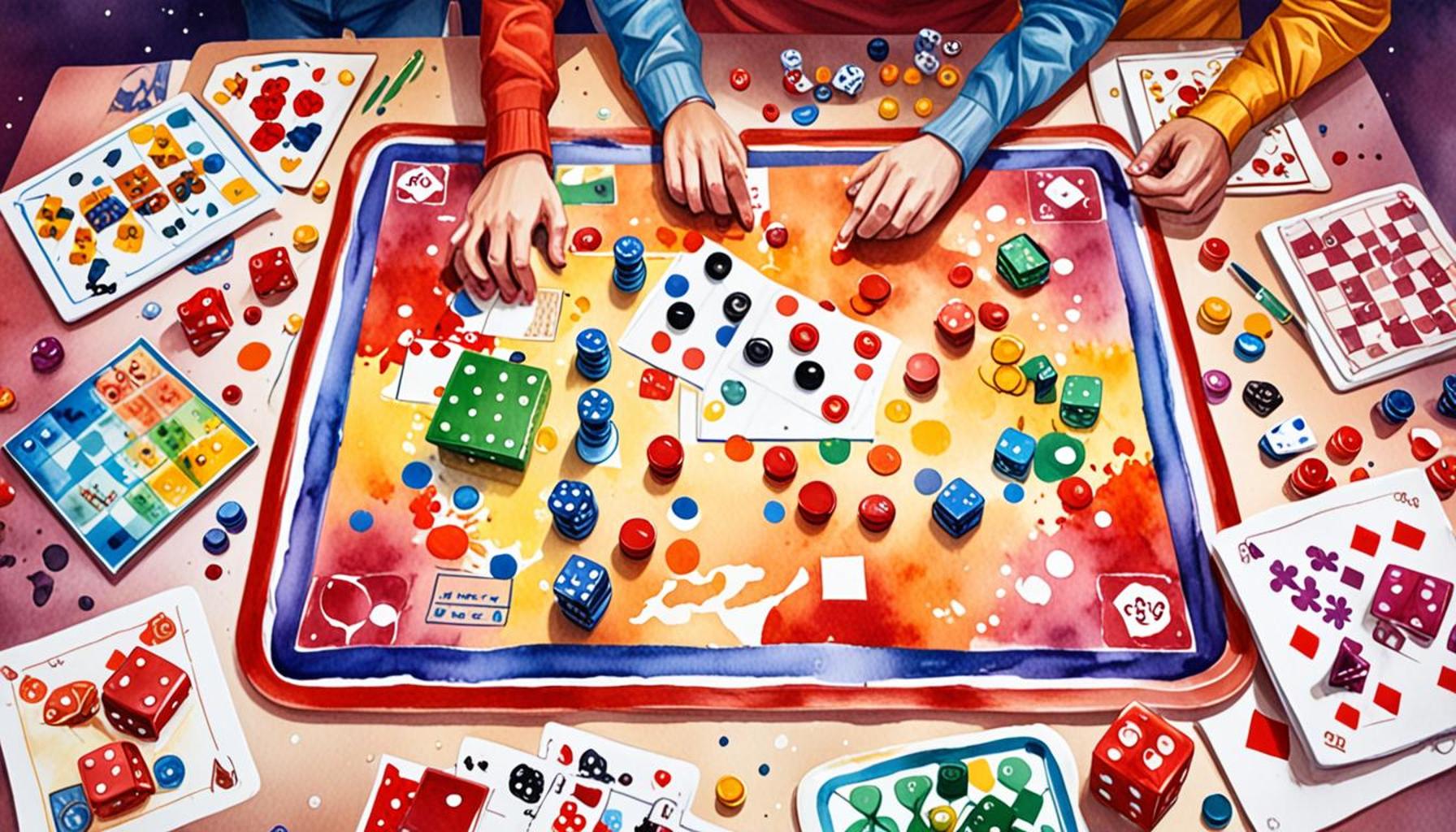
Mental Games as a Tool to Stimulate Creativity in Children
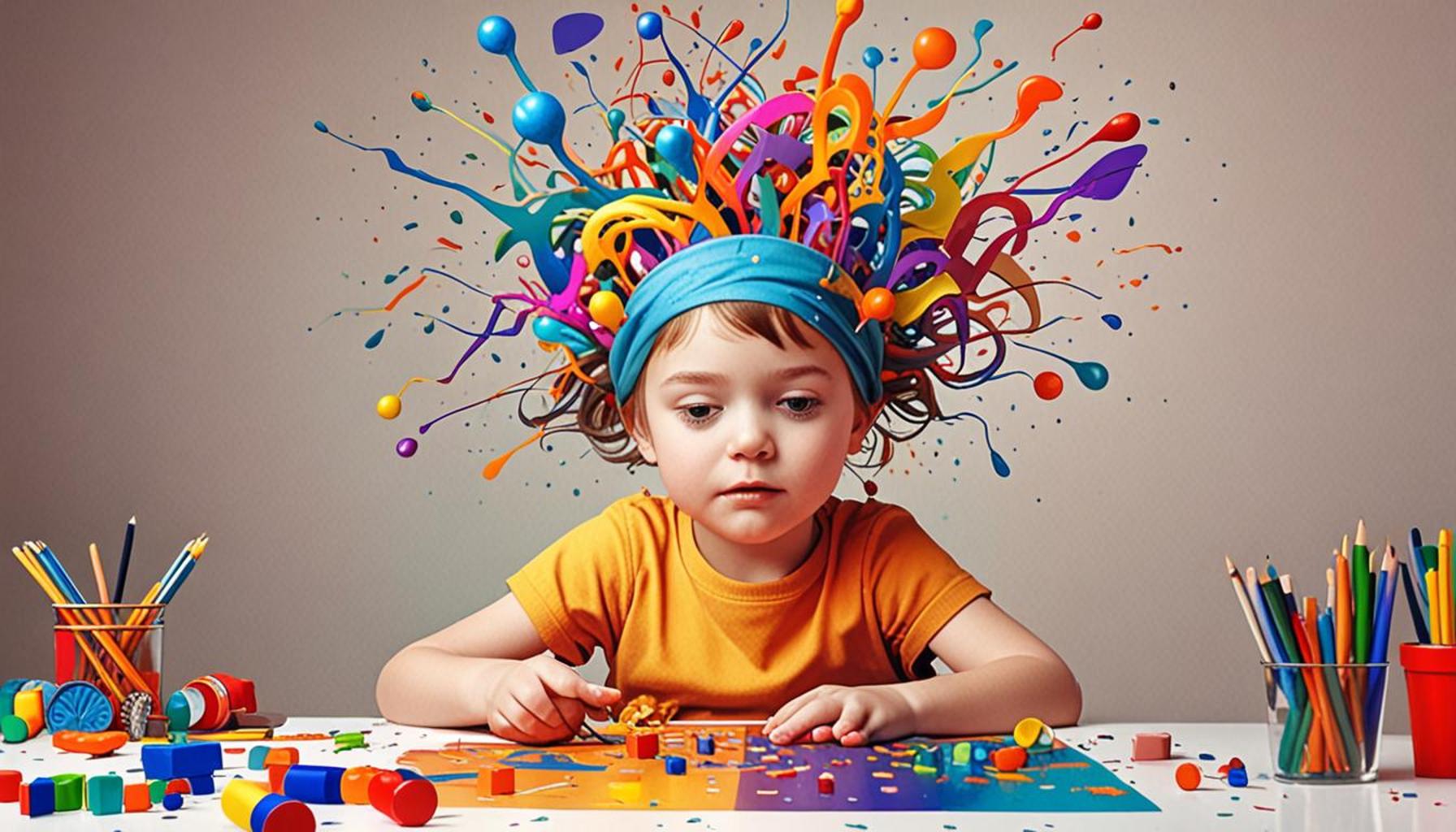
The Role of Mental Games in Child Development
Mental games are not mere pastimes; they serve as powerful tools for enhancing creativity and cognitive skills in children. Unlike physical games that focus on athleticism and coordination, mental games challenge young minds to think critically, solve complex problems, and think outside the box. Numerous studies have indicated that kids engaged in these activities show remarkable improvements in their problem-solving skills and display a heightened capacity for innovation. For example, a study by the American Psychological Association found that children who frequently engage in board games or strategy games develop stronger logical reasoning abilities over time.
The benefits of incorporating mental games into daily routines are substantial and varied. Consider the following key advantages:
- Enhances cognitive flexibility: Mental games encourage children to shift their thinking and adjust strategies as new challenges arise. For example, games like chess require players to anticipate their opponent’s moves and modify their own strategies accordingly, fostering adaptability in thought processes.
- Encourages self-expression: Creative games like storytelling or art-based activities provide children with a platform to explore their ideas, feelings, and experiences freely. For instance, a game that prompts children to create their own narratives can help them articulate emotions and develop a more nuanced understanding of their own and others’ perspectives.
- Fosters teamwork: Many mental games require collaboration among players, which teaches children important skills in communication and teamwork. Games like “Escape Room” puzzles, where players must work together to solve clues, illustrate how collective effort leads to success and strengthens interpersonal relationships.
In the United States, a notable trend is emerging where educators and parents are increasingly aware of the significance of these activities in child development. Schools are integrating brain teasers, puzzles, and strategy-based games into their curricula, recognizing that these activities not only entertain but also play a crucial role in intellectual growth. For instance, educational institutions might implement math-based games or logical puzzles into math lessons to make learning more engaging and effective.
This growing emphasis on mental games is not merely about fun; it reflects a strategic movement aimed at cultivating future innovators and thinkers. As we further explore the world of mental games, we will examine various types, their impact on creativity, and effective methods to integrate them at home or in educational settings. A deeper understanding of this connection can indeed be a game changer in nurturing creativity in every child.
DISCOVER MORE: Click here to dive deeper

Exploring the Types of Mental Games
The realm of mental games is vast, encompassing a plethora of activities, each designed to challenge the intellect and stimulate creativity in unique ways. These games can be classified into several categories, each offering distinct benefits and opportunities for young minds to flourish. Understanding these categories can help parents and educators choose the right activities that cater to different skill sets and interests.
- Puzzles and Riddles: One of the most classic forms of mental games, puzzles and riddles require children to identify patterns, solve problems, and think logically. Engaging with these activities not only sharpens cognitive skills but also fosters perseverance and determination as children work through challenges. For example, jigsaw puzzles encourage spatial reasoning, while riddles enhance lateral thinking.
- Strategy Games: Games such as chess, checkers, and various card games demand strategic planning and foresight. These games challenge children to develop tactical approaches and consider multiple outcomes based on their choices. The depth of these games cultivates patience and foresight, essential traits for creative thinkers. Studies suggest that children who regularly play strategy games develop advanced problem-solving capabilities, which are applicable in both academic and real-life scenarios.
- Role-Playing Games: Imaginative role-playing activities, whether structured like tabletop games or free-form scenarios, allow children to explore different perspectives and narratives. This genre encourages creativity through storytelling and character development, enabling kids to stretch their imagination beyond conventional boundaries. Furthermore, role-playing cultivates empathy as children step into the shoes of diverse characters.
- Creative Art Projects: While often considered separate from traditional games, creative art projects such as drawing, painting, and crafting can also be structured into game-like activities. These projects inspire self-expression and individuality, prompting children to explore their thoughts and feelings through visual mediums. Games encouraging artistic expression can enhance fine motor skills while nurturing creative intuition.
- Brain Teasers: Engaging with brain teasers—short puzzles or problems that require thoughtful consideration—can effectively sharpen children’s cognitive abilities. These challenges stimulate critical thinking and encourage kids to approach problems from varying angles. Popular brain teasers often incorporate mathematical or logical reasoning, laying a strong foundation for academic achievement in STEM fields.
As schools and parents begin to recognize the importance of these different types of mental games, the landscape of learning and development is evolving. Educational initiatives are increasingly incorporating mental games into formal curricula, aligning with findings from developmental psychology that highlight the positive correlation between play and cognitive growth. For instance, educators may use math games to enhance numeracy skills while ensuring that learning remains enjoyable and engaging.
Ultimately, the integration of mental games into daily activities not only offers immediate entertainment value but sets the stage for a lifetime of creativity and critical thinking. In an age where innovation is paramount, fostering these skills from a young age is essential for preparing children to face an unpredictable future. In the next sections, we will delve deeper into the impact of mental games on creativity and offer practical suggestions for implementing these strategies effectively at home or in educational settings.
| Category | Details |
|---|---|
| Cognitive Development | Mental games offer challenging puzzles that enhance logical reasoning and critical thinking. |
| Creative Expression | Playing imaginative games nurtures originality and encourages children to formulate unique ideas. |
| Social Skills | Group games foster teamwork, communication, and empathy as children work towards common goals. |
| Emotional Resilience | Facing challenges and competition in games helps build patience and coping strategies in children. |
Incorporating mental games in children’s daily activities creates an engaging environment that fuels their imagination and creative capabilities. Research shows that children who frequently partake in stimulating mental challenges tend to exhibit enhanced problem-solving skills and adaptability. The role of play in harnessing creativity is pivotal; imaginative games can become not only a source of entertainment but also a foundation for learning complex concepts in a fun and stimulating manner. Discovering different types of mental games—from strategy-based board games to interactive storytelling—can prove invaluable. These can serve as bridges to open discussions, allowing young minds to explore various perspectives and even clarify their emotions. Engaging in such games consistently transforms children’s cognitive, social, and emotional landscapes, preparing them for future challenges in an engaging way.
DISCOVER MORE: Click here to learn how memory games can enhance your daily information retention
The Benefits of Mental Games on Creativity
The benefits of engaging children in mental games go far beyond mere entertainment; these activities serve as crucial building blocks in the development of creativity. Research indicates that children who regularly participate in mental games demonstrate enhanced cognitive flexibility, which is the ability to adapt thinking when faced with new and unexpected challenges. This cognitive flexibility is synonymous with creativity itself, as it allows children to generate original ideas and solutions.
A notable study published in the journal Child Development revealed that children who engaged in various mental games exhibited significantly higher scores in creativity assessments than their peers who did not participate. The essence of mental games lies in their ability to cultivate an environment where divergent thinking—the process of generating multiple ideas for a single problem—can flourish. This ability not only serves children well in artistic endeavors but also in academic fields and everyday problem-solving.
Furthermore, mental games encourage collaboration and social interaction among children. Activities such as team strategy games or collaborative puzzles require kids to communicate effectively, share ideas, and develop group strategies, ultimately enhancing their ability to think critically and creatively in a social context. Through these experiences, children learn the value of teamwork, which is increasingly essential in today’s interconnected world.
- Enhanced Imaginative Skills: Regular engagement in activities that require imagination, like storytelling games or art projects, leads to the development of sophisticated imaginative skills. Children often find innovative ways to express their feelings, thoughts, and narratives, fostering a creative mindset that can be applied later in life.
- Increased Self-Efficacy: Success in mental games boosts self-esteem. As children overcome challenges or solve problems, they gain a sense of accomplishment. This feeling of self-efficacy encourages them to take on new challenges, further fueling their creativity and innovative thinking.
- Exploration of Abstract Concepts: Many mental games introduce abstract concepts such as risk assessment, strategy, and resource management. Understanding and manipulating these concepts during play encourages children to think outside the box and approach challenges with a curious mindset, sparking original thought processes.
The impact of technology on mental game development cannot be understated. With the rise of educational apps and online platforms, children have unprecedented access to mental games designed to stimulate creativity. Interactive applications that combine game mechanics with learning outcomes can make skill-building both engaging and effective. For instance, platforms like Prodigy Math gamify mathematics through creative storylines, allowing children to solve problems while immersed in imaginative worlds.
Moreover, parents and educators can create tailored mental game experiences that align with individual interests or areas for growth. For example, children with a passion for science can be introduced to science-based puzzles or design experiments that challenge them to think creatively about problem-solving in a scientific context. The more personalized and diversified the mental games, the more children can engage their creative skills in meaningful ways.
Encouraging children to develop a habit of using mental games as a learning tool ultimately cultivates a culture of creativity. As these young minds experiment with ideas, confront challenges, and interact with one another, they become not only adept problem solvers but also innovative thinkers ready to tackle the complexities of the world around them. Their daily experiences of play, guided by mental games, prepare them for a future where creativity and adaptability are paramount.
DIVE DEEPER: Click here to uncover the truth
Conclusion
In conclusion, the integration of mental games into children’s daily activities stands as a transformative strategy to enhance their creativity and cognitive development. These engaging, interactive experiences not only sharpen critical thinking skills but also foster collaboration and social interaction among peers. As children participate in various mental challenges, they develop a strong sense of self-efficacy that encourages them to tackle new challenges with confidence.
This dynamic approach to learning encourages divergent thinking, where the ability to generate multiple solutions to a single problem becomes second nature. Moreover, the use of educational technology and applications allows for a personalized and diversified engagement with mental games, catering to unique interests and learning styles. With platforms like Prodigy Math leading the way, children can immerse themselves in creative worlds while developing essential skills.
As we look to the future, it is clear that nurturing creativity in children through mental games will equip them with the tools needed to navigate an increasingly complex world. By embracing these innovative methods, parents and educators can cultivate a rich environment that values creativity and adaptability, essential traits for success in any field. The call to action is clear: investing in mental games as a foundational component of childhood development is not just beneficial but imperative for shaping the imaginative minds of tomorrow.