Molecular Cuisine: The Science Behind Innovative Flavors
The Intersection of Science and Culinary Artistry
Molecular cuisine has taken the culinary world by storm, blending science and art to create transformative dining experiences. This innovative approach uses scientific techniques to manipulate food on a molecular level, leading to unique textures and flavors that elevate gastronomy to a new dimension. By pushing the boundaries of traditional cooking, chefs invite diners on a thrilling adventure that redefines the very nature of food.
What is Molecular Cuisine?
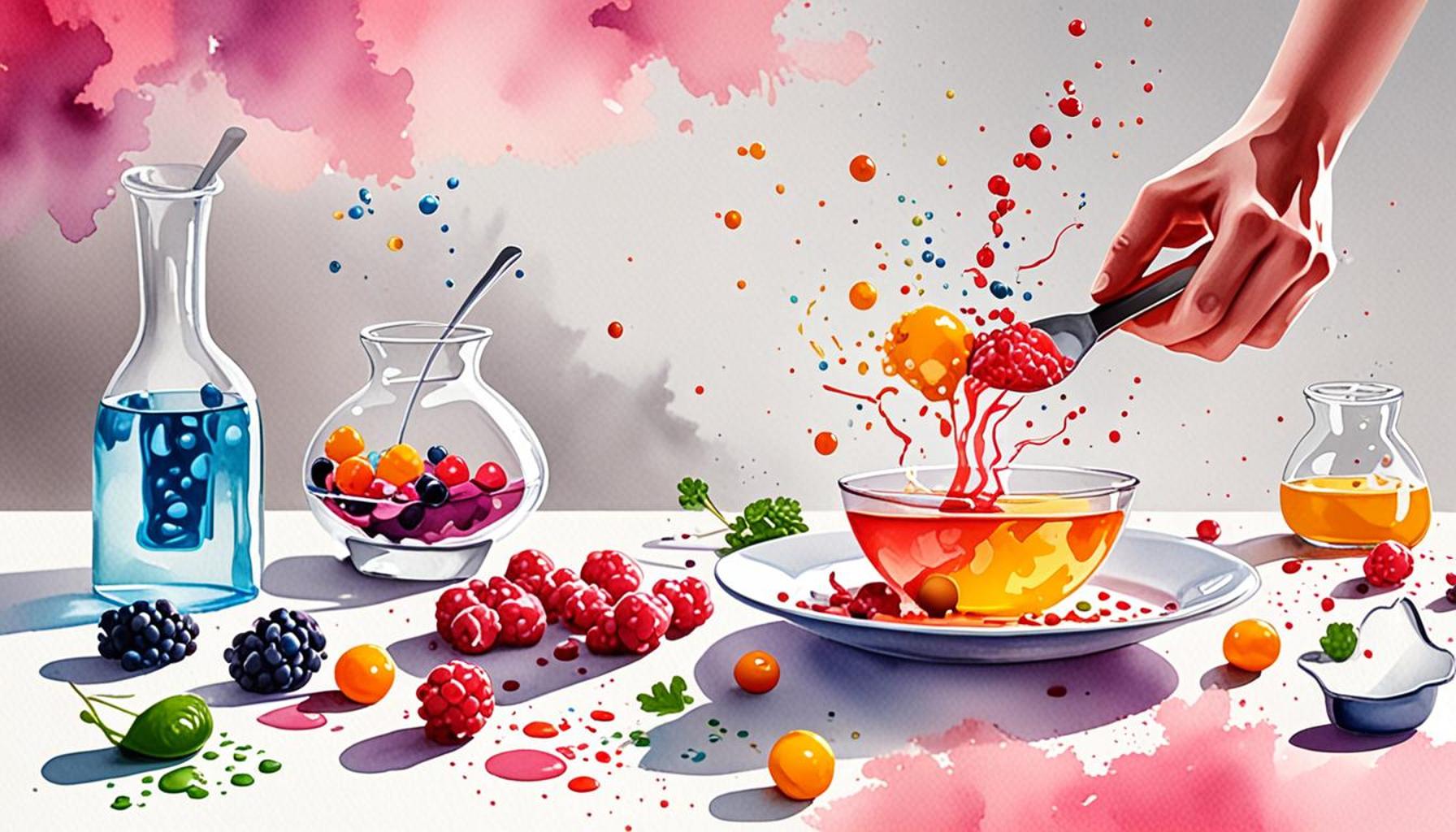
- Technique-Driven: At the heart of molecular cuisine is a keen focus on the chemistry of ingredients. Chefs experiment with methods such as spherification, where liquids are transformed into caviar-like spheres. This technique can create surprising flavor bursts in dishes, offering an unexpected culinary experience.
- Flavor Pairing: Molecular cuisine emphasizes unexpected combinations, driven by scientific understanding of flavor compounds. Imagine pairing chocolate with blue cheese or using a savory herb, like basil, in a dessert — these combinations challenge diners’ assumptions about taste and offer a refreshing palate experience.
- Textural Innovation: The use of foams, gels, and spheres creates dishes that surprise and intrigue. For instance, chefs may create a light basil foam to complement a grilled seafood dish, adding both flavor and an ethereal texture that enhances the overall dining experience.
Visionary chefs like Ferran Adrià and Heston Blumenthal have popularized this cuisine, captivating food enthusiasts with dishes that are not only delicious but look and taste otherworldly. By employing high-tech tools such as siphons, sous-vide machines, and freeze-dryers, these culinary innovators are reshaping expectations that diners have of a meal, turning food into a multisensory event.
Key Components of Molecular Cuisine
- Flavor Enhancement: One of the primary goals of molecular cuisine is to unleash the true potential of ingredients. This is often achieved through techniques that intensify flavors or modify textures without masking the innate qualities of the food.
- Aesthetic Appeal: Molecular cuisine does not just focus on taste; it creates visually stunning plates that engage all of the senses. Dishes are often plated with a focus on color, shape, and presentation, making each meal a centerpiece of art.
- Scientific Precision: Achieving consistency is vital in molecular gastronomy. Chefs rely on precise measurements of temperature and chemical reactions to guarantee that each dish maintains its intended flavor and presentation, an aspect that requires rigorous practice and knowledge.
As we delve deeper into molecular cuisine, we uncover not just groundbreaking techniques but also the science that inspires them. The melding of gastronomy with scientific inquiry reveals a world where culinary creativity knows no bounds, inviting the curious to explore these delicious, and oftentimes theatrical, dining experiences. For those willing to embrace this evolution in culinary artistry, each meal becomes a chance to savor the unexpected and celebrate innovation in food.
DIVE DEEPER: Click here to learn more
Exploring the Techniques that Define Molecular Cuisine
Molecular cuisine is not merely an avant-garde approach to cooking; it is a harmonious fusion of culinary passion and scientific innovation designed to enhance flavors and revolutionize dining experiences. By utilizing methods grounded in chemistry and physics, chefs transform ingredients in ways that challenge our perceptions and provoke our senses. This makes molecular cuisine an exciting realm for both food lovers and the scientifically curious. As we examine the key techniques behind this movement, one gains insight into how flavors can be cleverly manipulated to create extraordinary dishes.
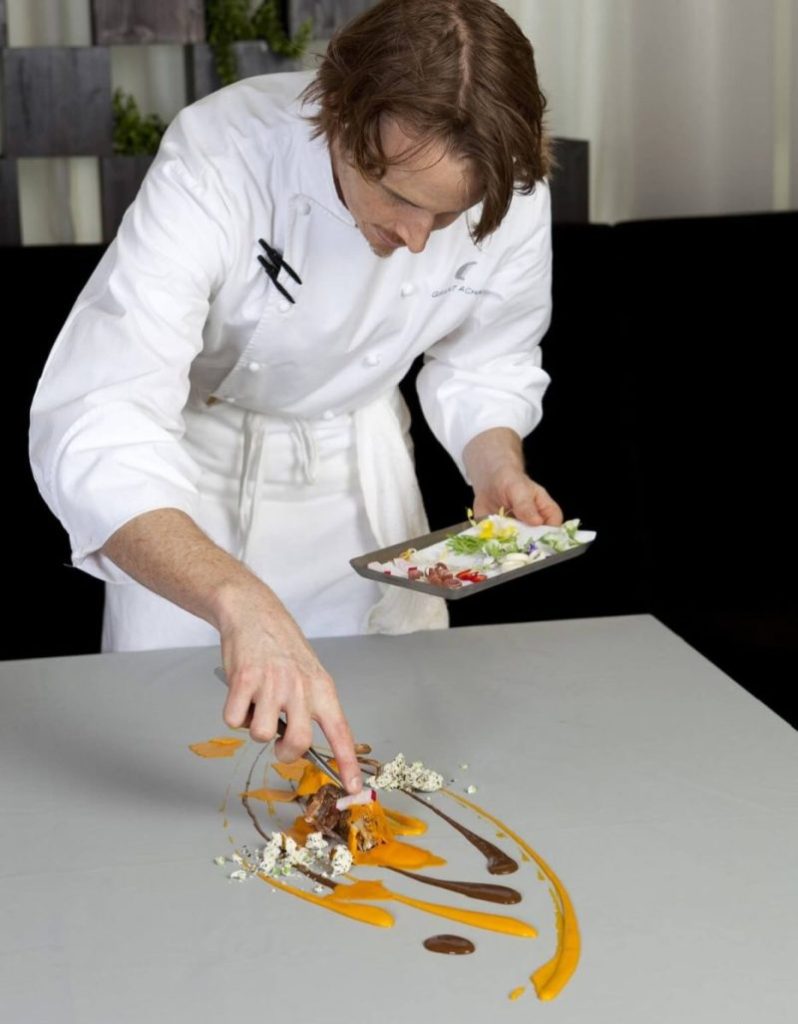
Essential Techniques in Molecular Gastronomy
- Spherification: A hallmark of molecular cuisine, this technique allows liquids to be encapsulated into gel-like spheres, resulting in a thrilling burst of flavor when bitten into. Common applications include fruit juices or flavored broths, which capture the essence of their ingredients in an innovative form.
- Foaming: This technique allows for the creation of airy and flavorful foams that can elevate a dish’s presentation and complexity. Ingredients can be turned into foams using an *isi siphon*, enabling chefs to infuse flavors into unexpected textures and visual styles.
- Gelification: Through the use of gelling agents like agar-agar or gelatin, chefs can transform liquids into gels that can be cut and molded into various shapes. This encourages exploratory eating and pleasant surprises as diners engage with the dish.
- Sous-vide Cooking: This method involves cooking food in a vacuum-sealed bag submerged in a water bath at precise temperatures, allowing for enhanced flavors and perfect textures. Sous-vide cooking has gained popularity for its ability to retain moisture and nutrients while ensuring even heating.
These techniques reflect just a fraction of the scientific ingenuity that defines molecular cuisine. By understanding the basic principles of food science, chefs can reinvent traditional recipes to highlight both flavor and experience. For example, hyaluronic acid is sometimes used to change the viscosity of sauces without altering their fundamental flavor, creating a silken texture that elevates the dish’s overall enjoyment. The capabilities of molecular gastronomy extend far into the realm of flavor synergy, where flavors previously deemed incompatible can be married harmoniously through careful study of their chemical nature.
Innovative Flavor Pairings
Another cornerstone of molecular cuisine is the creative pairing of flavors. Chefs utilize scientific knowledge of flavor compounds to discover exciting combinations that awaken the palate. This principle challenges diners to step out of their comfort zones and embrace the unfamiliar. Consider the striking combination of strawberries with balsamic vinegar; while it may seem unusual at first glance, culinary research reveals that the acids in both ingredients enhance and complement each other remarkably.
Molecular gastronomy encourages adventurous dining by redefining classic pairings and showcasing the endless possibilities that lie in the interplay between flavors. Chefs now craft dishes that tell a story through their ingredients, using science to inform their artistic vision. As enthusiasts continue to explore molecular cuisine, they find an ever-changing landscape rich with innovation and creativity, begging to be explored one bite at a time.
| Advantages | Description |
|---|---|
| Enhanced Flavor Profiles | Molecular cuisine allows chefs to manipulate ingredients at the molecular level, creating intense and innovative flavors that excite the palate. |
| Visual Presentation | The science of molecular gastronomy enables stunning visual presentations, transforming meals into artworks that appeal to both taste and sight, making dining a visual experience. |
Molecular cuisine captivates both chefs and diners with its unique approach to flavor innovation. By drawing on scientific principles, chefs can create dishes that not only taste extraordinary but provoke thought and discussion about food as a medium. Techniques such as spherification, where liquids are transformed into caviar-like spheres, and foaming agents to intensify senses, enhance the overall dining experience.One cannot discuss molecular cuisine without considering the role of technology. Tools such as sous-vide cookers and centrifuges enable precision cooking that was previously unattainable. This technology allows for better control of texture and flavor extraction, resulting in dishes that are not only flavorful but also consistent with each presentation. The meticulous attention to detail reflects the industry’s shift towards a scientific approach to culinary arts. For those intrigued by the science of flavors, diving into molecular cuisine offers a thrilling adventure. It challenges traditional cooking methods and invites chefs and home cooks alike to experiment and explore. Whether you’re interested in pursuing new culinary skills or simply seeking to enjoy an unforgettable dining experience, molecular cuisine provides a gateway to a world of gastronomy that fuses both science and art.
DIVE DEEPER: Click here to discover the impact of art in activism</a
Flavor Evolution through Molecular Techniques
As chefs delve deeper into the world of molecular cuisine, they push creative boundaries, transforming dining into a multisensory event. One noteworthy approach is the exploration of aroma compounds. Understanding that smell plays a crucial role in taste, chefs leverage techniques such as smoking or incorporating aromatic oils to elevate dishes. Aromatizing dishes, for instance, with wood smoke or herb-infused oils can profoundly affect the overall flavor perception, providing a unique gastronomic experience that tantalizes the senses.
Deconstruction and Reconstruction of Classics
Molecular cuisine also entails the deconstruction of beloved traditional dishes. By breaking these classics down to their molecular levels, innovative chefs reinterpret their flavors and presentation. A prime example is the culinary reinterpretation of a traditional Caprese salad, where chefs may present the elements—tomato, mozzarella, and basil—as separate, visually stunning components rather than a conventional assembly. Techniques like carbonation might be employed to transform tomatoes into effervescent spheres, while foam may replace traditional cheese in a deliciously unexpected form. This approach invites diners to engage with each flavor individually, creating a new narrative and appreciation for familiar ingredients.
Furthermore, chefs utilize temperature contrasts, combining hot and cold elements in one dish to create dynamic flavor experiences. The juxtaposition of a hot chocolate cake paired with a cold scoop of basil sorbet is an innovative way to stimulate taste buds, blending warmth and richness with refreshing herbal notes, each influencing the other and enhancing the overall enjoyment.
The Role of Ingredients in Molecular Gastronomy
As molecular cuisine evolves, so does the exploration of ingredients traditionally considered simple or mundane. Understanding the biochemical properties of produce, meats, and spices allows chefs to unlock new textures and flavors. For instance, chefs may harness the power of enzymes found in fruits like pawpaw or pineapple to break down proteins, resulting in tender cuts of meat and enhanced flavor absorption. This scientific manipulation not only elevates the dish’s quality but also informs the approach to choosing various ingredients for optimal flavor synergy.
Additionally, the use of flavor extracts and concentrates has gained prominence, allowing chefs to intensify flavors without adding bulk. For example, using reduced essence of lemon can bring a bright and natural flavor to a dish without overwhelming it. Meanwhile, organic and artisanal ingredients have found their place in molecular cuisine, with high-quality products like truffle oil or hand-harvested sea salts enhancing the depth of flavor in innovative dishes.
Sustainability and Molecular Cuisine
As the culinary world becomes increasingly conscious of sustainability, molecular cuisine also adapts to these principles. Techniques that reduce waste, such as using ingredients in full spectrum or utilizing by-products creatively, become part of a modern chef’s toolkit. Emphasizing local sourcing not only ensures freshness but also fosters creativity in flavor combinations, as chefs explore what is available within their communities.
In the rapidly evolving realm of molecular cuisine, the intersection of culinary art and scientific knowledge opens up a frontier of new potential, ultimately redefining how we interact with food. With each imaginative technique and unexpected flavor pairing, chefs invite diners to embark on explorations of taste that are as educational as they are delightful, promising an experience that is forever unique and thrilling.
DIVE DEEPER: Click here to uncover new artistic possibilities
In Conclusion: The Future of Flavor Innovation
In exploring the fascinating world of molecular cuisine, we uncover a profound transformation in how chefs approach flavor and presentation. This culinary art, infused with scientific principles, not only emphasizes innovative techniques such as deconstruction and the manipulation of texture and temperature, but it also enhances our sensory experience of food. By harnessing the power of aroma compounds, carbonation, and creative ingredient combinations, chefs engage diners in an event that is as much about interaction as it is about nutrition.
The ongoing commitment to sustainability ensures that this culinary revolution not only expands our palate but also respects our environment. As chefs opt for local and organic ingredients and adopt waste-reduction strategies, they pave the way for future generations of food creators who will continue to explore the boundaries of culinary art. Careful consideration of enzyme properties and the use of flavor extracts highlights an intricate relationship between flavor science and culinary creativity, underscoring the role of ingredients in molecular gastronomy.
As diners increasingly seek memorable eating experiences, the allure of molecular cuisine becomes ever more prominent. This dynamic field invites a new appreciation for familiar dishes, reinventing their narratives through groundbreaking techniques. For those eager to delve into the unexpected, the world of molecular cuisine awaits, offering a unique journey where flavor knows no bounds and culinary innovation reigns supreme.