
Nature and Photography Itineraries: Capturing the Beauty of Natural Destinations in the USA
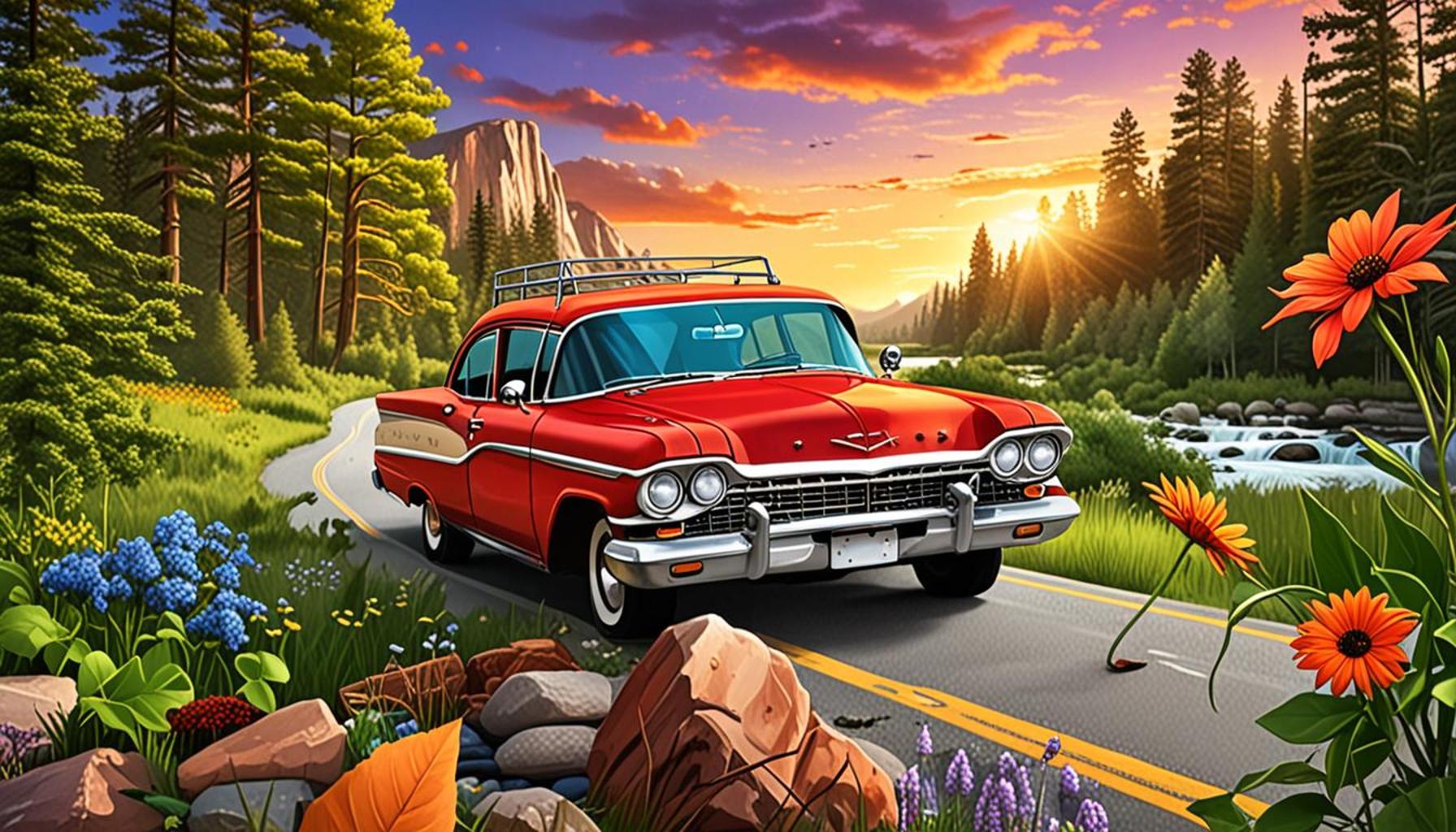
Discover the Charm of America’s Natural Landscapes
From the rugged cliffs of the Pacific Coast to the serene lakes of the Midwest, the USA boasts an incredible array of natural wonders. Each destination offers unique opportunities for photography that allow you to capture stunning vistas and intricate details alike. Whether you’re a seasoned photographer or a budding enthusiast, this guide to nature and photography itineraries will inspire your next adventure.
Why Explore Nature Through Photography?
Photographing nature not only creates memories but also enhances your appreciation for the environment. Engaging with nature through your camera can transform the way you experience the great outdoors. Here are some compelling reasons to get out there:
- Capture breathtaking landscapes that tell a story of the planet’s beauty. For instance, the dramatic contrasts of light at sunrise or sunset can turn a simple scene into a mesmerizing work of art.
- Highlight wildlife in their natural habitats for a unique perspective. Imagine witnessing a bald eagle in flight or a herd of elk grazing in a misty meadow, all the while capturing their grace and elegance through your lens.
- Create lasting art that can inspire others and raise awareness about conservation. A striking photograph of a dwindling glacier or a vibrant forest can motivate viewers to protect these precious resources.
With countless national parks, scenic byways, and hidden gems, the United States is a treasure trove for nature lovers. Consider these exceptionally photogenic spots that are popular among photographers:
- Yosemite National Park: Known for its towering granite cliffs and waterfalls, this park offers breathtaking views like El Capitan at dawn, where the light dances off the rock face.
- The Great Smoky Mountains: Famous for its misty mountains and diverse wildlife, this region provides opportunities for capturing everything from early morning fog to the vibrant colors of fall foliage.
- Antelope Canyon: Renowned for its stunning light beams and colorful rock formations, this slot canyon becomes particularly breathtaking when sunlight filters through the narrow openings at specific times of the year.
Embarking on a journey to these natural wonders not only allows you to take striking photographs but also deepens your connection to nature. Each click of the shutter fosters a sense of wonder and respect for the environment, compelling photographers to explore their surroundings with renewed curiosity. Let’s explore these magnificent destinations waiting to be captured through your lens—you may just discover a new facet of beauty in the world around you.
DIVE DEEPER: Click here to discover sustainable journeys
Setting Out on Your Nature Photography Journey
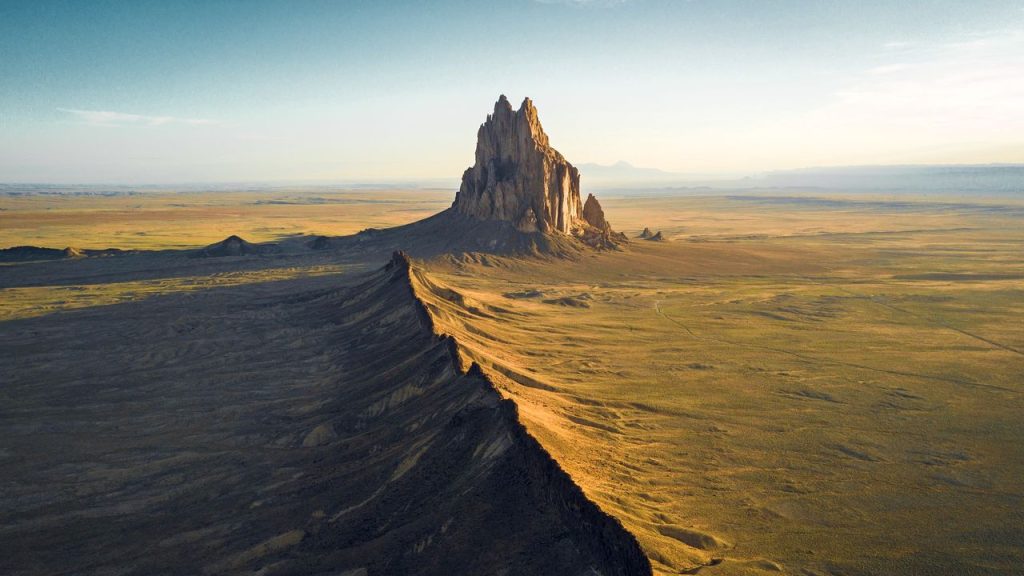
When you embark on a nature photography itinerary, preparation is key to capturing the stunning beauty of natural destinations across the USA. Understanding the best times to visit each location, knowing what to bring along, and having an idea of what to shoot can greatly enhance your photographic experience. It’s not just about the camera; it’s about being equipped with the right knowledge and supplies.
Essential Gear for Nature Photography
Before hitting the road, ensure that your photography gear is primed for the adventure. Here are essential items that every nature photographer should consider bringing:
- Camera: Whether you have a DSLR, mirrorless camera, or a smartphone, make sure your camera is capable of capturing high-resolution images. Researching your camera’s settings can unlock new potentials.
- Tripod: A stable base is crucial for shooting landscapes, especially during low light conditions like sunrise or sunset. A lightweight tripod is preferable for traveling.
- Filters: Polarizing filters help reduce glare and enhance colors, while neutral density filters can be invaluable for long exposure shots of waterfalls or flowing rivers.
- Lenses: Having a variety of lenses can provide versatility; consider wide-angle lenses for landscapes and telephoto lenses for capturing wildlife from a distance.
- Batteries and storage: Always pack extra batteries and memory cards. The last thing you want is to run out of power or storage space while encountering a spectacular scene.
In addition to gear, wearing appropriate clothing and footwear can significantly affect your comfort and ability to capture beautiful images. Opt for weather-resistant clothing, sturdy hiking boots, and layers, as conditions can change rapidly in natural settings.
Best Times to Photograph Natural Wonders
Timing is another critical aspect that can dramatically influence the quality of your photographs. Natural light can transform a scene, so planning shoots for early morning or late afternoon—known as the golden hours—can enhance the visual story. Here’s a brief overview of ideal times for specific destinations:
- Yosemite National Park: The spring months bring cascading waterfalls, while the fall offers vibrant foliage. Early mornings capture majestic light on Half Dome.
- The Great Smoky Mountains: Visit during the autumn for a kaleidoscope of colors or in the spring for blooming wildflowers and foggy mornings.
- Antelope Canyon: Midday is best for capturing the famous light beams, particularly during summer months when the sun is directly overhead.
By being prepared and informed, you can elevate your photography to new heights. Each destination not only offers spectacular scenery but also an opportunity to immerse yourself in the natural world. This makes every click of the shutter not just a moment captured, but a memory forged in nature’s embrace.
Discover the Scenic Wonders
Nature and photography itineraries unveil the breathtaking landscapes and rich biodiversity spread across the vast territories of the USA. Each destination is a canvas, offering photographers a chance to capture the essence of nature in its purest form. National Parks such as Yellowstone and Yosemite provide stunning backdrops, with their unique geological formations and vibrant ecosystems, making them ideal for both novice and experienced photographers. From the majestic peaks of the Rocky Mountains to the serene shores of the Pacific Coast, these itineraries guide enthusiasts to locations where beauty meets tranquility.
Engage with Wildlife
Another thrilling aspect of these itineraries is the opportunity to photograph wildlife in their natural habitats. The diversity of species found in America, including the iconic Bald Eagle and the elusive Mountain Lion, presents countless chances for captivating shots. Whether it’s the vibrant red of a Cardinal against a winter backdrop or the playful movements of otters in a serene lake, wildlife photography offers a thrilling adrenaline rush as you wait for the perfect moment. Engaging respectfully with nature fosters a deeper appreciation for the environment and elevates your photography skills.
Table of Advantages
| Category | Details |
|---|---|
| Scenic Views | Stunning landscapes feature iconic vistas, perfect for capturing nature’s beauty. |
| Wildlife Encounters | Observe and photograph a variety of species in diverse settings, enhancing your skills and appreciation for nature. |
Connect with Other Enthusiasts
Amazing itineraries also cultivate a sense of community among nature photographers. Joining photography tours or workshops enables you to meet like-minded individuals, share techniques, and collaborate on projects. Engaging in this vibrant community allows for the exchange of insightful experiences, making it an enriching aspect for both your personal growth and professional development. Additionally, many guides offer invaluable tips regarding equipment and locations tailored for successful shoots, ensuring a rewarding photographic adventure.
DISCOVER MORE: Click here to dive into the flavors and traditions of New Orleans</a
Finding Inspiration in the Landscape
While the technical aspects of photography are vital, your creative vision is equally important. Inspiration can often be found in the unique characteristics of each natural destination. Look for elements such as texture, symmetry, and contrast in your surroundings to compose visually captivating photographs. Each natural landscape boasts its own story, and as a photographer, your goal is to translate that narrative into your images.
Exploring Diverse Ecosystems
The USA is replete with diverse ecosystems that present unique photographic opportunities. Exploring these varied environments can ignite your creativity and deepen your appreciation for the natural world. Here are a few key locations that are ripe for photography:
- Everglades National Park: Home to a tapestry of wetlands and mangroves, the Everglades offer countless photography opportunities, particularly when capturing wildlife. Keep an eye out for the elusive Florida panther and the cacophony of bird species that grace this biodiverse swamp.
- Joshua Tree National Park: The peculiar shapes of the Joshua trees and rugged rock formations create a surreal landscape perfect for both day and night photography. Plan your visit for a clear night to capture the stunning Milky Way above.
- Grand Teton National Park: The craggy peaks and reflective lakes provide ideal settings for dramatic landscape photography. Sunrise at Schwabacher’s Landing is particularly famous for stunning reflections in the still waters.
By immersing yourself in these varied ecosystems, you will find a wealth of photographic subjects waiting to be captured.
Techniques for Capturing Motion
Nature photography can also encompass motion, whether it’s a rushing waterfall or graceful birds in flight. Employing techniques such as long exposure can transform simple scenes into mesmerizing images that convey fluidity and energy. For instance, capturing a waterfall with a longer exposure will give a silky effect to the water, making it appear ethereal. Conversely, freezing the motion of a hummingbird in flight can convey the bird’s beauty and agility. Experimenting with shutter speeds while being mindful of light can help you achieve these captivating effects.
Connecting with Local Culture
Your photography journey can also be enriched by connecting with local cultures that inhabit these natural landscapes. Engaging with local photographers, guides, or indigenous communities can provide insights that enhance your understanding and appreciation of the land. Their stories might reveal hidden gems or lesser-known spots, ensuring your portfolio captures not just the landscape, but the essence of the location.
Incorporating human elements into your nature photography, like local flora and fauna, can tell a more complex story. Scenes depicting people interacting with their environment, farming in scenic valleys, or artisans using natural materials can capture the harmony between humanity and nature. Your lenses can bridge the gap between these worlds, amplifying the voice of each destination.
Through careful exploration, inspiration, and connection, your nature photography itinerary can evolve into a rich tapestry of experiences and images that resonate with the beauty and diversity of the USA’s natural landscapes. As you traverse the land, remember to remain open to unexpected moments and subjects that might inspire your next great shot.
DISCOVER MORE: Click here for budget-friendly lodging options
Conclusion
As we conclude our journey through the realms of nature and photography itineraries, it’s evident that the USA is a treasure trove of breathtaking landscapes, each waiting to be explored and captured. By embracing diverse ecosystems, from the Everglades to Joshua Tree and the Grand Teton, photographers can immerse themselves in the unique narratives they present. These rich environments not only challenge our technical skills but also stimulate our artistic sensibilities, urging us to convey the intricate interactions between light, motion, and our surroundings.
Moreover, connecting with local cultures and communities can deepen our appreciation for these natural wonders, enriching our understanding and experience. Incorporating human elements into our photographic storytelling can evoke a sense of place and highlight the delicate balance between nature and people. Each click of the shutter becomes an opportunity to share a visual dialogue about conservation, beauty, and coexistence.
Ultimately, the key to an unforgettable photography journey lies in remaining open to discovery—both within ourselves and the landscapes that surround us. By planning thoughtful photography itineraries and seeking out the unexpected, we can truly capture the soul of the American wilderness. Whether you are an amateur enthusiast or a seasoned professional, every journey into nature promises not just stunning images, but lasting memories that resonate well beyond the frame. So venture forth, explore, and let your passion for photography lead you to the heart of the natural world.