Puzzles and Emotions: The Relationship Between Puzzle Solving and Emotional Stress Management
Unlocking the Mind: The Emotional Benefits of Puzzles
Puzzles have long been viewed as a pastime, but their impact on emotional stress management is gaining more attention. Engaging with a puzzle can be more than just entertainment; it serves as a tool for emotional relief and mental clarity. Here’s why:
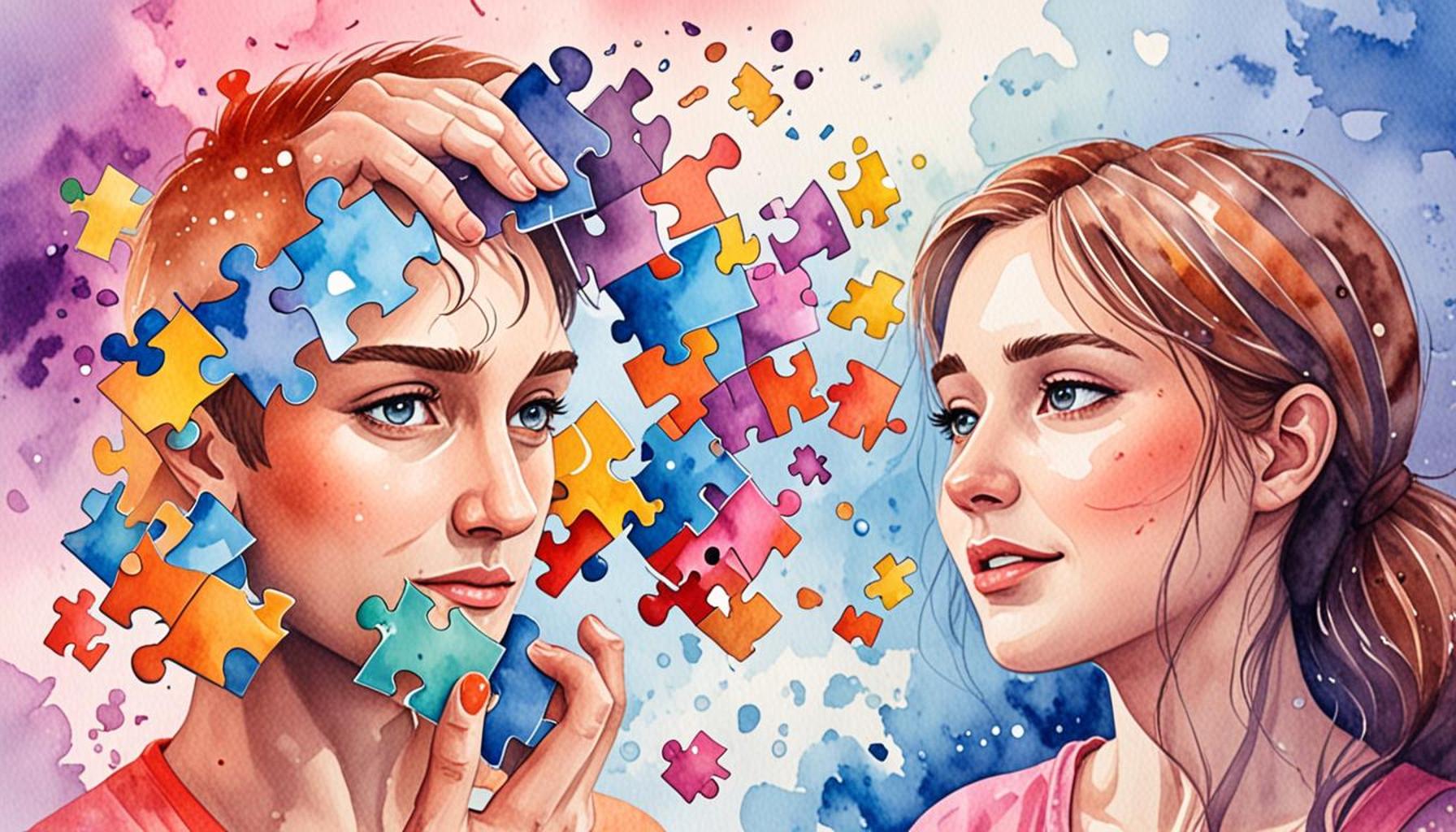
- Focus and Mindfulness: Solving a puzzle requires an intense level of concentration, effectively pulling you into the present moment. This practice of focusing on details — whether it’s fitting together pieces in a jigsaw or finding the right word in a crossword — promotes mindfulness. According to mindfulness research, this state of engagement can lead to decreased feelings of anxiety and better emotional regulation.
- Escapism: Puzzles provide a comforting form of escape, allowing individuals to temporarily distance themselves from everyday stressors. For example, during particularly stressful times, like during the height of the COVID-19 pandemic, many turned to jigsaw puzzles as a way to combat isolation. Engaging with a puzzle creates a mental sanctuary, where one can immerse in the challenge and forget about external pressures for a while.
- Accomplishment: Completing a puzzle generates a satisfying sense of achievement. This process is paramount in boosting mood and self-esteem. Research has shown that when individuals finish a puzzle, especially a difficult one, it can release dopamine, the neurotransmitter associated with feelings of pleasure and reward. This emotional boost can be especially valuable for those struggling with a lack of motivation or low self-worth.
Furthermore, research indicates that engaging in puzzles can lower levels of anxiety and enhance overall well-being. Neuroscientific studies have linked regular puzzle-solving with improved cognitive flexibility, which often helps in reducing emotional distress. The cognitive benefits associated with puzzle-solving can directly correlate with mental resilience, making it an effective, enjoyable activity for managing stress.
Consider the many types of puzzles available: from traditional crosswords to colored jigsaws and intricate Sudoku. Each type offers unique challenges that can cater to individual preferences, providing versatile routes to enhance emotional health. Puzzles can also be a social activity. Collaborating on a challenging jigsaw with friends or engaging in a crossword with family can foster connections, strengthening relationships while simultaneously providing emotional support.
The exploration of how puzzles relate to our emotions opens up insightful discussions. Are puzzle enthusiasts using their hobbies as an effective strategy for stress relief? Psychological insights into this phenomenon suggest that people often gravitate toward puzzles during tumultuous times, not just for engagement but also for the profound emotional satisfaction they can deliver. Join us as we delve deeper into the relationship between puzzles and emotions, uncovering the intricate ways they intertwine and contribute to mental well-being.
DISCOVER MORE: Click here to learn about the cognitive benefits of logic games
Puzzles as Tools for Emotional Regulation
At their core, puzzles function as intricate challenges that engage the mind and evoke a multitude of emotions. The relationship between puzzle solving and emotional stress management is underscored by various psychological theories and practices. As individuals work through the complexities of puzzles, they often experience a range of feelings that can lead to improved emotional well-being.
- Cognitive Engagement: Puzzles stimulate the brain, demanding attention, problem-solving skills, and critical thinking. This cognitive engagement not only serves to distract from daily stresses but also activates neurological pathways associated with positive emotions. Studies have derived a strong connection between increased brain activity during puzzle-solving and the release of endorphins, chemicals that help alleviate stress and improve mood.
- Structured Relief: Engaging with puzzles provides a structured approach to chaos, creating a focused outlet for anxieties. With a clear beginning and end, puzzles offer a sense of control and order, which can be particularly comforting in uncertain times. The predictable nature of working through a puzzle allows individuals to channel their emotional energy productively, reducing the impact of negative stressors.
- Social Interaction: In addition to individual benefits, puzzles can enhance emotional connections when solved in groups. Whether gathering family around a table for a jigsaw puzzle or participating in a crossword challenge online, the collaborative aspect fosters camaraderie. Engaging with others in this relaxed setting can encourage laughter, lighthearted conversation, and a shared sense of achievement, thereby fortifying emotional bonds and providing mutual support during stressful periods.
This multifaceted approach to problem-solving resonates strongly in today’s fast-paced world where stressors can feel overwhelming. According to the American Psychological Association, activities that facilitate mental engagement can serve as effective buffers against the adverse effects of stress, contributing to improved overall health. Additionally, incorporating puzzles into one’s routine may enhance emotional resilience, an essential trait for navigating life’s ups and downs.
As puzzle enthusiasts have noted over the years, the mere act of piecing together complexities fosters a unique sense of clarity. Not only do puzzles help in organizing thoughts and emotions, but they also create a narrative of achievement within the mind. This narrative is especially important when countering feelings of anxiety or doubt. Essentially, the world of puzzles encapsulates a potent blend of challenge and fulfillment that can help cultivate emotional wellness.
Exploring different types of puzzles is another avenue for fostering emotional growth. From logic-based Sudoku to visually captivating 3D jigsaws, the diversity of puzzles available today allows individuals to select challenges that resonate with their emotional needs and cognitive styles. Ultimately, the relationship between puzzles and emotions is an intricate dance, where solving a puzzle becomes not only an exercise in brain function but also a means of achieving emotional balance and harmony.
Puzzles and Emotions: The Relationship Between Puzzle Solving and Emotional Stress Management
Engaging in puzzle solving can evoke a multifaceted emotional experience, proving to be an effective tool in managing stress. Puzzles not only serve as a charming distraction but also facilitate a deep sense of accomplishment upon completion. The cognitive challenge presented by puzzles engages the mind, diverting attention away from daily stressors and anxieties. This immersion creates a meditative state that fosters relaxation, promoting emotional well-being.
Moreover, puzzle-solving activities can positively influence mood levels. Studies indicate that individuals who regularly engage in logic puzzles or crosswords report higher levels of life satisfaction and lower instances of anxiety. The act of piecing together solutions provides a structured environment where individuals can exercise control over their mental landscape, significantly bolstering one’s emotional resilience to stress.
Another layer of this dynamic relationship lies in the social aspect of puzzles. Collaborative solving can enhance social connections and foster a sense of community, which is vital for emotional strength. Interactions during group puzzle sessions often result in laughter and shared joy, reinforcing strong emotional bonds. This collective engagement serves as a reminder that while stress can feel isolating, the connections made through shared experiences are solid antidotes.
The benefits of puzzle-solving extend beyond mere entertainment; they encompass aspects of emotional refinement. Through the lens of puzzle-solving, individuals can develop patience and improve their problem-solving skills, which translates effectively into daily life. Importantly, the interplay between brain activity and emotional responses initiated by puzzles lays fertile ground for further exploration into its efficacy as a stress management tool.
| Category | Key Benefits |
|---|---|
| Emotional Regulation | Puzzles provide a pathway to develop coping mechanisms for emotional stress by enhancing focus and spatial reasoning. |
| Social Engagement | Collaborative puzzle solving fosters social interactions that can alleviate feelings of loneliness and anxiety. |
This intricate relationship between puzzles and emotional stress management invites further research and exploration, promising a richer understanding of how simple games can lead to profound emotional benefits.
DISCOVER: Click here to enhance your memory skills
The Therapeutic Potential of Puzzle Solving
Puzzles extend beyond mere entertainment; they embody a therapeutic potential that can significantly influence emotional well-being. As a non-invasive and accessible form of stress relief, they offer various approaches that can be tailored to individual emotional needs. By engaging in puzzle-solving activities, individuals might discover an effective strategy for managing emotional stress and fostering a sense of accomplishment.
- Mindfulness and Flow: Engaging deeply with a puzzle invites a state of mindfulness, where individuals become fully immersed in the task at hand. This state, often referred to as “flow,” occurs when the challenge of the puzzle meets one’s skill level. Psychologist Mihaly Csikszentmihalyi defines flow as a mental state of complete absorption and focus. When individuals achieve flow while solving puzzles, they may temporarily distance themselves from stressors, promoting emotional stability and clarity.
- Coping Mechanisms: Puzzles can serve as a constructive coping mechanism, allowing individuals to grapple with emotional difficulties more healthily. Instead of turning to unhealthy distractions, such as binge-watching or excessive social media usage, puzzle-solving offers a direct, engaging way to process thoughts and feelings. In this active engagement, a person may find resolution to worries or anxieties, transforming puzzling moments into opportunities for growth.
- Creative Expression: Many puzzles, particularly those that involve visual elements like jigsaw puzzles or color-based challenges, encourage creativity and self-expression. The act of arranging pieces and visualizing the final image can act as a channel for expressing emotions that are otherwise hard to articulate. Research in art therapy indicates that creative activities help individuals process emotions effectively. By integrating these elements into puzzle-solving, participants can unlock emotional insights while enjoying the process.
Additionally, puzzles can help individuals reduce feelings of isolation. For people experiencing anxiety or depression, the act of solving a puzzle can create a soothing environment, especially when accompanied by music or in the presence of supportive company. The practice of solving puzzles can shift focus from personal struggles to shared experiences. In times of social distancing or loneliness, online platforms dedicated to puzzles have emerged, connecting users and fostering solidarity among communities.
The emotional benefits of puzzles are also echoed in the world of professional therapy. Some mental health practitioners have begun integrating puzzle-solving exercises into therapeutic practices, observing that clients find comfort in tangible challenges that yield positive feedback through completed tasks. In this context, puzzles become a therapeutic tool, enabling clients to build resilience, self-esteem, and emotional intelligence.
The diverse landscape of puzzles available today—from crosswords to escape rooms—ensures that there is something for everyone. The key is to find the type of puzzle that resonates personally, catering to individual cognitive and emotional preferences. This personalization not only enhances the overall experience but also optimizes the mental benefits derived from engaging in such activities.
By considering the emotional implications of puzzle solving, individuals can harness these activities as part of their toolkit for emotional stress management. As the realms of psychological research continue to explore the impacts of leisure activities on emotional health, puzzles stand out as an engaging method for positive emotional regulation and personal growth.
DISCOVER MORE: Click here to find out the truth about logic games
Final Thoughts on Puzzles and Emotional Well-Being
In conclusion, the intriguing relationship between puzzle solving and emotional stress management unveils a landscape rich with therapeutic potential. As we have explored, the act of engaging with puzzles serves not only as a form of entertainment but as an invaluable tool for enhancing emotional resilience. Through the cultivation of mindfulness and the invitation of a state of flow, individuals can navigate their emotional landscapes, finding stability and clarity amid life’s challenges.
Furthermore, puzzles offer innovative coping mechanisms that replace less constructive distractions with active problem-solving, thereby enabling individuals to confront their feelings in a positive manner. The creative expression inherent in many types of puzzles allows for the articulation of complex emotions that may otherwise remain suppressed. Such activities foster personal insight and emotional growth, making them a vital component of comprehensive emotional care.
With the rise of digital platforms connecting puzzle enthusiasts, these activities also combat loneliness, enhancing community bonds during times of isolation. By integrating puzzles into therapeutic settings, mental health professionals recognize their potential to bolster self-esteem and emotional intelligence.
Ultimately, the versatility of puzzles—from simple crosswords to intricate escape rooms—ensures that everyone can discover a form that resonates with their unique emotional needs. As we delve deeper into the psychological benefits of leisure activities, puzzles undeniably emerge as an engaging method for promoting emotional regulation and fostering greater well-being. Thus, embracing puzzle-solving not only provides a delightful challenge but also contributes to the enriching tapestry of our emotional health.