
Puzzles and Mental Challenges: Strategies to Enhance Memory and Concentration
The Power of Cognitive Exercises
Are you searching for innovative ways to enhance your memory and concentration? Engaging in puzzles and mental challenges offers a delightful solution. Numerous studies indicate that regular mental exercises can illuminate previously dormant neural pathways, thereby improving overall mental agility and cognitive health. These activities not only provide entertainment but also serve as effective tools to refine your cognitive abilities.
The Benefits of Different Puzzles
By incorporating a variety of puzzles into your routine, you can experience a wide range of cognitive benefits. Here are a few examples of popular brain exercises that have proven their worth:
- Crossword puzzles are ideal for enhancing vocabulary and recall. They encourage you to think critically about word associations and can be especially rewarding when you complete a challenging grid. For instance, publications like The New York Times provide daily crossword puzzles that many enthusiasts eagerly anticipate.
- Sudoku is another engaging option. This number-placement game enhances logical thinking and pattern recognition. Each puzzle requires you to fill a grid with numbers, adhering to specific rules that test and develop your problem-solving skills. Many Sudoku apps are available, allowing users to practice on-the-go.
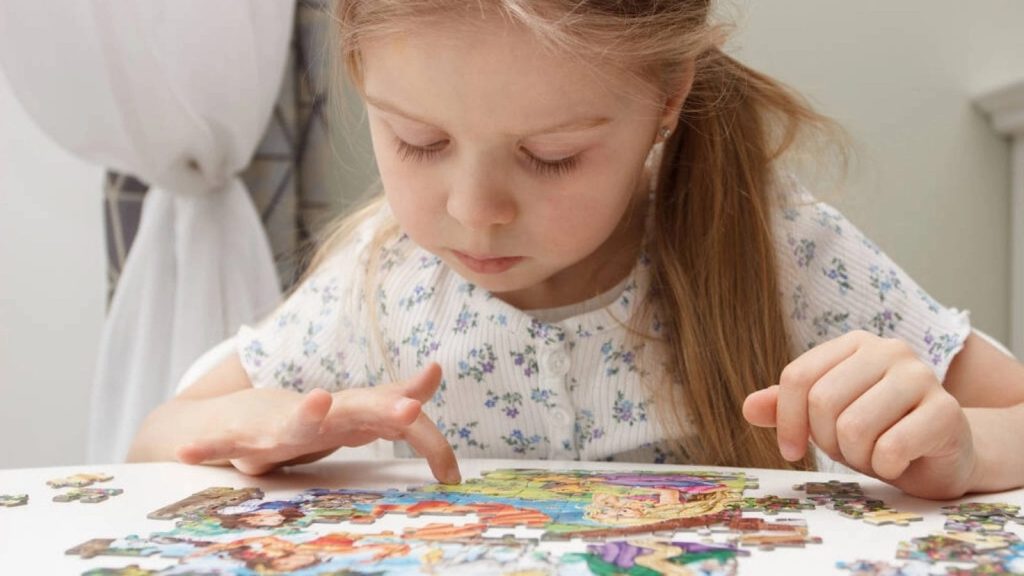
- Jigsaw puzzles help improve visual-spatial reasoning. They require careful attention to detail as you piece together images, sometimes revealing breathtaking landscapes or intricate designs. This activity not only sharpens cognitive skills but can also be a soothing pastime enjoyed alone or with friends.
Who Benefits from Mental Challenges?
Engaging in these cognitive exercises is particularly beneficial for various groups of people:
- Aging adults can significantly benefit from puzzles, as they strive to maintain their mental acuity in the face of age-related cognitive decline. Regular engagement in these activities can aid in sustaining memory and focus.
- Students preparing for exams often find that regular brain exercises help improve retention and comprehension of complex information, giving them an edge in their studies.
- Professionals faced with complex problem-solving scenarios can benefit from enhanced focus and mental agility. Whether it’s brainstorming creative solutions or analyzing critical data trends, mental exercises can provide that essential cognitive boost needed for success.
As you delve into these mental challenges, consider the extensive benefits of integrating puzzles into your daily life. Such activities keep your brain engaged and active, a critical factor in combating cognitive decline as you age. If you’re ready to unlock your brain’s potential, it might be time to embrace the captivating world of puzzles and cognitive exercises that promise to enhance your memory and concentration.
DON’T MISS: Click here to discover how logic games can enhance your problem-solving skills
Diving Deeper into Cognitive Exercises
While many of us may view puzzles as mere entertainment, the cognitive benefits they provide are profound and varied. Engaging your brain with these mental challenges fuels not only memory retention but also enhances your concentration levels. This section explores various strategies to maximize the effectiveness of these exercises, leading to improved cognitive health across all age groups.
Choosing the Right Type of Puzzle
The key to reaping the full benefits of puzzles lies in selecting the right type that aligns with your cognitive strengths and weaknesses. Different puzzles target various aspects of cognitive function:
- Logic puzzles engage your deductive reasoning. By solving scenarios that require careful analysis and decision-making, you are training your brain to think critically. Popular examples include the famous “Who owns the fish?” puzzle that challenges individuals to use clues to reach a solution.
- Memory games, such as matching cards, are excellent for boosting short-term memory. These games require you to remember the location of different cards, helping to sharpen your ability to retain information—perfect for those looking to enhance their recall capabilities.
- Trivia challenges, whether in the form of quizzes or apps, serve to broaden your knowledge base while enhancing recall. Regular participation in trivia competitions can keep your mind sharp, as they encourage you to tap into your memory banks and retrieve facts quickly.
Incorporating Puzzles into Daily Life
To truly benefit from puzzles and mental challenges, it’s essential to integrate them into your daily routine. Here are a few strategies to consider:
- Set a Daily Puzzle Time: Devote a specific time each day to work on puzzles, whether it’s a morning crossword or an evening Sudoku session. Consistency is key in establishing this positive habit.
- Join a Puzzle Group: Connect with others who share your enthusiasm for brain games. Clubs or online forums can introduce you to new puzzles while also providing the social interaction that can stimulate additional cognitive activity.
- Track Your Progress: Keep a log of the puzzles you’ve completed and your times. This not only motivates you to improve but can also help identify areas where you might need more practice.
Moreover, the digital age has made accessing these mental challenges easier than ever. With a wealth of apps and online platforms offering interactive puzzles, you can engage your brain whenever you have a spare moment—be it during your commute or while waiting in line. The convenience of these resources empowers you to explore a vast array of cognitive tasks designed to increase your memory and concentration.
Investing time in puzzles and mental challenges presents a unique opportunity to not only enjoy leisure activities but simultaneously enhance your cognitive prowess. As you embark on this journey, the combination of strategic selection and regular practice can lead to significant improvements in your mental faculties.
| Category | Benefits |
|---|---|
| Memory Boosting Activities | Engaging in memory games, such as Memory or Concentration, not only sharpens recall but also enhances cognitive agility. |
| Mind Maps and Visualization | Utilizing mind maps aids in organizing thoughts, which facilitates better memory retention and concentration on tasks. |
| Problem-Solving Puzzles | Engagement with logic puzzles like Sudoku enhances critical thinking skills, leading to improved memory and focus. |
| Brain Training Apps | Apps designed for brain training offer a structured way to enhance memory and concentration through adaptive challenges. |
One of the most effective strategies to enhance memory and concentration involves engaging with various puzzles and mental challenges. These activities can stimulate brain function and promote neuroplasticity, the brain’s ability to adapt and form new connections. From simple crossword puzzles to complex mathematical problems, the diversity of options provides a suitable challenge for individuals of all ages.Moreover, implementing a routine that incorporates these activities can lead to lasting improvements in cognitive abilities. Psychological studies have shown that consistent practice can rejuvenate memory functions, thereby combating age-related decline. This not only makes daily tasks easier but also enhances one’s overall mental resilience, opening doors to greater productivity in professional and personal spheres.Additionally, incorporating social components, such as group puzzle-solving sessions, can foster teamwork and communication skills, further enhancing the cognitive benefits. Whether in a competitive environment or a cooperative setting, the joy of engaging with others while challenging your mind can lead to a richer learning experience. Discovering new strategies through various puzzles can provide a thrilling avenue to enhancing memory and concentration.
DISCOVER MORE: Click here to learn how logic games can enhance your problem-solving skills
Exploring Brain Games and Their Impact
Beyond traditional puzzles, the realm of brain games offers a treasure trove of mental challenges designed to boost memory and concentration. These games often incorporate multiple cognitive skills, making them a versatile addition to any cognitive enhancement routine. As you delve into the different types of brain games, it becomes clear how they not only entertain but also stimulate various areas of the brain.
Cognitive-Enhancing Apps
In today’s tech-savvy world, a plethora of brain training apps are available at your fingertips. Platforms such as Lumosity, Peak, and Elevate offer a diverse range of games that adapt to your skill level. These apps utilize neuroscience-backed techniques, presenting cognitive challenges that promote neuroplasticity—the ability of the brain to reorganize itself by forming new neural connections. For example, Lumosity introduces tasks that focus on problem-solving and attention, while Peak offers games targeting emotional control and language skills. Regular use of these apps can lead to measurable improvements in brain function, according to various studies.
Physical Puzzles: A Hands-On Approach
While digital platforms are convenient, there’s something irreplaceable about tactile experiences offered by traditional puzzles. Engaging with physical puzzles, such as jigsaw puzzles or 3D brain teasers, requires hand-eye coordination and fine motor skills, which are also cognitive processes. These multidimensional challenges encourage deeper concentration and problem-solving abilities. A study published in the journal “Psychological Science” indicated that participants working on jigsaw puzzles exhibited higher levels of creative problem-solving compared to those not engaged in such tasks. Whether assembling a complex series of pieces or navigating an intricate wooden puzzle, the kinesthetic involvement plays a crucial role in enhancing memory retention.
Mindfulness and Puzzles
Integrating mindfulness into puzzle-solving can yield additional cognitive benefits. Mindfulness encourages heightened awareness of the present moment, which can lead to improved concentration and reduced anxiety. When tackling a challenging puzzle, take the time to focus on your breathing and eliminate distractions. Research has shown that practicing mindfulness not only enhances cognitive flexibility but can also bolster your ability to concentrate over extended periods. Consider setting a calming environment while you engage in puzzle activities, perhaps listening to soft music, which can further cultivate a conducive atmosphere for cognitive engagement.
Crossword Puzzles and Vocabulary Expansion
Another significant type of mental challenge worthy of mention is the humble crossword puzzle. While they may seem simple, these puzzles require a robust vocabulary, analytical thinking, and general knowledge, making them an excellent means of expanding your cognitive horizons. Engaging regularly in crossword puzzles can significantly enhance linguistic abilities and improve verbal memory. In fact, research from the University of Exeter found that those who did crosswords regularly exhibited a slower cognitive decline compared to those who did not. This suggests that this enjoyable pastime is not just a leisure activity; it also serves as a valuable tool in maintaining mental acuity over time.
As you explore various puzzles and games, remember that the journey is as important as the destination. Embracing the challenge of these cognitive activities will not only enhance your memory and concentration but also make learning more enjoyable and rewarding.
DISCOVER MORE: Click here for insights on enhancing your cognitive skills
Conclusion: Unlocking Cognitive Potential
In a fast-paced world where mental acuity is paramount, engaging in puzzles and mental challenges emerges as a powerful strategy to enhance memory and concentration. From digital brain games that leverage neuroscience principles to traditional jigsaw puzzles requiring tactile interaction, a variety of options exists to cater to different preferences and lifestyles. The research underscores the importance of consistency; daily engagement with tasks like crossword puzzles not only enriches your vocabulary and cognitive skills but also contributes to a slower cognitive decline as we age.
Moreover, integrating mindfulness practices into puzzle-solving can create a dual benefit of improving focus while cultivating a tranquil mindset. By consciously eliminating distractions and fostering a peaceful environment, you can significantly amplify the advantages provided by these cognitive activities. It becomes evident that the benefits of brain training extend far beyond mere entertainment; they forge new neural pathways that enhance lifelong learning and cognitive resilience.
As you venture into the world of puzzles and mind games, embrace this opportunity to challenge yourself. Each puzzle is not just a test but a way of unlocking your cognitive potential. Equip yourself with the right strategies, make it a habit, and witness how not only your memory but also your overall mental clarity flourishes. With a commitment to regular practice, you can successfully navigate the myriad challenges of daily life with enhanced skill and confidence.