
Skin Care Tips for Different Skin Types: How to Personalize Your Routine
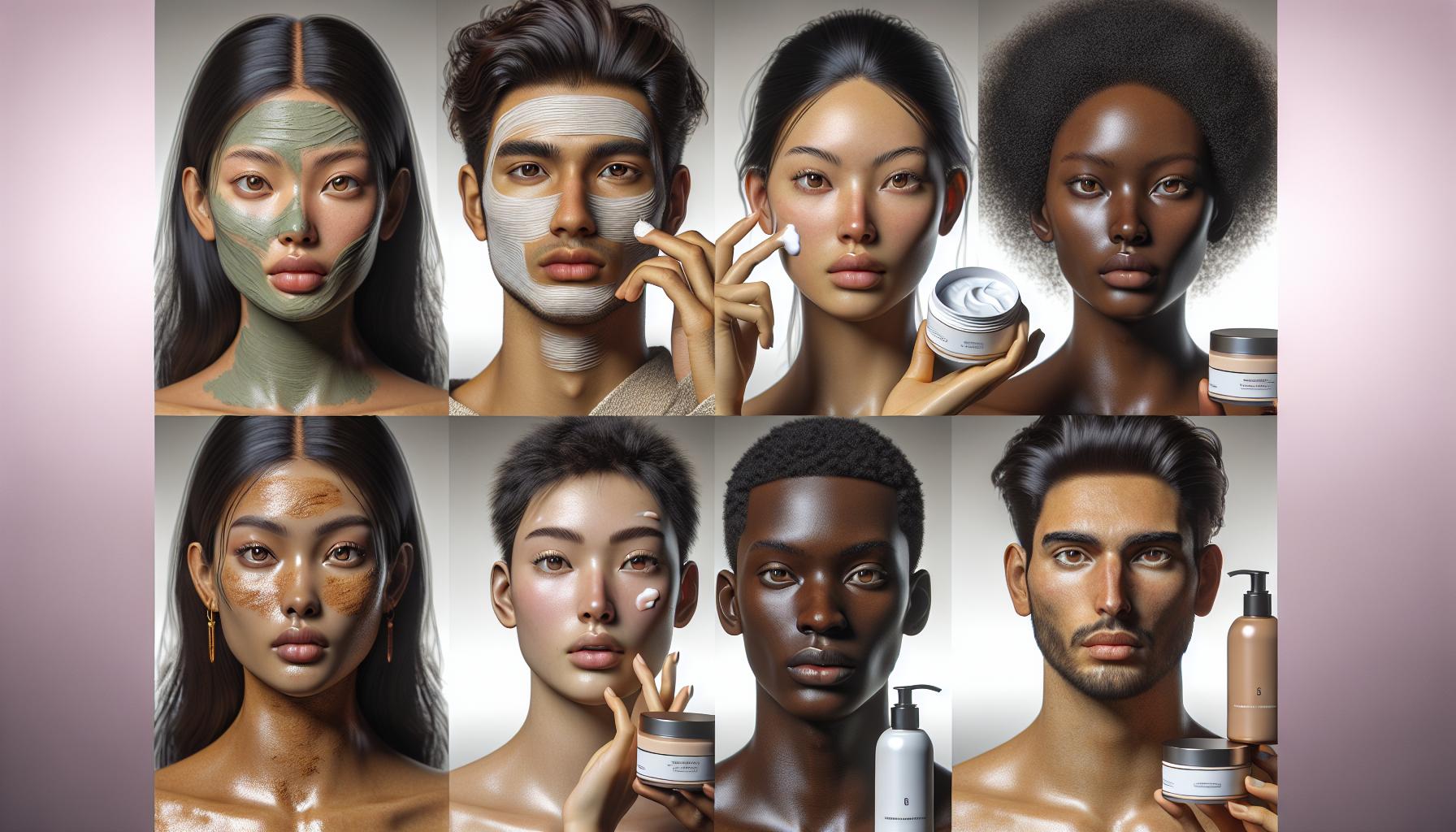
Understanding Your Skin Type
Every individual’s skin is unique, and recognizing your skin type is the first step in crafting an effective skin care routine. Your skin can generally be categorized into four primary types, each requiring different care:
- Oily: This type is characterized by excess sebum production, leading to a shiny complexion and frequent breakouts. Individuals with oily skin may notice enlarged pores and are more prone to acne.
- Dry: Often feels tight, dry skin lacks moisture and may show flaking or dullness. It can also be susceptible to irritation and is often characterized by a rough texture.
- Combination: A versatile skin type that exhibits both oily areas, often in the T-zone (forehead, nose, and chin), and dry patches, typically found on the cheeks and around the eyes.
- Sensitive: This skin type is reactive and can exhibit redness, swelling, or itching in response to products, weather changes, or irritants. Sensitive skin often requires gentle, hypoallergenic products.
Choosing the right products for your skin type can transform your complexion. Personalizing your routine is vital for achieving glowing skin and addressing specific concerns effectively. For instance, individuals with oily skin should opt for non-comedogenic and lightweight products that do not clog pores, such as gel-based moisturizers or foaming cleansers. On the contrary, those with dry skin may thrive on richer, creamier formulations that provide deep hydration, such as products containing hyaluronic acid or ceramides.
The Importance of Tailored Skin Care
Utilizing the right products that are tailored to your skin type helps in:
- Minimizing breakouts and irritation by using gentle, appropriate cleansers and spot treatments.
- Enhancing hydration and nourishment, particularly vital for those with dry or sensitive skin, to ensure a soft, supple texture.
- Balancing oil production and skin texture; combining products strategically can lead to an improved overall appearance.
Understanding which ingredients work best for your skin type can be a game-changer. For example, oily skin may benefit from ingredients like salicylic acid that target breakouts, while dry skin thrives on richer creams that prevent moisture loss. Furthermore, those with combination skin must be adept at using different products on varied areas; for instance, employing a lightweight gel on oily zones and a richer cream on dry areas can provide a harmonious balance.
Diving deeper into your skin care journey can reveal innovative routines and products that transform your approach to beauty. From the latest serums packed with antioxidants to protective sunscreens catering to different skin types, the options are abundant. The right tips can not only elevate your skin health but also boost your confidence, leading to a more radiant you.

As you explore, remember that skin care is not a one-size-fits-all approach. Engaging with specialists, reading up on the latest dermatological studies, and even trial and error can lead you to discover methods that work uniquely for you. Dive into this journey of understanding and redefine your skin’s health one product at a time.
DISCOVER MORE: Click here to learn about skin-transforming foods
Choosing the Right Products for Your Skin
Once you’ve identified your skin type, the next step is selecting the appropriate products that cater specifically to your unique needs. Each skin type comes with its own set of challenges and benefits, and using the right formulations is essential for enhancing your overall complexion. Below are some tailored recommendations for each skin type:
- Oily Skin: Opt for oil-free and non-comedogenic products. Gel-based cleansers and lightweight moisturizers can help control excess sebum without adding more oil. Look for ingredients like salicylic acid, which helps unclog pores, or witch hazel for its natural astringent properties.
- Dry Skin: Your main focus should be on hydration. Choose cream-based cleansers that won’t strip your skin of its natural oils. Look for moisturizers packed with hyaluronic acid, glycerin, and ceramides to help lock in moisture and restore the skin barrier. Avoid harsh exfoliants that can exacerbate dryness.
- Combination Skin: Balance is key for combination skin. Use gentle, hydrating cleansers that do not over-dry oily areas while nourishing the dry patches. Consider using a lightweight gel or lotion for the T-zone and a richer cream for your cheeks and under-eye area. Multi-masking can also be an effective technique for addressing specific concerns simultaneously.
- Sensitive Skin: Products should emphasize gentleness. Opt for hypoallergenic and fragrance-free formulations. Look for moisturizers with soothing ingredients like aloe vera, chamomile, or oat extracts which alleviate irritation and redness. It’s also important to conduct patch tests before trying new products to prevent potential flare-ups.
As you navigate your skin care journey, consider the type of products you use in layers as well. A proper routine typically includes a cleanser, toner, serum, and moisturizer, but the specific formulations should reflect your skin’s needs. Additionally, don’t overlook the importance of using a suitable sunscreen. Sunscreen isn’t only for summer—it’s a daily essential that protects all skin types against damaging UV rays and can prevent premature aging, discoloration, and skin cancer.
Moreover, personalizing your routine goes beyond just product selection; it also involves paying attention to your skin’s response as seasons change. For example, colder months tend to exacerbate dryness, even in those who typically have combination or oily skin. Conversely, summer might necessitate a lighter touch for oily skin types to avoid breakouts. Pay close attention to how your skin reacts during these transitions and adjust your regimen accordingly.
Lastly, keeping a skin care diary can be an invaluable tool while you refine your routine. Documenting the products you use, the results achieved, and any reactions observed can help pinpoint what truly works for you, fostering a deeper understanding of your skin and its needs.
| Skin Type | Personalization Tips |
|---|---|
| Oily Skin | Opt for oil-free moisturizers and products with salicylic acid to control excess sebum. |
| Dry Skin | Choose rich creams and ingredients like hyaluronic acid to retain moisture and improve skin texture. |
| Combination Skin | Utilize lightweight moisturizers on oily areas and hydrating serums on dry zones for balanced care. |
| Sensitive Skin | Look for hypoallergenic and fragrance-free products to minimize irritation. |
When it comes to personalizing your skincare routine, understanding your skin type is crucial. Each type responds differently to various products, making customization necessary for an optimal regimen. Oily skin benefits from non-comedogenic ingredients, which prevent clogged pores and reduce shine. Meanwhile, dry skin requires more hydration through thicker creams that nourish the skin barrier effectively. Individuals with combination skin should focus on balancing treatments, employing lighter products in oilier areas while intensifying hydration where needed. For those with sensitive skin, selecting gentle options devoid of harsh chemicals is vital to avoid adverse reactions. Adopting these tailored approaches will significantly enhance the effectiveness of your skincare routine and elevate your skin health. Exploring more on these topics can lead to discovering the perfect products that cater specifically to your skin’s unique needs.
DISCOVER MORE: Click here to delve into the latest trends
Key Steps in Establishing a Personalized Skin Care Routine
Establishing a personalized skin care routine involves more than just selecting the right products; it requires you to understand your skin’s unique requirements and respond actively. The journey to optimal skin care often begins with a thorough assessment of your daily habits and lifestyle factors that may influence your skin’s condition. Below are essential steps to consider as you build a routine that works for you.
- Consistency is Crucial: The effectiveness of your routine relies heavily on consistency. Most dermatologists recommend sticking to a regimen for at least 4 to 6 weeks before evaluating its effectiveness. During this time, pay attention to the subtle changes in your skin’s texture, hydration levels, and appearance.
- Incorporate Exfoliation: Exfoliating is vital for all skin types, but it’s essential to choose the right method. For oily and combination skin, consider chemical exfoliants like alpha hydroxy acids (AHAs) and beta hydroxy acids (BHAs) to help eliminate dead skin cells and prevent clogged pores. For dry or sensitive skin, opt for gentle exfoliation once a week to avoid irritation.
- Adjust for Environmental Factors: Your skin can respond dramatically to the environment. For example, if you live in a dry climate, incorporating a humidifier into your home can provide additional moisture. Similarly, if you’re frequently exposed to pollution, adding an antioxidant serum can defend against free radical damage. Urban dwellers often benefit from incorporating products with vitamin C or niacinamide to help brighten and protect.
- Diet and Hydration Matter: Remember that skin care starts from within. Drinking sufficient water and eating a balanced diet full of antioxidants can dramatically impact your skin’s health. Foods rich in omega-3 fatty acids, like salmon and walnuts, can help maintain moisture in dry skin, while foods with a low glycemic index may help regulate oil production in oily skin.
Embracing Advanced Treatments
As you become more acquainted with your skin care needs, it may be beneficial to explore advanced treatments that cater to specific concerns. These treatments can amplify your routine and often offer quicker results. Options like microdermabrasion, laser therapy, or chemical peels should be considered based on your skin type and specific issues, such as blemishes, pigmentation, or texture. Consulting with a skin care professional or dermatologist can guide you to select treatments tailored just for you.
In addition, consider incorporating facial oils that align with your skin type. For those with oily skin, lightweight oils like grapeseed oil can help regulate oil production without clogging pores. On the other hand, dry skin types can benefit from richer oils such as argan oil that provide extra nourishment and hydration. Remember, however, that oils are best used as finishing touches in your routine.
Taking the holistic approach to skin care can yield impressive results. This includes maintaining a regular sleep schedule, managing stress through exercise or meditation, and even protecting your skin from environmental stressors, such as sun exposure or harsh weather. These lifestyle factors can fundamentally change how your skin behaves.
Ultimately, personalizing your skin care routine is an evolving process. It’s about finding harmony between how your skin behaves and the strategies you implement to keep it looking its best. Stay observant, informed, and willing to adapt your regimen as your skin continues to change.
DIVE DEEPER: Click here to discover more about natural ingredients and skin aging
Conclusion
In the pursuit of flawless skin, understanding that one size does not fit all is essential. Personalizing your skin care routine requires a deep dive into the unique needs of your skin type, whether it be oily, dry, combination, or sensitive. By implementing targeted practices, adjusting your regimen based on environmental factors, and maintaining consistency, you’re setting the stage for healthier, more radiant skin. Remember that holistic factors such as diet, hydration, and stress management play a vital role in your skin’s appearance; they are as critical as the products you choose.
Moreover, embracing advanced treatments tailored to your specific concerns can provide an added boost to your regimen. Treatments ranging from chemical peels to microdermabrasion can expedite the journey towards achieving your skin goals. As you progress, do not hesitate to consult with dermatologists or estheticians who can offer valuable insights and recommendations, ensuring you navigate your skin care journey with confidence.
Ultimately, the key takeaway is that personalizing your skin care routine is not merely an act of vanity but a commitment to nurture and appreciate the skin you inhabit. Keep experimenting, stay informed, and be patient; the perfect routine for your skin is out there, waiting to be discovered. By taking these steps, you’re investing in not just your skin’s health, but also your overall well-being.