
Sustainable Cuisine: Creating Delicious Dishes with Local Ingredients
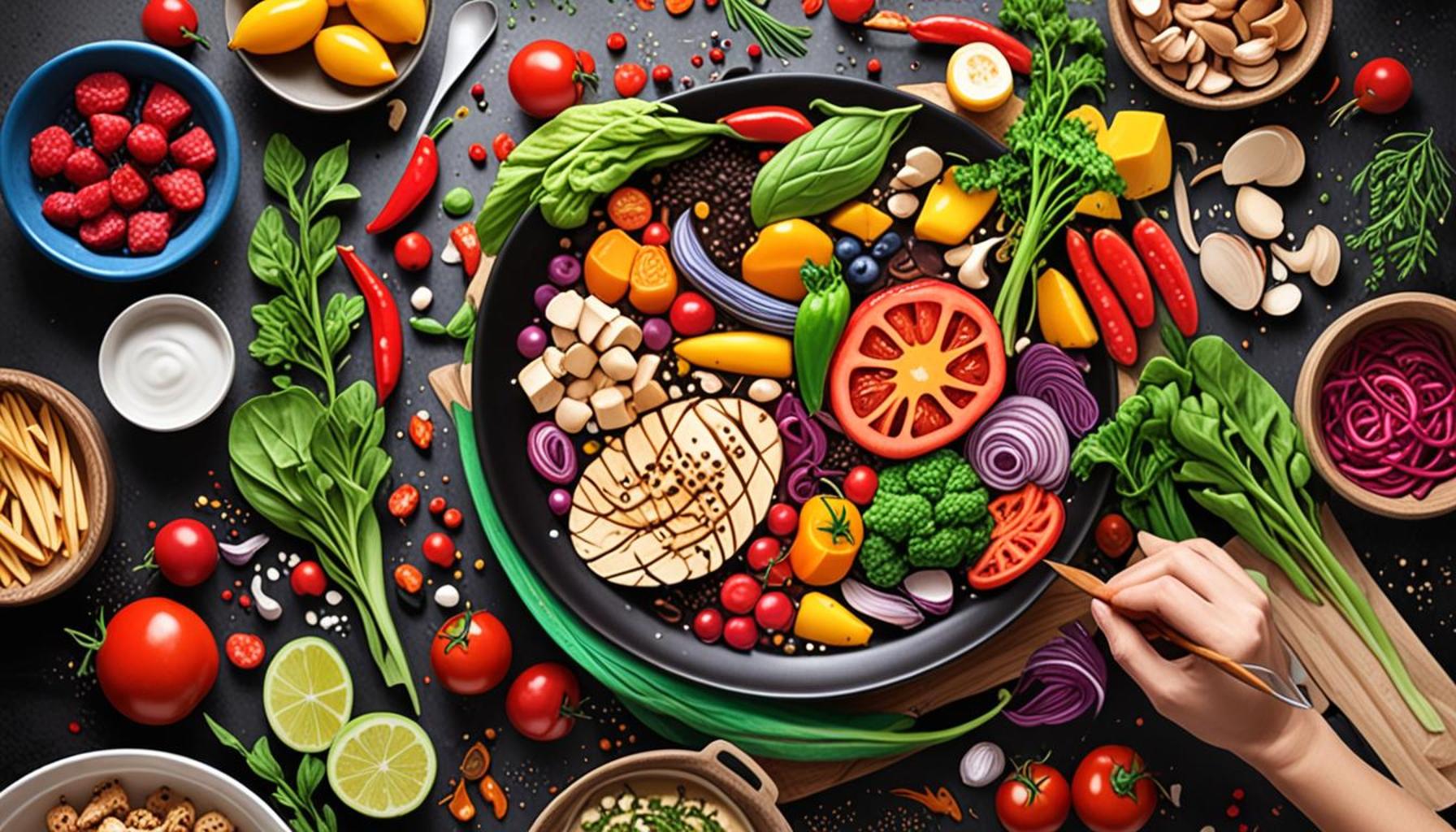
Understanding the Ripple Effects of Sustainable Cuisine
In an era where climate change and environmental degradation are pressing concerns, the shift towards sustainable cuisine is becoming increasingly necessary. This culinary movement emphasizes not only the taste of food but also its ethical implications, leading to a richer connection with what we consume. By focusing on local ingredients, chefs and home cooks are exploring innovative avenues to craft dishes that are both flavorful and kind to Mother Earth.
Rethinking our meal sources presents a plethora of motivations worth considering. Here are a few compelling reasons why sustainable cuisine is gaining traction:
- Supports Local Farmers: When we buy from local farms, we invest in our communities, creating economic stability that benefits both farmers and consumers. For example, purchasing fresh produce from a farmers’ market not only provides you with delicious ingredients but also ensures the money stays within your local economy and lessens the greenhouse gas emissions linked to lengthy transportation.
- Seasonal Freshness: Ingredients sourced in-season are often plucked at their peak ripeness, offering maximum flavor and nutrition. Imagine biting into a juicy summer heirloom tomato or savoring crisp autumn-squash soups—these seasonal delights highlight nature’s rich bounty and allow chefs to celebrate local flavors dynamically.
- Healthier Choices: Choosing local ingredients reduces your exposure to harmful pesticides and preservatives commonly used in large-scale agriculture. By embracing organic or sustainably farmed options, you can cultivate a diet rich in nutrients while enhancing your overall well-being.
Understanding the origins of our food opens a wealth of possibilities in the kitchen. From vibrant farmers’ markets bustling with seasonal produce to community-supported agriculture (CSA) programs that offer a subscription box of local products, the means to access high-quality ingredients have never been more accessible. Engaging in sustainable practices not only enriches our meals but also encourages culinary creativity as we explore the diverse flavors of our regions.
As we embark on the adventure of constructing delicious dishes with local fare, consider this: how can you incorporate sustainability into your own cooking? Perhaps start by sourcing your ingredients thoughtfully. Visiting local farms not only provides the freshest options but also facilitates a stronger relationship with those who cultivate your food. Additionally, platforms like “Eat Local” and “Farm Fresh” are excellent resources to connect you with farmers in your area.
Furthermore, exploring sustainable cooking techniques—such as utilizing root-to-leaf cooking or anaerobic fermentation—can yield exciting culinary experiences while minimizing waste. By adopting these practices, you not only create meals that resonate with flavor and ethics but also contribute to a larger movement that prioritizes our planet’s health. So roll up your sleeves, don your apron, and dive into the delicious world of sustainable cuisine—your taste buds and the Earth will thank you.

DIVE DEEPER: Click here to discover the impact of art in activism</a
Exploring Local Ingredients: The Heart of Sustainable Cuisine
At the core of sustainable cuisine lies the celebration of local ingredients. Understanding the diversity of produce that your region offers is essential for creating dishes that burst with flavor and reflect the surrounding landscape. Across the United States, from the lush farmlands of California’s Central Valley to the coastal fisheries of Maine, local farmers and artisans cultivate a wealth of ingredients waiting to be discovered.
One of the most appealing aspects of focusing on local ingredients is the opportunity to connect with your food. This connection helps to foster a deeper appreciation for the environment and the labor that goes into each bite. When you choose local, you’re not just consuming a meal; you are embracing the heritage, culture, and the community surrounding that food. Here are some points to consider while exploring local ingredients:
- Regional Variability: Each region has unique plants and animals that thrive in its climate. For instance, the Pacific Northwest is renowned for its wild salmon, while the Midwest boasts exceptional corn and soybeans. Understanding these local resources enriches your cooking possibilities.
- Preservation of Flavor: Produce that travels a shorter distance retains its freshness and flavor. When vegetables and fruits reach your plate shortly after being harvested, their taste profiles are more vibrant, which enhances the overall quality of your dishes.
- Encouragement of Biodiversity: By purchasing locally, you help sustain diverse farming practices that promote biodiversity. This, in turn, supports pollination, healthy soil, and a balanced ecosystem, leading to more resilient food systems.
- Community Engagement: Sourcing ingredients locally encourages you to engage with your community. Visiting your local farmers’ market not only allows you to meet the people who grow your food but also fosters a sense of community and shared responsibility for sustainable practices.
As you embrace the journey of sustainable cuisine, consider ways to make the most of local flavors in your home kitchen. Start by engaging with community-supported agriculture (CSA) programs that deliver seasonal produce to your doorstep. These subscriptions encourage you to experiment with unfamiliar ingredients, promoting creativity and innovation in meal preparation.
Additionally, don’t overlook the value of local specialty food producers. From artisanal cheeses to small-batch preserves, these products can elevate everyday meals and lend a unique touch to your culinary creations. Incorporating these elements into your cooking not only enhances flavor but also supports small businesses that champion sustainable practices.
The path to crafting delectable dishes with local ingredients is paved with exploration, experimentation, and education. By diving into the local flavor scene and understanding the significance of what is grown or produced in your area, you can help build a more sustainable food culture while tantalizing your taste buds. In the following sections, we will delve deeper into sustainable cooking techniques and how to effectively integrate them into your daily meals.
| Advantages of Sustainable Cuisine | Benefits of Local Ingredients |
|---|---|
| Seasonal Freshness | Using local ingredients ensures that produce is harvested at its peak vitality, leading to a richer flavor profile and nutritional value. |
| Environmental Impact | Sourcing ingredients locally reduces transportation emissions and supports sustainable farming practices, making a notable difference in reducing carbon footprints. |
In today’s culinary landscape, the shift toward sustainable cuisine is not just a trend; it reflects a growing awareness of our food choices and their impact on the environment. By embracing local ingredients, chefs can create dishes that are not only delicious but also environmentally responsible. The focus shifts from mass-produced, out-of-season imports to fresh, seasonal produce, enhancing the overall dining experience.Moreover, the benefits extend beyond flavor. By choosing local suppliers, consumers can support small-scale farmers and encourage the use of organic practices, which are vital for maintaining biodiversity. In line with this, local ingredients offer a unique connection to the culture and heritage of a region, transforming meals into a narrative of place and community.Sustainable cuisine champions a holistic approach that values quality over quantity while prioritizing the health of our planet. The next time you sit down for a meal, consider the journey of your food—from the soil to your plate—and the tantalizing possibilities that arise when you choose to support local.
DISCOVER MORE: Click here to delve into the evolution of performing arts
Embracing Sustainable Cooking Techniques
Once you have sourced vibrant local ingredients, the next step in the journey of sustainable cuisine is mastering cooking techniques that complement and enhance those flavors. Sustainable cooking is not just about the ingredients; it involves how they are handled and prepared. By utilizing specific methods, you can minimize waste, preserve nutrients, and maximize the impact of local produce in your dishes. Here are some effective techniques to consider:
- Farm-to-Table Approach: Embrace the farm-to-table ethos by using seasonal ingredients in their prime. Cooking with what’s available reduces environmental impact and aligns your menu with the natural growing cycles. This approach encourages creativity, inviting you to rebalance your meals based on seasonal availability.
- Whole Ingredient Utilization: Maximize each ingredient’s potential by learning how to use every part. For example, radish greens can be used in pestos or salads, while vegetable scraps can be transformed into stocks. This not only reduces food waste but also creates a range of flavors, enhancing the overall dish.
- Fermentation and Preservation: Explore traditional preservation methods such as fermentation, pickling, and canning. These techniques not only extend the shelf life of local produce but also infuse dishes with unique flavors. Preserved items like kimchi or pickled vegetables can provide a tangy contrast, enriching the depth of flavors in your cuisine.
- Cooking Methods with Lower Environmental Impact: Opt for cooking methods that conserve energy and promote efficiency. Techniques like steaming or slow-roasting use less energy compared to methods that require intense heat for shorter periods. Grilling or barbecuing with local wood can also add unique flavors while keeping your carbon footprint low.
As ingredients play an integral role in your sustainable cuisine journey, understanding food pairings and flavor profiles becomes essential. For example, consider how ingredients like tomatoes from a local farm resonate beautifully with fresh basil, resulting in classic dishes like Caprese salad. Pairing should not only focus on taste but also on seasonal availability; think of butternut squash with sage in the autumn months or grilled zucchini with lemon during summer.
Another interesting avenue to explore is the concept of *root-to-stem cooking*. This philosophy encourages chefs and home cooks alike to incorporate the entirety of vegetables into their meals, turning often-discarded parts into the stars of a dish. Carrot tops can be blended into vibrant pesto, while beet greens can be sautéed as a nutritious side. This not only minimizes food waste but also encourages renewed creativity in meal preparation.
The rise of sustainable cuisine has also paved the way for innovative solutions in food service. Many restaurants are now incorporating upcycled ingredients onto their menus, promoting the utilization of items that might otherwise go to waste. This trend opens the door for diners to enjoy exciting meals while actively participating in a sustainable food culture. Consider visiting local eateries committed to this movement; they often showcase the beauty of local farms on their menus, supporting both the community and the environment.
By integrating these sustainable cooking techniques into your culinary repertoire, you can maximize the potential of local ingredients while reducing waste. As you experiment and explore, you will uncover ways to create not just tasty, but also responsible dishes that resonate with the principles of sustainability.
DIVE DEEPER: Click here to uncover creative DIY inspirations
Conclusion
In a world grappling with environmental challenges, sustainable cuisine emerges as a beacon of hope, highlighting the profound impact that mindful cooking can have on our planet. By choosing to create delicious dishes with local ingredients, we not only celebrate the unique flavors and freshness that each season offers, but we also play a vital role in supporting our local economies and fostering a sense of community. The farm-to-table approach, whole ingredient utilization, and techniques like fermentation provide exciting avenues for culinary creativity while minimizing waste.
The journey toward sustainable cooking is as much about innovation as it is about tradition. Embracing practices such as root-to-stem cooking or upcycling ingredients can breathe new life into our meals, transforming what might be considered scraps into the stars of our dishes. Through these methods, we cultivate a deeper connection to the food we eat and the environment around us.
As diners, we can participate in this movement by seeking out restaurants that prioritize sustainable practices, ultimately influencing the food culture in our communities. The fusion of inventive cooking methods with locally sourced ingredients allows us to savor not just extraordinary flavors, but also a sense of responsibility toward the planet.
In conclusion, by integrating sustainable practices into our kitchens, we can create a ripple effect that extends far beyond our plates. Together, let us explore, innovate, and indulge in the wealth of tastes and textures that sustainable cuisine has to offer, paving the way toward a more conscious and delicious future.