The Art of Contouring: Techniques to Sculpt Your Face
The Art of Contouring
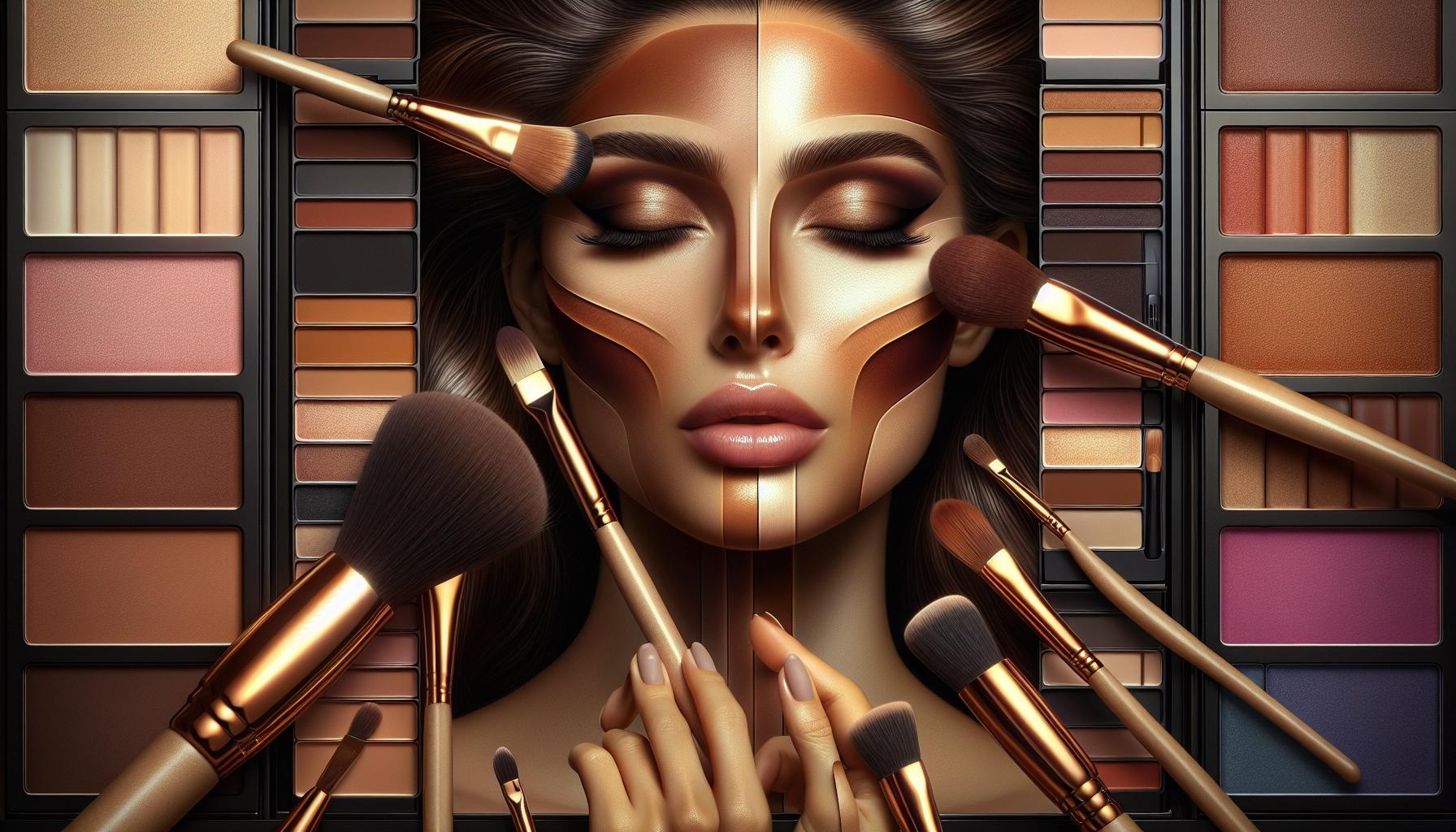
The world of makeup has flourished, bringing with it innovative techniques that cater to diverse beauty needs. Among these, contouring stands out as a transformative method that allows individuals to sculpt their facial features, creating compelling contrasts between light and shadow. This technique can serve to define your cheekbones, soften your jawline, or even give your nose a more slender appearance. Both novices and seasoned makeup enthusiasts alike are drawn to its ability to enhance their natural beauty and create a polished look.
Understanding the Essentials of Contouring
To successfully navigate the art of contouring, it is essential to grasp several key elements that play a significant role in the outcome of your makeup application.
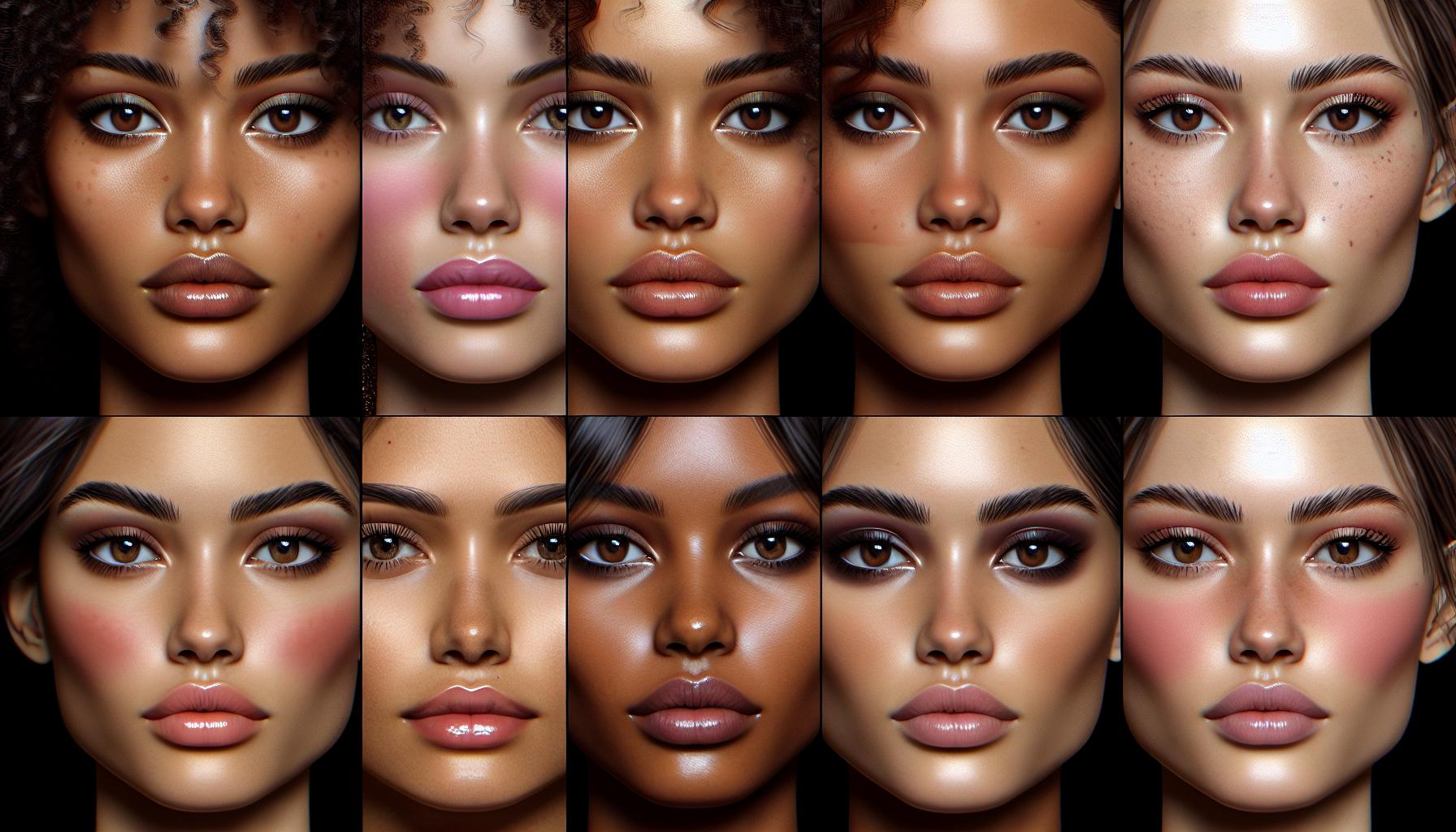
- Shades: Selecting the right shades according to your skin tone is crucial. Contour shades are typically a few shades darker than your complexion, while highlighters are usually a shade or two lighter. For instance, if you have a warm undertone, look for taupe or olive shades for contouring, while cooler tones may benefit from a more neutral, ashy hue.
- Tools: The choice of tools can greatly impact the blending and overall finish of your makeup. While conventional brushes remain popular, using a damp sponge offers a seamless blend that looks natural. Even your fingertips can be effective for applying cream formulas, allowing for more control over application.
- Techniques: There are different methods to apply contour, including using creams, powders, or liquids. Creams provide a more dramatic effect and are ideal for layering, while powders offer a softer finish that can be built up gradually, making them perfect for day-to-day wear.
Learning Through Today’s Platforms
With the rise of social media platforms such as Instagram and TikTok, the beauty community has exploded with resources and tutorials. Influencers utilize these platforms to share innovative contouring techniques, ranging from the classic French-inspired look to the more avant-garde styles mimicked by celebrities. This accessibility allows anyone with a smartphone to dive into the art of contouring, regardless of their skill level. For example, a quick TikTok search for “contour hacks” can lead you to a myriad of video tutorials outlining everything from beginner basics to expert-level techniques.
Unlocking Your Confidence Through Contouring
As you immerse yourself in the world of contouring, you open the door to myriad possibilities for personal expression and self-enhancement. Mastering this art form not only shapes your face but also elevates your confidence as you experiment with different looks and styles. Whether you’re gearing up for a night out or want to enhance your everyday appearance, contouring offers a way to tailor your look to suit your personality and occasion.
Join us on this exciting journey to discover the secrets behind effective contouring. As you refine your skills, you’ll find that contouring is not merely about makeup—it’s an empowering practice that celebrates your unique features and invites you to express your individuality.
DISCOVER MORE: Click here to learn how your diet can enhance your skin
Mastering the Techniques of Contouring
In the quest for a sculpted visage, understanding the various techniques of contouring is paramount. While the general concept of contouring revolves around creating the illusion of depth and dimension, the execution can vary significantly depending on the products used and your unique facial structure. Below are some fundamental techniques that serve as a gateway to expertly enhancing your features.
Different Contouring Techniques to Consider
The methods of contouring can be broken down into several key techniques—each suited for different looks and occasions. Here are a few popular ones:
- Classic Contouring: This traditional approach involves using a darker shade to carve out the cheekbones, jawline, and nose. The goal is to create strong contrasts. Typically, cream formulations deliver the best results, allowing for easy layering and building.
- Reverse Contouring: A modern twist, this technique uses highlighter to define the same areas emphasized in classic contouring. By applying lighter shades to the cheeks, nose, and forehead, you enhance the areas where light naturally hits, creating an ethereal glow.
- Soft Contouring: Ideal for everyday wear, soft contouring utilizes translucent powders with a light hand to create a more natural look. This method is all about subtlety, offering a hint of definition without the drama.
- Strobing: While not traditional contouring per se, strobing emphasizes highlighter application to create a luminous complexion. This technique focuses on radiance rather than shadow and is perfect for those who desire a fresh, dewy look.
The Importance of Blending
Regardless of the technique chosen, blending is your best friend when it comes to contouring. Harsh lines can distract from the overall look, making the makeup appear artificial. Using the right tools—whether it’s a brush, sponge, or even your fingers—can dramatically change the outcome. For instance, a damp beauty sponge can provide an airbrushed finish, seamlessly merging the contour with the rest of your makeup.
Recognizing Your Face Shape
A vital aspect of successful contouring lies in understanding your face shape. Different face shapes—oval, round, square, heart, and diamond—require adjusted techniques to ensure that the contouring enhances, rather than overwhelms, your features. For example, individuals with a round face may want to focus on elongating their appearance through contouring techniques that narrow the sides of their face. In contrast, those with a square face might benefit from adding softness through rounded contours at the jawline.
By familiarizing yourself with the recommended techniques and tools, you set the stage for a flawless contouring application that accentuates your unique beauty. As you dive deeper into the world of contouring, refining your skills becomes a liberating experience—one that celebrates your individuality and empowers your self-expression.
| Technique | Description |
|---|---|
| Highlighting | This technique emphasizes your best facial features by applying a lighter shade to areas you want to stand out, such as the cheekbones and brow bones. |
| Shadowing | Using a darker shade helps to create depth and define the face’s structure, making the jawline and nose appear sharper. |
| Blending | The secret to a flawless contour is in the blending. Seamlessly mixing shades can dramatically enhance your features without harsh lines. |
| Setting | Using a setting powder or spray ensures your contouring makeup lasts all day, keeping your sculpted look intact. |
Exploring these techniques can lead to a transformative experience in how you approach your makeup routine. Understanding where and how to apply these contours and highlights not only enhances beauty but also boosts confidence. Embrace the art of contouring and sculpt your face to reflect the vibrant personality that lies beneath! Each method mentioned is a stepping stone toward mastering a polished, sophisticated look that captivates. There’s a world of specifications and tips that can further guide you on this journey, making your makeup artistry experience enriching and enjoyable.
DIVE DEEPER: Click here to discover the latest trends
Expanding Your Contouring Arsenal
Once you have a grip on the foundational techniques of contouring, it’s time to explore some advanced methods and product choices that can elevate your look even further. Understanding the nuances of various formulations and tools can make a significant difference in achieving those desired sculpted results.
Choosing the Right Products
The selection of contouring products can often dictate the success of your technique. Contouring products typically come in two forms: cream and powder. Cream contours are ideal for those with dry skin because they offer moisturizing properties and blend seamlessly into the skin. These are particularly advantageous for achieving a dewy, natural finish. On the other hand, powder contours work best for oily skin types, as they provide a matte finish and greater longevity throughout the day.
Additionally, consider the shades you choose. A contour shade should typically be one to two shades darker than your natural skin tone while a highlighter should be one to two shades lighter. If you’re unsure what works for you, swatch products to see which blends well with your complexion. Remember, the ultimate goal is to create shadows and highlights that mimic your natural bone structure.
Tools of the Trade
Alongside products, using the right tools can drastically improve your contouring game. While brushes are standard, a fan brush can be particularly effective for applying highlighter delicately along the cheekbones and brow bone. Alternatively, an angled brush helps achieve precision while contouring the nose and jawline, allowing for better control over where the product is applied.
For those who prefer a more blended look, a blending sponge is invaluable. Its unique shape allows for easy blending of contour and highlight, providing a seamless transition between highlighted and shadowed areas. Investing in quality tools will not only make contouring easier but will ensure a more polished final result.
Contouring for Special Occasions
Different occasions call for varying levels of contour. For everyday looks, less is often more; soft contouring methods are best for achieving a naturally refreshed appearance. However, for events—whether it’s a wedding, a night out, or a photoshoot—more dramatic contouring may be necessary. In these situations, layering product becomes crucial. Start with a cream base for your contour to create depth and follow up with powder to set, adding intensity where needed.
Moreover, when you know you’ll be photographed, make sure to use products specifically labeled for high definition or photogenic applications. These formulations help avoid the dreaded flashback that can occur with certain powders, so your sculpted look appears flawless both in person and on camera.
Cultural Insights and Historical Context
Contouring is not a modern invention; its roots can be traced back to ancient civilizations. The Egyptians used kohl and oils to enhance their features, while theatrical actors in the 19th century utilized makeup techniques that share similarities with today’s contouring. As the beauty industry evolves, cultural influences continue to shape how contouring is approached globally. Understanding these influences can enrich your own application style, positioning your artistry within a broader historical framework.
As you navigate the complex yet rewarding world of contouring, remain open to exploration and experimentation. With the right techniques, products, and tools, you can sculpt your face like an artist shaping their masterpiece, allowing your inherent beauty to shine through.
DON’T MISS: Click here to learn how to protect your skin year-round
Conclusion: Mastering the Art of Contouring
In the captivating world of makeup, contouring stands out as a transformative technique that allows individuals to enhance their natural beauty by sculpting and defining facial features. As more beauty influencers and celebrities showcase their contouring prowess on social media, individuals are increasingly exploring the art of applying shadows and highlights to their faces, cultivating a look that feels uniquely their own. Whether it’s creating chiseled cheekbones, a defined jawline, or a more prominent nose bridge, the possibilities are as vast as the creativity of those who wield a makeup brush.
Understanding the fundamentals of this technique is essential. There are various products available, including creams and powders, each offering different finishes and levels of intensity. For a subtle daytime look, lightweight cream contours blended with a damp sponge can create a soft effect. In contrast, powders may be more suitable for evening events, allowing for a bolder, more defined appearance. You might even consider experimenting with different shades; a cool-toned contour can mimic natural shadows, while warmer tones can add a sun-kissed glow.
The tools you choose, such as effective brushes and sponges, play a crucial role in achieving your desired look. A tapered brush can be used for precise application along the cheekbones, while a larger, fluffier brush can help blend the product seamlessly into the skin. Continued practice and experimentation with layering products will elevate your technique, ensuring that you not only look good in person but also shine brightly in photographs. Key moments like weddings, proms, or milestone celebrations are perfect opportunities to employ these skills, enhancing your features for stunning visual impact.
Diving deeper into the rich historical context of contouring can also enhance your appreciation of the craft. This technique dates back centuries, with roots in ancient Egyptian practices, where both men and women used makeup to enhance their features for aesthetic and artistic purposes. Over time, contouring has evolved through various cultures and eras, adapting to changing beauty standards and technological advancements in cosmetics. Recognizing this rich heritage adds layers of meaning to your makeup routine, allowing you to connect with a broader community of beauty enthusiasts.
Ultimately, contouring is more than just a makeup technique; it is a form of artistry that celebrates individuality. With each brushstroke, you sculpt your face with confidence and flair, crafting an identity that resonates with your personal style. So gather your tools, explore different looks—from high-fashion runway styles to everyday natural releases—and most importantly, have fun expressing yourself through the exquisite art of contouring!