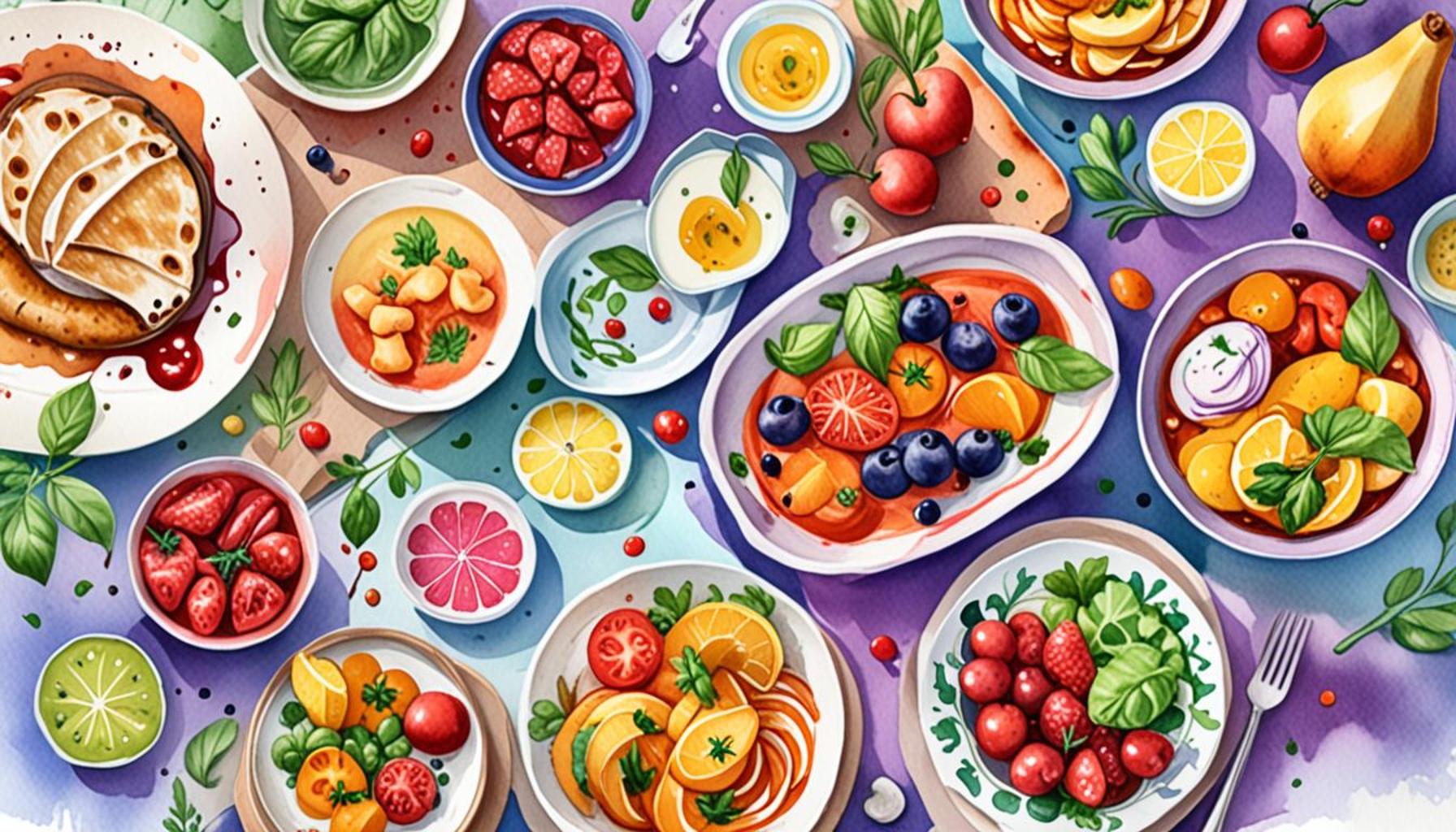
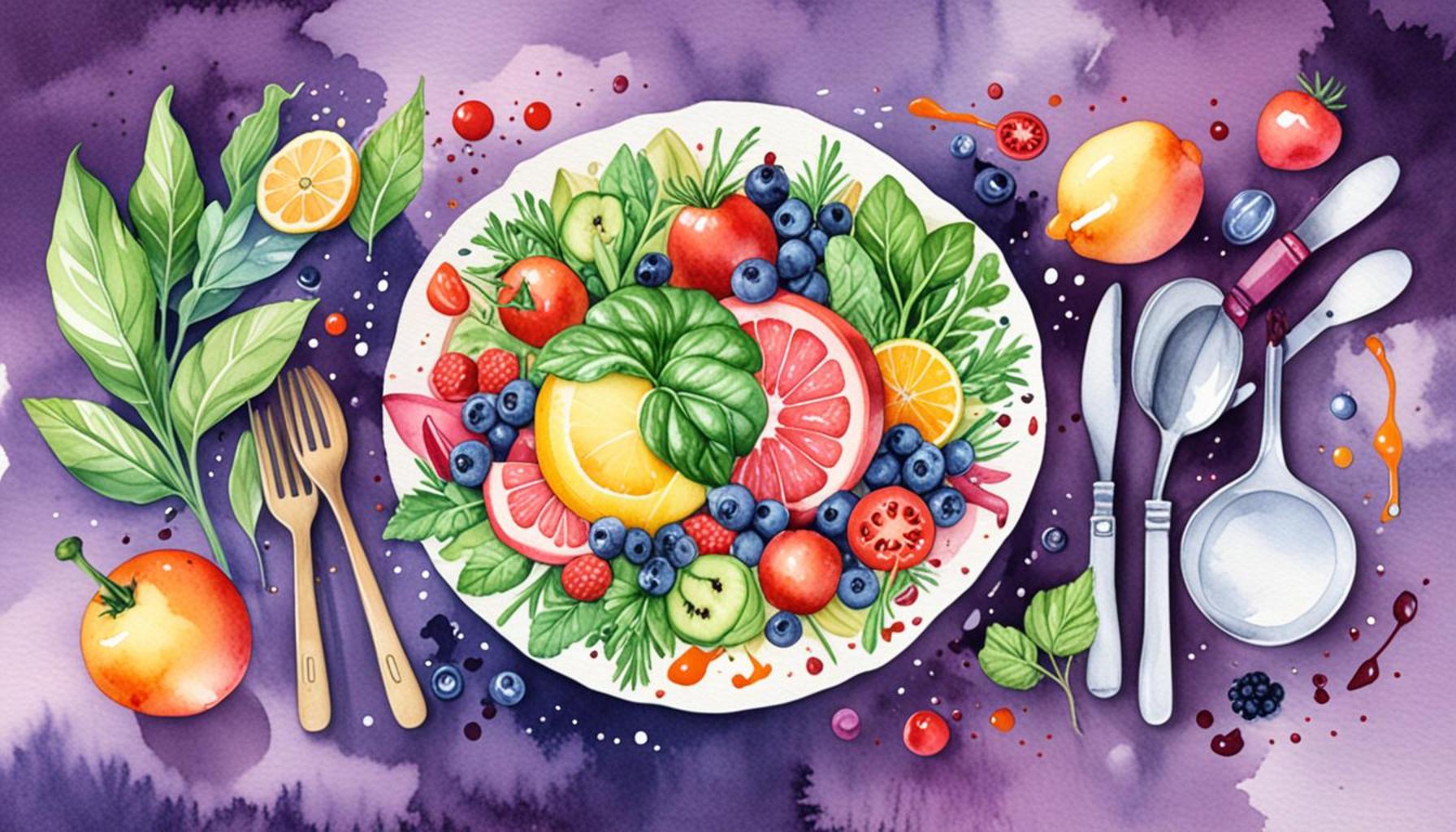
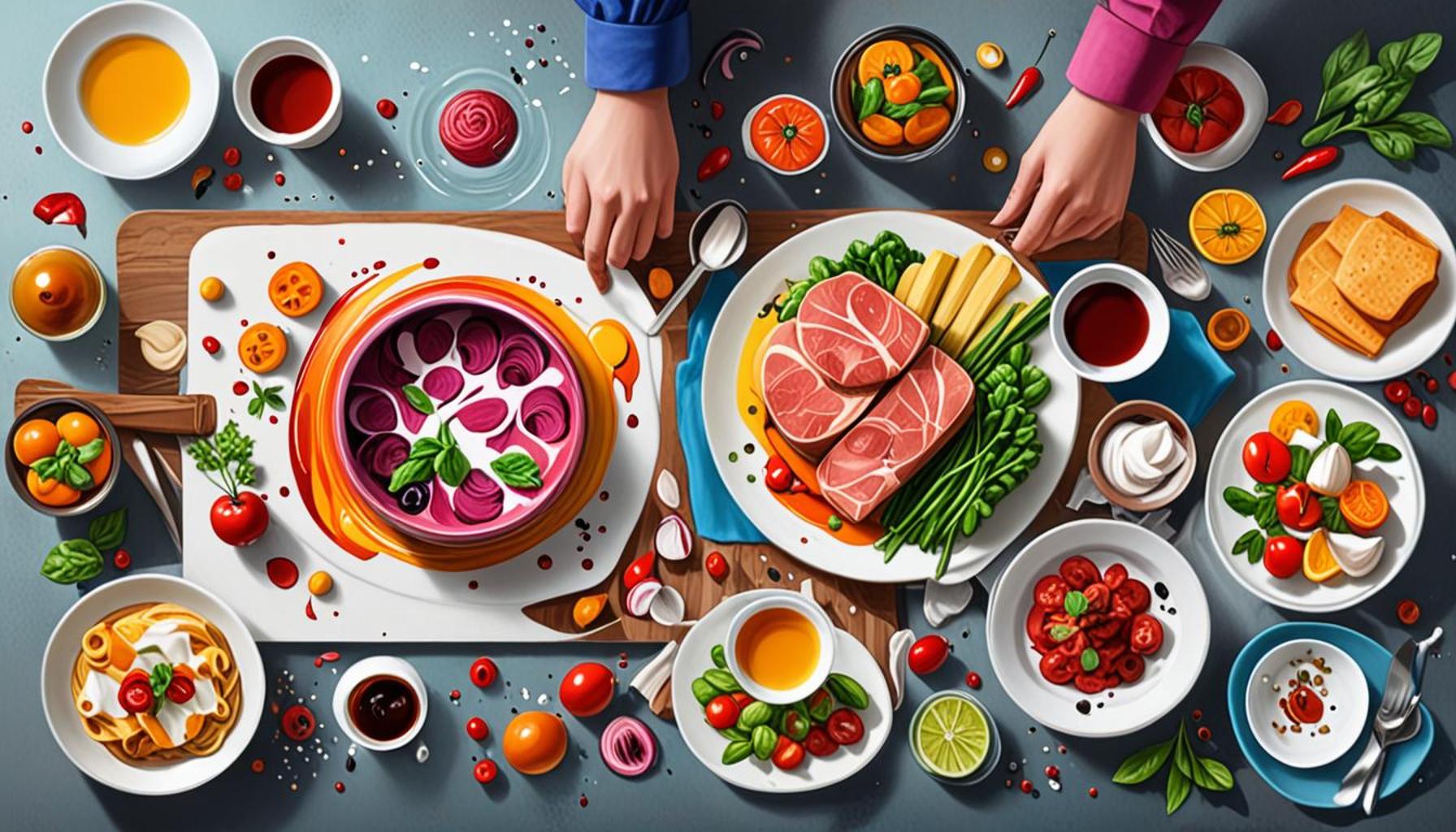
The Art of Presentation: How Plating Enhances the Dining Experience
The Importance of Food Presentation
When we think about dining, the flavors and aromas of a dish often take center stage. However, equally important is how food is presented. The visual appeal can set the stage for an unforgettable meal and create lasting memories that linger long after the last bite.
Consider this: the way food is plated can influence our perception of taste, portion size, and even hunger. Numerous studies suggest that visually appealing food can amplify the dining experience, as it activates our senses even before we take a bite. Here are some key factors that demonstrate the importance of plating:
- Color Contrast: Utilizing a variety of colors can make a dish more appealing and engaging. For instance, a vibrant salad bursting with greens, reds, and yellows not only looks stunning but also can indicate a range of flavors and nutrients, enticing diners to dig in.
- Plate Selection: The shape and size of the plate can enhance or diminish the overall presentation. A large, white plate allows colorful dishes to pop, while a smaller plate might focus attention on the food’s intricate details, like a beautifully garnished entrée.
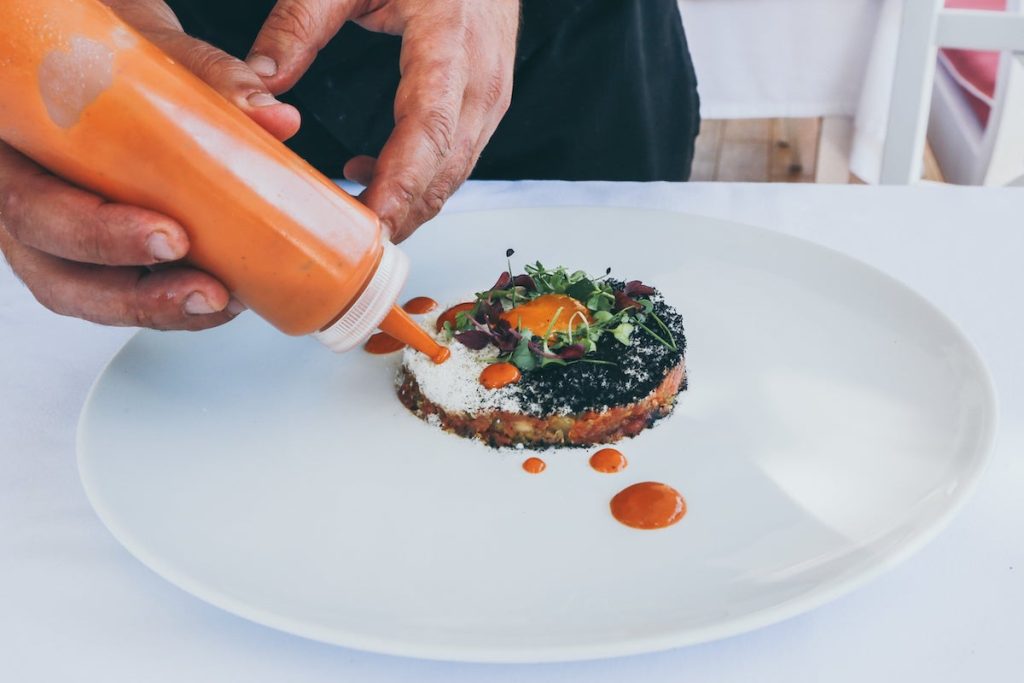
- Garnishing: Adding decorative elements can intrigue diners and invite them to explore the flavors. A sprinkle of fresh herbs or a drizzle of sauce can transform a simple dish into a gourmet experience, creating visual interest and enhancing flavor profiles.
Restaurants and chefs have long appreciated that beauty is more than skin deep. In fact, research indicates that beautifully presented dishes can elevate dining experiences by:
- Enhancing appetite: Visually striking meals can make diners eager to indulge. Futuristic concepts like molecular gastronomy exemplify this, where chefs create dishes that challenge expectations not just in taste but also in visual artistry.
- Creating shareable moments: Instagram-friendly presentations encourage sharing and discussion. Dishes like the colorful “rainbow poke bowl” or artful desserts have become sensations on social media, further amplifying their allure.
- Fostering emotional connections: A well-plated dish can evoke emotions, making meals more memorable. A family recipe served on a cherished plate can transport diners to a different time and place, creating a deeply emotional experience.
As we delve deeper into the art of presentation, we will discover the techniques and philosophies behind how plating enhances the dining experience. From the use of negative space to the fine balance of textures, every element plays a crucial role in making a dish not just a meal but a canvas of culinary art. Join us as we explore the intersection of art and gastronomy, unveiling the secrets of delectable dishes served in dazzling ways. Whether you’re a home cook or a restaurant aficionado, enhancing your plating technique might just revolutionize the way you enjoy food.
DISCOVER MORE: Click here to dive deeper
Techniques in Plating: From Simplicity to Complexity
The art of plating is a skill that transcends culinary education, blending creativity with technical expertise. Chefs the world over have mastered various plating techniques, each contributing to the overall dining experience in unique ways. From minimalist aesthetics that showcase the dish’s primary ingredients to elaborate arrangements that dazzle the eye, how food is plated can captivate a diner’s attention from the moment it arrives at the table.
One fundamental technique used in plating is the rule of thirds. This principle, borrowed from photography and painting, involves dividing the plate into three sections—using visual focal points to guide the eye across the plate. Dishes plated using this guideline often invite the diner to explore, appreciating each component as part of a harmonious whole. By strategically placing proteins, sides, and sauces in these sections, chefs can create a balance that feels instinctively pleasing.
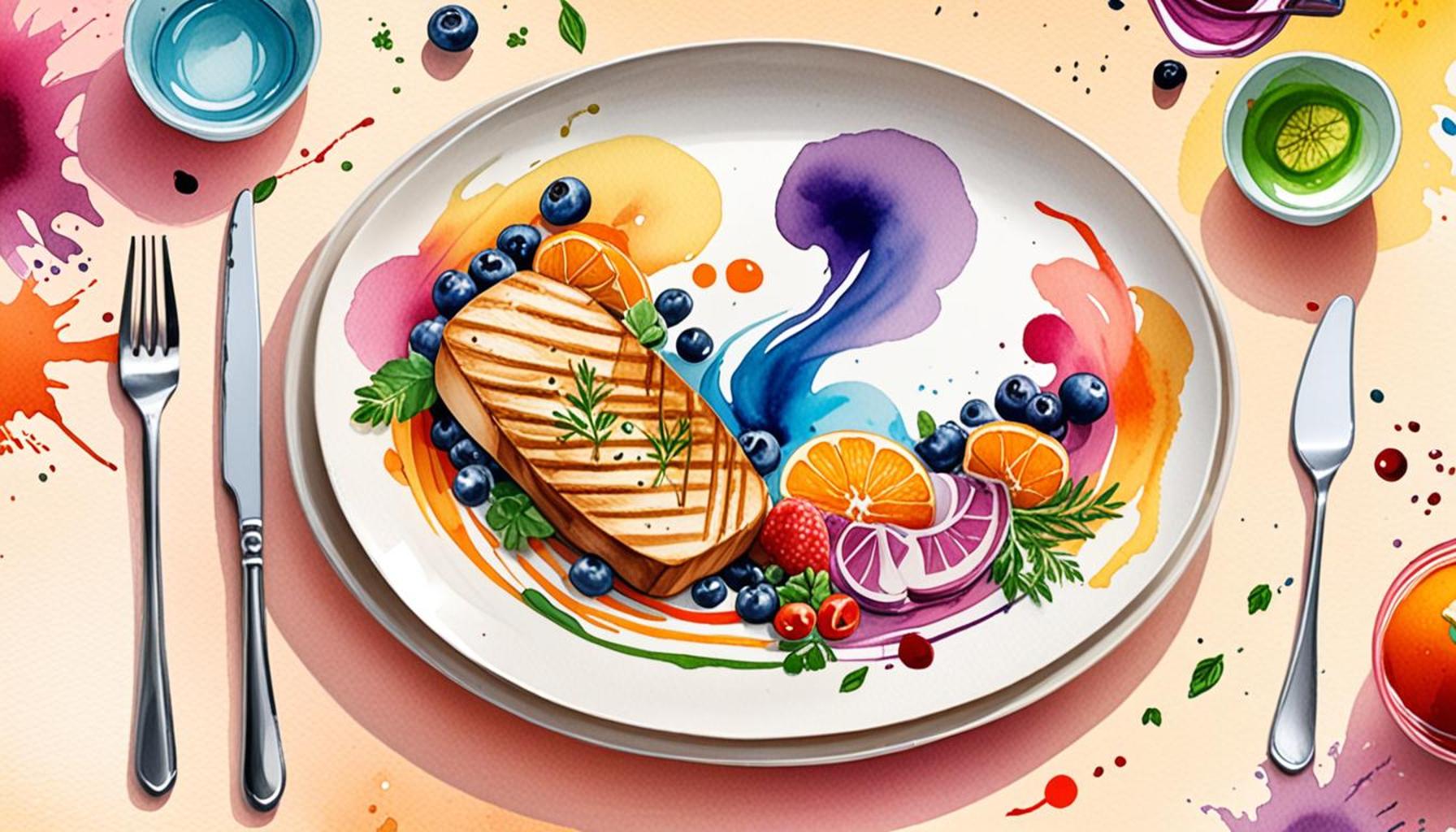
In contrast to the rule of thirds, some chefs embrace negative space to enhance the presentation of a dish. The usage of empty plate space surrounding the food creates a striking visual impact—highlighting the beauty and intricacies of the dish itself. This approach encourages diners to focus on the textures and colors of the food, drawing attention to its artistry. For instance, a single piece of artfully seared fish placed atop a sea of vibrant pesto can evoke a sense of sophistication and elegance.
A critical component of successful plating is also the texture contrast. By combining various textures, such as crispy, creamy, and soft, chefs can create a multi-sensory experience that elevates enjoyment with each bite. Think of a dish that features a buttery mashed potato paired with seared scallops and topped with a crunchy herb crumble; the interplay of textures not only enhances flavor but also entices diners visually.
Another important aspect involves the layering and stacking of ingredients. This technique not only saves plate space but also adds height and dimension to the presentation. Creating height with layers can enhance visual drama and draw attention to the dish in a way that flat arrangements cannot. For example, a meticulously crafted burger can benefit tremendously from vertical stacking, encouraging diners to engage with the dish as they take their first bite.
As we dissect these techniques, it becomes evident that plating is much more than mere decoration—it’s a form of communication between the chef and the diner. Each method serves as a storytelling tool, allowing the elements of taste, texture, and aroma to come together in an engaging and intriguing manner. Through techniques like the rule of thirds, negative space, texture contrast, and layering, chefs can craft experiences that resonate well beyond the meal itself.
The Art of Presentation: How Plating Enhances the Dining Experience
Plating is more than just arranging food on a plate; it’s a vital component of the dining experience that can transform a meal into an artful expression. The way a dish is presented significantly impacts the diner’s perception, influencing their expectation and enjoyment. Each plate of food tells a story, awakening the senses and stimulating curiosity. Research has shown that appealing plating can enhance the flavor of the dish, making it taste better. A well-executed presentation captures the attention of the diner, elevating the overall experience. Chefs take into account color contrasts, textures, and shapes, using elements like height and symmetry to create visually stunning works of art.For instance, the vibrant colors of fresh vegetables or delicately arranged garnishes can draw the eye and increase appetite. Furthermore, thoughtful plating techniques can also encourage diners to savor their meal, promoting a slower, more mindful dining experience.In addition to aesthetics, plating can also enhance the concept of portion control. By using various sizes and shapes of plates, chefs can manage perceptions of quantity and quality, subtly guiding diners towards a more satisfying and fulfilling meal.To explore the deeper impact of plating on dining, consider how cultural contexts influence presentation styles worldwide. From minimalist Japanese aesthetics to elaborate French cuisine displays, each culture has its unique approach that tells a story and enhances the dining ritual.Thus, mastering the artistry of plating not only enhances the visual appeal but also plays a critical role in the overall culinary experience, sparking interest in the relationship between food, art, and culture.
| Category 1 | Category 2 |
|---|---|
| Visual Appeal | Dishes served beautifully entice diners, enhancing anticipation and excitement. |
| Flavor Perception | Attractive plating often elevates the perceived taste of food, making the experience more memorable. |
DIVE DEEPER: Click here to find out more
The Psychology of Plating: Enhancing Perception and Satisfaction
Beyond the visual appeal, the art of plating significantly impacts the psychological experience of dining. Studies have shown that people eat with their eyes first; thus, the presentation of food can influence their expectation of taste and enjoyment. In fact, a 2011 study published in the journal Food Quality and Preference revealed that participants rated the same dish as more enjoyable when it was presented artfully compared to a disorganized arrangement. This indicates that aesthetics do not merely enhance the dining experience; they play a crucial role in shaping one’s perception of flavor.
Additionally, the colors used in plating can evoke emotions and enhance allure. The psychology of color suggests that different hues can elicit various feelings, impacting how diners perceive the meal. For instance, vibrant reds are often associated with excitement and stimulation, while greens can suggest freshness and health. Chefs can utilize this knowledge to create dishes that not only satisfy hunger but also stir emotions. A salad adorned with bright, colorful veggies not only looks appealing but may also suggest health and vitality, aligning with contemporary dining trends focused on wellness.
Texture and consistency play significant roles in creating a memorable dining experience. The ‘mouthfeel’ of a dish is heavily influenced by how it is arranged on the plate. Chefs often incorporate multiple cooking methods to create diverse textures that surprise and engage diners. For example, think of a dessert that marries a silky chocolate mousse with a crunchy layer of caramelized nuts. Each element, when plated thoughtfully, can enhance both taste and texture, leading to greater overall satisfaction.
Seasonality and environment influence plating styles too. In the United States, for instance, farm-to-table movements have significantly impacted how chefs present dishes. Using locally sourced, seasonal ingredients allows chefs to create plates that are visually appealing while reinforcing a commitment to sustainability. This can be reflected in the presentation—incorporating herbs or edible flowers that are locally sourced not only beautifies the dish but tells a story about its origins, further enhancing the diner’s experience.
Moreover, the cultural context plays an important role in plating practices. Different cuisines utilize unique presentations that reflect their culinary traditions. The intricate arrangements seen in Japanese kaiseki meals, for example, showcase harmony and balance, whereas Italian family-style servings emphasize abundance and sharing. Recognizing these differences can enhance the dining experience by adding a level of respect and appreciation for the cultural significance of a dish.
Lastly, the dining ambiance influences how plating affects the experience. Restaurants that invest in engaging atmospheres—complete with decor and lighting that complement the food—can elevate the presentation, leading to a more immersive experience. The plate becomes just one element of a larger theatrical performance, wherein each detail contributes to memory and satisfaction. As diners savor their meals in well-appointed environments, the artistry of plating becomes part of a holistic experience that tantalizes the senses and fosters lasting impressions.
DIVE DEEPER: Click here to discover the beauty of simplicity in dishes
Conclusion: The Transformative Power of Plating
The art of presentation transcends mere aesthetics; it is an integral component in shaping the entire dining experience. From the moment a dish is carefully arranged on the plate, to the emotional responses elicited by vibrant colors and diverse textures, plating plays a pivotal role in influencing how we perceive and enjoy our food. The psychological connection between visual appeal and taste is undeniable, as studies have shown that an artfully presented dish often elicits a more satisfying culinary experience.
Furthermore, the integration of seasonal ingredients and local sourcing not only enhances the visual allure of a plate but also tells a compelling story of sustainability and connection to one’s surroundings. As diners become more discerning, restaurants that embrace the philosophy of plating can elevate their offerings and foster deeper connections with patrons. By understanding the cultural significance and visual language of plating, chefs can create memorable experiences that resonate long after the last bite.
As we navigate an ever-evolving culinary landscape, it’s essential to recognize the transformative power of plating. The act of dining is not just about nourishing the body; it is also about indulging the senses and engaging with the artistry of the plate. By appreciating the nuances of how food is presented, diners can cultivate a broader understanding and enjoyment of cuisine, leading to an enhanced appreciation of culinary traditions and innovations alike. In a world where everything is fought for attention, an exquisitely plated dish serves as an invitation to pause, reflect, and savor every moment of the dining experience.