The Art of Presentation: Transforming Dishes into Works of Art
Understanding the Significance of Food Presentation
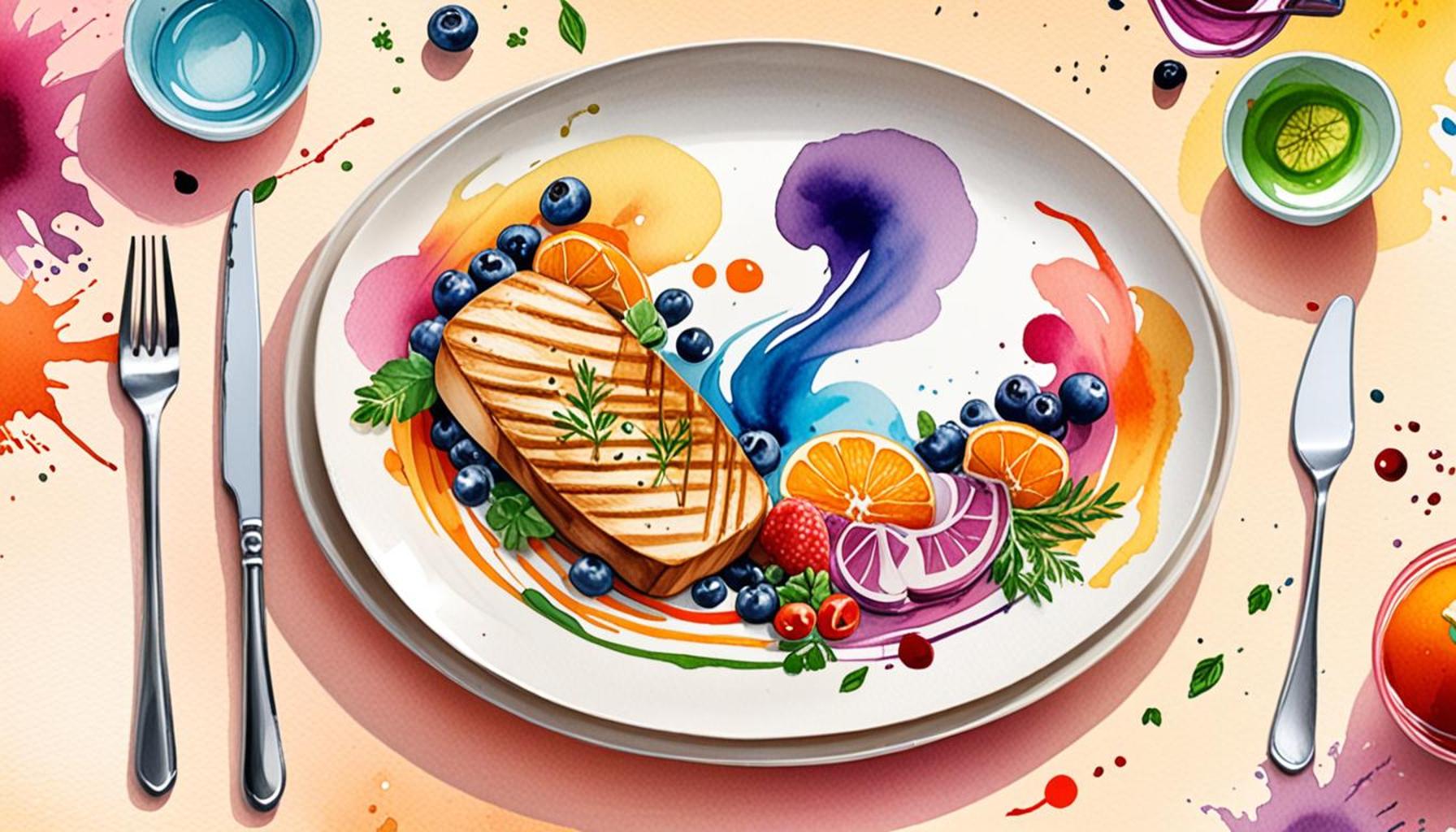
In the realm of gastronomy, presentation serves as a powerful catalyst, transforming an ordinary meal into an extraordinary experience. This evolution in culinary presentation has been significantly influenced by the visual-centric culture fostered by social media platforms. People are not just sharing what they eat; they are showcasing how it looks on the plate. With this shift, both amateur cooks and seasoned chefs have begun to recognize that the aesthetics of food can enhance flavor perception and overall enjoyment.
The Impact of Color in Food Presentation
Color plays a pivotal role in igniting one’s appetite and making a dish visually compelling. Brightly colored ingredients, such as red peppers, green herbs, and vibrant fruits, can create a feast for the eyes. For example, a salad featuring deep purple beets, fresh green arugula, and creamy white goat cheese not only looks appealing but also suggests a complex layering of flavors. Research indicates that colors can influence taste perceptions; for instance, people often associate the color red with sweetness, making it an effective choice for desserts.
Texture: A Multi-Dimensional Experience
The interplay of texture adds depth to a dish, engaging the diner’s senses beyond the visual. A well-plated dish may combine crispy, creamy, and chewy elements, offering a delightful sensory journey. Imagine a savory chicken dish served with a crunchy, herb-mixed breadcrumb topping, paired with a smooth, rich garlic mashed potato. This blend not only elevates the overall taste but also makes the plate visually intriguing, capturing attention and enhancing the dining experience.
Creative Arrangements that Capture Attention
The arrangement of food on the plate is another crucial aspect of culinary presentation. Chefs often employ design principles, such as balance and symmetry, to direct the eye and create visual interest. For example, the modern trend of “deconstruction” plays with traditional presentations; ingredients may be showcased separately yet harmoniously on the plate to allow diners to compose their bites. Similarly, a dish that features spirals of sauces or towering stacks of ingredients can evoke a sense of play and exploration.
A Story Told Through Culinary Art
A beautifully presented plate does more than please the eye; it tells a story. Each element can embody memories, emotions, or cultural narratives. Chefs frequently draw from diverse influences, including artistic movements and personal experiences. The minimalist approach seen in modernist cuisine can reflect simplicity and elegance, while classical French plating evokes harmony and tradition. On the other end of the spectrum, playful presentations that mimic childhood favorites, such as whimsical desserts shaped like familiar toys, can evoke nostalgia, creating a deeper emotional connection to the meal.
As food presentation continues to evolve, the potential for innovation remains endless. Each dish can become a work of art, encouraging creativity in the kitchen. By exploring new techniques and approaches to plating, diners and cooks alike can elevate their meals, transforming everyday dining into a celebration of flavor, texture, and beauty.
DISCOVER MORE: Click here for DIY party ideas
Key Elements of Effective Food Presentation
To truly master the art of food presentation, one must consider various components that contribute to a dish’s overall aesthetic appeal. By thoughtfully prioritizing these elements, chefs and culinary enthusiasts alike can elevate their creations, transforming humble recipes into memorable dining experiences. Here are some key factors to bear in mind:
Plating Techniques that Make a Difference
The way food is plated can significantly impact its visual appeal. Chefs may choose to utilize different plating techniques to create distinct looks. Some popular methods include:
- Stacking: Piling ingredients on top of each other can create height and dimension, making the plate more dynamic.
- Spreading: Adding a smear of sauce or puree across the plate can provide a creative backdrop that emphasizes the central ingredient.
- Garnishing: Artfully placed microgreens, edible flowers, or citrus zest can add pops of color and freshness that intrigue the eye.
By experimenting with these techniques, cooks can develop their own unique style, ensuring that each dish not only reflects their culinary vision but also engages the diner right from the start.
Serving Ware and Its Role in Presentation
The choice of serving ware is just as crucial as the food itself. Plates, bowls, and platters can significantly enhance or detract from the overall impact of a dish. For instance, using white plates often provides a clean canvas that highlights the vibrant colors of food, while dark plates can create a dramatic contrast, making brighter ingredients pop. Additionally, the size and shape of the serving ware can manipulate perceptions of portion size and appetites. A larger platter, for example, may make a smaller dish appear more generous, creating an inviting atmosphere for diners.
Consistency and Attention to Detail
Consistency in presentation across similar dishes not only provides a professional look but also enhances diners’ expectations. When a dish is prepared consistently, whether it’s your signature pasta or dessert, guests come to recognize and appreciate that visual language. Attention to detail, such as ensuring that each garnish is precisely placed or that drips are wiped away, can turn a well-prepared meal into a stunning visual masterpiece.
Overall, the journey to becoming a proficient food presenter involves both creativity and practice. It is about more than merely making food look good; it is an invitation for diners to engage emotionally and intellectually with their meal. Mastery over these elements can elevate food from substance to art, celebrating the complex flavors and cultural stories behind every dish.
| Advantage | Description |
|---|---|
| Enhanced Appeal | Aesthetic presentation captivates diners, enhancing their overall dining experience. |
| Creative Expression | Elevates cooking to an artistic level, allowing chefs to express emotions and tell stories on the plate. |
The art of presentation transforms ordinary dishes into captivating culinary masterpieces. Elevating plate aesthetics can enhance the appeal of a meal significantly. This not only engages the senses but also enhances the overall experience of dining, encouraging customers to savor not just the flavors but the visual feast as well. Moreover, presentation allows chefs to unleash their creativity, providing a canvas for artistic expression. Each dish can communicate a narrative, reflecting the culinary philosophy of a chef or the essence of the cuisine itself. Such artistic expression can lead to memorable dining experiences, inspiring diners to explore flavors beyond their expectations. The intersection of taste and art creates fascinating opportunities that invite culinary exploration, urging food enthusiasts to delve deeper into the experience of dining.
DISCOVER MORE: Click here to dive deeper
The Importance of Color and Texture in Food Presentation
Beyond just the mechanics of plating and the choice of serving ware, the impact of color and texture in food presentation cannot be overstated. These visual factors play a crucial role in how we perceive flavor and freshness, influencing the overall dining experience. Understanding how to balance colors and integrate textures can truly elevate a dish from ordinary to extraordinary.
Color Theory in Culinary Arts
The psychology of color is a fascinating realm, particularly in culinary arts. Different colors can evoke distinct emotions and stimulate our senses in various ways. For instance, vibrant greens often symbolize health and freshness, while deep reds may convey richness and indulgence. When assembling a plate, chefs should strive for a harmonious balance of colors. A dish featuring a bright yellow sauce, tender green vegetables, and a deeply seared protein can create a visual feast that invites diners to dive right in.
Moreover, contrasting colors can also play a vital role in food presentation. For example, pairing a light-colored dish with dark accents, such as black sesame seeds or truffle oil drizzles, can enhance both visual interest and draw attention to key components of the meal. This not only makes the food appear more appetizing but also prompts a more engaging dining experience.
Texture: Engaging the Senses
Texture contributes significantly to how a dish is perceived visually as well as how it is experienced on the palate. A well-plated dish might include a variety of textures, such as the creaminess of a polenta paired with the crispness of fried shallots and the tenderness of braised meat. When different textures are combined, they create a multi-sensory experience that can enhance satisfaction and anticipation.
Incorporating components that contrast in texture can also heighten the visual appeal of a dish. For instance, adding a crunchy element atop a silky smooth puree not only adds interest but can also invite diners to explore the interplay of flavors with their utensils. Guests are likely to appreciate the artistic care taken when they encounter unexpected textures.
The Role of Seasonal Ingredients in Presentation
Utilizing seasonal ingredients not only enhances flavor but also contributes to a beautifully presented plate. Fresh, in-season produce tends to exhibit vibrant colors and optimal textures, making them visually appealing. For instance, spring’s bright asparagus and berries can add a lively touch to a dish, while autumn ingredients like roasted butternut squash offer warm, inviting hues.
Incorporating seasonal ingredients encourages creativity, as chefs are prompted to think outside the box about how to best showcase produce at its peak. A dish garnished with edible flowers or herbs not only imbues a sense of freshness but also tells a story of that specific season, connecting diners to their meal in a more profound way.
Overall, a comprehensive understanding of the art of presentation involves seamlessly integrating color, texture, and seasonal ingredients. Each component plays a pivotal role in drawing diners in and enhancing their experience. With these elements in mind, culinary artists can convert their dishes into stunning works of art that resonate long after the meal is over.
DISCOVER MORE: Click here to learn about sustainable cooking techniques
Conclusion: Elevating Culinary Experience Through Artful Presentation
In the world of culinary arts, the significance of food presentation transcends mere aesthetics; it acts as a critical bridge between the chef’s intent and the diner’s experience. By mastering the principles of color, texture, and the incorporation of seasonal ingredients, chefs can transform ordinary dishes into extraordinary ones. Each element contributes uniquely to the overall perception of flavor and enjoyment, creating a cohesive narrative that engages diners on multiple levels.
As we have explored, color theory plays a pivotal role in enhancing our emotional connection to food, with vibrant hues invigorating the senses and sparking appetites. Similarly, the interplay of textures can lead to delightful surprises on the palate, prompting diners to savor each bite with heightened anticipation. Embracing seasonal ingredients not only respects the rhythm of nature but also brings authenticity and freshness to the table, allowing chefs to showcase their creativity and dedication to sustainability.
Ultimately, the art of presentation invites us to reconsider the dining experience as a whole. When culinary artistry is embraced, each meal transforms into a moment of connection, culture, and celebration. Looking ahead, those who dive deeper into the nuances of food presentation will not only enhance their culinary skills but also provide memorable experiences that resonate with diners long after the last bite. So whether you are a professional chef or a passionate home cook, remember that every plate has the potential to be a masterpiece waiting to be unveiled.