The Art of Puzzles: How Solving Puzzles Can Relieve Stress
The Therapeutic Aspects of Engaging with Puzzles
In today’s fast-paced world, the pressure to keep up with responsibilities, work commitments, and social obligations can lead to feelings of overwhelm and anxiety. To manage these emotions effectively, many individuals are gravitating toward activities that promote relaxation and mental stimulation. One such activity that is gaining significant attention is the practice of solving puzzles.
Puzzles provide a unique blend of mental challenges and emotional escape, making them an exceptional tool for stress relief. The act of piecing together a jigsaw puzzle or cracking a crossword is not just about finding solutions; it involves a harmonious integration of logic, creativity, and tactile engagement. Engaging in these activities can yield substantial mental health benefits that warrant exploration.
The Cognitive Boost
One of the primary benefits of solving puzzles is cognitive enhancement. Studies have shown that regularly participating in puzzles can improve memory retention and sharpen problem-solving abilities. A 2020 study published by the American Psychological Association noted significant improvements in cognitive function among older adults who engaged in daily puzzle-solving. For instance, working through a Sudoku puzzle stimulates not only the mathematical mind but also enhances logical reasoning and critical thinking skills.
Fostering Mindfulness
Puzzles can also facilitate a form of mindfulness practice. The focused concentration required to work through a puzzle encourages individuals to immerse themselves in the present moment, effectively pushing aside the anxieties of the past and the uncertainties of the future. As each piece falls into place or each clue is deciphered, players often experience a meditative state, which can help reduce stress and increase overall well-being.
Building Social Connections
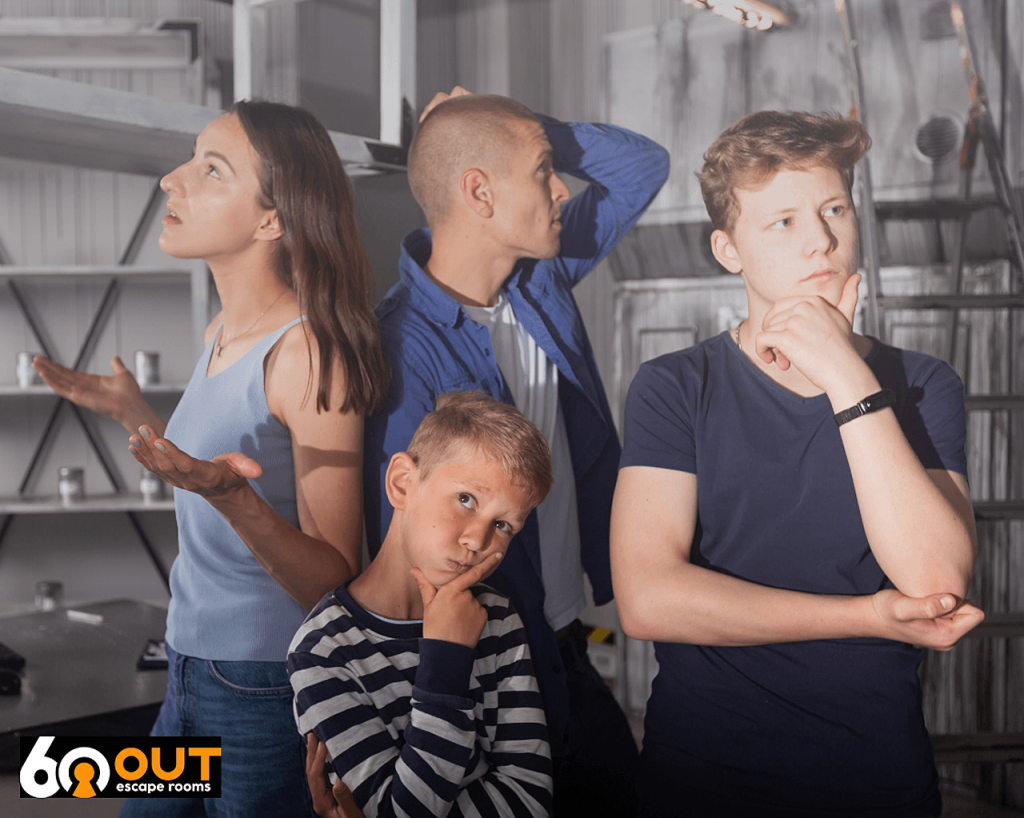
Another advantage of puzzles is their capacity to promote social connections. Many puzzle enthusiasts enjoy collaborating with friends and family to tackle challenges together. Game nights centered around jigsaw puzzles, trivia, or community crossword competitions can strengthen relationships and create shared experiences. For example, public library events often host puzzle tournaments that serve to bring together people of various ages and backgrounds, fostering a sense of camaraderie.
A Sense of Achievement
Completing a puzzle instills a profound sense of achievement that can dramatically boost an individual’s mood. The intricate satisfaction derived from fitting together the last piece of a jigsaw puzzle or successfully completing a complex crossword can enhance feelings of self-efficacy and accomplishment. This rewarding experience prompts the release of dopamine, promoting a positive emotional state. Research has continually linked the completion of challenging tasks to increased happiness, underscoring the importance of setting and achieving personal goals.
In America, the puzzle industry is thriving, with a wide range of options available, from traditional jigsaw puzzles featuring stunning landscapes to intricate 3D puzzles that take on various forms. Whether you’re drawn to the simplicity of a word search or the complexity of a Rubik’s Cube, there is undoubtedly a puzzle type that aligns with your interests and skill level.
The therapeutic benefits of puzzles offer a refreshing perspective on managing stress and enhancing mental well-being. As further research emerges supporting the advantages of puzzle-solving, individuals are encouraged to explore these engaging activities that can transform stress into a fulfilling experience. It’s never too late to reconnect with the joy of puzzles and discover their potential for improving your mental and emotional health.
DISCOVER MORE: Click here to enhance your cognitive skills
Uncovering the Benefits of Puzzle-Solving for Stress Relief
As modern life continuously demands more of our attention and energies, it’s crucial to find effective outlets for stress management. Among various activities available, solving puzzles has emerged as a surprisingly effective and enjoyable method for alleviating the pressures of everyday life. Delving into the art of puzzles not only provides a source of entertainment but offers a wealth of psychological advantages that contribute directly to mindfulness and emotional resilience.
The Science Behind Stress Relief
Several modern psychological theories suggest that engaging in puzzles can significantly decrease levels of cortisol, the stress hormone. When we face challenging yet achievable tasks, such as completing a jigsaw puzzle or filling out a crossword, our brains experience a rewarding sensation that often accompanies accomplishment. This process not only leads to a reduction in stress but also contributes to a more positive outlook on life. Research has indicated that focusing on such tasks can shift our neural pathways, providing a break from negative thought patterns and promoting a sense of tranquility. Moreover, neuroscientific studies have shown that puzzle-solving activates various regions of the brain, enhancing cognitive flexibility and emotional regulation.
Types of Puzzles and their Unique Benefits
The diversity of puzzles available allows individuals to select options that align best with their personal interests, making the experience all the more immersive. Here are some popular types of puzzles and the unique benefits they offer:
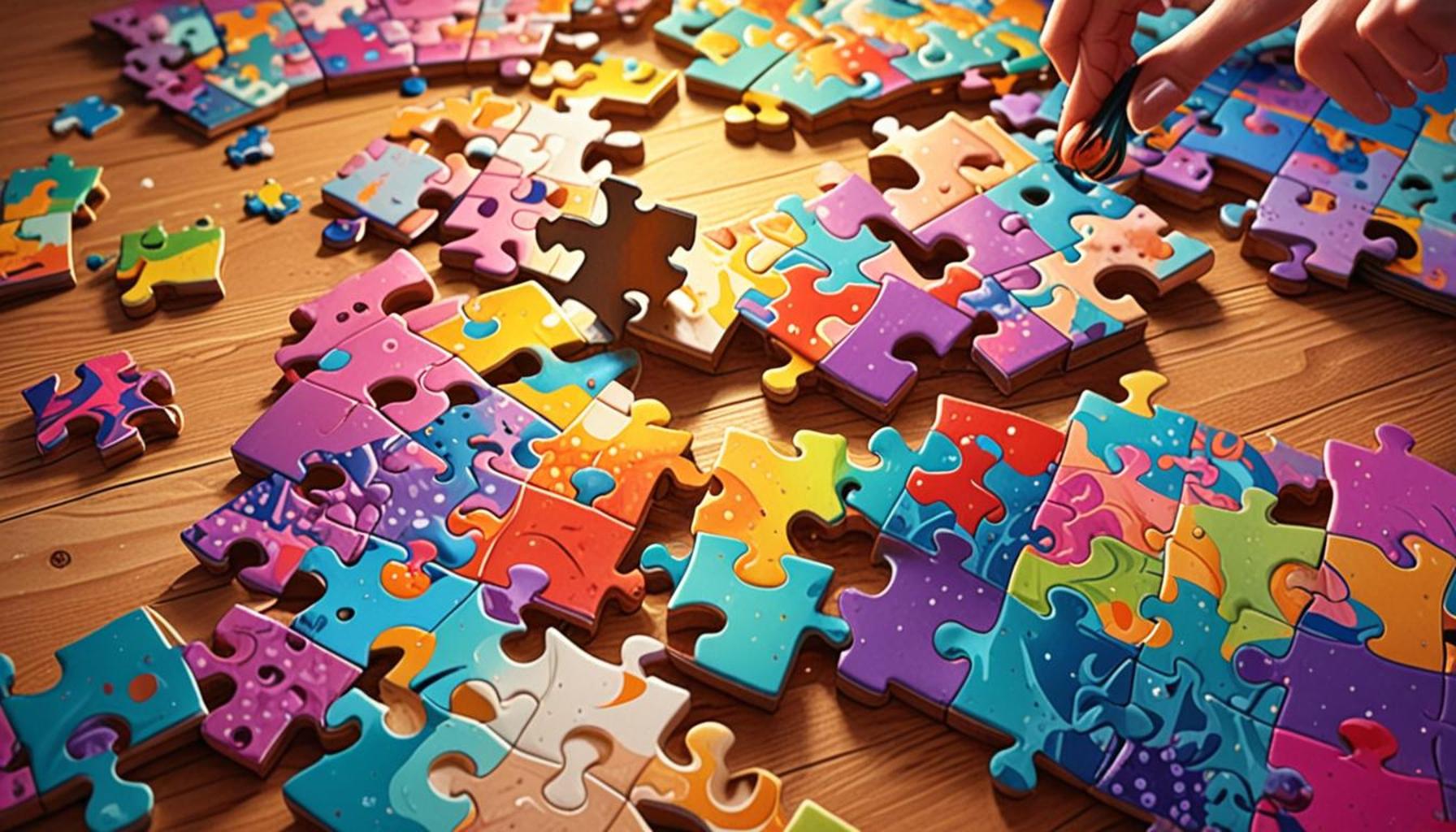
- Jigsaw Puzzles: These popular pastimes not only engage spatial reasoning skills but also encourage both fine motor skills and improved concentration. The tactile nature of placing pieces together can be incredibly soothing.
- Crossword Puzzles: Crossword puzzles challenge vocabulary and knowledge retention, requiring players to access and apply their understanding of various subjects. They are excellent for promoting cognitive agility and memory enhancement.
- Sudoku: Much like crosswords, Sudoku engages logical reasoning while also providing a structured challenge. The task of filling in numbers enhances critical thinking abilities and hand-eye coordination.
- Word Searches: These simpler puzzles provide a quick and straightforward way to reduce stress while still engaging the mind in pattern recognition and visual scanning skills.
No matter your preference, partaking in puzzles fosters an engaging distraction from daily stressors and promotes happiness through achievement. The creation of coherent patterns, rapid progress, and completing a challenge can all function as vital boosts to one’s mental state.
Encouraging Personal Growth
As individuals engage more deeply with puzzles, they often find themselves on a journey of personal growth and development. Not only do puzzles enhance cognitive skills, but they also inspire passion, perseverance, and a sense of community. Through the exploration of shared interests, individuals can connect with fellow puzzle enthusiasts, forming meaningful relationships that further contribute to their emotional well-being. Communities, both online and offline, often share tips, strategies, and encouragement, creating supportive environments for puzzle lovers to thrive.
Overall, the therapeutic aspect of puzzles extends far beyond simple enjoyment. By weaving cognitive challenges with emotional escape, puzzle-solving emerges as a powerful tool to combat stress and foster a deeper sense of connection, both with oneself and with others. As more people discover the multifaceted benefits of puzzle-solving, it is likely that the popularity of this age-old art continues to rise.
| Category | Benefits |
|---|---|
| Cognitive Engagement | Solving puzzles enhances problem-solving skills and boosts creativity by engaging the brain in complex tasks. |
| Stress Reduction | Engaging in puzzle-solving helps lower cortisol levels, promoting relaxation and reducing anxiety. |
| Mood Enhancement | Completing puzzles releases dopamine, which can elevate mood and provide a sense of accomplishment. |
| Mindfulness Practice | Focusing on puzzles encourages a state of mindfulness, helping to ground individuals in the present moment. |
In today’s fast-paced world, puzzle-solving acts as a mental refuge. It captivates your attention and diverts your mind away from daily stresses. Each puzzle lets you cultivate a sense of achievement, where the finishing touch—whether it’s a jigsaw piece or a crossword answer—rewards your effort. Not only do puzzles offer entertainment, but they also unravel layers of cognitive benefits, including enhancing memory and sharpening analytical skills. By consciously engaging in this rewarding activity, you are investing in your mental well-being, paving the way for a healthier mindset. The practice can be as simple as dedicating time each day for a few minutes, and before long, you will find the soothing effects taking hold.
DIVE DEEPER: Click here to uncover more insights
Fostering Mindfulness Through Puzzle Solving
In our fast-paced world, where distractions lurk around every corner, the ability to focus becomes more valuable than ever. Puzzles offer a unique opportunity to cultivate mindfulness—a mental state achieved by being fully present in the moment. Engaging with puzzles requires our undivided attention, naturally guiding us into a flow state where external worries temporarily fade away. Science suggests that flow can result in greater resilience against stress, as it encourages connection with the task at hand and deepens our sense of engagement.
The Meditative Nature of Puzzles
Many puzzle enthusiasts report experiencing a sense of calm while working on puzzles, akin to a meditative practice. The repetitive motions of fitting pieces together in a jigsaw puzzle or scanning for words in a word search encourage a rhythmic focus that quiets the mind. This meditative state can help to lower anxiety levels and promote emotional clarity. According to a study published in the journal Psychology Today, engaging in activities that require concentration, such as puzzles, can confer similar benefits to traditional mindfulness practices like yoga or meditation, leading to stress reduction and improved mental health.
Moreover, the tactile experience associated with physical puzzles enhances sensory awareness, further grounding individuals in the present moment. As individuals manipulate puzzle pieces, they engage in a tactile feedback loop that can unlock therapeutic benefits by decreasing the ‘flight or fight’ response often induced by stressors.
The Social Aspect of Puzzle Solving
In addition to personal benefits, solving puzzles can also be a highly social activity. Many people find joy in collaborating with family or friends on a challenging puzzle, transforming a solitary task into a shared experience. This camaraderie can serve as a vital support system, providing emotional connection in a world that often feels isolating. Group puzzle-solving sessions can be informal gatherings that bring people together, transforming mundane weekends into shared adventures filled with laughter, competition, and camaraderie.
Community-building around puzzles has gained significant traction in recent years, especially with the rise of social media and dedicated puzzle clubs. Online platforms allow enthusiasts to unite, sharing their progress, favorite strategies, and even competing in timed challenges. Engaging with others around puzzles not only enhances relationships but also fosters a sense of belonging, which is crucial for sustaining emotional well-being.
Artistry in Puzzle Crafting
As puzzle-solving continues to gain popularity as a form of stress relief, the artistry involved in creating puzzles has also evolved. Custom puzzles, featuring unique designs, personal photographs, or artwork, have become commonplace. This personalization transforms puzzle-solving into a more intimate experience, allowing individuals to connect with their passions while engaging in a relaxing activity. The crafting of puzzles, from the initial concept to the final product, requires a careful blend of creativity and logic, further highlighting the intricacies involved in this engaging form of art.
Furthermore, local artisans and companies have begun producing eco-friendly puzzles, aligning with growing environmental consciousness among consumers. The beauty of these handcrafted pieces not only enriches the aesthetic experience but also supports ethical practices, deepening the emotional investment in the puzzle-solving journey.
DISCOVER MORE: Click here for insights on cognitive benefits
Embracing the Therapeutic Journey of Puzzle Solving
In conclusion, the art of puzzles transcends mere entertainment; it serves as a powerful tool for stress relief and personal well-being. By fostering mindfulness and encouraging a meditative state, puzzles allow individuals to disconnect from anxiety-inducing distractions and reconnect with the present moment. The tactile experience and repetitive motions involved in puzzle solving become a form of therapy, helping to calm the mind and enhance emotional clarity.
Moreover, the social aspect of puzzle solving cannot be overlooked. Collaborating with friends and family transforms a solitary challenge into a shared experience, cultivating bonds that serve as a vital support system. In a time when isolation can often exacerbate stress, building community through puzzles enriches our lives and connects us in meaningful ways.
Finally, the artistry of puzzles, especially personalized and eco-friendly designs, infuses this pastime with creativity and sustainability, further elevating its value. As consumers become increasingly conscious about their choices, engaging with puzzles becomes not just a hobby but a lifestyle choice that embodies both fun and responsibility.
As we navigate the complexities of modern life, embracing the world of puzzles offers profound benefits—one piece at a time. Whether you are a seasoned enthusiast or a casual dabbler, consider incorporating puzzles into your routine. They might just unlock not only the door to relaxation but also a deeper understanding of the self.