The Best Materials for Beginners in Crafts: Tips and Recommendations
Diving into the world of crafts can be both exciting and overwhelming. With countless options available, knowing where to start is crucial for beginners. Choosing the right materials can make a significant difference in the enjoyment and success of your crafting journey.
Key Material Categories
For any craft enthusiast, understanding material categories is the first step toward creating beautiful projects. Each category provides unique possibilities for creativity. Here are some essential categories of materials that every beginner should consider:
- Paper Crafts: This segment includes various types of paper like cardstock, which is sturdy and perfect for card making, and scrapbook paper, which features attractive patterns for embellishing albums. Specialty papers, such as metallic or textured varieties, can add an extra flair to your projects.
- Fabric Crafts: Fabric choices can significantly affect the outcome of your sewing projects. Natural fibers like cotton are versatile and easy to work with, while felt offers a user-friendly option for those new to sewing. Denim can be used for more durable items, perfect for bags or home décor.
- Painting Supplies: Acrylic paints are popular among beginners due to their vibrant colors and quick-drying properties, making them ideal for canvas painting. Watercolors offer a softer, more fluid approach, suitable for less detailed work and learning techniques. A basic brush set is essential for any painting project, with various sizes to match your creative needs.
- Modeling and Adhesives: Clay sets, such as polymer clay, allow for easy sculpting and can be baked to harden. Additionally, reliable adhesives like tacky glue or hot glue guns are crucial for assembling your creations efficiently.
Tips for Selecting Materials
When embarking on your crafting journey, selecting the right materials is key to crafting success. Here are some tips to consider when shopping for supplies:
- Cost-effectiveness: Look for starter packs that bundle essential supplies at a lower price point. Craft stores often have sales or clearance sections where you can find quality materials without breaking the bank.
- Ease of Use: Some materials are more beginner-friendly than others. For example, using pre-cut fabric pieces or self-adhesive embellishments can streamline the process and make crafting less intimidating.
- Availability: Consider shopping at local craft stores where staff can provide tailored advice and assistance. Online retailers also offer a vast selection but make sure to read reviews and check for reliable brands before making a purchase.
Understanding these foundational materials and their specific traits will provide a strong foundation for your crafting adventures. By making informed choices, you can not only enhance your skills but also enrich your overall crafting experience. So gather your materials and let your creativity flow—there’s a world of crafting waiting just for you!
DISCOVER MORE: Click here to learn about baking techniques
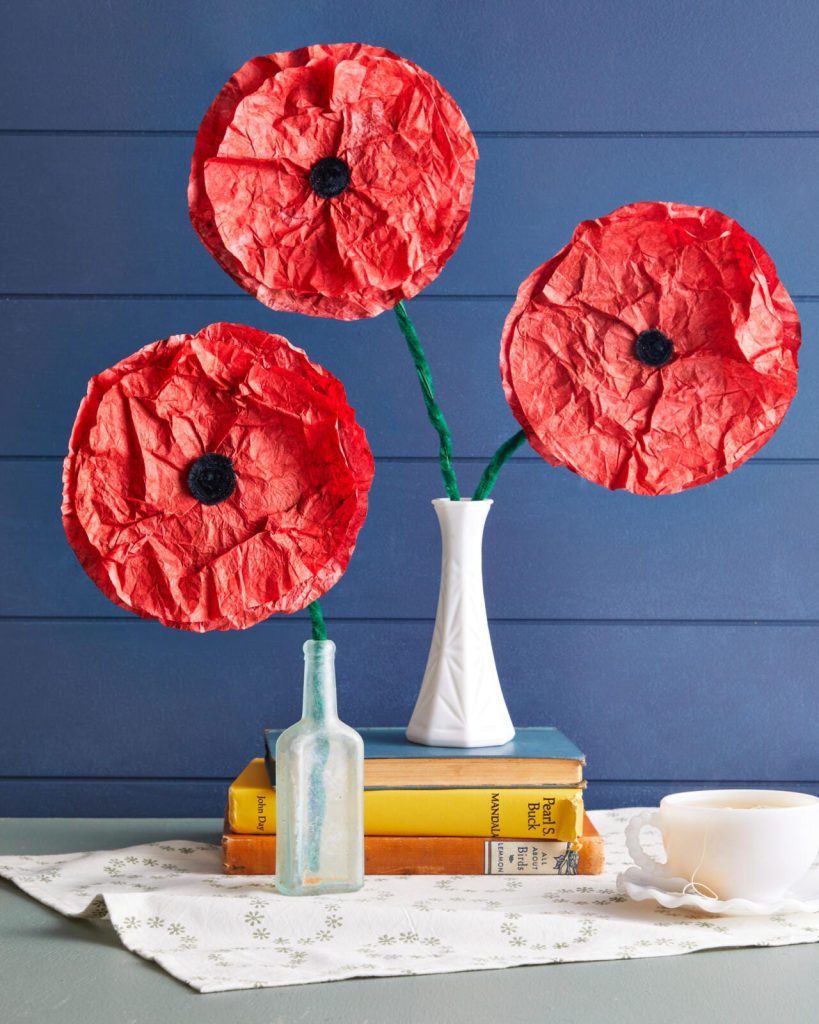
Exploring Essential Materials for Crafting Success
As you embark on your crafting journey, familiarizing yourself with essential materials is crucial. Each craft project will require different supplies, but having a foundation of versatile materials can significantly enhance your creative experience. Let’s delve deeper into some fundamental crafting supplies that every beginner should consider, along with guidance on their best applications.
Paper Crafts: The Building Blocks of Creativity
When it comes to paper crafts, the variety is both vast and exciting. Beginners can benefit from starting with cardstock due to its strength and ease of use. Ideal for creating greeting cards, invitations, or scrapbook pages, cardstock comes in numerous colors and textures, allowing for a personal touch on every piece created. On the other hand, scrapbook paper features striking patterns and designs, perfect for enhancing memory albums or craft projects.
For those looking to add a bit of flair, consider incorporating specialty papers. Metallic papers can give an elegant finish, while textured options can add depth to any project. Additionally, translucent vellum is popular for creating overlays in scrapbooking and card making, providing beautiful layering effects.
Fabric Crafts: Stitching Together Ideas
Fabric crafts can be incredibly rewarding, especially when you select the right materials. For starters, natural fibers such as cotton are a staple among beginner sewers due to their accessibility and versatility. Whether you’re making clothing, bags, or home décor, cotton can easily accommodate a range of patterns and designs.
Felt is another fantastic choice for beginners. It’s easily cut and manipulated, providing a forgiving surface for a plethora of projects. Felt is especially useful for crafting soft toys or decorative items, and its wide variety of colors ensures your creations will be vibrant and eye-catching.
If you’re interested in durability, denim offers a great avenue to explore. While it may present more of a challenge for sewing novices, the payoff is substantial. Denim can withstand wear and tear, making it a smart choice for bags or furnishings. Don’t shy away from experimenting with repurposing old denim for a sustainable approach to crafting.
Painting Supplies: Sprucing Up Your Creations
No crafting toolkit is complete without painting supplies. Acrylic paints are the go-to choice for many beginners. They boast vibrant colors and quick-drying properties, making them ideal for canvas art and mixed media projects. Their ease of cleanup with soap and water also makes them an attractive option for those just starting to experiment with paint.
For softer, more fluid artistic expressions, consider watercolors. As they require a more delicate touch, they are superb for exploring various techniques, such as washes and gradients. Starting with a basic brush set that ranges in sizes will equip you to tackle different styles and detail levels.
With a greater understanding of the materials that are available, coupled with your unique creative vision, the crafting world can open doors to numerous possibilities. Equip yourself with these essentials and let your imagination lead the way, as the adventure into crafting begins!
The Best Materials for Beginners in Crafts: Tips and Recommendations
As you embark on your journey into the exciting world of crafts, selecting the right materials is crucial for unleashing your creativity and achieving satisfying results. Understanding the various options available can make a significant difference in your crafting experience. Below is a carefully curated table for beginners that highlights the key materials and their advantages.
| Material Type | Advantages |
|---|---|
| Paper | Versatile and easy to work with; perfect for origami, cards, and scrapbook projects. |
| Felt | Soft, forgiving fabric ideal for beginners in sewing; no fraying edges make it easy to handle. |
| Acrylic Paint | Quick-drying and vibrant, acrylics work well on various surfaces, providing a good introduction to painting. |
By starting with these materials, beginners can explore their creativity without the stress of complicated techniques. The simplicity and accessibility of these craft supplies encourage experimentation and allow for enjoyable learning experiences. As you dive deeper into your crafting journey, consider expanding your toolkit with more specialized materials that align with your evolving interests and skills.
DIVE DEEPER: Click here to discover more
Diving Into Versatile Crafting Supplies
Additionally, as you delve deeper into the crafting world, it’s essential to explore materials that can elevate your projects and broaden your skills. Understanding how to utilize a variety of supplies will not only enhance your crafts but also spark new ideas. Let’s explore a few more categories and the materials that perfectly complement your burgeoning crafting repertoire.
Beading and Jewelry Making: Accessorizing Your Artistry
For those drawn to the delicate art of beading and jewelry making, selecting the right materials is fundamental. Glass beads are widely favored for their range of colors and shapes, making them perfect for necklaces, bracelets, and earrings. Start with a basic assortment of bead sizes and shapes, such as round, square, and teardrop, to ignite your creativity.
Wire is another essential supply, as it serves as the backbone of many jewelry designs. Begin with stainless steel or copper wire, as these metals are forgiving and simple to manipulate. Since wire comes in various gauges, selecting a lighter gauge can make the initial projects less challenging, allowing new crafters to focus on design without the frustration of difficult manipulation.
Finally, don’t underestimate the power of jewelry findings, including clasps, earring hooks, and jump rings. These small components can turn a mere collection of beads into a finished piece of art. Look for sets of findings to ensure you’re equipped for various projects, which will save time and enhance your efficiency.
Mixed Media: Unleashing Your Creative Potential
The realm of mixed media opens up endless possibilities for exploration through the combination of different materials. One major advantage is the use of scrap materials, such as fabric remnants, old magazines, or even broken jewelry. This sustainable approach not only adds unique textures but also allows you to think creatively about how to repurpose items you may already have.
To get started, invest in a good-quality glue or adhesive that works with various materials, enabling you to bind paper, fabric, and other surfaces together seamlessly. Mod Podge is a popular choice among beginners for its versatility as both an adhesive and a finishing coat, ensuring your project looks polished and professional.
Additionally, consider adding found objects such as buttons, shells, or twigs to your stash. These items can introduce unique elements into your mixed media projects, encouraging an experimental spirit. The key is to let your imagination roam and fuse materials you wouldn’t typically see combined, as this process often leads to stunning, one-of-a-kind creations.
Crafting Tools: Essential Instruments of Artistry
With materials comes the need for the right tools to work with them effectively. Beginners should invest in a few key crafting tools for the various supplies they’ll be using. A good scissors or craft knife will allow you to cut paper and fabric with precision. Its counterpart, a cutting mat, will protect surfaces from damage while providing a sturdy base for your projects.
When it comes to adhesive, consider a set of crafting tape in various widths and strengths for different projects. Hot glue guns are also essential for fast and sturdy bonding, especially with heavier materials. For sewing projects, a basic sewing kit equipped with needles, thread, and pins is necessary to ensure that your fabric crafts come together beautifully.
Equipping yourself with these foundational materials and tools empowers your crafting journey, allowing you to explore new techniques and turn your creative visions into reality. Embrace each project as a learning experience, and soon you’ll find yourself inspired to create more complex and imaginative works!
DISCOVER MORE: Click here to dive deeper
Crafting Your Future: A Concluding Insight
As you embark on your journey into the vibrant world of crafts, understanding the role of the right materials is crucial for unlocking your creative potential. The journey may begin with basic supplies like paper, paint, and fabric, but as you progress, experimenting with diverse materials such as beads, wire, and found objects can lead to exquisite craftsmanship and artistry. Each category, from jewelry making to mixed media, introduces fresh techniques and possibilities, transforming simple ideas into remarkable creations.
Equipping yourself with essential crafting tools is equally important, enhancing your efficiency and ensuring your projects come together seamlessly. Investing in quality adhesives and cutting instruments not only streamlines your process but also allows you to focus on the innovative aspects of your work. Remember, crafting is as much about experimentation and joy as it is about the end product. Don’t hesitate to combine materials in creative ways and embrace the learning curve that comes with each project.
Ultimately, the best materials for beginners are those that resonate with your creative spirit. Choose items that inspire you, and allow your imagination to guide you. Whether you find yourself drawn to the meticulous details of jewelry making or the spontaneous charm of mixed media, the journey shall immerse you in endless possibilities. So gather your supplies, unleash your creativity, and let the world of crafting surprise and delight you!