The Contribution of Performing Arts to Early Childhood Education: Learning Through Creativity
Understanding the Role of Creative Learning in Early Childhood
During the crucial years of early childhood development, children are not merely passive recipients of information; they actively engage with and interpret the world around them through creative expression. The performing arts—encompassing music, drama, and dance—serve as fundamental tools that enable this exploration, enriching children’s educational experiences in profound ways.
The incorporation of performing arts in early childhood education offers numerous advantages that extend far beyond mere enjoyment. For instance, enhanced cognitive skills arise from activities like storytelling and role play. When children enact stories, they not only improve their memory and comprehension but also learn about narrative structure and sequencing. Engaging in dramatic play allows them to explore complex concepts, such as cause and effect, while honing their problem-solving abilities.
Furthermore, the role of performing arts significantly contributes to the improvement of social skills. In group settings where collaboration is key, children learn to communicate their ideas and listen to their peers. This team dynamic fosters negotiation skills and the ability to work towards a common goal. A classic example is children staging a play together; they must share roles, agree on a plot, and help each other during rehearsals, which instills a sense of community and teamwork.
Equally important is the impact on emotional development. Engaging with the performing arts provides children with a safe outlet for self-expression. Through music and dance, they can convey feelings that may be difficult to articulate in words, promoting emotional intelligence and empathy towards others. For instance, when children learn a song about friendship, they not only enjoy the melody but also absorb valuable lessons about kindness and inclusivity.
Research underscores the correlation between early engagement in the performing arts and the acquisition of essential life skills. Studies have shown that children involved in these activities are better prepared for future academic challenges and interpersonal relationships. For educators, the integration of creative methods into lesson plans presents an opportunity to enrich the learning experience, and to explore subjects in innovative ways that traditional methods may overlook. Activities can range from creating music-based lessons to incorporating drama techniques to enhance understanding of historical events.
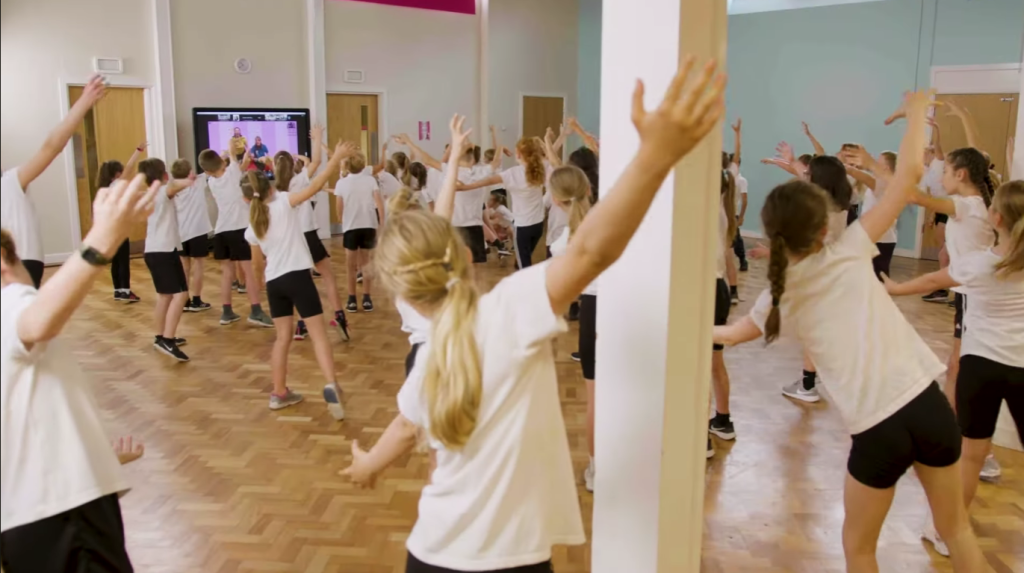
Across the United States, many successful programs have emerged that integrate performing arts into early education. Initiatives such as the Kennedy Center’s “Partners in Education” not only engage children in the arts but also demonstrate measurable enhancements in kindergarten readiness. By fostering creativity, these programs ensure children are not only prepared for the academic demands ahead but are also better equipped for life’s various challenges.
As we explore the profound effects of the arts on childhood education, it is essential to consider how we can harness this powerful medium effectively. Educators and parents alike play a pivotal role in championing creative learning, advocating for a holistic approach to education that nurtures the mind, body, and spirit of each young learner.
DISCOVER MORE: Click here to learn about the benefits of craft materials in therapy
Fostering Holistic Development Through the Arts
The integration of performing arts into early childhood education is not merely an addition to the curriculum; it serves as a vital component in fostering holistic development among young learners. Children thrive when presented with opportunities to engage in creative activities that stimulate their minds, bodies, and emotions. This multidimensional learning approach fosters a rich educational environment where students flourish academically and personally.
Cognitive Benefits are at the forefront of incorporating performing arts into educational settings. When children participate in activities such as puppetry or musical storytelling, they activate various cognitive processes. They not only enhance their memory and comprehension skills but also broaden their vocabulary and improve language fluency. For example, through participating in a musical or a skit, children apply their understanding of language and narrative while simultaneously learning about rhythm and pacing. Moreover, studies indicate that children exposed to arts-integrated learning demonstrate improved performance in standard educational assessments, highlighting the positive correlation between creativity and academic achievement.
Equally significant are the social skills that are cultivated through collaborative performing arts activities. Group-based tasks like creating a class play or participating in a dance routine help children learn vital social dynamics. These activities require them to communicate effectively, resolve conflicts, and offer constructive feedback to one another. The experience of working together toward a common goal fosters a sense of belonging, making children feel valued in their classroom community. This sense of inclusion is particularly important, as early childhood education plays a critical role in shaping children’s social identities.
Furthermore, the emotional intelligence gained through performing arts cannot be overlooked. Engaging in drama or music provides children with a unique opportunity to explore their feelings and those of others. Emotional expression through dance or role-play allows children to demonstrate their understanding of empathy, kindness, and courage. For instance, when children enact different roles in a story, they begin to grasp varied perspectives and experiences, nurturing a sense of compassion and awareness towards peers. This emotional growth is essential as it equips young learners with the skills needed to navigate social interactions throughout their lives.
Many early childhood programs have recognized these benefits and are implementing arts-based curricula. Notable organizations like Young Audiences Arts for Learning have joined forces with educational institutions across the United States to deliver arts programming that not only meets educational standards but also sparks a lifelong passion for the arts in children. Here are some key elements that these programs focus on:
- Cultural Awareness: Exposing children to diverse art forms encourages appreciation for various cultures.
- Creative Problem Solving: The flexibility inherent in the arts promotes critical thinking skills.
- Self-Regulation: Performing arts teach children to manage their emotions through practice and performance.
As we continue to uncover the myriad ways performing arts contribute to early childhood education, it becomes evident that these creative outlets are not just enhancements but essential components that nurture the future generation’s holistic development. Educators and parents must champion incorporating performing arts to ensure that every child benefits from a well-rounded educational experience.
| Advantage | Explanation |
|---|---|
| Enhanced Creativity | Engaging in performing arts stimulates children’s imagination and encourages them to express their thoughts and emotions. |
| Improved Social Skills | Collaborative activities in theater and dance foster teamwork, communication, and empathy among peers. |
The realm of performing arts offers profound benefits for young learners. One of the foremost advantages is the ability to cultivate enhanced creativity. When children participate in drama, dance, or music, they are not just memorizing lines or steps; they are diving deep into the ocean of their imagination. This process of creative expression allows children to articulate their feelings and ideas uniquely and vividly. Studies have shown that early exposure to performing arts equips children with innovative problem-solving skills that are essential for their academic and personal journeys.Equally important is the role performing arts play in improving social skills. Activities like group performances, orchestral collaborations, or dance troupes require children to work closely with their peers, promoting a strong sense of community and shared responsibility. This interaction is vital for developing teamwork and communication skills, as well as fostering empathy. Such experiences help children build meaningful relationships that extend beyond their immediate environments and lay the foundation for a lifetime of collaborative interactions.Engaging with the performing arts not only leads to personal growth but also enriches the educational landscape for young children. As educators integrate these art forms into their curricula, they open doors to unforgettable experiences that contribute significantly to children’s holistic development.
DIVE DEEPER: Click here to discover the sensory secrets of cooking
Empowering Young Minds Through Creative Expression
The role of performing arts in early childhood education transcends mere amusement; it is a powerful vehicle for personal expression and self-discovery. When children engage with performing arts—be it through dance, theater, or music—they unlock the opportunity to showcase their creativity in ways that standard academic work does not always allow. This experiential learning cultivates not just artistic abilities but also nurtures an innovative mindset that can benefit children throughout their educational journey and beyond.
One of the most vital aspects of this empowerment is the development of critical thinking skills. Engaging in performing arts encourages children to make choices, solve problems, and think on their feet. For instance, when a child is tasked with improvising a scene or composing a piece of music, they must utilize their imagination while also considering the context, audience, and technical elements of their performance. This process of creative problem-solving is invaluable, nurturing adaptable thinkers prepared to tackle challenges in various learning environments.
Furthermore, fine and gross motor skills receive significant attention through the performing arts. Activities such as dance and movement not only improve physical coordination but also enhance children’s spatial awareness and body control. For example, as children practice choreography, they strengthen their muscle memory and balance, which are essential in their overall physical development. The rhythmic patterns found in music and movement also introduce young learners to concepts such as sequencing and timing, reinforcing cognitive skills alongside physical growth.
Another pivotal advantage of integrating performing arts in early childhood education is its ability to foster language development through immersive participation. Children exposed to music and theater are often more inclined to articulate their ideas and express their thoughts creatively. Activities such as storytelling, where children might read scripts or compose their narratives, directly correlate to increased literacy skills. Research has shown that children who engage in arts-rich environments frequently show a significant improvement in phonemic awareness, an essential precursor to reading. This indicates a promising link between creative expression and skill acquisition in language arts.
Moreover, the convergence of performing arts and technology has opened new frontiers for young learners. Programs that incorporate interactive digital media into artistic exploration—whether through online theater platforms or music composition software—create a dynamic learning environment where children can amplify their artistic expression. According to studies conducted by the American Alliance for Theatre and Education, children engaged with digital arts demonstrate not just enhanced artistic skills but also increased digital literacy, preparing them for a future where technology and creativity will be inextricably linked.
Incorporating performing arts into early childhood settings is not a challenging feat, as many educators have begun weaving these elements into daily curricula. Creative programs such as the Kennedy Center’s “Any Given Child” initiative have taken steps to ensure that children in underserved communities experience the richness of performing arts. These initiatives provide essential training and resources to educators to nurture creativity while aligning with core academic standards.
As early childhood education continues to evolve, it is crucial for educators, parents, and policymakers to recognize the indispensable role that performing arts play in preparing children for a multifaceted world. Embracing creativity in education can cultivate resilient, open-minded individuals capable of navigating both the challenges of tomorrow and the artistic landscapes of their imagination.
DISCOVER: Click here for innovative crafting techniques
Conclusion: The Transformative Power of the Performing Arts
The integration of performing arts into early childhood education serves as a compelling testament to the power of creativity in learning. It goes beyond traditional academic frameworks, offering children unique avenues for self-expression while honing essential skills that will support them throughout their lives. From stimulating critical thinking and enhancing motor skills to bolstering language development, the benefits are vast and multifaceted.
As children immerse themselves in activities such as dance, drama, and music, they not only engage their imaginations but also tap into their innate curiosity, fostering a love for learning that can last a lifetime. Programs like the Kennedy Center’s “Any Given Child” initiative exemplify the importance of equitable access to the arts, ensuring that even children in underserved areas can reap the rewards of creative education. The convergence of technology and performing arts only further enhances this spark of creativity, equipping young learners with digital skills pivotal for the future.
Moving forward, it is crucial for stakeholders—including educators, parents, and policymakers—to champion the inclusion of performing arts in early childhood curricula. By doing so, we affirm our commitment to nurturing well-rounded individuals capable of navigating an increasingly complex world. In embracing the performing arts, we are not just enriching children’s education; we are empowering a generation that will thrive on innovation, resilience, and creativity as they forge their paths in life.