The Effects of Stress on Skin Health
The Intricate Relationship Between Stress and Skin Health
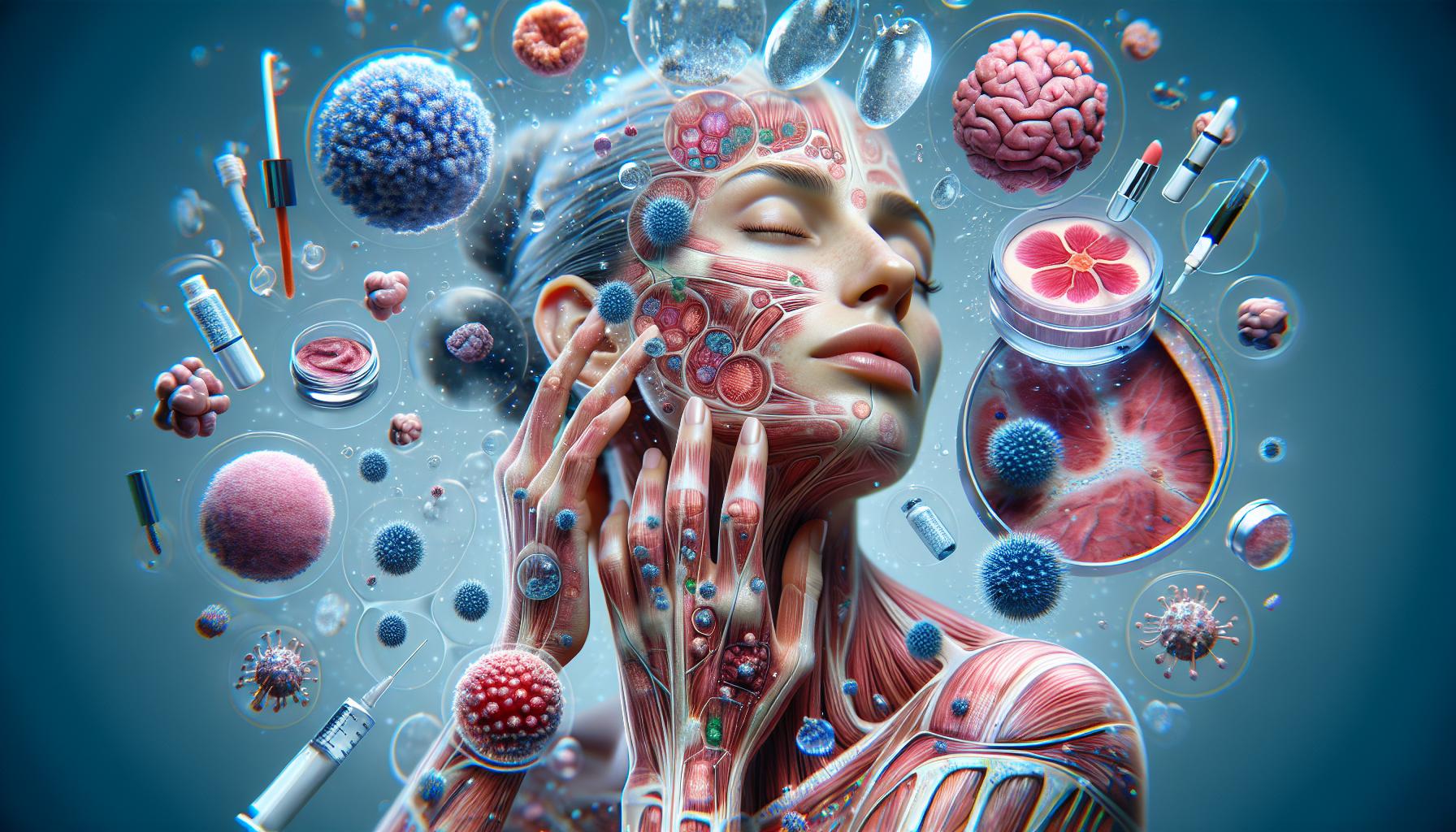
In today’s fast-paced environment, the daily grind can easily escalate into stress, which affects not only our mental well-being but also our physical health, particularly through the skin. The skin, being the body’s largest organ, is often the first to reveal the toll that stress takes on us. When we experience stress, complex biological mechanisms are triggered, leading to conditions that can significantly impact our appearance and overall skin health.
How Does Stress Affect Our Skin?
The connection between stress and skin issues is primarily rooted in the hormonal and inflammatory responses that occur during stressful periods. For instance, when an individual experiences stress, the body releases cortisol, a hormone that can prompt the sebaceous glands in our skin to produce more oil. This surge in oiliness can coat hair follicles, leading to clogged pores and, consequently, breakouts and acne flare-ups.
In addition to hormonal changes, stress can trigger inflammatory responses in the body. This is particularly concerning for individuals with pre-existing skin conditions such as eczema, psoriasis, or rosacea. High stress levels can exacerbate these conditions, leading to increased redness, itching, and discomfort. Moreover, studies have shown that emotional stress can lead to heightened sensitivity and an acceleration of inflammatory cytokines in the skin, resulting in a vicious cycle that further endangers skin health.
Another critical impact of stress is the compromise of the skin barrier. The skin’s protective functions are essential in guarding against environmental irritants and pathogens. Under stress, the skin barrier can weaken, creating an increased risk for irritations, infections, and allergic reactions. This is particularly troubling as it can lead to exacerbated skin conditions or the development of new issues.
Recognizing the Signs
Recognizing the signs that stress is impacting your skin is crucial for taking proactive steps in treatment. In addition to breakouts and oiliness, individuals may notice other telltale signs such as dryness or flaky patches, which can arise from an impaired skin barrier. Furthermore, the toll of stress can also manifest as premature aging: fine lines, wrinkles, and loss of elasticity can become more pronounced during stressful periods as the body produces fewer collagen and elastin fibers.

Strategies for Skin Health amidst Stress
Understanding the psychological roots of stress can pave the way to healthier skin. Effective stress management techniques—including mindfulness practices, yoga, regular exercise, and social connections—can help mitigate stress and foster better skin health. Additionally, implementing a robust skincare routine that includes hydrating agents and barrier-repairing ingredients can fortify your skin’s defenses. Products containing hyaluronic acid, ceramides, and calming botanicals are particularly beneficial.
In conclusion, while stress is an unavoidable aspect of life, its repercussions on skin health can be managed with greater awareness and actionable strategies. By recognizing the signs and understanding the underlying mechanisms, individuals can take control of their skin health and work towards maintaining radiance amidst life’s pressures. As we continue this exploration of stress and skin, consider how you might prioritize both your mental and skin health for a more balanced lifestyle.
DISCOVER MORE: Click here for essential tips
The Role of Cortisol in Skin Health
When faced with stress, the human body undergoes a complex biochemical transformation. This is primarily marked by the elevation of cortisol, a hormone that plays a significant role in the body’s stress response. Cortisol, often referred to as the “stress hormone,” is produced by the adrenal glands and serves various functions, including regulating metabolism, reducing inflammation, and controlling the sleep-wake cycle. However, when cortisol levels are persistently high due to chronic stress, the implications for skin health can be severe.
Impact of Cortisol on Oil Production
One of the notable impacts of elevated cortisol levels is increased sebum production. Sebum—the natural oil produced by the sebaceous glands—plays a vital role in maintaining skin hydration. However, when stress kicks in, the overproduction of this oil can lead to a host of skin issues, ranging from oily skin to more serious conditions such as acne. In fact, studies have indicated a correlation between heightened emotional stress and increased acne prevalence among various age groups, particularly adolescents and young adults. This not only affects physical appearance but can also lead to a significant decline in self-esteem and mental well-being.
The Inflammatory Response
Furthermore, the body’s inflammatory response is intricately linked to stress. During times of tension, the body releases inflammatory cytokines—proteins that promote inflammation and regulate immune responses. This can exacerbate existing conditions and give rise to new skin issues. For example:
- Acne: The inflammatory response can create a perfect storm for acne flare-ups, complicating the skin’s health and contributing to emotions like frustration and anxiety.
- Eczema and Psoriasis: These chronic skin disorders are often triggered or worsened by stress. Patients may experience extreme discomfort filled with itching and redness, leading to a cycle of irritation.
- Rosacea: This chronic skin condition, characterized by facial redness and potential swelling, can see exacerbation during stressful periods, causing both physical discomfort and emotional distress.
Barrier Function and Skin Health
Besides its influence on oil production and inflammation, stress can severely compromise the skin’s protective barrier. This barrier is essential in creating a defense against environmental aggressors such as pollutants, bacteria, and allergens. A weakened skin barrier can result in increased susceptibility to irritations and infections, as well as conditions like contact dermatitis, wherein the skin reacts adversely to chemicals or materials it comes into contact with.
The Importance of Stress Management
Recognizing the biological mechanisms behind stress and skin health emphasizes the importance of effective stress management strategies. Armed with this knowledge, individuals can adopt lifestyle changes that not only enhance their mental well-being but also improve skin vitality. Incorporating practices such as regular exercise, mindfulness meditation, adequate sleep, and skin care routines tailored to their specific needs can make a significant difference.
Moreover, professional consultations with dermatologists or mental health experts can be invaluable in creating a comprehensive approach to skin care that considers both the psychological and physical facets of health. Ultimately, prioritizing stress management strategies is not just an act of self-care; it is a crucial component in maintaining overall skin health and enhancing one’s quality of life.
The Effects of Stress on Skin Health
Stress is an unavoidable aspect of life, but its impact on skin health can be profound and long-lasting. When individuals experience stress, the body releases a hormone called cortisol, which plays a crucial role in the body’s stress response. Elevated cortisol levels can lead to a variety of skin issues, including acne, eczema, and psoriasis. Understanding these connections can empower individuals to take proactive measures to protect their skin while managing stress.
Additionally, stress can trigger unhealthy habits such as poor dietary choices, inadequate sleep, and neglecting skincare routines, all of which can exacerbate skin problems. Stress often leads to inflammation, which can result in conditions like rosacea or exacerbation of existing skin conditions. Furthermore, the skin may become more sensitive, reacting negatively even to the gentlest products.
It’s essential to explore effective methods for stress management that also benefit skin health. Practices such as mindfulness, yoga, and even regular exercise can help lower cortisol levels, thereby promoting clearer and healthier skin. Staying hydrated and maintaining a balanced diet rich in antioxidants can also mitigate the adverse effects of stress on the skin. By adopting holistic approaches, individuals can nurture both their mental well-being and skin vitality.
| Skin Condition | Effects of Stress |
|---|---|
| Acne | Increased oil production and clogged pores due to cortisol. |
| Eczema | Stress-induced inflammation triggers flare-ups of existing conditions. |
Ultimately, understanding the specific ways that stress affects the skin can provide clues to better skin care and overall health practices. By prioritizing mental health alongside skincare routines, individuals can achieve not only healthy skin but also a more balanced and stress-free life. Identifying personal triggers and implementing effective stress-relief techniques might just be what the skin needs to glow.
DON’T MISS: Click here to discover the secrets to radiant skin
Psychodermatology: The Connection Between Mind and Skin
The links between stress and skin health have propelled a growing field known as psychodermatology, which investigates how psychological factors influence skin conditions. For instance, conditions like eczema and psoriasis, which are often exacerbated by stress, highlight the intricate relationship between emotional wellbeing and skin appearance. Psychodermatological assessments often reveal that individuals suffering from stress-related skin issues experience not just physical symptoms, but also emotional distress, which can compound the problem.
Stress-Related Skin Conditions: Uncovering the Triggers
In addition to exacerbating existing skin conditions, stress can trigger new ones. The skin, being the body’s largest organ, is remarkably sensitive to psychological states. Stress can provoke conditions such as:
- Contact Dermatitis: Often triggered by allergens or irritants, stress can heighten sensitivity, leading to a flare-up of symptoms.
- Urticaria (Hives): Stress can induce acute allergic reactions characterized by itchy, swollen welts on the skin.
- Hyperhidrosis: Emotional stress can lead to excessive sweating, which can impact social interactions and lead to further anxiety.
Research indicates that up to 30% of dermatology patients suffer from conditions impacted by psychological factors, putting a spotlight on the need for a holistic approach in treatment.
Skin Aging and Stress
Stress doesn’t just affect skin conditions; it can also accelerate the skin aging process. Elevated cortisol levels can lead to a breakdown of collagen—a critical protein that maintains skin elasticity and firmness. In simple terms, stress might not only make your skin look worse but can also make it age faster. Studies have shown that chronic stress can lead to increased fine lines, wrinkles, and sagging skin, often making individuals look older than their actual age.
Furthermore, the oxidative stress caused by prolonged exposure to high cortisol levels can damage skin cells, leading to uneven skin tone and loss of radiance. Thus, managing stress may not just enhance skin health in the short term but may also contribute to long-term skin vitality.
The Importance of Nutrition in Stress Management and Skin Health
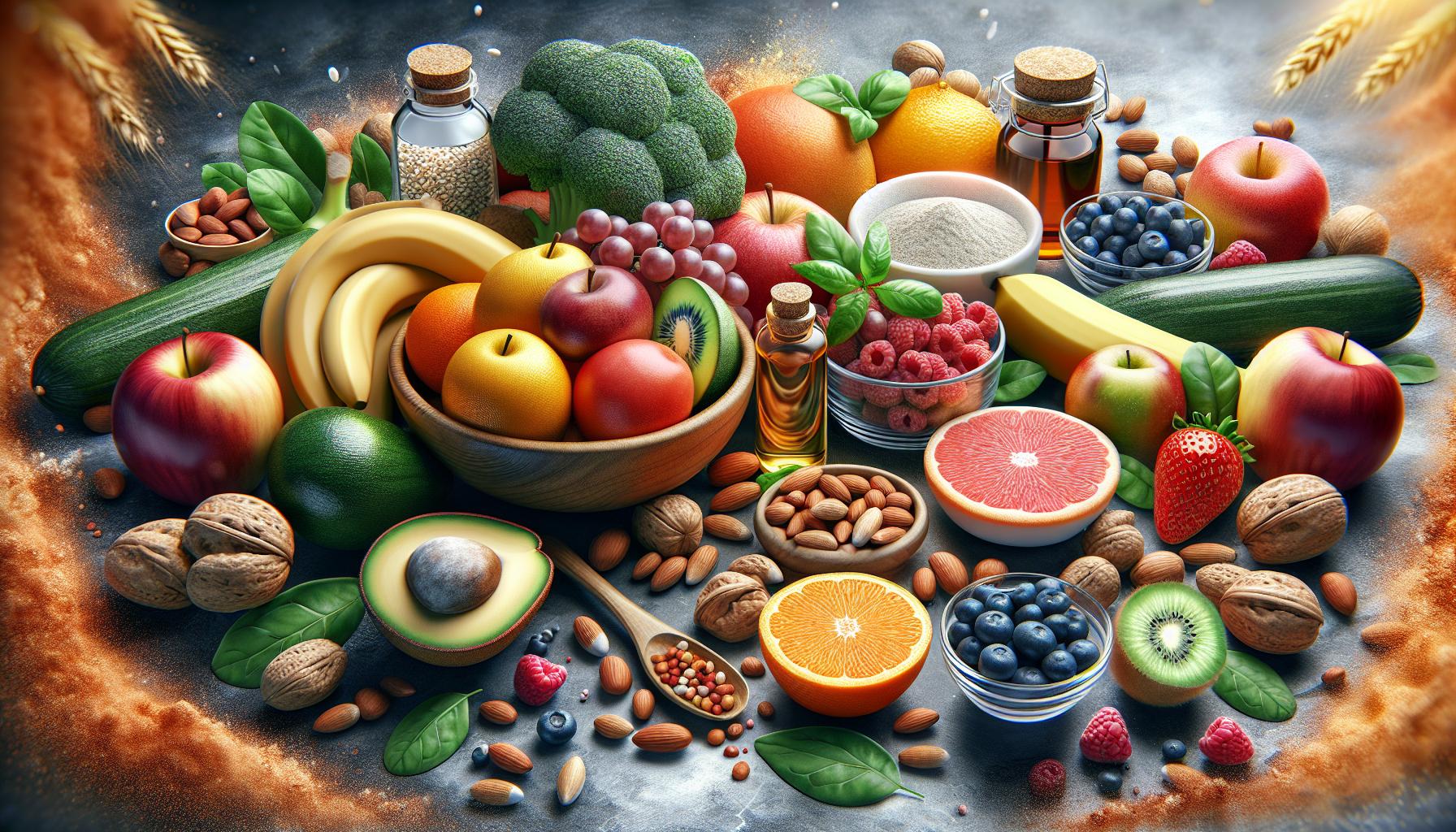
Another dimension to consider is how stress influences dietary habits, which in turn affects skin health. It’s common for individuals under stress to reach for unhealthy comfort foods, often high in sugars and unhealthy fats, which can lead to breakouts and skin inflammation. Conversely, stress management through proper nutrition focusing on anti-inflammatory foods can have a positive impact on both mental well-being and skin condition. Foods rich in antioxidants, Omega-3 fatty acids, and vitamins can help fortify the skin against oxidative stress while promoting overall health.
The Role of Skin Care Regimen
Investing in a personalized skin care regimen can be instrumental for individuals dealing with stress-related skin issues. Tailoring skin care products to address specific problems—such as using non-comedogenic products for oily skin or calming creams for irritated skin—not only improves skin appearance but can also foster a sense of control and self-care. Simple rituals, such as cleansing and moisturizing, when combined with stress-reduction techniques, allow for a multi-faceted approach to skin health.
Overall, recognizing the intricate connections between psychological factors and skin health highlights the importance of a comprehensive approach that addresses both mind and body. Engaging in practices that mitigate stress can lead to transformative changes in skin health, underscoring the need for awareness in both dermatological care and mental wellbeing.
DISCOVER MORE: Click here for valuable tips
Conclusion
In conclusion, the intricate relationship between stress and skin health is multifaceted, revealing how emotional wellbeing can heavily influence physical appearance. As we’ve explored, conditions such as eczema, psoriasis, and even premature aging are not just superficial concerns but significant indicators of underlying psychological states. The emergence of psychodermatology emphasizes the importance of treating the mind alongside the body for optimal skin care outcomes.
Understanding the physiological impacts of stress, including increased cortisol levels and the consequent breakdown of collagen, serves as a wake-up call for many. The reality is, managing stress is essential not only for mental clarity but also for preserving youthful, healthy skin. Furthermore, incorporating a balanced diet rich in antioxidants and Omega-3 fatty acids can fortify skin health against the damaging effects of stress.
Adopting a personalized skin care regimen tailored to individual needs can likewise enhance self-esteem and provide a sense of control, making it a vital component of holistic wellness. Overall, it’s clear that addressing stress through integrated approaches not only improves skin health but fosters an overall sense of well-being. As research continues to unfold, individuals are encouraged to approach their skincare needs with an informed perspective that recognizes the significant role stress plays. By prioritizing both mental and physical health, one can pave the way towards healthier, more radiant skin.