The Impact of Colors in Makeup: How to Choose Shades that Enhance Your Skin Tone
Discover the Influence of Color in Makeup
Choosing the right makeup shades can significantly transform your appearance, enhancing your natural beauty in subtle yet powerful ways. The impact of color in makeup goes beyond aesthetics; it deeply affects how you feel about yourself and how others perceive you. Understanding how to select shades that harmonize with your complexion is crucial for achieving an elevated, radiant look that reflects confidence.
Why Colors Matter
Colors play an essential role in makeup, influencing not only the visual appeal but also the emotional connection the wearer has with their appearance. Here are some key reasons to consider when choosing your makeup colors:
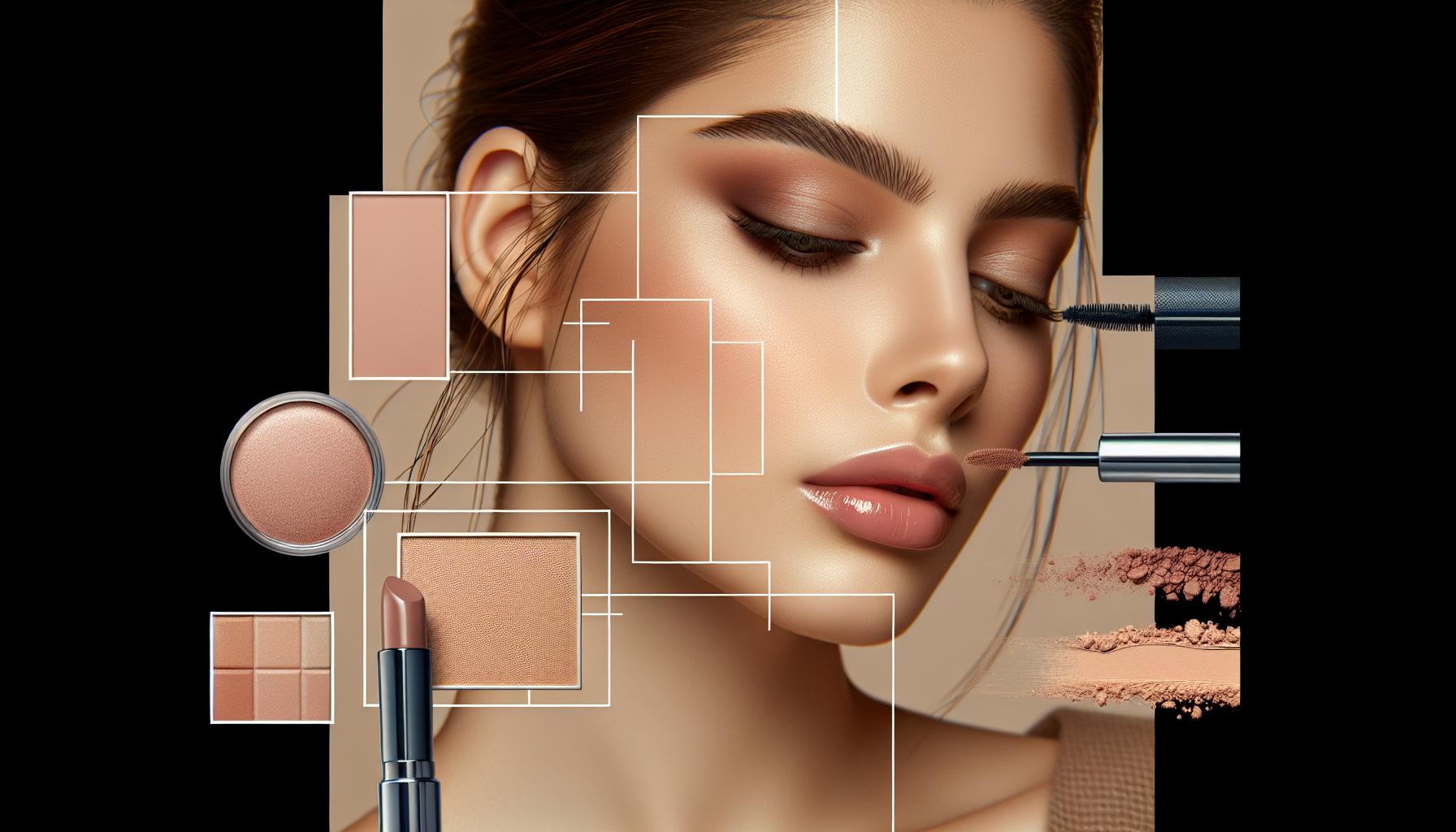
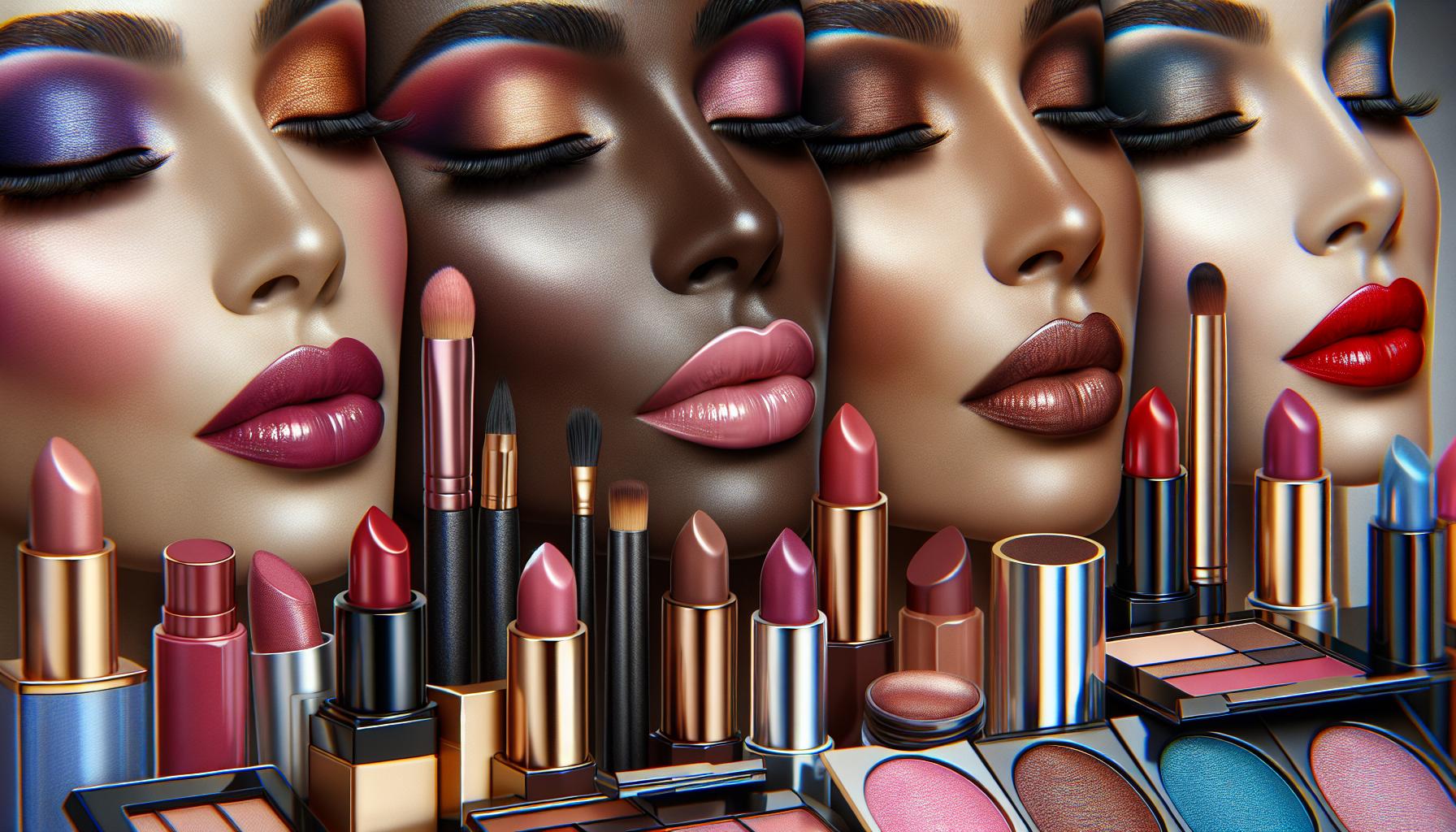
- Skin Tone Compatibility: Every individual has a unique skin tone, often categorized as warm, cool, or neutral. For instance, individuals with warm undertones may look stunning in earthy colors like terracotta or peach, while those with cool undertones may shine in shades of pink, plum, and blue-toned reds. Identifying your undertone can lead to a radiant appearance.
- Emotional Influence: Colors can evoke a range of feelings. Bright and bold colors, such as fiery reds and vibrant pinks, can create a sense of empowerment and passion. On the other hand, softer hues like pastels are often associated with calmness and serenity. For example, during a challenging day, wearing a cheerful shade of coral might lift your spirits and boost your confidence.
- Trends and Personal Style: With ever-changing beauty trends, your choice of color can make a bold statement about your personal style. The recent resurgence of ‘90s makeup trends, such as the revival of browns and earth tones, shows how color can reflect both current fads and individual artistry. Whether you’re drawn to the classics or the latest innovations, color can articulate your style narrative.
As you embark on your makeup journey, it can be enlightening to grasp the basics of color theory in relation to your skin tone. Understanding which shades either clash or harmonize with your natural coloring is key to crafting a look that is both flattering and confident. For example, knowing that certain shades of blue can enhance the brightness of blue or green eyes adds another layer to your makeup artistry.
Explore Further
In this article, we will explore the fundamentals of selecting makeup colors tailored to your skin tone comprehensively. You’ll discover practical tips, ideal color combinations to embrace, as well as styles to steer clear of. By equipping yourself with this knowledge, you can feel empowered in your choices, ready to showcase your unique beauty and personal style.
Color in makeup is not merely a choice—it is a significant factor that can convey emotions, embody trends, and celebrate individuality. With the right approach, you can master the art of colors and discover how they can enhance your beauty in delightful and transformative ways.
DON’T MISS: Click here to uncover essential anti-aging ingredients
Understanding Skin Tones and Undertones
To effectively choose makeup shades that enhance your beauty, it’s essential to first understand your skin tone and undertone. Skin tone refers to the natural color of your skin, ranging from very fair to deep, while undertone is the subtle hue beneath the surface that can be categorized as warm, cool, or neutral. Identifying these factors will greatly influence your makeup selection, ensuring that the shades you choose radiate harmony with your complexion.
Identifying Your Skin Tone
Determining your skin tone can be a straightforward process. Here are a few tips to help guide you:
- The Vein Test: Examine the veins on the underside of your wrist. If they appear blue, you likely have a cool undertone. Greenish veins suggest a warm undertone, while a mix of both points to a neutral undertone.
- The Jewelry Test: Consider whether you look better in silver or gold jewelry. Silver tends to complement cool undertones, whereas gold enhances warm undertones. If both types suit you equally, you may have a neutral undertone.
- Sun Reaction: Observe how your skin reacts to sun exposure. Cool undertones often burn easily and rarely tan, while warm undertones tan more easily and may have golden or bronze reactions. Neutral undertones can experience a mix of both reactions.
Choosing Makeup Shades for Your Undertone
Once you’ve identified your skin tone and undertone, selecting the right makeup colors becomes much more intuitive. Below are some recommended shades based on these classifications:
- Warm Undertones: Opt for earthy shades such as coral, warm peach, and shades of brown. Gold highlights can also add a stunning glow.
- Cool Undertones: Embrace shades like pink, berry, and rich jewel tones, such as royal blue or emerald green. Silver or platinum highlighters can enhance your glow.
- Neutral Undertones: You have the luxury of versatility—experiment with both warm and cool shades. Colors like soft mauves and rose may work beautifully for you.
In addition to understanding the fundamental color shades, it’s important to remember that natural lighting plays a critical role in how colors appear on your skin. Testing your makeup colors in different lights can provide a more comprehensive view, enabling you to make informed decisions. For instance, what appears as a perfect nude lipstick in the store may look entirely different when you step into daylight.
The journey toward mastering the art of color in makeup is not just about beauty; it’s about understanding your unique features and how to highlight them. As you delve deeper into the world of makeup shades, you’ll find that color truly has the power to enhance your appearance and build your confidence like never before.
The Importance of Undertones in Makeup Selection
Understanding your skin tone is only part of the equation; it’s equally essential to consider your skin’s undertones. These undertones can be categorized into three main types: warm, cool, and neutral. Warm undertones often feature hints of yellow or peach, cool undertones possess pink or blue hues, and neutral undertones balance both categories. Identifying your undertone can dramatically influence the shades that will not only complement your complexion but also enhance your natural beauty.
How to Determine Your Undertone
For those unsure of their undertone, there are several tests that can help. The vein test involves inspecting the color of the veins on your wrist: blue veins typically signify cool undertones, green suggests warm, and a mix means neutral. Another option is the jewelry test, where you try on silver and gold accessories; silver often flatters cool undertones, while gold is best for warm hues.
Popular Color Families for Various Undertones
When working with different undertones, certain color families stand out. For warm undertones, earthy shades like golden beige, coral pink, and peach work wonders. Those with cool undertones may gravitate towards berry reds, plum, and rosy pinks. Meanwhile, neutral undertones can pull off a wider range of colors, making shades like taupe and nude universally flattering.
Understanding these distinctions in makeup shades helps guide your selection process, providing a roadmap to achieve that flawless look. Explore different palettes and collections to discover the colors that resonate with your unique skin tone and enhance your overall appearance.
| Undertone Type | Recommended Makeup Shades |
|---|---|
| Warm Undertones | Golden beige, coral pink, peach |
| Cool Undertones | Berry red, plum, rosy pink |
| Neutral Undertones | Taupe, nude, soft rose |
This table highlights key undertone types along with their corresponding makeup shades, serving as an excellent reference guide for anyone looking to optimize their makeup choices based on their unique skin tone. By mastering the relationship between undertones and makeup shades, you can enhance your natural beauty and ensure a seamless look that radiates confidence.
DISCOVER MORE: Click here to learn how mindfulness can enhance your skin health
The Role of Color Theory in Makeup Application
Understanding color theory is crucial when it comes to selecting makeup shades that can beautifully enhance your natural beauty. Colors can evoke certain emotions, impact perception, and even alter the way your features appear. By grasping the basics of color theory, you can elevate your makeup game significantly.
Complementary and Analogous Colors
In makeup, complementary colors are those that are opposite each other on the color wheel. For instance, if you have green eyes, shades of pink or plum can serve to make your eye color pop. On the other hand, analogous colors, which sit next to each other on the wheel, create a harmonious look. For example, using shades of peach, coral, and orange in your makeup can produce a soft and romantic effect, particularly on warm-toned skin.
Experimenting with these concepts can yield stunning results. For instance, applying a cool-toned highlighter on the cheekbones can bring a fresh luminosity to warm-toned skin, creating a balance that looks ethereal without overwhelming your natural complexion.
Understanding Saturation and Brightness
Makeup products come in a variety of saturations and brightness levels, which can significantly affect how colors interact with your skin. Saturation refers to the intensity of a color; highly saturated shades tend to be vibrant and bold, while low-saturation colors are softer and more muted. Evaluating how saturated a color is can help you find a shade that aligns with your desired makeup look.
Bright colors can be striking and attention-grabbing, but for everyday wear, softer shades may feel more appropriate. For instance, if you have fair skin with cool undertones, a bright red lipstick might overshadow your natural beauty, while a softer rose or berry shade will illuminate your features instead.
Utilizing Color Psychology in Makeup Choices
Color psychology is another fascinating aspect to consider when selecting your makeup shades. Different colors can evoke certain feelings and reactions. For example, wearing red shades often symbolizes confidence and passion, making it an ideal choice for a night out. Meanwhile, softer pastels can create a fresh, youthful appearance, perfect for daytime outings.
Consider the impression you want to convey and choose your makeup colors accordingly. A well-thought-out makeup palette can reflect your mood and personality, helping you articulate your inner self through color.
The Importance of Seasonality in Color Selection
Seasonal trends play a significant role in the makeup world, and aligning your color choices with seasonal palettes can enhance your look even further. Spring often brings soft pastels; summer shines with bright and bold hues; fall introduces warm tones like deep reds and oranges, while winter often embraces rich jewel tones.
While it’s essential to stay in tune with trends, remember that your personal color preferences and skin undertones should always take precedence. Mixing classic shades with seasonal ones can create unique looks that resonate with your individual style.
Ultimately, makeup is an art form—an opportunity for personal expression and creativity. By diving deeper into color theory, saturation, and seasonal trends, you can master the impact of colors in makeup, resulting in looks that truly enhance your unique beauty and elevate your confidence in any setting.
DON’T MISS: Click here to learn why sun protection is crucial
Conclusion: Embrace the Power of Color in Makeup
In the world of makeup, the right colors can vastly enhance your natural beauty and boost your confidence. By understanding how colors interact with your skin tone through color theory, saturation, and seasonality, you can make informed decisions that elevate your look. The intricacies of makeup application are not solely about following trends; they are about finding the perfect harmony between your unique features and the shades that complement them.
As you explore the palette of colors available to you, remember to consider the emotional responses that different hues can evoke. Whether you opt for vibrant colors that symbolize confidence or softer shades for a more understated appearance, the power of color enables you to express your individuality every day. Don’t hesitate to experiment with various combinations, aligning your choices with seasonal trends while always prioritizing your skin’s undertones and your personal preferences.
Ultimately, enhancing your makeup routine through thoughtful color selection is an empowering journey. It allows you to articulate your style and mood and presents an opportunity to showcase your unique personality. So, as you venture into the world of makeup, let colors be your guide, leading you to looks that not only enhance your natural beauty but also celebrate who you are. Explore, experiment, and enjoy the transformative power of color—your canvas awaits!