The Impact of Memory Games on Stimulating Creativity and Innovation

The Role of Memory Games in Fostering Creativity
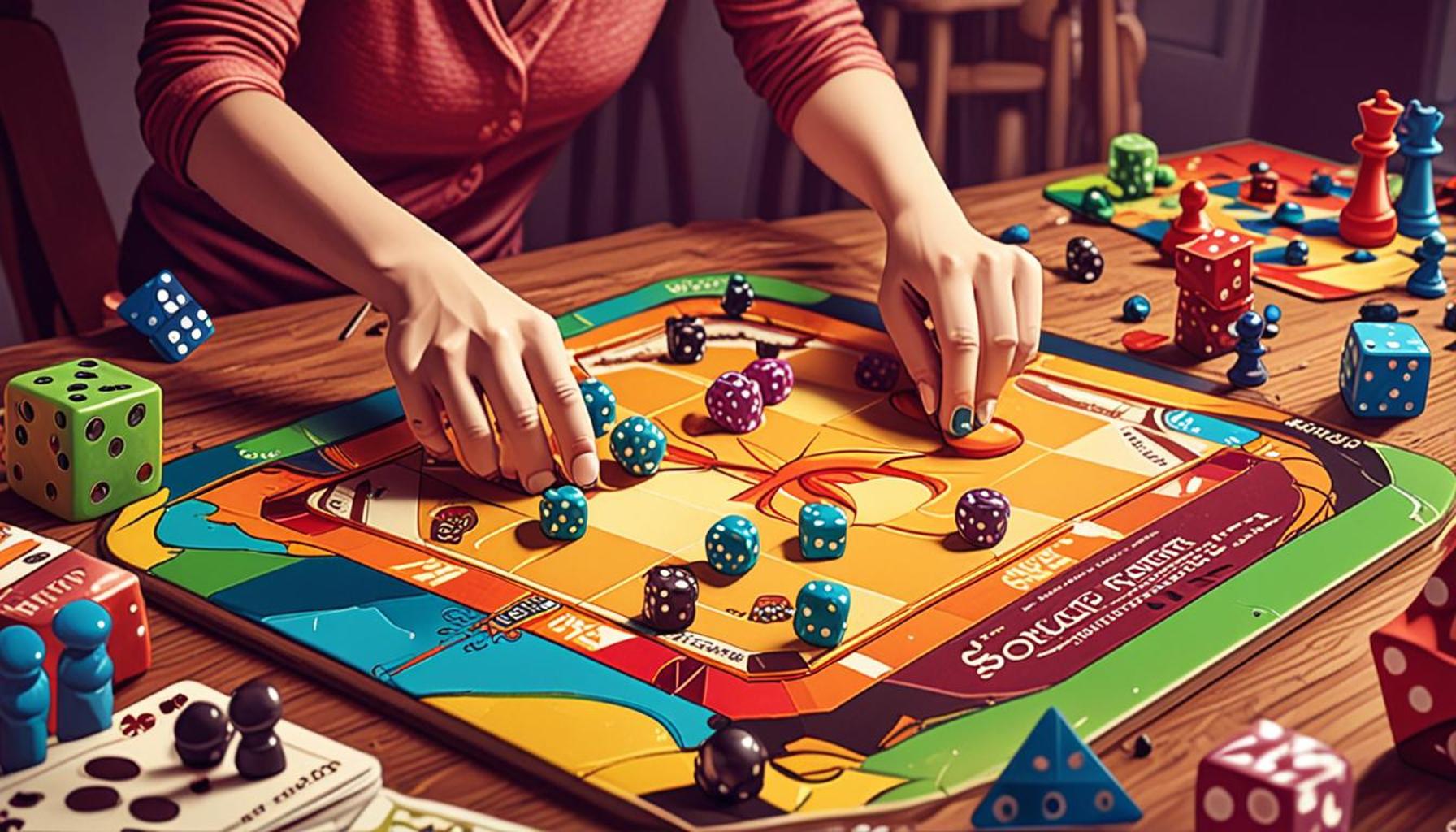
In today’s fast-paced world, where innovation is paramount, memory games have gained recognition not just as an amusing diversion, but as powerful catalysts for enhancing creativity. From traditional card-matching games commonly found on family game nights to sophisticated digital versions accessible on smartphones, these diverse games challenge our cognitive functions in ways that extend beyond simple entertainment.
The influence of memory games on creative thinking can be observed in various forms:
- Enhancement of cognitive abilities: Engaging with memory games on a regular basis can lead to substantial improvements in focus, attention span, and the ability to process information swiftly. For example, a study by the University of California showcased that participants who played memory-enhancing games showed marked improvement in their ability to concentrate for prolonged periods.
- Boosting problem-solving skills: Memory games often require players to analyze patterns and develop strategies, which inherently encourages creative problem-solving. A prime example is the game “Simon,” where players must remember increasingly complicated sequences of light and sound, pushing them to think critically and adapt quickly.
- Encouraging collaborative play: Many memory games can be played in teams, which not only makes them more fun but also encourages a spirit of collaboration. For instance, trivia-based memory games can incite lively discussions among teammates, inspiring innovative ideas as they pool their collective knowledge to solve challenges.
Numerous studies underline the benefits of memory games on cognitive flexibility, a crucial element for creative thought. For instance, research from Michigan State University found that college students who regularly participated in memory-related activities displayed enhanced brainstorming capabilities compared to their peers who refrained from such exercises. These findings suggest that memory games can facilitate a shift in the mind’s approach to tackling creative tasks.
As we further investigate this intriguing subject, we uncover a trove of insights into how memory games can serve as more than mere entertainment. Their potential to foster not just individual creativity but also collective innovation across various fields is profound. From education, where teachers can incorporate memory games into their lesson plans, to workplaces aiming to boost team dynamics, the applications are vast and impactful. With the growing emphasis on creativity in industries ranging from technology to the arts, understanding and utilizing the advantages of memory games may lead to groundbreaking discoveries and innovations.
DISCOVER MORE: Click here to learn how memory games can enhance your daily life

Unleashing the Potential: How Memory Games Boost Cognitive Flexibility
The connection between memory games and creative thinking is rooted in the way these games stimulate vital cognitive processes. The brain, much like a muscle, benefits from regular exercise, and engaging in memory-based activities can promote agility in thinking. As players memorize patterns, sequences, and details, they cultivate skills that are essential for innovation. This mental workout activates areas of the brain associated with creativity, leading to a broader approach to problem-solving.
Research highlights that memory games not only enhance retention capabilities but also facilitate cognitive flexibility. This flexibility is the key to adapting to new situations and finding innovative solutions to challenges. For instance, when playing games that require quick recall, such as “Memory” or even modern smartphone apps like “Peak,” players must switch their mental strategies rapidly based on the changing game environment. This habit of mental switching is synonymous with the way creative thinkers approach tasks and obstacles in real-life settings.
Furthermore, the allure of memory games lies in their inherent design, which often requires players to think outside the box. This is particularly evident in games that incorporate storytelling elements or thematic associations. When users have to remember not just items but also their contexts, this multi-layered thinking propels them toward greater creativity. Consider games like “Dixit,” where players must not only recall visual cues but also generate imaginative narratives based on them, prompting a unique convergence of memory and creativity.
Memory Games as a Foundation for Innovative Mindsets
Memory games play a crucial role in nurturing a mindset conducive to innovation across various sectors. Here are some specific benefits that support this assertion:
- Improved Focus: Regular engagement with memory games strengthens one’s ability to concentrate, allowing individuals to immerse themselves in creative endeavors without distraction.
- Enhanced Pattern Recognition: The repetitive nature of memory games trains players to notice patterns and connections, fostering the ability to make unique associations that are vital for creativity.
- Increased Resilience: Memory games often involve trial and error, teaching players the importance of persistence and adaptation—qualities that are essential in innovative thinking.
In the field of education, these benefits can be transformative. Educators integrating memory games into their curriculum find that students become more engaged and willing to explore complex subjects creatively. The interactive nature of these games encourages a playful learning atmosphere, breaking traditional barriers of fear associated with mistakes. Such a change not only fosters a love for learning but also equips students with the necessary skills for future challenges in a constantly evolving job market.
As we delve deeper into the science of memory games, it becomes evident that the implications extend far beyond cognitive enhancement. By nurturing creativity through structured play, individuals and organizations can unlock new avenues for innovation, laying the groundwork for groundbreaking advancements across multiple disciplines.
The Impact of Memory Games on Stimulating Creativity and Innovation
Memory games have increasingly been recognized for their potential to enhance not just cognitive functions but also creative processes. Engaging individuals in these games can stimulate both the mind and imagination, leading to new ways of thinking. Memory games challenge players to remember sequences, patterns, and shapes, which in turn fosters critical thinking. This mental exercise encourages a fluid thinking process, where individuals can connect seemingly unrelated ideas, thus paving the way for innovation. For instance, corporate environments that incorporate memory games into team-building exercises have reported an improvement in creative problem-solving among employees. Furthermore, research indicates that consistent participation in memory games can lead to the development of neural pathways that enhance creativity. When individuals engage in memory recall, they train their brains to quickly adapt and reorganize thoughts, which is essential for innovative thinking.The social aspect of memory games also contributes to creativity; playing in groups fosters collaboration and the exchange of diverse ideas. Through discussions and shared experiences, players can inspire one another, creating a rich environment where innovation thrives.Incorporating memory games into daily routines can benefit individuals from all age groups. Whether for children enhancing their learning experiences or adults seeking to boost their creative juices, the positive effects of memory games are undeniable. To illustrate these benefits further, the following table presents key advantages of memory games in relation to creativity and innovation:
| Category | Details |
|---|---|
| Enhanced Memory Retention | Improves memory capacities, vital for creativity. |
| Stimulated Idea Generation | Encourages quick connections between concepts, fostering innovation. |
These insights highlight how memory games not only enhance cognitive skills but are also a powerful tool for stimulating creativity and innovation. As we continue to explore the intersections of gameplay and creative thinking, the possibilities remain vast and exciting, urging further investigation into these transformative benefits.
DISCOVER MORE: Click here to unlock insights
Memory Games as Catalysts for Collaborative Innovation
In today’s fast-paced and interconnected world, the ability to collaborate effectively can significantly enhance creative output. Memory games provide an engaging platform for honing collaboration skills while simultaneously fostering creativity. Whether in a corporate setting, educational institution, or community project, group-based memory games encourage participants to work together, share ideas, and build on each other’s strengths.
Group activities that incorporate memory components can quickly create an exciting atmosphere that sparks innovation. For example, consider a team-building exercise where employees are divided into small groups to play a memory card game. This setting not only compels them to strategize together, but also promotes open communication. As team members exchange thoughts and strategies, they foster an environment rich in creativity, where the free flow of ideas can lead to breakthrough solutions.
Research-Backed Insights on Memory Games and Team Creativity
Several studies suggest that memory games can directly impact a team’s creative dynamics. Research from the Journal of Creative Behavior indicates that groups engaged in memory-enhancing activities show higher levels of creativity compared to those who do not. This finding underscores the potential of memory games to unlock collective creativity through active engagement and shared experience. The results demonstrate that a playful approach to learning and collaboration not only makes the process enjoyable but also drives tangible outcomes in innovation.
Moreover, memory games can help to dismantle hierarchical barriers within organizations. By promoting equal participation, these games enhance a sense of belonging among team members, encouraging everyone to contribute their unique perspectives. For example, in brainstorming sessions that follow a memory exercise, all participants may feel more empowered to share their imaginative ideas without fear of judgment, leading to diverse outcomes that can significantly enhance project initiatives.
Real-world Applications of Memory Games in Business Innovation
Recognizing the power of memory games, various companies have integrated these activities into their professional development programs. Major corporations such as Google and Microsoft employ memory games as part of their team-building exercises, targeting improved cognitive functioning and heightened creativity. By doing so, they not only enhance individual capabilities but also foster a culture of innovation that permeates the entire organization.
- Product Development: Teams engaged in memory games can brainstorm and prototype groundbreaking products, utilizing the cognitive advantages they cultivate through gameplay.
- Marketing Strategies: Engaging in memory-related tasks helps marketers spot trends and connections often overlooked, enabling innovative campaigns that resonate with their audience.
- Problem Solving: Companies utilizing memory games can generate novel solutions to complex challenges, driven by the enhanced creativity that stems from these playful exercises.
In the educational domain, memory games can cultivate collaboration among students. Implementing group memory activities in classrooms encourages students to work as a unit while immersing themselves in the learning process. This kind of shared experience not only reinforces their cognitive skills but also builds a sense of camaraderie that is crucial for successful group projects and overall academic achievement. Here, educators can introduce memory games tailored to specific subjects, enhancing not only retention but also creativity, as students learn to make connections between diverse pieces of information.
Ultimately, memory games serve as a dynamic tool that catalyzes collaboration and creativity across various environments. By leveraging the engaging nature of these games, organizations and educational institutions can unlock unprecedented levels of innovation and imaginative thinking.
DISCOVER MORE: Click here for insights on how puzzles boost your brain
Conclusion: Harnessing the Power of Memory Games for Creative Breakthroughs
In a world where creativity and innovation are paramount, memory games emerge as potent catalysts for fostering these essential skills across diverse settings. They serve not only as tools for enhancing cognitive abilities but also as dynamic mechanisms for collaboration and idea exchange. With research highlighting the positive correlation between memory games and elevated creative output, it’s evident that engaging in these activities can lead to substantial advancements in both individual and collective capacities for innovation.
As we have explored, organizations like Google and Microsoft illustrate how memory games are effectively integrated into professional development, promoting a culture steeped in creativity and enhanced problem-solving capabilities. Similarly, in educational contexts, these games facilitate teamwork among students, enabling them to forge connections that extend their learning experiences beyond traditional boundaries.
Ultimately, the findings advocate for a wider adoption of memory games in workplaces and classrooms alike. By embracing these playful yet purposeful activities, we can cultivate environments that not only encourage creativity but also empower individuals to think outside the box. As we strive for progress in various fields, memory games may well prove to be the secret ingredient that bridges the gap between imagination and implementation, unlocking a future filled with innovative possibilities. In this journey towards a more creative society, it is time to recognize and harness the transformative impact of memory games on our collective ingenuity.