The Impact of Nutrition on Memory Performance During Mind Games and Puzzles
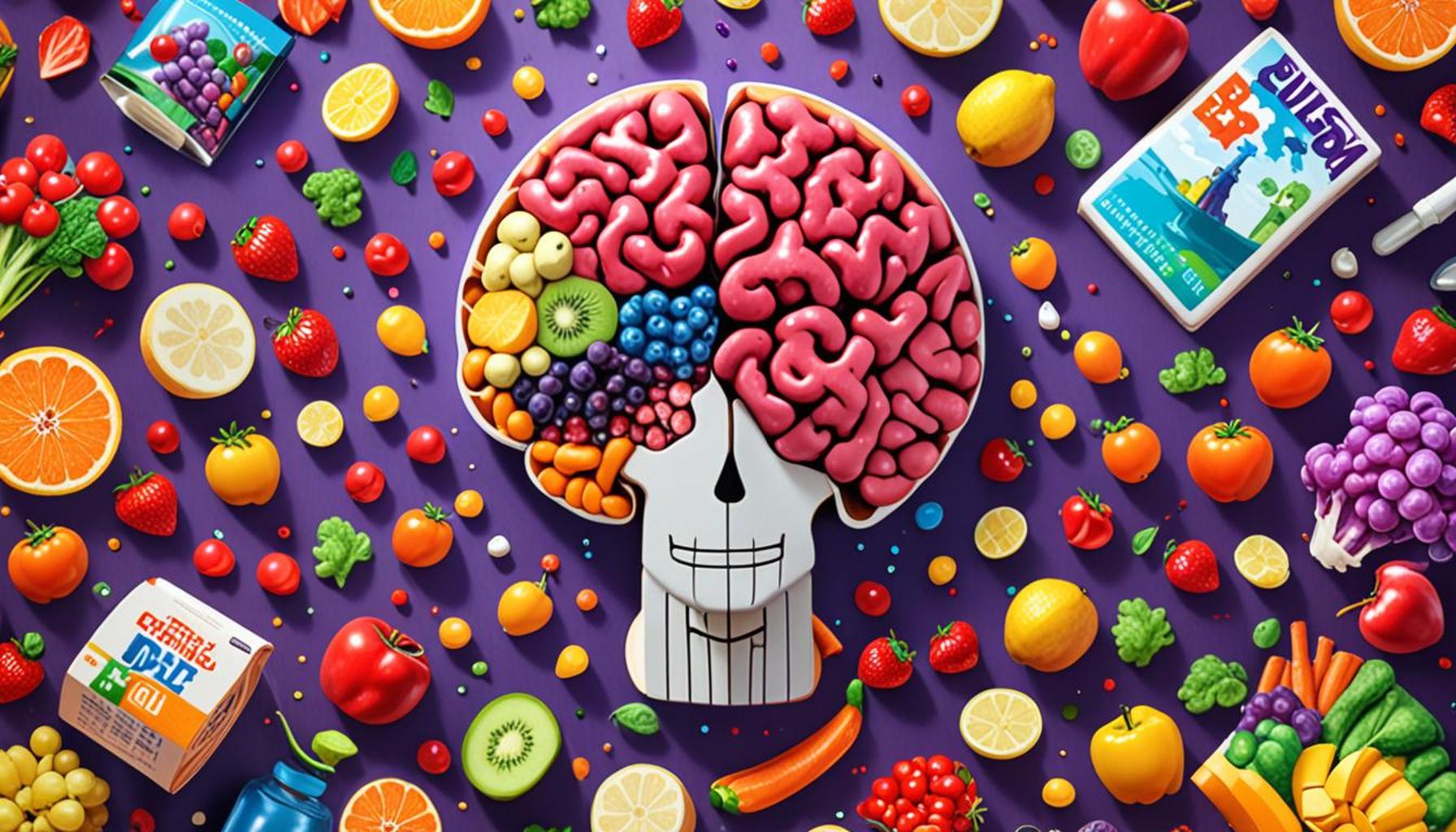
The Impact of Nutrition on Cognitive Performance
Engaging in mind games and puzzles can be enjoyable and mentally stimulating, but the effectiveness of these activities heavily relies on the right nutritional support. Just as athletes require specific diets to boost their physical performance, individuals aiming to enhance their cognitive abilities must pay mindful attention to their dietary choices. Scientific studies increasingly underscore the undeniable connection between nutrition and brain function, highlighting how what we eat plays a pivotal role in our mental agility.
Understanding the specific nutrients that benefit brain function can transform the way we approach our daily meals. For instance, brain-boosting foods like fatty fish are rich in omega-3 fatty acids, which are crucial for maintaining neuronal structure and supporting memory performance. Foods such as salmon, sardines, and mackerel contribute not only to improved cognitive function but also to a lower risk of mental decline as we age. Furthermore, antioxidants found in berries and leafy greens can combat oxidative stress in the brain, leading to a sharper focus during complex tasks.
Moreover, hydration matters significantly in cognitive performance. Research indicates that even mild dehydration can lead to difficulties in concentrating, increased fatigue, and irritability. Staying hydrated by drinking water throughout the day is essential, especially prior to engaging in challenging mental tasks. Simple measures, such as keeping a water bottle at hand or consuming water-rich foods like cucumbers and watermelon, can help maintain optimal hydration levels.
Another crucial aspect to consider is meal timing. Studies have shown that the brain requires a steady supply of energy, which can be influenced by when we eat. Consuming a well-balanced meal or a healthy snack before engaging in mentally demanding tasks can enhance focus and mental clarity. Conversely, heavy meals may lead to sluggishness and decreased cognitive agility. Planning meals around activities that require heightened concentration, such as studying or playing strategy games, can make a tangible difference in performance.
As we explore how nutrition affects cognitive performance, it’s essential to recognize the broader implications of our dietary choices. A balanced diet, abundant in whole foods, promotes not just memory enhancement but also overall mental wellness. On the flip side, diets high in processed foods, sugars, and unhealthy fats can impede cognitive processes, leading to a decline in mental agility and quick thinking. This is particularly vital for individuals who regularly engage in cognitive challenges, as the right nutritional strategy could serve as a hidden advantage in competitive environments.

In essence, the journey towards unlocking one’s cognitive potential can be fortified through mindful nutritional practices. By aligning dietary habits with cognitive activities, one can not only boost memory and focus but also gain an upper hand in mentally challenging pursuits. Whether it’s solving intricate puzzles or competing in complex strategy games, the secret to success may well lie in the food we choose to fuel our minds.
DISCOVER MORE: Click here for tips on stimulating creativity in children
Essential Nutrients for Enhancing Cognitive Function
As we delve further into the intricate relationship between nutrition and cognitive performance during mind games and puzzles, it is crucial to pinpoint the key nutrients that can provide a substantial boost to memory and focus. Several vitamins, minerals, and dietary components play significant roles in optimizing brain health, and their impact can be profound when engaging in challenging mental tasks.
One nutrient that demands attention is omega-3 fatty acids. These essential fats are predominantly found in fatty fish, such as salmon, tuna, and sardines. Research suggests that omega-3s aid in building and maintaining brain cells, which are vital for memory and overall cognitive function. Additionally, a study published in the journal Frontiers in Aging Neuroscience indicates that individuals with higher levels of omega-3s in their diet perform better on memory tests and experience less cognitive decline as they age.
Moreover, antioxidants present in fruits and vegetables are indispensable allies in the fight for sharper mental acuity. Foods rich in antioxidants, like blueberries, strawberries, and spinach, help to mitigate oxidative stress and inflammation in the brain, which can impair cognitive function. The brain is particularly vulnerable to oxidative damage because it consumes a significant amount of oxygen and energy; thus, incorporating colorful, antioxidant-rich produce into daily meals is a practical approach to bolstering brain health.
On the other hand, high-quality proteins are crucial for cognitive function as they provide amino acids that aid in neurotransmitter production. Certain neurotransmitters, such as dopamine and serotonin, are vital for regulating mood, focus, and motivation. Lean sources of protein, including chicken, turkey, beans, and legumes, contribute to sustained energy levels, allowing individuals to remain alert and engaged during cognitive tasks.
The Role of a Balanced Diet in Mental Agility
Achieving a balance of these essential nutrients can be done through a well-rounded diet. To ensure optimal cognitive performance, consider incorporating the following dietary components into your meals:
- Fatty Fish: Aim for at least two portions of oily fish each week for a healthy dose of omega-3 fatty acids.
- Berries: Snack on a variety of berries to harness the memory-boosting properties of antioxidants.
- Leafy Greens: Dark leafy vegetables, such as kale and spinach, offer vital nutrients to support overall brain function.
- Whole Grains: Foods like oats, quinoa, and brown rice provide a steady source of glucose, crucial for sustained mental energy.
- Nuts and Seeds: A handful of walnuts, almonds, or chia seeds can provide essential fatty acids and antioxidants.
By combining these nutrient-rich foods into a balanced diet, individuals engaging in mind games and puzzles can significantly enhance their memory performance and mental clarity. The impact of what we eat transcends beyond mere energy levels, as it lays the foundation for cognitive resilience and success in challenging mental endeavors.
The relationship between nutrition and brain health is becoming increasingly evident, with specific nutrients playing crucial roles in cognitive functions including memory. When engaging in mind games and puzzles, they not only serve as entertainment but also challenge the brain and sharpen mental acuity. However, the impact of what we consume cannot be overlooked. Certain foods can enhance our memory performance, making them vital for anyone looking to optimize their puzzle-solving skills.
For instance, omega-3 fatty acids, found in fish such as salmon and sardines, have been shown to improve cognitive functions and promote neuroplasticity—the brain’s ability to form and reorganize synaptic connections. Consuming these nutrients can lead to improved memory retention and overall cognitive performance during mentally taxing tasks.
Moreover, antioxidants from fruits and vegetables, such as berries and leafy greens, protect brain cells from oxidative stress, which can be detrimental to memory performance. These foods not only provide a burst of energy but also help maintain a sharp focus, crucial when tackling challenging puzzles. Similarly, whole grains offer a steady supply of glucose, which is vital for brain function. Regular consumption can ensure that the brain remains energized, allowing for sustained concentration and improved performance.
Hydration is another essential aspect that affects cognitive abilities. Dehydration can lead to decreased attention and memory, making it essential to consume adequate amounts of water throughout the day. As mind games and puzzles require sustained mental effort, maintaining hydration levels can be a simple yet effective way to enhance memory performance.
As we dive deeper into the study of nutrition and its influence on cognitive functions, the interplay between diet and brain activity during mind challenges becomes increasingly apparent. With the right balance of nutrients and hydration, individuals can boost not only their enjoyment of these activities but also their overall cognitive fitness.
| Nutritional Category | Benefits for Memory Performance |
|---|---|
| Omega-3 Fatty Acids | Enhances neuroplasticity and memory retention. |
| Antioxidants | Protects brain cells and improves focus. |
| Hydration | Maintains attention and cognitive performance. |
DISCOVER MORE: Click here to enhance your relaxation techniques
Hydration and Its Influence on Cognitive Function
While much focus is often placed on solid nutrition, it is essential not to overlook the role of hydration in boosting memory performance during mind games and puzzles. Dehydration can lead to noticeable declines in cognitive function, affecting everything from attention span to reasoning skills. The human brain is composed of approximately 75% water, making it critical to maintain adequate fluid levels for optimal mental performance.
A study published in the journal Frontiers in Human Neuroscience found that even mild dehydration can impair cognitive abilities, particularly in tasks requiring attention and working memory. Participants who were moderately dehydrated exhibited slower reaction times and greater difficulty concentrating on complex mental challenges. This highlights the importance of staying hydrated, especially during mentally demanding activities.
The recommended daily water intake can vary based on factors like age, sex, and physical activity levels, but a general guideline for adults is to aim for around 64 ounces (or eight 8-ounce glasses) of water per day. It can be beneficial to incorporate hydrating foods, such as fruits and vegetables like cucumbers and oranges, which can contribute to overall hydration levels.
The Impact of Timing and Meal Composition
In addition to what we eat and drink, when we eat can profoundly influence cognitive performance. Consuming a well-balanced meal before engaging in mind games and puzzles can set the stage for optimal focus and memory retention. Ideally, meals should contain a combination of carbohydrates, proteins, and healthy fats to ensure a sustained release of energy.
Complex carbohydrates, such as those found in whole grains, provide a steady source of glucose which the brain relies on for immediate energy. Pairing these carbs with lean proteins can help maintain a balanced blood sugar level, enhancing concentration and overall cognitive abilities. For instance, a breakfast comprising oatmeal topped with sliced bananas and nuts can be an effective way to fuel your brain for a day filled with mental challenges.
Moreover, studies have shown that individuals may benefit from regular, smaller meals throughout the day rather than fewer large meals. This approach can help prevent spikes and crashes in blood sugar levels, maintaining cognitive resilience during prolonged periods of mental exertion. Snacking on nuts, yogurt, or carrot sticks can keep the mind engaged and fuel the body effectively before diving into a challenging puzzle or strategic game.
Considerations for Special Diets
As the dietary landscape continues to evolve, many individuals are adopting specialized diets that may influence memory performance and cognitive function during puzzles. For instance, those following a Mediterranean diet, rich in whole grains, lean proteins, healthy fats, and plenty of fruits and vegetables, have been associated with improved cognitive health and a decreased risk of memory decline as compared to less balanced dietary patterns.
Similarly, plant-based diets that center on whole foods can offer protective benefits due to their high nutrient density. Foods rich in flavonoids, such as dark chocolate and citrus fruits, have been linked to enhanced memory capabilities and may prove advantageous during mentally demanding tasks. However, it’s crucial to ensure that nutritional needs are adequately met, especially for those who may be eliminating certain food groups.
As we navigate through these various dietary considerations, it’s clear that a well-planned nutritional approach can significantly impact memory performance during mind games and puzzles. Focusing on hydration, meal composition, and suitable dietary patterns can empower individuals to maximize their cognitive potential and engage with challenging tasks more effectively.
DIVE DEEPER: Click here to discover more
Conclusion: Fueling the Mind for Success
In conclusion, the link between nutrition and memory performance during mind games and puzzles cannot be overstated. As we’ve explored, the components of a balanced diet—including essential vitamins, minerals, healthy fats, and proteins—play a critical role in optimizing cognitive function. Maintaining proper hydration levels is equally crucial, as even mild dehydration can lead to diminished mental acuity and focus.
Timing and meal composition further contribute to cognitive performance, with smaller, frequent meals providing a steady source of energy and enhanced concentration. Consideration of special diets, such as the Mediterranean diet or plant-based nutritional choices, illustrates how a thoughtful approach to eating can bolster memory and overall brain health.
The evidence suggests that individuals aiming to excel at mental challenges should prioritize their dietary choices as strategically as they approach the games themselves. By understanding and leveraging the impact of nutrition on cognitive performance, one can unlock untapped potential and improve outcomes during mind games and puzzles.
As you reflect on your own eating habits, remember that the brain is indeed a product of its environment, starting with the nutrients consumed. So, next time you prepare for a puzzle or a game, consider not just your strategy, but also the foods that will fuel your success. The right nutritional approach could be the difference in achieving mental clarity and peak performance.