The Impact of Nutrition on Pet Longevity: Factors to Consider for a Long and Healthy Life

Understanding Nutrition’s Role in Pet Longevity
Pet ownership brings immense joy and companionship, and with this bond comes the important duty of ensuring our furry friends lead long and healthy lives. One of the most crucial factors contributing to your pet’s well-being is nutrition. It’s not just about feeding them; it’s about making informed choices that cater to their specific needs.
Research consistently demonstrates that a well-balanced diet can substantially influence the lifespan of pets, making nutritional decisions paramount for pet owners. To navigate this complex landscape of pet nutrition effectively, consider several key factors:
- Age: Nutritional needs shift as pets progress through different life stages. Puppies and kittens require diets rich in protein and energy to support their rapid growth, whereas senior pets may benefit from lower calories and specialized nutrients to maintain joint health and overall vitality.
- Breed: Specific breeds may have unique dietary requirements. For example, large breeds like Great Danes are prone to certain dietary-induced health issues, necessitating formulations that support proper growth and prevent bloat. On the other hand, smaller breeds may require diets that focus on dental health to counteract their propensity for dental disease.
- Health conditions: Existing medical issues must influence dietary choices. Pets with diabetes may need high-fiber diets that help regulate blood sugar, while those with allergies might require hypoallergenic food options. Consulting with a veterinarian can provide valuable guidance in these situations.
- Quality of ingredients: The quality of ingredients plays a significant role in overall health. Fresh, whole foods without fillers or artificial additives can support stronger immune systems and improve coat quality. A diet rich in fruits and vegetables can also provide essential vitamins and antioxidants.
Understanding these elements allows pet owners to make informed nutritional choices for their companions. For instance, incorporating omega-3 fatty acids, found in fish oil and flaxseed, can greatly benefit heart health as well as enhance cognitive function in aging pets. On the other hand, ensuring an adequate protein intake is essential for maintaining muscle mass, especially in older animals.
As we delve into the fascinating relationship between nutrition and pet longevity, let’s explore how the right dietary habits can help your beloved companion live their best life yet. Through careful consideration of age, breed, health conditions, and ingredient quality, we can create a tailored nutrition plan that promotes longevity and improves the overall quality of life for our pets. Always remember, holistic pet nutrition is an ongoing journey, and consulting with professionals can help steer you towards the best dietary regimen for your four-legged family members.
Navigating the Nutritional Needs of Your Pets
The dietary landscape for pets can appear overwhelming to many pet owners, especially when faced with a variety of options and advice. However, understanding the impact of nutrition on pet longevity can simplify the decision-making process and help ensure a fulfilling life for your furry companions. It’s essential to recognize that each pet is unique and requires a tailored approach to diet that reflects their individual health status and lifestyle.
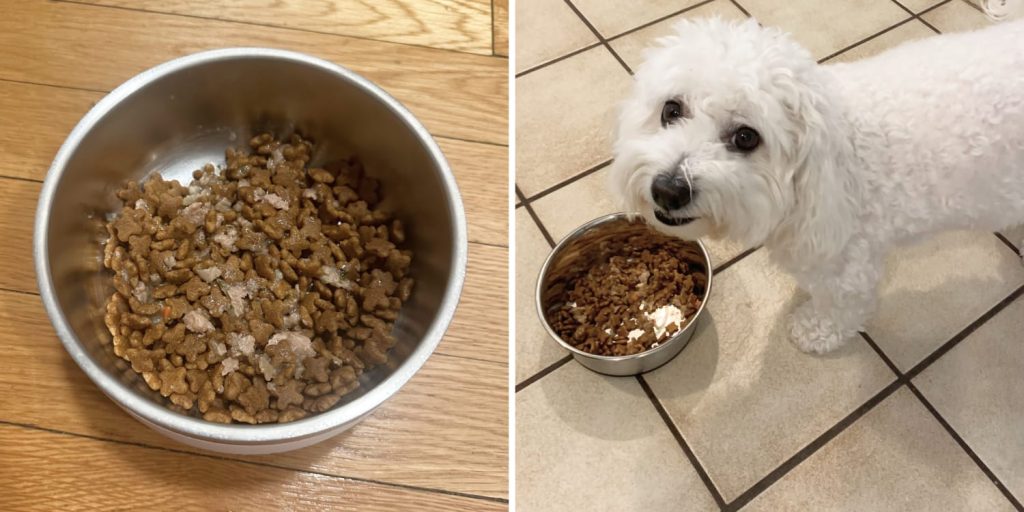
One vital aspect often overlooked is the significance of life stage nutrition. Just like humans, pets have varying nutritional needs throughout their lives. For instance, puppies and kittens are in periods of growth where they not only need higher caloric intake but also specific nutrients essential for growing bones and muscles. In contrast, adult dogs and cats require balanced diets aimed at maintaining their energy levels without contributing to obesity. Finally, senior pets present a whole new set of considerations; they may need lower calorie foods along with supplements like glucosamine that support joint health.
When evaluating your pet’s diet, it’s essential to consider their breed. Each breed may inherit genetic predispositions that affect their dietary needs. For example:
- Large breeds such as Golden Retrievers or Great Danes are prone to joint issues and bloat, requiring diets that manage their growth rates and support overall orthopedic health.
- Small breeds like Chihuahuas may struggle with dental health; therefore, their foods should focus on promoting oral care while delivering sufficient energy packed in smaller kibble sizes.
- Working breeds, such as Border Collies, have elevated energy requirements and need nutrient-dense options that can fuel their active lifestyles.
Furthermore, pre-existing health conditions markedly influence dietary choices. A pet diagnosed with conditions such as obesity, diabetes, or kidney disease will have specific dietary restrictions and needs. For instance, diabetic pets benefit from high-fiber diets to help regulate blood sugar, while those with kidney disease often require controlled protein levels along with specific phosphorus restrictions. It’s imperative to work alongside your veterinarian to tailor a diet that caters to these individual health concerns.
The quality of ingredients is also a non-negotiable aspect of pet nutrition. Pet foods marketed as premium often contain higher-quality proteins and fewer fillers. Whole, natural ingredients devoid of artificial additives can enhance overall health and ensure that pets receive the essential vitamins and minerals critical for supporting their immune systems. Additionally, incorporating whole foods, including fruits and vegetables, can provide invaluable antioxidants that combat free radicals and bolster cellular health.
Understanding the intricate relationship between nutrition and pet longevity is crucial for any pet owner seeking to provide for their beloved companions. By considering factors such as life stage, breed, health conditions, and ingredient quality, you’ll be on a promising path to designing a nutrition plan that supports your pet’s long and vibrant life.
The Importance of Balanced Nutrition for Pets
When we talk about pet longevity, nutrition stands as a cornerstone in ensuring a long and healthy life for our furry companions. A balanced diet tailored to an individual pet’s needs can make profound differences in overall health, energy levels, and life expectancy. With the growing amount of research highlighting the link between nutrition and health, pet owners should pay close attention to the quality of food they provide.One crucial aspect of pet nutrition is the inclusion of high-quality proteins, which are vital for maintaining lean muscle mass and facilitating repair processes in the body. Pets that receive adequate protein typically exhibit improved vitality, better organ function, and a robust immune system. Additionally, fats and carbohydrates must not be overlooked, as they are essential sources of energy and play significant roles in hormonal balance and cellular structure.However, it isn’t just the macronutrients that need attention. Micronutrients such as vitamins and minerals also contribute significantly to a pet’s well-being. Antioxidants, for instance, help combat oxidative stress, which is known to accelerate aging and the development of chronic diseases. Placing emphasis on whole foods rich in these elements, such as fresh vegetables and fruits, can yield favorable outcomes for pet longevity.In exploring the connection between specific nutrients and longevity, studies show that omega-3 fatty acids, prevalent in fish oils and certain plant oils, can reduce inflammation and support heart health. This impacts not only the expected lifespan but also the quality of life in senior pets, decreasing the prevalence of age-related conditions.To create the best nutritional regimen for a pet, owners should consult with veterinarians or pet nutritionists for tailored advice based on their pet’s breed, age, and health conditions. Adopting a wholesome diet that evolves with the pet’s life stages is fundamental in maximizing its life expectancy.As you reflect on the importance of nutrition, consider the benefits of homemade diets or specialized commercial pet foods formulated with high-quality ingredients. Exploring options, combined with regular health check-ups, sets the stage for a pet’s long-term health and happiness. Increasing awareness of nutritional impacts spotlights a promising path toward enhancing not just lifespan but quality of life.
| Nutrition Aspect | Key Benefits |
|---|---|
| High-Quality Proteins | Supports muscle maintenance and repair |
| Omega-3 Fatty Acids | Reduces inflammation and promotes heart health |
| Vitamins and Minerals | Boosts immune function and combats oxidative stress |
| Whole Food Diets | Enhances vitality and promotes overall well-being |
Incorporating these nutritional elements into a pet’s diet can change the course of their lives, leading to healthier, happier years well into their golden age. By understanding and implementing the crucial impact of nutrition, pet owners can create a life filled with vitality for their cherished companions.
The Role of Feeding Practices in Pet Health
Beyond tailoring the right diet based on life stage, breed, and health conditions, the way pet owners approach feeding practices significantly impacts their furry friends’ health and longevity. Whether you opt for commercial pet food or a homemade diet, the structure and routine of meals can play a vital role in enhancing your pet’s well-being.
Portion control is a critical factor to consider. Overfeeding is one of the leading causes of pet obesity, which can lead to a myriad of health problems including diabetes, arthritis, and heart disease. For example, studies reveal that maintaining a pet at a healthy weight can extend their lifespan by up to two years or more. To achieve this, pet owners should adhere to feeding guidelines provided by veterinarians or pet food manufacturers and adjust portions according to their pet’s activity levels and health requirements.
Another essential aspect of feeding practices is the frequency of meals. For many dogs, two meals a day suffice, while some small breed dogs may benefit from three or four smaller portions. Cats, known for their grazing behavior, might thrive on free feeding as long as their total caloric intake is monitored. Establishing a consistent feeding time helps regulate metabolism and can also produce behavioral benefits by reducing anxiety associated with food availability.
The method of food preparation also affects nutrition. Pet-friendly diets that include lightly cooked meats or whole grains can provide better digestibility and nutrient absorption compared to highly processed kibble. A growing trend among pet owners is the preparation of fresh food diets, prepared at home with ingredients that are known and trusted. However, it is crucial to ensure that any homemade diets are well-balanced and meet the pet’s nutritional needs, potentially requiring consultation with a veterinary nutritionist.
As pet owners become more educated about nutrition, many are turning to new technologies to enhance dietary planning. Apps and online resources, such as pet food calculators and meal planners tailored to pets’ specific needs, can assist in crafting nutritious meal plans. Additionally, wearable tech that tracks a pet’s activity levels can provide insights into calories burned, ensuring that food intake aligns with energy output.
Hydration is another factor that often gets overlooked but is paramount for pet health. Fresh water should always be available, and pet owners might consider incorporating wet food into a pet’s diet, especially for those prone to urinary tract issues. A pet’s hydration status can greatly influence their overall health, impacting everything from kidney function to skin condition.
Lastly, feeding your pet according to their nutritional needs is not solely about physical health; there are emotional and social dimensions as well. Meal times can provide an excellent opportunity for bonding through positive interactions. Feeding practices such as using puzzle feeders can engage pets mentally and encourage slower eating, which helps in digestion and reduces gulping.
The dynamic nature of pet nutrition emphasizes that it is multifaceted, intertwining diet composition, feeding frequency, method of preparation, and hydration. By recognizing the importance of these factors, pet owners can play a proactive role in enhancing not only their pets’ longevity but also the quality of their lives, ensuring that they remain healthy and vibrant companions for many years to come.
Conclusion
In summary, the connection between nutrition and pet longevity is more profound than many pet owners may realize. By understanding the fundamental role that a well-balanced diet plays in promoting health, pet owners can significantly enhance the lifespan and quality of life for their beloved animals. From the early stages of life through to their senior years, tailoring a diet that considers life stages, breeds, and specific health needs is essential.
Moreover, adopting effective feeding practices such as maintaining portion control, meal frequency, and hydration not only supports physical health but also fosters emotional well-being. Integrating fresh ingredients and opting for less processed foods can improve nutrient absorption, further contributing to a pet’s vitality. Today’s advancements in pet nutrition technology provide an opportunity for pet owners to personalize meal plans better than ever before.
Ultimately, bonding during meal times and understanding your pet’s specific nutritional needs are crucial components of this holistic approach. By engaging in informed feeding practices and remaining vigilant about their pets’ dietary requirements, owners can turn daily routines into avenues for extending their pets’ lives. For those looking to deepen their understanding of this vital aspect of pet care, delving into the vast resources available—from veterinary advice to reputable nutritional studies—can reveal even more insights into optimizing pet health.
As the journey towards a long and healthy life for pets begins with informed choices, the responsibility falls on us as caretakers to ensure that our furry companions receive the best nutrition possible. Doing so not only protects their health but also enriches the time you share together.