The Impact of Performing Arts on Mental Health and Well-Being

Exploring the Connection Between Performing Arts and Mental Health
The world of performing arts encompasses a rich tapestry of expression, ranging from theater and dance to music and spoken word. Each of these art forms carries the potential to profoundly influence mental health and well-being in various ways. The therapeutic qualities of performing arts are becoming increasingly recognized by mental health professionals, educators, and community leaders across the United States.
Research indicates that engaging in performing arts can lead to numerous benefits:
- Enhanced Emotional Expression: Artistic activities provide a safe outlet for individuals to express complex feelings. For instance, a person struggling with grief might find solace in writing and performing a monologue that reflects their journey, allowing for catharsis and understanding.
- Increased Social Connectivity: Participating in group performances fosters community and reduces feelings of isolation. Community theater or local dance troupes not only cultivate a sense of belonging but also enable individuals to form meaningful relationships while working toward a shared goal.
- Stress Reduction: Engaging in creative practices can significantly lower cortisol levels and alleviate anxiety. Activities like drumming circles or improvised theater exercises have proven effective in creating a zen-like state, offering participants a break from daily stressors.
In the United States, initiatives promoting the arts in schools and local communities have increasingly been recognized for their therapeutic effects. Numerous studies have shown that children involved in arts education exhibit higher self-esteem and better social skills. For example, programs such as music therapy utilize instruments and songs to help children with autism express emotions and connect with their surroundings.
Additionally, drama therapy involves using performance techniques to help individuals process and confront personal challenges. In therapeutic settings, this approach may see participants enact scenarios that reflect their real-life struggles, providing insights and coping strategies that are often difficult to articulate verbally.
As awareness grows, more people are turning toward the performing arts to enhance their overall mental health. Organizations like the National Endowment for the Arts support research into the arts and mental well-being, revealing that participating in the arts can boost psychological resilience and create pathways to healing.
By exploring how these creative outlets benefit individuals, we can gain a deeper understanding of the role the arts play in fostering resilience and promoting emotional well-being. This connection holds promise not only for individual self-improvement but also for creating more cohesive, supportive communities in the face of modern societal challenges. Engaging with performing arts offers a unique lens through which individuals can explore their experiences, enhance their mental health, and embrace a more fulfilling life.
DISCOVER MORE: Click here to dive deeper
The Therapeutic Potential of Performing Arts
As mental health continues to gain recognition as a pivotal aspect of overall well-being, the therapeutic potential of performing arts becomes increasingly noteworthy. Engaging in artistic activities can serve not merely as entertainment but as a vital mechanism for fostering emotional healing and personal growth. Various studies have illuminated the diverse ways in which performing arts contribute to mental health, providing evidence that underscores their importance within both clinical practices and community initiatives.
One of the primary ways that performing arts support mental well-being is through the process of enhancing emotional intelligence. Studies suggest that individuals who participate in the arts often develop a heightened ability to recognize and process their emotions. This is particularly critical for populations dealing with emotional regulation issues, such as adolescents navigating the tumultuous transition into adulthood. For instance, youth involved in theater programs can experiment with different emotions and perspectives, allowing them to cultivate empathy and resilience.
Moreover, performing arts play a crucial role in building cognitive skills. Activities such as learning choreography in dance or memorizing lines in theater promote mental agility and concentration. The process can significantly improve memory functions and provide individuals with skills that translate into daily life—even boosting academic performance. When an individual grasps the effort behind memorizing and performing a complex piece, it instills a sense of accomplishment that nurtures self-confidence and can combat feelings of inadequacy.
Another noteworthy element is the chance for participants to engage in what is termed as flow state. This psychological concept refers to a highly focused mental state during which individuals become completely absorbed in their artistic expression. Engaging in this “flow” can lead to profound happiness and satisfaction, mitigating stress and anxiety symptoms. In community settings across the United States, programs that incorporate movement and artistic expression—ranging from improv comedy to community choir—often report that participants regularly experience this state, reinforcing their mental health.
The integration of performing arts into therapy programs highlights their growing significance. Mental health professionals increasingly recognize methods such as dance/movement therapy and music therapy as effective interventions for various mental health disorders. Participants can explore their feelings creatively while simultaneously benefiting from the physical engagement involved in dance or the calming effects of music. These therapies have shown promise in treating conditions like depression, anxiety, and PTSD, indicating the profound link between creative expression and psychological well-being.
As cities across the United States strive to cultivate a culture of inclusion and belonging, the integration of performing arts into educational curricula and community programs presents a dual opportunity. Not only do these programs create artistic opportunities, but they also become platforms for community building—where social interaction and collective creativity foster deeper connections among individuals.
With evidence piling up in support of the link between the performing arts and mental health, it’s clear that as we embrace these forms of expression, we also enhance our emotional landscapes, paving the way for a healthier and more connected society.
The Impact of Performing Arts on Mental Health and Well-Being
The intersection of performing arts and mental health is a fascinating realm that has garnered increasing attention in recent years. Engaging in activities such as theater, music, and dance can significantly enhance emotional resilience and improve overall well-being. Research has shown that participating in these creative expressions can lead to reductions in anxiety, depression, and stress levels. The act of performing not only allows individuals to express their emotions but also fosters a sense of belonging and community, pivotal in combating feelings of isolation.For instance, initiatives like community theater and music therapy have been recognized for their strength in providing a supportive platform for self-expression. These activities encourage participants to share personal narratives and experiences, which in turn can promote healing and understanding. Moreover, studies suggest that people who engage in performing arts report higher levels of satisfaction and happiness in their daily lives due to the creative outlet it provides.Furthermore, the physical aspects of performing arts—such as movement in dance or vocal expression in music—also play a crucial role. They not only boost physical health through improved motor skills and coordination but also stimulate the brain, enhancing cognitive functions. The combination of physical activity and artistic endeavor contributes significantly to the enhancement of mental clarity and emotional stability.The benefits stretch beyond the individual; various organizations and communities are recognizing the potential of performing arts as a vehicle for social change, advocating for mental health awareness and creating platforms for open dialogue about mental well-being. As we continue to explore the profound effects of performing arts on mental health, it becomes evident that these art forms are not just mere entertainment but vital tools for nurturing personal growth and societal cohesion. Furthermore, the opportunity for personal reflection that arises in performing arts can lead to transformative experiences for both performers and audiences alike. It invites individuals to delve into their emotional landscapes and discover new pathways of healing and understanding, urging us to re-evaluate the significance of art in our lives.
| Category | Advantages |
|---|---|
| Emotional Expression | Allows individuals to convey emotions, leading to psychological relief. |
| Social Connection | Creates a supportive community, reducing feelings of isolation. |
| Cognitive Enhancement | Stimulates brain activity, improving mental clarity and focus. |
| Physical Benefits | Encourages physical movement, enhancing overall health. |
By immersing ourselves in the world of performing arts, we open doors to not only personal healing and growth but also to a more connected and understanding society.
LEARN MORE: Click here to dive deeper
Community Impact and Social Connection
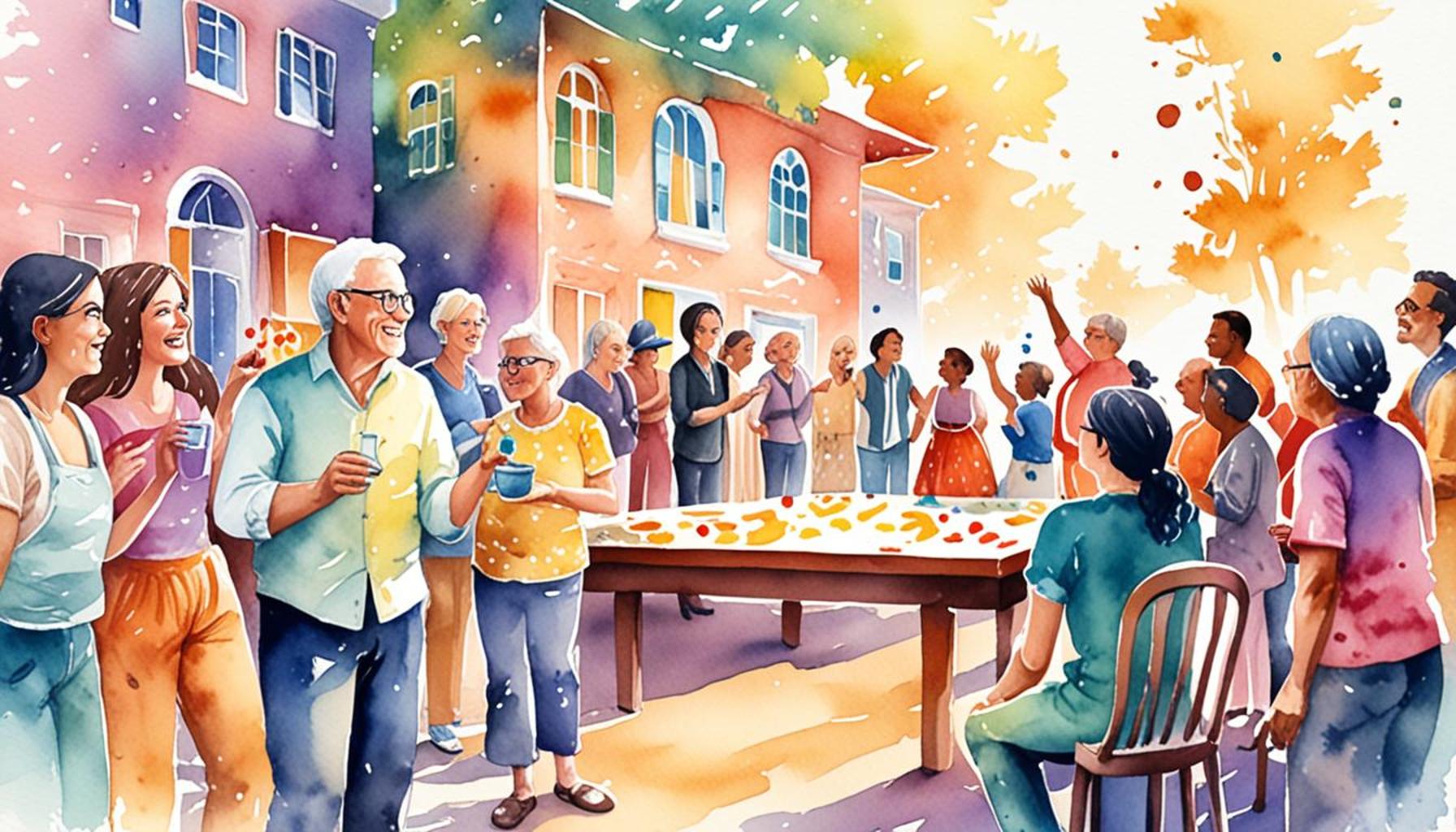
Beyond individual healing, the performing arts wield a powerful influence on community mental health and social cohesion. Participating in group activities such as theater productions, dance troupes, or community choirs fosters a sense of belonging that is especially crucial in a world where social isolation is increasingly prevalent. Research indicates that positive social interactions play a significant role in nurturing mental well-being, and the performing arts provide a unique medium for cultivating these essential connections.
A striking example is the use of community theater programs to engage diverse populations. Many cities in the United States have initiated local theater companies aimed at bringing together individuals from different backgrounds. In these settings, participants not only immerse themselves in creative expression but also form lasting friendships, enhancing their support networks. A study by the National Endowment for the Arts found that participants in community arts programs reported lower feelings of loneliness and greater overall happiness, emphasizing how artistic engagement acts as a catalyst for social integration.
Similarly, music therapy has proven effective in not only enhancing individual mental health but also in fostering community relationships. Programs that leverage music as a therapeutic tool often create opportunities for people to come together, share experiences, and support one another through collaborative music-making. The shared emotional experience during group sessions can establish strong emotional bonds and reduce feelings of isolation. This communal aspect helps to form a supportive environment where participants feel comfortable expressing their emotions, ultimately leading to mutual healing.
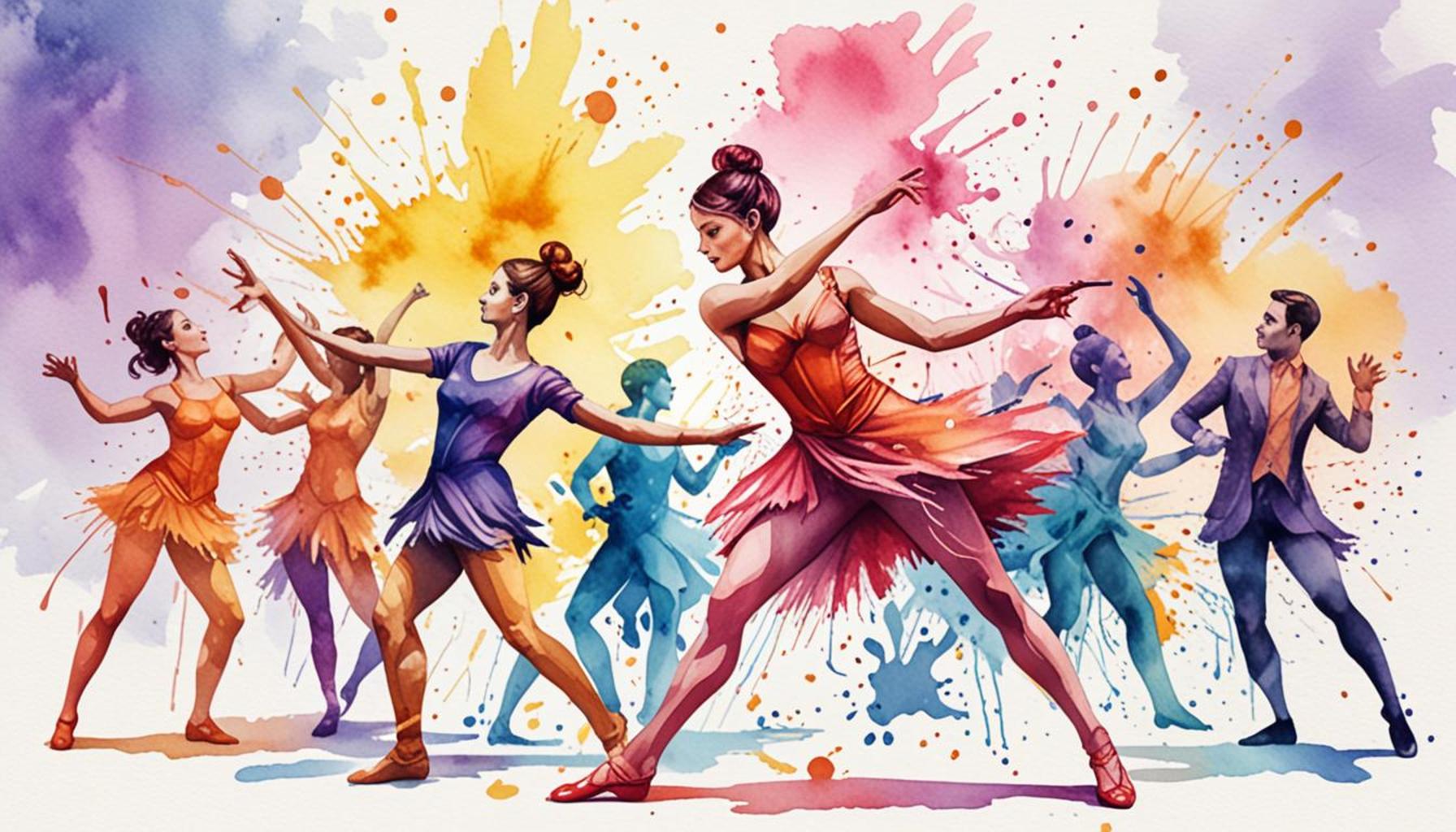
The role of dance in connecting individuals is another essential area where performing arts can positively impact mental health. Dance programs aimed at seniors, for example, have shown to counteract feelings of isolation and depression. Classes that combine physical movement with social interaction allow older adults to engage physically, mentally, and socially. Research has shown that seniors who participate in dance classes not only report improved mood and cognitive function but also gain a sense of purpose and continue to maintain social ties.
Intergenerational Connection
The performing arts can also serve as a bridge between generations, facilitating intergenerational connections that are crucial for mental health. Programs designed to bring together youth and seniors through artistic exploration can lead to shared learning experiences that benefit both age groups. For example, storytelling initiatives that involve children performing for elderly participants can create profound emotional exchanges. Such interactions not only cultivate mutual understanding and respect but also provide an outlet for seniors to share their experiences and wisdom while fostering a sense of accomplishment in younger performers.
In urban environments, organizations are blending performing arts initiatives with community outreach. For instance, youth programs in cities like New York and Los Angeles often engage marginalized and at-risk populations. By offering free or subsidized performing arts training, these programs not only enhance the artistic skills of participants but also provide them with tools for self-expression, allowing them to navigate their challenges more effectively. Feedback from participants typically reveals a renewed sense of confidence and optimism, with many noting that their experiences in the arts helped them cope with personal struggles.
The visibility of these connections between performing arts and mental health continues to underline the importance of integrating artistic expression into society. As more community-focused initiatives emerge across the U.S., the narrative surrounding the profound impact of performing arts on collective mental health continues to gain traction, demonstrating the significant role of the arts in fostering resilience and engagement within communities.
DISCOVER MORE: Click here to delve deeper
Concluding Thoughts on the Impact of Performing Arts on Mental Health and Well-Being
In summary, the profound effect of performing arts on mental health and well-being reaches far beyond the individual, infiltrating communities and fostering vital social connections. As detailed throughout this article, engaging in activities such as theater, music therapy, and dance not only improves personal emotional resilience but also cultivates societal bonds. The arts serve as a crucial outlet for self-expression, allowing participants to navigate their mental health challenges while simultaneously nurturing relationships with those around them.
The statistics underscore this significant impact—whether it’s the reduced feelings of loneliness reported by practitioners in community arts programs or the enhanced emotional well-being observed in seniors participating in dance classes. These findings affirm that the performing arts are more than mere entertainment; they are a catalyst for healing and connection. In a world increasingly isolated by technology and societal shifts, the role of the performing arts as a tool for improving collective mental health becomes all the more pivotal.
As we look toward the future, investing in artistic endeavors and community initiatives that promote these forms of expression becomes essential. Policymakers, mental health professionals, and community leaders alike should recognize the considerable potential of the performing arts to serve as a bridge to wellness and inclusivity. By prioritizing and promoting these platforms for engagement, society can pave the way for healthier, more connected communities—ultimately cultivating resilience through the unifying power of art.