The Impact of Sun Exposure on Skin Aging: Protection and Recovery
The Subtle Dangers Lurking in Sunlight
Every time we step outside, our skin faces a relentless opponent: the sun. UVA and UVB rays penetrate the skin, leading to a variety of issues that can accelerate the aging process. Understanding how sun exposure affects our skin is crucial for developing effective protection and recovery strategies.
Significant Effects of Sun Exposure on Skin Aging
Sun exposure can wreak havoc on our skin, often leading to visible and invisible damage. Here are some profound effects of sun exposure that contribute to skin aging:
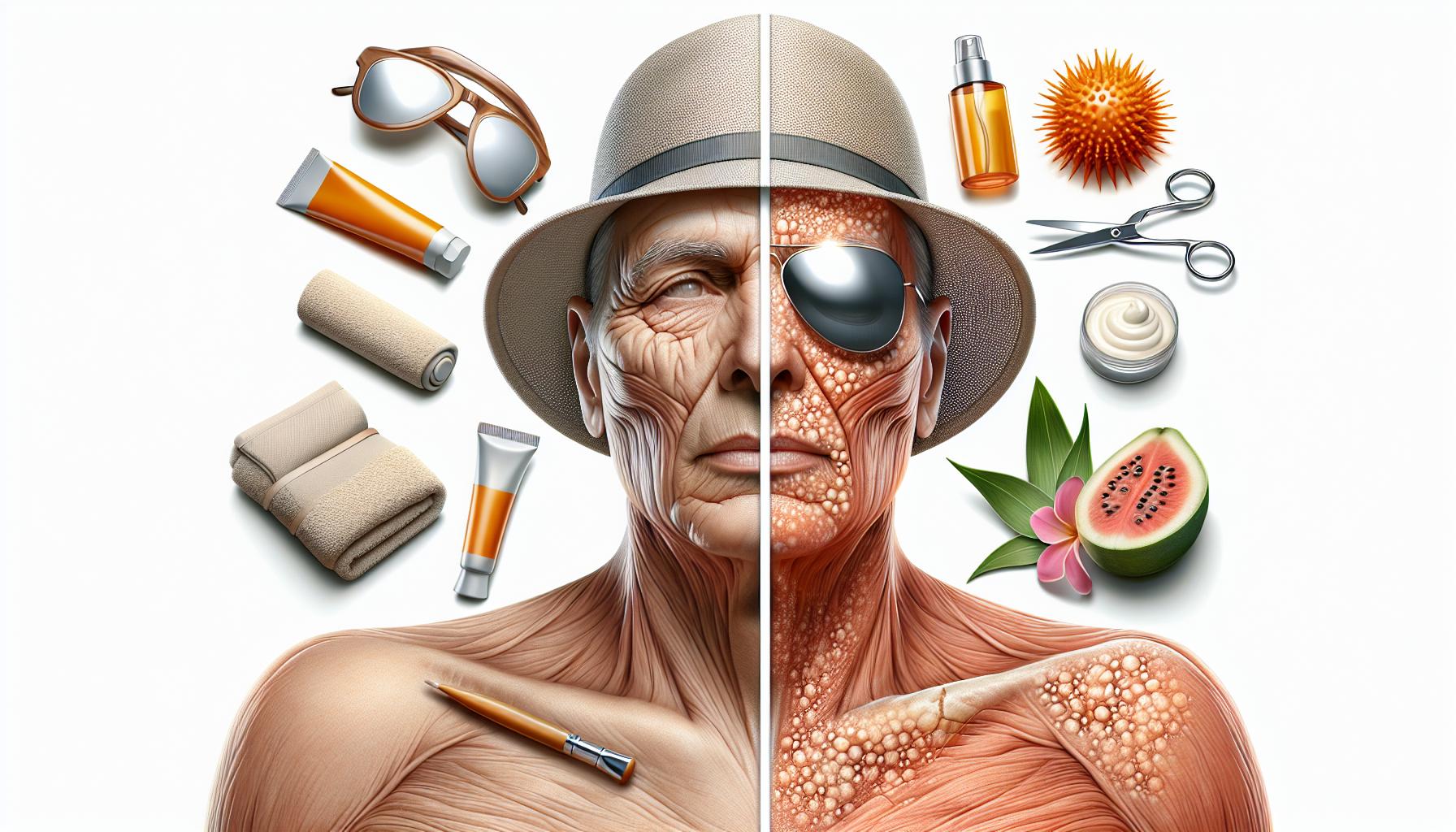
- Wrinkles: The harmful rays can deplete collagen and elastin in the skin, which are the proteins responsible for maintaining its elasticity and structure. With prolonged exposure, you may notice the early emergence of fine lines and deeper wrinkles, particularly around the eyes and mouth.
- Hyperpigmentation: Sun damage frequently manifests as uneven skin tone or dark patches commonly referred to as sunspots. This condition can be especially noticeable on the face, chest, and hands—areas that receive the most sun exposure.
- Loss of elasticity: Continued exposure to the sun accelerates collagen breakdown. Over time, this can result in sagging skin, making individuals appear older than their actual age.
Proactive Strategies for Skin Protection
It’s not all doom and gloom, however. With the right knowledge and proactive measures, you can protect your skin while promoting healing. Here are essential ways to safeguard against sun damage:
- Use sunscreen daily: Applying a broad-spectrum sunscreen with an SPF of 30 or higher is essential, even on cloudy days. The UV rays can penetrate through clouds, leading to skin damage. Ensure you reapply sunscreen every two hours and after swimming or sweating.
- Wear protective clothing: Long sleeves, wide-brimmed hats, and UV-protective sunglasses can provide significant defense against harmful rays. Brands like Columbia and REI offer garments specifically designed to block UV radiation.
- Seek shade: Especially during peak hours, typically between 10 a.m. and 4 p.m., avoiding direct sunlight can greatly reduce exposure. Finding shelter under trees or canopies can provide respite from the sun’s intense rays.
Exploring Further Protective and Recovery Techniques
As we delve deeper into the impact of sun exposure on skin aging, we’ll uncover both protective measures and recovery techniques. Beyond basic protection like sunscreen, incorporating antioxidants, such as Vitamin C and E, can also help repair sun damage. These nutrients promote skin rejuvenation and may assist in reducing the appearance of sunspots and wrinkles.
Investing in sun care is not merely a matter of aesthetics; it is vital for long-term skin health. Awareness and education about sun safety can empower individuals to make informed choices about their skin care routines as they enjoy the outdoors. Stay with us to learn more about how to optimize your skin health for years to come.

DISCOVER MORE: Click here for insights on natural beauty trends
Understanding the Science Behind Skin Aging
The relationship between sun exposure and skin aging is not merely a cosmetic concern; it delves deep into the biological mechanisms that take place within our skin. Every year, alongside the joy of basking in the sun, the reality of photoaging becomes more pronounced. This term, photoaging, refers to the skin’s accelerated aging due to ultraviolet (UV) radiation from the sun. Understanding how UV rays affect the skin can empower individuals to take actionable steps in their protection and recovery routines.
Bioeffects of UV Radiation
When we are exposed to sunlight, two primary types of UV rays come into play: UVA and UVB. Their effects vary, but both contribute significantly to skin aging:
- UVA Rays: These rays penetrate deeply into the skin and are largely responsible for photoaging. They break down collagen and elastin fibers, vital proteins that keep skin youthful and firm. Exposure to UVA rays can lead to wrinkles, sagging skin, and a leathery texture over time.
- UVB Rays: These rays primarily affect the skin’s surface. They are the main culprits behind sunburns and contribute to the development of skin cancers. Even short bursts of UVB exposure can lead to hyperpigmentation and uneven skin tone, compounding the effects of aging.
A study conducted by the American Academy of Dermatology highlights that approximately 90% of visible changes attributed to aging, including wrinkles and skin roughness, are caused by sun exposure. This statistic underscores the importance of protective measures throughout the year, not just in the summer months.
Innovative Protective Strategies
Embarking on a journey to protect your skin isn’t just about avoiding the sun entirely. Incorporating a holistic approach can yield substantial benefits. Here are some innovative protective strategies to ensure your skin remains healthy:
- Utilize Antioxidants: The incorporation of topical antioxidants like Vitamin C can combat oxidative stress caused by sun exposure. This essential nutrient not only helps in the repair of damaged skin but is also known to enhance sun protection when layered under sunscreen, providing an additional layer of defense.
- Embrace the Power of Moisturizers: Keeping the skin hydrated enhances its barrier function. Look for products containing hyaluronic acid and glycerin, which can maintain moisture levels and promote a plump, youthful appearance.
- Regular Skin Check-ups: Consulting with a dermatologist for regular skin examinations can catch any early signs of sun damage or skin cancer. Professional assessments can guide personalized protective measures to match your skin’s unique needs.
Awareness of how sun exposure accelerates skin aging is the first step in the journey to protecting and recovering your skin. The combination of proactive protection and informed maintenance can significantly mitigate the adverse effects of UV rays. As we continue to explore additional preventive measures and recovery techniques, it becomes clear that investing in our skin’s health is a worthwhile commitment that pays dividends over time.
The Importance of Understanding Sun Exposure
Sun exposure is a double-edged sword; while it is essential for vitamin D synthesis and can uplift our mood, it is also a leading factor contributing to premature skin aging. Prolonged exposure to ultraviolet (UV) rays can lead to damaging effects such as wrinkles, fine lines, and hyperpigmentation. It is crucial to understand the mechanisms by which sun exposure affects our skin to adopt effective protection and recovery strategies.
Why UV Protection Matters
When UV rays penetrate the skin, they initiate a cascade of biochemical reactions that damage collagen and elastin fibers. These proteins are vital for maintaining skin elasticity and structure. The result is a noticeable loss of firmness over time, making preventive measures like wearing sunscreen with at least SPF 30, seeking shade during peak hours, and wearing protective clothing imperative. Research shows that consistent sun protection can reduce the signs of aging significantly.
Recovery: The Role of Antioxidants
After exposure, it’s equally important to focus on recovery. Incorporating antioxidants into your skincare regimen helps combat oxidative stress induced by sun exposure. Ingredients like vitamins C and E, green tea extract, and niacinamide effectively repair skin cell damage and bolster the skin’s defenses against further UV-induced harm. Moreover, staying hydrated and using moisturizing agents can enhance skin recovery, working towards restoring a youthful appearance.
Your Next Steps
Learning about the negative effects of sun exposure doesn’t have to be overwhelming. Instead, equip yourself with knowledge on how to protect and recover your skin effectively. The balance between enjoying the sun and safeguarding your skin is key to maintaining a healthy, youthful complexion for years to come. Explore more on effective strategies and products to implement in your daily routine, and take charge of your skin’s health today!
| Category 1 | Category 2 |
|---|---|
| Protection | Using broad-spectrum sunscreen to defend against UV radiation. |
| Recovery | Incorporating antioxidants into skincare routines for skin healing. |
Understanding the delicate balance of sun exposure, from the necessity of protection to the importance of recovery, empowers individuals to take proactive measures in their skincare journeys.
DISCOVER MORE: Click here for essential insights
Empowering Your Skin with Recovery Techniques
While prevention is crucial in the fight against sun-induced skin aging, understanding the recovery process is equally important. Over time, excessive sun exposure can lead to cumulative damage that manifests as fine lines, age spots, and loss of elasticity. Fortunately, there are several effective recovery techniques that can help rejuvenate skin and reverse some of these visible signs of aging.
Evidence-Based Recovery Treatments
As the beauty industry evolves, numerous dermatological treatments have emerged, backed by scientific research. Here is a look at some scientifically supported recovery options:
- Topical Retinoids: Derived from Vitamin A, retinoids are celebrated for their ability to accelerate cell turnover, stimulate collagen production, and improve skin texture. A study published in the Journal of the American Academy of Dermatology reveals that using topical retinoids can improve fine lines and uneven skin tone caused by sun exposure.
- Chemical Peels: These treatments involve the application of acids like glycolic acid or salicylic acid that exfoliate the outer layer of skin, promoting cell regeneration. Research indicates that chemical peels can diminish the appearance of sunspots and freckles, making the skin appear more vibrant.
- Laser Therapy: With various laser treatments available, options like fractional laser resurfacing target deeper layers of the skin where UV damage has occurred. Studies show that these lasers can significantly improve sun-damaged skin, reducing wrinkles and enhancing overall texture.
Understanding the mechanisms and efficacy of these treatments allows individuals to make informed choices about their recovery based on their unique skin concerns.
The Role of Nutrition in Skin Recovery
While topical treatments and clinical procedures play a sizable role in skin recovery, nutrition shouldn’t be overlooked. The food we consume significantly impacts our skin’s ability to heal and regenerate, particularly after sun exposure. Key nutrients that can promote skin recovery include:
- Omega-3 Fatty Acids: Found in fish such as salmon and walnuts, Omega-3s are known for their anti-inflammatory properties which can help soothe sun-damaged skin.
- Polyphenols: Foods rich in polyphenols like berries, green tea, and dark chocolate possess powerful antioxidant properties that combat free radicals generated by UV exposure. A study in the Journal of Nutrition emphasizes their role in promoting skin health and elasticity.
- Vitamin E and C: These vitamins work synergistically to protect and repair skin. Incorporating foods like almonds (Vitamin E) and citrus fruits (Vitamin C) into your diet can bolster the skin’s defenses against oxidative damage.
Hydration also plays a critical role in skin recovery. Drinking adequate amounts of water and consuming water-rich foods can enhance skin moisture levels, making it more resilient to environmental stresses. Adopting a balanced diet enriched with these nutrients can complement both protective and recovery strategies.
Natural Remedies and Aesthetic Practices
In addition to clinical treatments and nutritional support, many individuals are turning to natural remedies and aesthetic practices to target sun damage. Items such as aloe vera, known for its soothing properties, can hydrate and calm irritated skin after sun exposure. Similarly, DIY masks using yogurt and honey can nourish and rejuvenate the skin thanks to their antibacterial and moisturizing qualities.
Moreover, practices such as facial massage can stimulate blood circulation and lymphatic drainage, promoting skin healing. As an accessible option, combining these methods with professional treatments can produce remarkable results.
In the quest for youthful skin, combining knowledge of effective recovery techniques with consistent protective strategies is key. As the impacts of sun exposure on skin aging are profound, empowering oneself through education, nutrition, and appropriate treatments can lead to healthier, more resilient skin for years to come.
DISCOVER MORE: Click here to uncover essential ingredients
Conclusion
Understanding the impact of sun exposure on skin aging is vital for anyone seeking to maintain healthy, youthful skin. The multifaceted effects of UV radiation extend beyond immediate sunburns, leading to permanent changes in skin texture, elasticity, and appearance over time. By prioritizing protective measures such as using broad-spectrum sunscreen, wearing protective clothing, and avoiding peak sun hours, individuals can significantly reduce the risk of sun-induced damage. However, awareness and prevention are only part of the equation.
Enhancing skin recovery through evidenced-based treatments like topical retinoids, chemical peels, and laser therapy offers avenues to reverse some of the visible signs of aging. Coupled with a nutrition-rich diet that includes antioxidants, vitamins, and hydration, individuals can empower their skin to heal effectively. Natural remedies and consistent aesthetic practices also provide additional support in restoring skin health.
Ultimately, achieving optimal skin health is a continual process of education, vigilance, and adaptive care. By embracing both protection and recovery strategies, people can not only mitigate the effects of sun exposure but also reclaim their skin’s vitality and radiance. Therefore, taking informed steps today can lead to long-lasting beauty and confidence well into the future. Explore new recovery methods, invest in your skin’s longevity, and stay proactive in your skincare journey. The knowledge gained will serve you well.