The Importance of Art in Mental Health: How Artistic Expression Can Transform Lives
The Transformative Impact of Art on Mental Health
Art is more than just a canvas or a melody; it is a powerful vehicle for emotional expression and healing. As mental health awareness continues to grow, so does the understanding of art’s vital role in promoting well-being. Research increasingly supports the notion that creative outlets can significantly enhance mental health and cognitive functioning. Here’s how artistic expression can profoundly impact mental health:
- Emotional Release: Creating art allows individuals to express feelings that may be difficult to articulate. For instance, someone grappling with grief may find it tough to converse about their loss. However, through painting or writing poetry, they can channel their emotions into something tangible, capturing the depth of their sorrow and transforming it into something beautiful. This process brings about a cathartic release and can lead to healing.
- Therapeutic Benefits: Numerous studies show that engaging in creative activities can reduce symptoms of anxiety and depression. In fact, a meta-analysis published in the journal Art Therapy indicated that art therapy not only improves mood but also aids in reducing feelings of isolation. Programs in hospitals and rehabilitation centers often incorporate music and art therapy as means to help patients manage their mental health and improve overall well-being.
- Community Connection: Art fosters social connectivity, helping individuals feel supported and understood. Community art classes, such as those found in many neighborhoods across the United States, create a sense of belonging. Art festivals and workshops serve as gatherings where individuals can share experiences and collaborate, ultimately reinforcing bonds and diminishing feelings of loneliness.
- Self-Discovery: Artistic endeavors encourage personal reflection and self-awareness, aiding in personal growth. The act of creating art often pushes individuals to confront parts of themselves they may not have acknowledged. Writing in a journal can unlock memories and emotions that individuals may have buried, facilitating a deeper understanding of oneself and encouraging personal evolution.
From painting and music to dance and writing, each form of art serves as a unique outlet for self-expression. In recent years, the United States has seen a rise in programs integrating art therapy into established mental health practices, with institutions recognizing their effectiveness in fostering resilience among individuals facing emotional challenges.
As more individuals turn to creativity during challenging times, the conversation around art as a tool for mental health continues to expand. This growing field posits that artistic expression not only serves as a method for coping with life’s difficulties but also paves the way for innovative healing approaches that blend creativity with emotional support.
Exploring this intersection of art and mental health not only enlightens us about creative therapy but also opens doors for innovative healing methods. Why does artistic expression matter? Let’s dive deeper into its transformative potential and uncover the life-changing effects it can have on individuals seeking balance and well-being.
DIVE DEEPER: Click here to discover innovative craft techniques
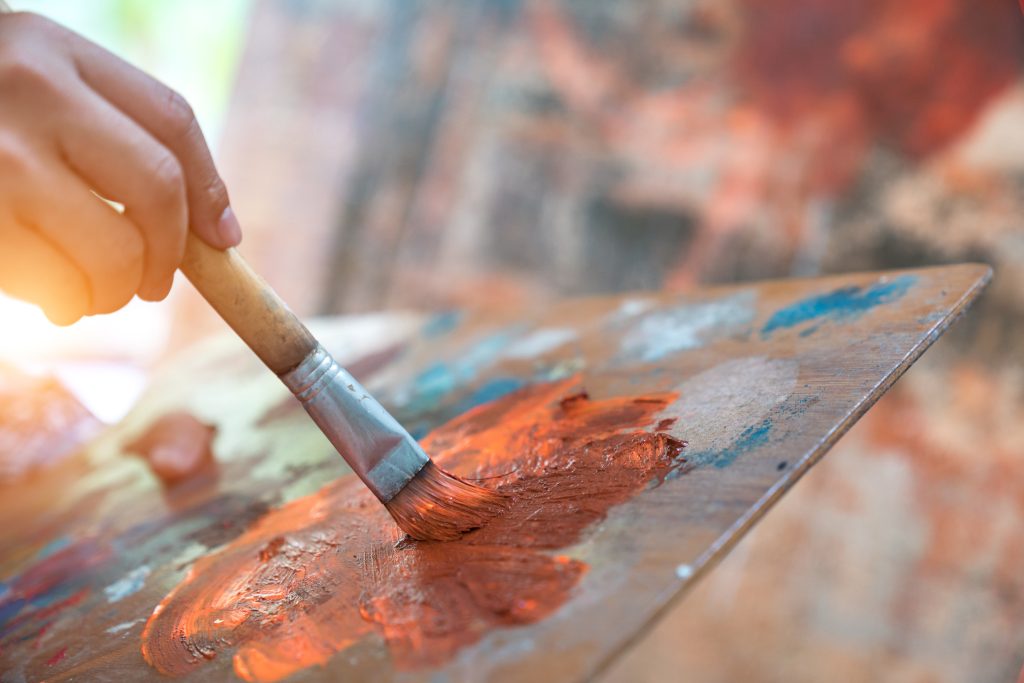
Unlocking the Healing Potential of Art
In a world increasingly aware of the significance of mental health, artistic expression has emerged as a beacon of hope and healing for many. Engaging in various forms of art—be it painting, sculpting, writing, or even dance—offers profound benefits that extend far beyond mere pastime. The act of creating art is not only an outlet for creativity; it serves as a robust mechanism for addressing emotional pain and enhancing overall psychological well-being.
One primary way art contributes positively to mental health is by fostering resilience. Psychological studies indicate that consistently engaging in creative endeavors can build emotional strength and coping mechanisms, particularly in the face of life’s adversities. When individuals participate in artistic activities, they often discover a newfound sense of purpose and empowerment. This serves as a crucial foundation for adapting to stressors, thereby enhancing one’s ability to cope with challenges. In fact, a study by the University of California found that individuals who engaged in creative activities reported lower levels of perceived stress and greater feelings of resilience.
Art Fosters Mindfulness and Presence
Artistic expression also promotes mindfulness, a practice that has gained considerable attention in mental health treatment. When someone immerses themselves in creating art, they often enter a state of flow, where they become fully absorbed in the process—this encourages a break from overwhelming thoughts and anxieties. The simple act of focusing on a brushstroke, a note, or a word can provide significant mental clarity and peace. As such, art can serve as a practical tool for mindfulness-based stress reduction (MBSR), offering a sense of calm and control in chaotic times.
Benefits of Artistic Expression in Mental Health Treatment
- Increased Self-Esteem: Engaging in art allows individuals to explore and visualize their thoughts and feelings, leading to increased self-worth. Accomplishing a creative project can instill a sense of pride and ownership over one’s narrative.
- Enhanced Communication Skills: Art fosters non-verbal communication, allowing people to convey emotions that may be difficult to express in words. This is particularly beneficial for those who have experienced trauma, as it opens pathways for dialogue.
- Connection with Others: Participating in group art activities creates opportunities for social interaction, reducing feelings of isolation and loneliness. This communal aspect is vital, as it allows individuals to share their experiences while building supportive networks.
- Holistic Healing: Many healthcare professionals are integrating art therapy with traditional mental health treatments, recognizing its ability to address both the emotional and physical aspects of wellness.
The recognition of art as a valuable tool for healing is not just a passing trend; it signals a cultural shift toward more holistic approaches in mental health care. As creative outlets become more accessible through community programs and online resources, it is essential for individuals to explore these options for personal growth and healing.
By embracing artistic expression, individuals can embark on a journey of self-discovery and empowerment, illuminating pathways to mental wellness that may have once seemed unreachable. As we delve deeper into the fascinating interplay between art and mental health, the transformative potential of creativity becomes increasingly clear, showcasing that art is indeed a vital component of a healthy, balanced life.
Artistic expression plays a crucial role in mental health, acting as a powerful tool for transformation and healing. Engaging in creative activities can serve as a form of therapy, providing individuals with a means to explore their emotions, express their experiences, and cope with psychological challenges. Through various forms of art, including painting, music, dance, and writing, individuals can articulate feelings that may be difficult to verbalize, gaining clarity and self-awareness in the process.Research increasingly supports the idea that artistic activities can reduce symptoms of mental health conditions such as anxiety, depression, and PTSD. Engaging in art can trigger the release of endorphins, enhancing mood and providing a sense of accomplishment. Moreover, creating art fosters a sense of community and belonging, as it often involves collaboration and shared experiences. Workshops and group classes can be particularly beneficial, allowing participants to connect with others who may share similar struggles.In addition, art provides a valuable outlet for storytelling and cultural expression, helping individuals make sense of their narratives and place in the world. For many, creating art is an essential aspect of identity formation, particularly for those facing marginalization or exclusion. By embracing their unique stories through art, these individuals can reclaim power over their narratives, encouraging resilience and self-empowerment.Furthermore, art in therapeutic settings has shown to enhance cognitive functioning, including memory retention and problem-solving skills. Through artistic engagement, the brain is stimulated in unique ways, which can lead to improved cognitive flexibility. Participating in the arts is not just beneficial for those with mental health challenges; it can also serve as a preventative measure, promoting well-being and emotional health in the general population.Exploring the intersection of art and mental health illuminates how integrative approaches can enhance traditional therapeutic methods, paving the way for a broader understanding of healing modalities. By fostering creativity, we open doors to transformative experiences that can significantly enrich lives. Understanding this connection allows for more inclusive mental health strategies that recognize the profound impact of artistic expression in our quests for wellness.
DIVE DEEPER: Click here to discover the beauty of simplicity in culinary arts
The Therapeutic Power of Art: Evidence and Impact
As the nexus between art and mental health continues to blossom, an increasing number of studies validate its therapeutic benefits. Research has consistently indicated that engaging in art can be effective in managing symptoms of various mental health conditions, including anxiety, depression, and post-traumatic stress disorder (PTSD). For instance, a study conducted by researchers at the University of Westminster revealed that individuals who participated in creative activities experienced significant reductions in symptoms of depression and anxiety, showcasing the undeniable power of creativity in healing.
Art Therapy: A Structured Approach to Healing
Art therapy is an established method that utilizes artistic expression to facilitate psychological healing. Led by certified therapists, this practice allows individuals to engage in creative processes while discussing their thoughts and feelings in a safe environment. The American Art Therapy Association highlights the potential of art therapy to foster emotional resilience and cognitive resilience. Participants are encouraged to express themselves artistically—whether through drawing, painting, or sculpting—thereby accessing emotions that might remain unspoken in traditional therapy sessions.
One remarkable study published in the journal “Art Therapy” explored the effects of art therapy on veterans diagnosed with PTSD. Participants engaged in art-making activities that not only helped them articulate their trauma but also enabled them to visualize their experiences, providing a form of emotional release. The results indicated a substantial decrease in PTSD symptoms, demonstrating art therapy’s capacity to bridge the gap between trauma and healing.
Community-Based Art Programs and Mental Health
Beyond professional therapy, community-based art initiatives are gaining traction across the United States, offering inclusive platforms for creative expression. Programs such as “Art from the Heart,” based in New York City, empower individuals struggling with mental health challenges by providing access to creative workshops and collaborative art projects. These safe spaces nurture creativity while fostering social connections, thus combating the isolation many experience in their mental health journey.
Moreover, community art projects can lead to cultural revitalization, enhancing the emotional and social fabric of neighborhoods. For example, public murals or community theater productions bring individuals together while allowing for collective storytelling, often addressing local mental health issues. Research shows that these shared artistic experiences can significantly reduce stigma around mental health, encouraging dialogue and awareness among community members.
Digital Art and Mental Health in the Modern Age
The digital age presents unique opportunities for artistic expression that can profoundly impact mental health. Social media platforms, digital art applications, and virtual workshops enable individuals to create and share their art with broader audiences, regardless of geographical constraints. An increasing number of mental health organizations are harnessing the power of digital art as a therapeutic tool. Projects like Instagram art challenges invite people to share their expressions, fostering communal healing while decreasing feelings of isolation.
As we deeply explore the intersection of art and mental health, it becomes apparent that the creative arts provide a versatile and powerful approach to emotional healing. Harnessing the rich tapestry of artistic expression can lead to groundbreaking advancements in mental health treatment, empowering individuals to transform their lives through creativity while shaping a more compassionate society.
DISCOVER MORE: Click here to learn about the impact of technology on the performing arts</p
Conclusion: Embracing the Transformative Power of Art in Mental Health
In summary, the role of art in mental health is not merely incidental; it is a transformative force that speaks to the very core of human emotion and experience. As we’ve explored, engaging in artistic expression significantly alleviates symptoms of mental health disorders, ranging from anxiety to PTSD, by providing individuals with unique avenues for self-discovery and emotional release. Art therapy stands out as a structured yet deeply personal approach that fosters resilience while allowing individuals to process experiences that are often too challenging to articulate verbally.
Moreover, community-based art initiatives further demonstrate the unifying potential of creative expression. By breaking down the barriers of isolation and stigma, these programs not only enrich individual lives but also strengthen community bonds. In an age defined by technology, digital art platforms continue to expand access to creative outlets, enabling dialogue and connection in ways that were previously unimaginable.
As we continue to advocate for mental health awareness, it is vital to recognize the integral role of art as a catalyst for healing and transformation. The integration of creative practices into mental health care can lead to a more holistic approach that nurtures the mind, body, and spirit. Ultimately, by investing in the arts, we forge a path toward a more compassionate society, one where mental health is prioritized and artistic expression is celebrated as a fundamental human right. Exploring the intersection between art and mental health can offer profound insights and lead to impactful change, urging us all to embrace the power of creativity in the journey toward well-being.