The Importance of Collaborative Art in Creating Creative Communities
Unpacking the Impact of Collaborative Art on Society
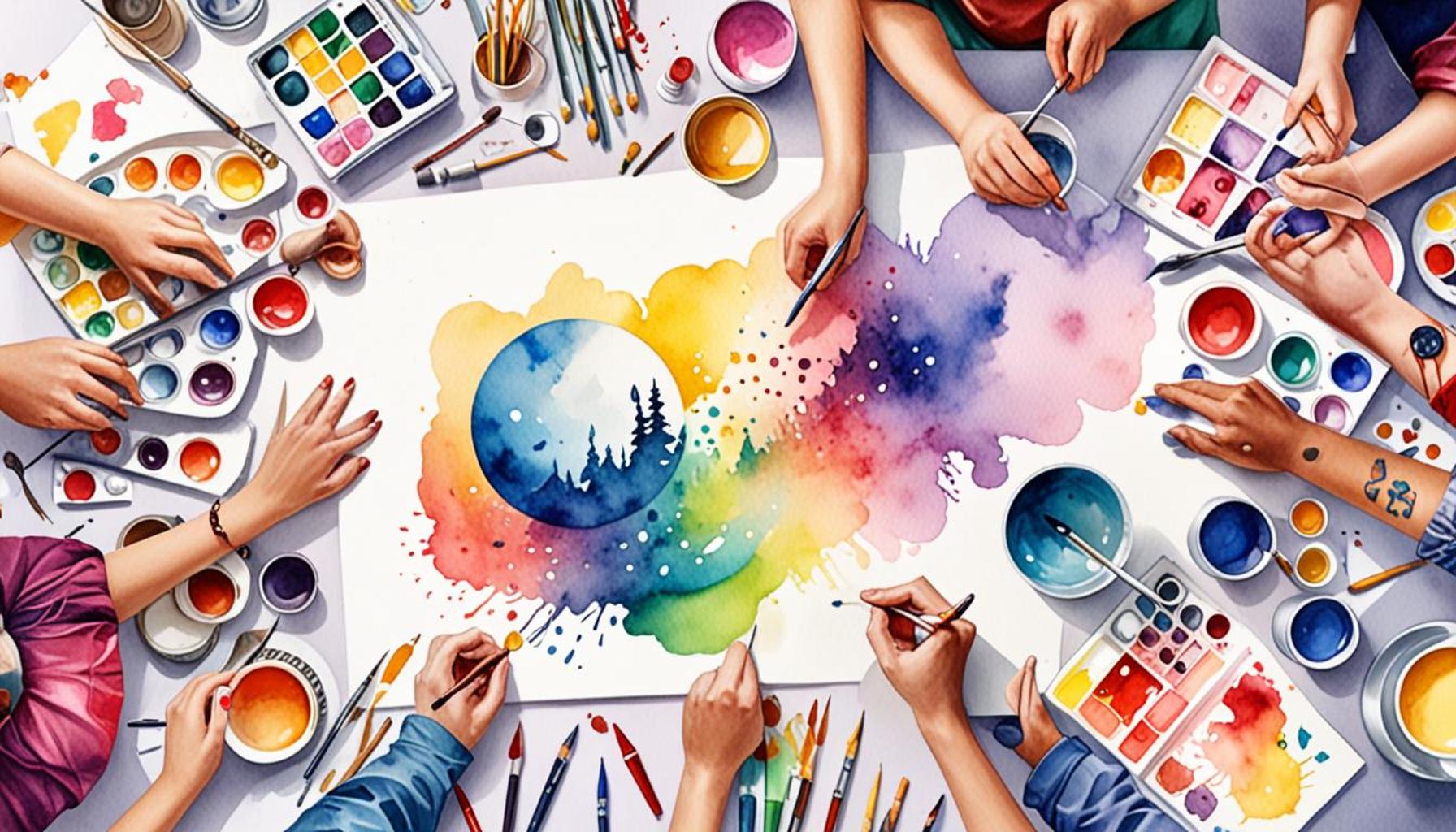
In today’s increasingly fragmented society, collaborative art emerges as a powerful tool for forging bonds and fostering creativity. This form of artistic expression not only brings people together but also cultivates a sense of belonging within communities. As public spaces seem to shrink and digital connections grow, collaborative art projects serve as a vital bridge connecting individuals from diverse backgrounds.
Consider the following key aspects of collaborative art:
- Promotes social interaction and connection: Collaborative art creates opportunities for individuals to engage with one another, allowing strangers to become friends. Whether through a community paint day or a joint poetry reading, these interactions build networks of support and foster relationships.
- Empowers individuals to share unique perspectives: In a collaborative project, every voice matters. Participants contribute their ideas and experiences, which can lead to richer, multifaceted art that resonates with a wider audience. For instance, storytelling circles in local libraries often result in intergenerational projects, where varied life experiences come together to form a collective narrative.
- Encourages cross-disciplinary collaboration: Collaborative art promotes the blending of skills and talents from different fields. Artists, musicians, writers, and even technologists can come together to create innovative works that may not emerge in isolation. This fusion can open doors to new art forms that challenge conventional boundaries.
Real-life examples highlight the transformative power of collaborative art. For example, community murals in urban neighborhoods not only beautify the environment but also reflect local history and identity. Such murals can serve as conversation starters about social issues, uniting diverse groups around shared values. Projects like the “Wall of Respect” in Chicago in the 1960s showcase how collective artistic efforts can become symbols of resistance and community pride.
Additionally, cooperative theater productions often offer community members the chance to express themselves and engage with important social themes. Productions like the “Vagina Monologues” have traveled through schools and communities, allowing participants to explore issues of gender and identity in a supportive environment.
As we delve deeper into this topic, it becomes evident that collaborative art is not just about creating visually appealing works. It’s about weaving together the fabric of society, one brush stroke at a time. When community members collaborate, they build a legacy that extends beyond physical artworks, fostering a culture of openness, understanding, and creativity. Join us on this exploration to uncover how these artistic endeavors shape creative communities across the United States.
DIVE DEEPER: Click here to learn more
Fostering Connections Through Creative Expression
At its core, collaborative art epitomizes the essence of community building. This approach allows diverse individuals to come together and harness their collective creativity, encouraging social cohesion in an era marked by polarization. By creating art as a shared endeavor, participants develop a sense of ownership and identity that strengthens communal ties.
One compelling aspect of collaborative art is its ability to draw in participants of all ages and backgrounds. For instance, community workshops often engage local residents, children, and even seniors to paint murals, create sculptures, or produce performance art. During these workshops, different perspectives intertwine, leading to unique artworks that genuinely reflect the multifaceted nature of the community. A striking example can be identified in initiatives such as Art in the Park in cities like San Diego, where locals come together to celebrate creativity through various forms of collaborative artwork.
Strengthening Community Bonds
Collaborative art projects act as catalysts for building strong community bonds. The art-making process provides opportunities for individuals to share their stories and experiences, encouraging a culture of inclusion. People from diverse backgrounds can contribute their unique perspectives, enabling dialogue and understanding that transcends cultural barriers. The artworks produced can serve as visual narrators of the community’s collective story, fostering pride in shared history.
- Community Murals: These vibrant and large-scale art pieces often reflect local culture and heritage, serving as a symbol of unity. An excellent example is the Hearts of San Francisco project, where artists adorned heart-shaped sculptures throughout the city, each representing the unique stories of the neighborhoods they inhabit.
- Performance Art: Theater and dance groups that involve community members in the creative process encourage active participation. Projects like Living History tours in Philadelphia engage residents by commissioning them to portray historical figures, fostering a strong sense of identity.
- Collaborative Music Initiatives: Programs that bring together musicians from various backgrounds to create original compositions not only serve to highlight diverse artistic expressions but also strengthen community cohesion. Events such as the Play It Forward initiative in New Orleans showcase how musicians can unite to amplify voices often unheard.
The impact of collaborative art extends beyond individual engagement; it can spark movements for change within communities. Such projects can draw attention to pressing social issues, creating spaces where vital conversations can occur. For example, the Women’s March, featuring various collaborative art displays, enabled participants to express their views, contributing to a larger social dialogue surrounding equality and justice.
Through examining these various dimensions of collaborative art, it becomes increasingly clear that its role in building creative communities is paramount. As we explore further, the multifaceted nature of artistic collaboration reveals how it influences individual identities and cultivates a vibrant, inclusive society that celebrates creativity in all its forms.
| Advantages of Collaborative Art | Impact on Creative Communities |
|---|---|
| Inclusivity | Collaborative art fosters access for all, allowing diverse voices to participate. |
| Skill Sharing | Participants learn from each other, enhancing collective creativity and problem-solving skills. |
| Community Bonding | Collaborative projects strengthen social ties, building trust and mutual support among artists. |
| Increased Visibility | Artistic collaborations draw attention, resulting in greater appreciation for local talent. |
The role of collaborative art in fostering creative communities cannot be overstated. Through initiatives that emphasize inclusivity, artists from varied backgrounds come together, offering a mosaic of perspectives that enrich the creative landscape. This fusion of ideas leads to an environment where skill sharing becomes second nature, encouraging individuals to expand their horizons collaboratively. As participants join forces, they learn to innovate, paving the way for unique community-driven projects.Moreover, such collaborations act as a catalyst for community bonding. Artists grow closer, forging enduring relationships based on shared experiences in the creative process. These connections often extend beyond art, generating a supportive network that thrives on fostering not just artistic growth, but also social cohesion. By working together, communities showcase their talents, which leads to increased visibility of local artists and enhanced appreciation for cultural expressions. This visibility can be transformative, encouraging the exploration of new collaborative avenues and reinforcing the value of creativity within the fabric of society.
DISCOVER MORE: Click here to find out how
Bridging Divides and Empowering Voices
In addition to strengthening bonds, collaborative art serves as an essential tool for bridging divides within a community. By involving participants in creative processes, it empowers marginalized voices, giving them a platform to express their ideas, struggles, and aspirations. This empowerment is critical, especially in communities where certain demographics may feel overlooked or underrepresented. Projects like The Mural Arts Program in Philadelphia exemplify this notion by commissioning artists from underserved neighborhoods, ensuring that their narratives are both heard and visible within the broader urban landscape.
Through collaborative art, participants engage in a shared mission, often shedding preconceived notions and biases. Research indicates that when individuals collaborate on artistic projects, it encourages empathy and understanding, revolving around mutual respect and shared goals. The creation of art becomes a collective experience, where members work together towards overcoming challenges, building a foundation of trust. This is particularly seen in initiatives like The Ally Coalition, which rallies artists and community members to address LGBTQ+ issues, using various forms of collaborative expression to promote equality and acceptance.
Education as a Catalyst for Change
Another significant aspect of collaborative art is its capacity to serve as an educational tool. Through workshops, community events, and public art programs, individuals learn not only artistic skills but also critical thinking, problem-solving, and teamwork. Educational institutions are increasingly integrating collaborative art projects into their curricula, recognizing the benefits of fostering creativity through group endeavors. Programs like ArtStart in New York City bring together young artists from diverse backgrounds, allowing them to collaborate on public artworks that symbolize unity and resilience.
- Art as Advocacy: Many collaborative art initiatives focus on social justice issues, allowing participants to address their community’s challenges through creative expression. Projects like Street Art for Mankind utilize street art to raise awareness about human trafficking, engaging local artists and activists to inspire change.
- Intergenerational Collaboration: Programs that connect older artists with younger generations not only preserve cultural heritage but also foster innovation. Initiatives such as The Elders’ Voice encourage storytelling through collaborative art, facilitating a dialogue where wisdom meets youthful creativity.
- Community-Driven Festival: Events like the National Arts Program celebrate local artists and provide a platform for collaboration and expression. Through exhibitions, competitions, and workshops, participants foster connections that bolster their creative identities.
Moreover, the visibility provided by collaborative art projects can attract attention and resources to a community. When local art captures public interest, it can lead to tourism, increased funding for arts programs, and even revitalization of neighborhoods. Cities like Seattle, which hosted the Seattle Mural Project, saw positive economic impacts when muralists collaborated with community members to transform rundown areas into bustling art districts.
This ripple effect highlights how the synergy created through collaborative art can lead to lasting change. As we delve deeper into the intricate relationship between art and community connectivity, it becomes evident that collaborative artistic efforts are more than mere aesthetic expressions; they are powerful means of advocating for transformation and fostering a vibrant creative ecosystem.
DIVE DEEPER: Click here to discover more about how environments shape art
Embracing the Power of Unity Through Art
In conclusion, collaborative art stands as a transformative force in the creation of vibrant and inclusive creative communities. By serving as a platform for diverse voices, it not only bridges divides but also empowers individuals to share their stories, challenges, and aspirations with a broader audience. This interweaving of narratives fosters empathy, understanding, and mutual respect among community members, essential ingredients for social cohesion.
Moreover, the educational dimensions of collaborative art initiatives highlight their role in cultivating critical life skills such as teamwork, problem-solving, and creative thinking. As seen in programs across the nation, from the ArtStart initiative in New York City to community-driven festivals nationwide, these projects help to instill confidence and creativity in participants, making art a vehicle for both personal and collective growth.
The economic and social benefits that arise from first-rate collaborative art endeavors further illustrate their importance. Communities experience revitalization, increased funding, and greater visibility through such projects, contributing to a thriving ecosystem of creativity that captivates not only locals but also visitors from afar. The Seattle Mural Project serves as a testament to how collaboration can reshape urban landscapes and promote community pride.
As we reflect on the impact of collaborative art, it is clear that these initiatives are not merely about creating art; they are about building connections, advocating for social change, and nurturing a rich cultural dialogue. In a world increasingly in need of unity and understanding, the role of collaborative art in cultivating creative communities is more vital than ever. Together, let us celebrate and support these artistic endeavors that uplift and inspire.