The Importance of Hydration in Animal Nutrition: Strategies to Ensure Your Pet Drinks Enough Water
Understanding the Role of Water in Pet Health
Water is often overlooked, yet it plays a critical role in animal health and nutrition. Hydration is vital for digestion, temperature regulation, and overall well-being. Just like humans, pets rely on water as a fundamental nutrient. In fact, studies reveal that around 60% of a pet’s body weight is made up of water, highlighting its significance in bodily functions. Without adequate hydration, pets can face serious health risks, leading to complications like urinary tract infections, kidney disease, and even heatstroke during warmer months.
In the hustle and bustle of daily life, many pet owners may be unaware of their animals’ hydration needs. It’s essential to monitor for signs of dehydration, which can manifest in various ways. Recognizing these signs can help you ensure your furry friend stays healthy:
- Dry gums and nose, which can indicate a lack of moisture in the body.
- Loss of skin elasticity, noticeable when you gently pinch the skin; it should return quickly to its normal position. If it remains tented, your pet might be dehydrated.
- Lethargy or decreased energy, often seen in pets that are not drinking enough water, leading to overall weakness.
Understanding how to assess your pet’s hydration status is just as important as recognizing the signs. A simple way includes keeping an eye on their water intake; pets generally require about an ounce of water per pound of body weight daily. For instance, a 10-pound dog should consume about 10 ounces of water each day. However, activity level, weather, and diet can influence these needs.
So, how can you effectively encourage your pet to drink enough water? Here are some innovative strategies:
- Provide fresh water daily. Pets, like humans, prefer clean and fresh-tasting water. Change it at least once a day and scrub the bowl regularly to eliminate any build-up.
- Use pet water fountains, which can entice pets to drink more due to the running water. Many pets find moving water more appealing than still water, making fountains an excellent investment.
- Incorporate wet food into your pet’s diet. Canned foods often contain a significant amount of moisture and can contribute to your pet’s overall water intake while providing essential nutrients.
By implementing these methods, pet owners can significantly improve their animal’s hydration levels. Remember, promoting hydration goes beyond just placing a bowl of water in your pet’s space—it’s about creating an environment that encourages healthy drinking habits. Providing multiple water stations, especially in different rooms of the house, can also help ensure easy access. Moreover, consider your pet’s preferences; some pets may enjoy drinking through a syringe or interacting with ice cubes in their water bowl, especially in warmer weather.
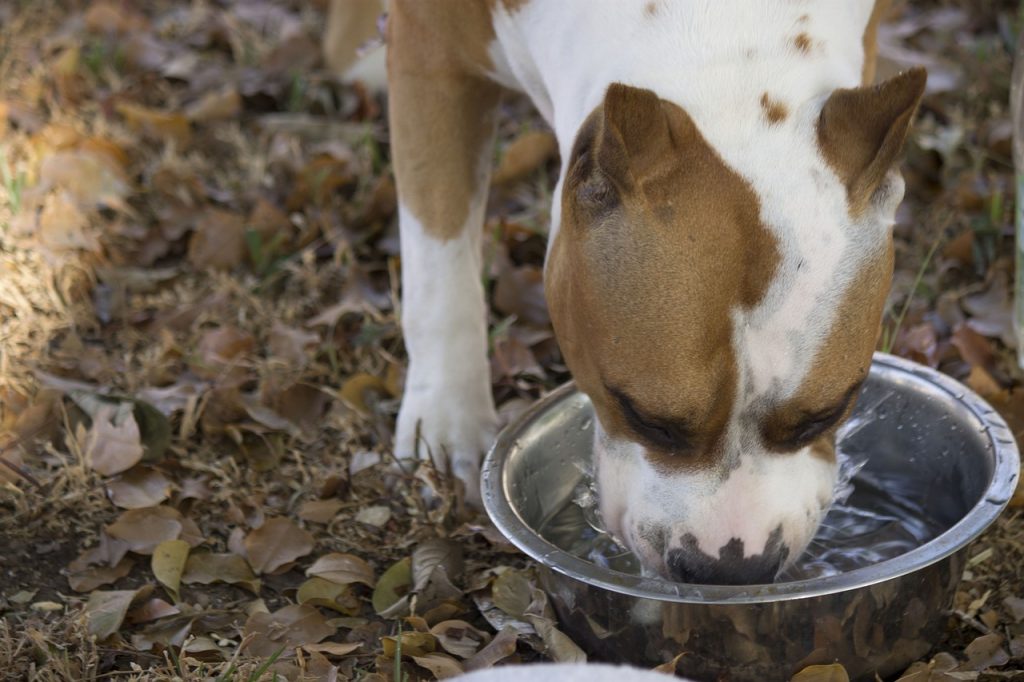
Ultimately, maintaining proper hydration is a key element in enhancing your pet’s life quality and longevity. Regular check-ups with your veterinarian can help monitor your pet’s hydration status effectively and ensure they’re thriving.
The Consequences of Dehydration on Pet Health
Understanding why hydration is important requires a closer look at the consequences of dehydration. Dehydration can lead to dire health issues, rapidly affecting a pet’s body and overall well-being. In the United States, the prevalence of dehydration-related conditions among pets often goes unnoticed until it has progressed to a more severe state. This highlights the pressing need for pet owners to be vigilant and proactive in ensuring their furry companions stay hydrated.
When an animal becomes dehydrated, even mildly, it can experience a range of uncomfortable symptoms. Some immediate effects include:
- Decreased appetite: Dehydrated pets may lose interest in food, as their bodies are prioritizing the preservation of water over caloric intake.
- Constipation: Insufficient water leads to harder stools, making it difficult for pets to defecate comfortably.
- Increased heart rate: Dehydration forces the heart to work harder to maintain circulation, potentially leading to cardiovascular strain.
Over time, chronic dehydration can escalate into serious conditions such as renal failure, urinary tract infections, and heatstroke, particularly in hot or humid climates. For instance, pets left outdoors during summer months without adequate access to water are at an increased risk of heat stress, which can be fatal if not addressed promptly. In extreme cases, just losing about 10% of their body weight in fluids can lead to life-threatening conditions.
The initial signs of dehydration can sometimes be subtle. Pet owners may mistakenly attribute changes in behavior or energy levels to other factors, such as mood or age, when in fact, the culprit may be insufficient water intake. To measure whether your pet is properly hydrated, generally, dehydration can be assessed through a few simple tests, and maintaining a close eye on your pet’s drinking habits and physical state can make a significant difference.
To further illustrate the importance of hydration, consider that pets that regularly drink enough water exhibit better energy levels and improved digestion, leading to enhanced quality of life. One way to gauge your pet’s hydration is by closely tracking their water consumption against their daily needs. For example, a moderate-sized dog weighing 30 pounds should drink roughly 30 ounces of water daily, but fluctuations must be considered based on activity level and environmental temperature.
Incorporating effective strategies to promote hydration can drastically improve your pet’s health and longevity. Not only do these methods encourage regular drinking, but they also help develop routine habits. It’s important to explore various approaches that work best for your specific pet while considering their preferences, as this can lead to remarkable improvements in their hydration levels that you might not have thought of before.
| Hydration Methods | Benefits for Pets |
|---|---|
| Providing Fresh Water | Encourages regular drinking habits and promotes overall health. |
| Water-Filled Foods | Increases water intake through food sources, beneficial for picky drinkers. |
| Interactive Water Bowls | Stimulates curiosity, resulting in more frequent consumption of water. |
| Flavored Water Additives | Makes water more appealing, especially to pets with reduced thirst. |
Ensuring your pet stays hydrated is not just about providing water; it’s about using creative strategies that cater to their preferences and needs. For example, offering fresh water daily helps establish a routine, while incorporating water-filled foods aids in total hydration, particularly for those pets that resist drinking directly from a bowl. Moreover, interactive water bowls engage pets in an enjoyable activity, encouraging them to drink more frequently. Using flavored water additives can entice even the most indifferent drinkers. These methods not only enhance water consumption but also contribute to your pet’s overall well-being and vitality, leading to a happier and healthier life.
Strategies to Promote Hydration in Pets
Ensuring your pet drinks enough water is less about luck and more about implementing effective hydration strategies. Recognizing your pet’s unique preferences and behaviors is essential; different species and breeds may respond better to varying methods of water access. Here are several strategies that can help pet owners optimize hydration for their furry friends.
Fresh Water at All Times
One of the simplest yet often overlooked strategies is to provide fresh water at all times. Pets, like humans, are more likely to drink water that is clean and free from contaminants. Regularly change your pet’s water bowl, ensuring it is rinsed and scrubbed at least once a day to prevent bacteria buildup. Use high-quality, non-toxic bowls that won’t leach harmful chemicals into the water. Additionally, consider placing multiple water bowls throughout your home, especially if your pet has access to different areas, as this can encourage them to drink more.
Interactive Water Fountains
Many pet owners have found success in using interactive water fountains designed for pets. These devices keep water circulating and oxygenated, which can make drinking more appealing. The sound of running water can attract pets, while the freshness ensures it remains palatable. Moreover, fountains often have filters, further improving water quality. Some pets, particularly cats, are more inclined to drink from moving water sources, so this can be a beneficial investment.
Hydration-Enhancing Foods
Incorporating high-moisture foods into your pet’s diet is another effective strategy. Many commercial wet foods contain a higher water content compared to dry kibble, which can significantly boost their overall hydration levels. Even for dogs and cats that typically prefer dry food, combining their diet with wet food or hydrating supplements designed specifically for pets can encourage better hydration. Additionally, fruits and vegetables safe for pets—such as watermelon and cucumbers—can be nutritious treats that contribute to their water intake.
Flavoring Their Water
Sometimes, the taste of water alone does not entice pets to drink enough. Flavoring water with low-sodium broth or adding ice cubes made from juice or flavored water can make it interesting. Just be sure to monitor the quantity of added flavors to avoid excessive salt or sugar intake. This strategy can motivate pets that are less inclined to drink plain water, enhancing their daily hydration.
Creating a Routine
Establishing a drinking routine can also be beneficial. Encourage regular water consumption by associating it with specific times during the day, such as after meals or play sessions. You can also use positive reinforcement strategies by rewarding your pet for drinking water, which may create a more habitual and enjoyable experience for them. Consistency and patience are vital; it may take time for your pet to adopt these new patterns.
Understanding the significant role hydration plays in animal nutrition is pivotal for every pet owner. By actively implementing these strategies, you not only contribute to your pet’s overall health but also foster a happier, more vibrant companion. Remember, the quest for hydration is a continuous journey, one that evolves with your pet’s needs and lifestyle. Keep a close eye on their water intake and adjust strategies as necessary to cultivate a lifetime of good hydration habits.
Conclusion
In conclusion, hydration is an essential aspect of animal nutrition that deserves the utmost attention from pet owners. Just as humans rely on water for their health and well-being, our pets require adequate fluid intake to function optimally. The strategies discussed—ranging from providing fresh water consistently to offering hydration-enhancing foods—illustrate that there are various effective methods to encourage pets to drink more. Utilizing tools like interactive water fountains and creatively flavoring water can make a significant difference, particularly for those pets that are fussy about their water sources.
Moreover, establishing a consistent drinking routine not only fosters better habits but also deepens the bond between owner and pet as they navigate this journey of health together. It is crucial to remember that hydration needs can vary depending on factors such as breed, age, and activity level. Hence, staying vigilant and responsive to your pet’s hydration needs is key to ensuring their vitality.
As pet owners, we have the power to significantly impact our pets’ health through intentional hydration practices. By adopting these strategies, we can promote a happier, healthier life for our furry companions. Take the time to observe your pet’s drinking habits, test various approaches, and remain committed to genuinely enhancing their hydration. The benefits of good hydration extend beyond mere thirst, affecting your pet’s energy, mood, and overall wellness, making it a top priority in animal care.