The Influence of Art on Mental Health: How Artistic Expression Can Help Overcome Personal Challenges
The Healing Power of Creativity
The relationship between artistic expression and mental health is a complex and multifaceted area of study that holds immense promise for personal transformation. For many individuals facing emotional turmoil, engaging in creative outlets can be not just helpful, but transformative. Through the prism of creativity, individuals often uncover new avenues for healing and self-discovery.
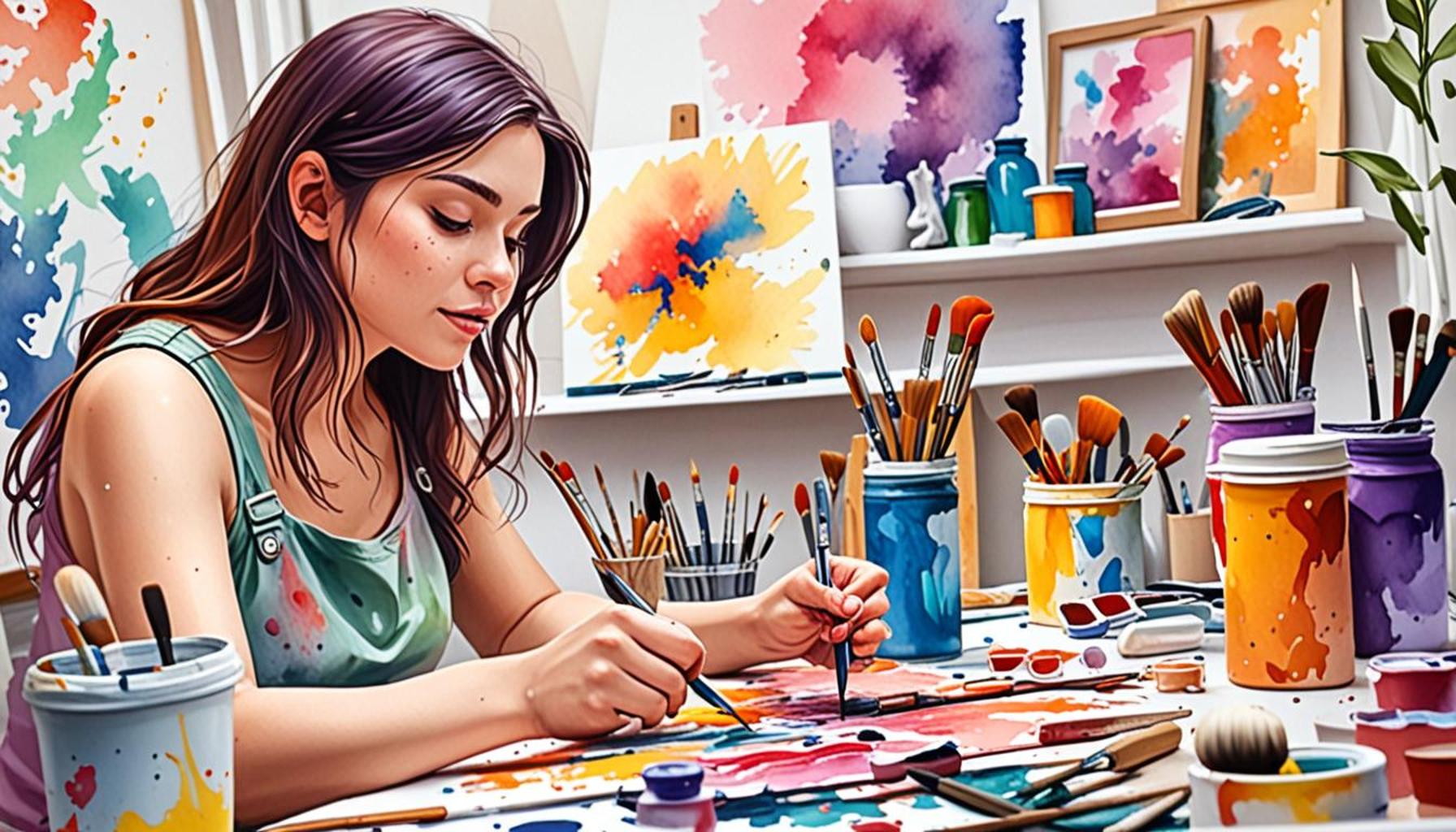
At the core of this exploration are several significant benefits associated with artistic activities. For starters, consider the concept of emotional release. Art allows individuals to channel their feelings into tangible forms—be it painting, sculpting, writing, or performing—providing a sense of relief from built-up tension. For instance, someone struggling with anxiety may find that painting helps vividly express the chaos swirling in their mind, making it easier to process and manage those feelings.
Moreover, engaging in art can lead to enhanced self-discovery. The process of creating allows a person to delve into their innermost thoughts and experiences, often uncovering insights that might remain hidden in day-to-day life. This can be particularly beneficial for those grappling with identity issues or trauma, as art serves as a mirror reflecting their internal struggles and triumphs.
Additionally, the role of community in mental wellness cannot be understated. Many art initiatives, ranging from community art classes to collaborative mural projects, cultivate a sense of belonging among participants. Such involvement can significantly mitigate feelings of isolation, enhancing social connections, and fostering an environment of support and understanding.
Art Therapy: A Professional Approach
The rise of art therapy programs across the United States highlights the importance of these creative pursuits in promoting mental health. Today, you can find certified art therapists working in schools, hospitals, and rehabilitation centers, using creative techniques to assist clients in understanding and expressing their emotions. These professionals blend psychological principles with artistic practices, providing patients with tailored experiences designed to meet their unique needs.
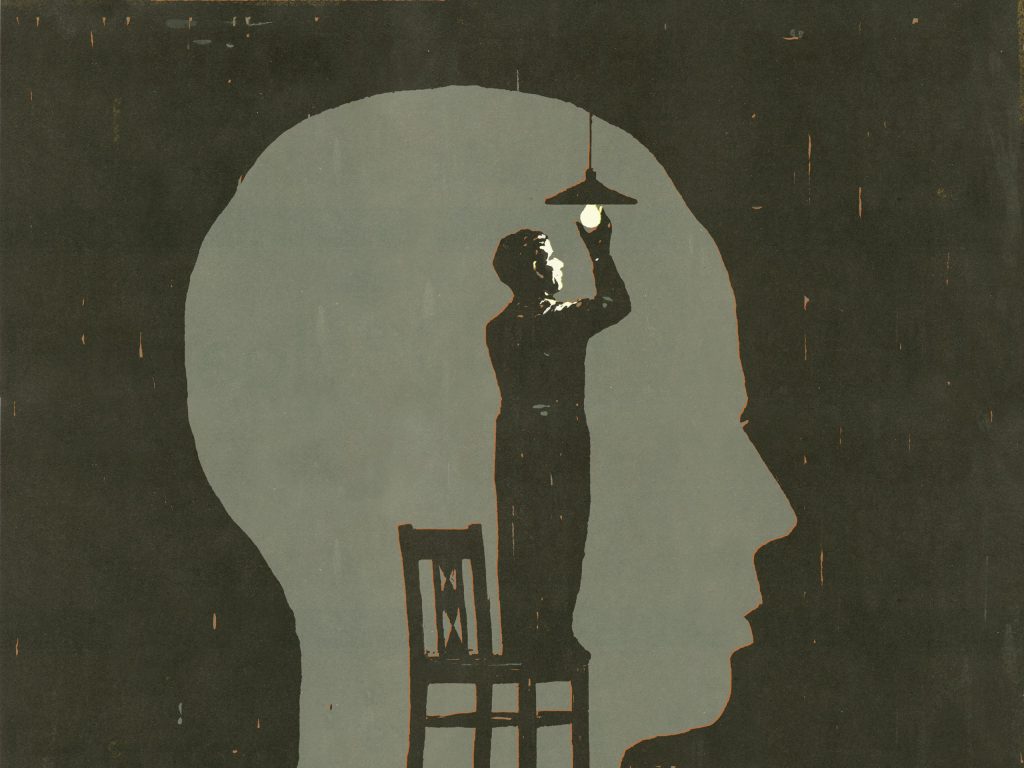
Incorporating artistic expression into therapy can also improve communication skills. Many patients find that articulating their feelings through art is much easier than through words alone. This can be particularly beneficial for children or individuals who have difficulty expressing themselves verbally. Beyond communication, completing a piece of art can lead to a tremendous sense of accomplishment, thereby boosting confidence and self-esteem. The simple act of creating and showcasing one’s work can transform a person’s view of their capabilities.
Another vital aspect of engaging in artistic activities is the capacity it has to foster mindfulness. As people immerse themselves in creative processes, they often achieve a state of flow that helps them remain present, reducing the influence of negative and intrusive thoughts. This practice of mindfulness contributes to overall emotional stability and well-being, serving as a necessary counterbalance in our fast-paced lives.
By examining the intersection of art and mental health, we unveil a rich tapestry of potential benefits that may inspire individuals to explore their own creative expressions. As we continue to understand the profound impacts of art on mental well-being, we can better recognize it as a valuable tool for overcoming personal challenges. Whether through community initiatives, professional therapy, or individual creative exploration, the transformative potential of art may indeed provide newfound hope and healing for many.
DIVE DEEPER: Click here to discover the magic of unconventional ingredients
Understanding the Connection between Art and Mental Health
Artistic expression serves as a powerful catalyst for healing, offering individuals an outlet to navigate through complex emotional landscapes. The psychological benefits of engaging with art—whether through creating, observing, or analyzing—are well-documented, revealing a direct correlation between creativity and enhanced mental well-being. Numerous studies indicate that participation in artistic activities can significantly diminish symptoms of anxiety, depression, and stress, thus paving the way for a more fulfilling life.
When individuals engage in art, their brains undergo notable changes. The process of creation stimulates the release of neurotransmitters such as dopamine, which is associated with feelings of pleasure and reward. This chemical reaction can act as a natural antidote to emotional pain, creating a productive feedback loop that encourages ongoing engagement in creative activities. Consequently, individuals find themselves better equipped to confront their personal challenges, whether they stem from trauma, loss, or simply the hectic pace of modern life.
One area where the intersection of art and mental health shines profoundly is in the practice of mindfulness. Engaging in artistic activities can draw individuals into the present moment, fostering a sense of calm and focus that is essential for emotional regulation. This state of mindfulness helps effectively dissipate negative thoughts and anxiety, leading to improved cognitive clarity and emotional resilience. Some notable mindfulness principles rooted in artistic expression include:
- Presence: Immersion in creative tasks promotes a heightened sense of awareness, allowing individuals to appreciate each moment.
- Self-acceptance: Creating art encourages individuals to embrace imperfection and explore their unique perspectives without judgment.
- Stress reduction: The rhythmic and repetitive nature of many artistic practices can induce a meditative state, alleviating stress levels.
Additionally, the unique aspect of artistic expression lies in its ability to transcend verbal communication. Often, individuals struggling with mental health issues find it challenging to articulate their experiences or emotions adequately. In these instances, art acts as a universal language, providing a framework to convey complex feelings without the constraints of spoken words. Through mediums like painting or music, profound messages can emerge that facilitate discussions about feelings, relationships, and identity.
Furthermore, the collaborative nature of art can significantly enhance its therapeutic potential. By joining forces in group settings, individuals can bond over shared experiences and create a community of understanding and support. This camaraderie can play a crucial role in combatting the isolation often felt by those with mental health struggles. Programs that integrate community art practices—whether through workshops, performances, or shared exhibitions—offer individuals not just a creative outlet, but a supportive network that nurtures resilience and positivity.
In conclusion, the *influence of art on mental health* is profound, revealing its potential to heal and transform lives. With a growing recognition of the benefits associated with artistic expression, it has become increasingly essential to consider how these practices can be incorporated into daily life, community programs, and therapeutic settings. Delving deeper into the connection between art and mental health may lead countless individuals towards a path of recovery and empowerment.
Artistic expression has long been recognized as a powerful means of exploring and understanding complex emotions. By engaging in creative practices, individuals can uncover hidden thoughts and feelings that might otherwise go unexpressed. This process not only fosters self-discovery but also provides a unique outlet for communicating these emotions to others, facilitating deeper connections and empathy. In various therapeutic settings, art therapy has emerged as a vital tool for mental health professionals. It encourages individuals to create without the pressure of achieving a perfect result, allowing them to express themselves freely and without judgment. The nonverbal nature of art can be especially beneficial for those who find it difficult to articulate their feelings through words. For instance, painting, drawing, or sculpting can serve as a form of release, helping individuals cope with stress, anxiety, and depression.Moreover, the act of creating art can trigger the brain’s reward system, releasing dopamine, a neurotransmitter linked to pleasure and motivation. Engaging in artistic activities not only boosts mood but can also enhance one’s overall sense of well-being. Whether it’s through the vibrant strokes of a paintbrush or the rhythmic cadence of music, art induces a state of flow, allowing practitioners to immerse themselves in the moment and escape from day-to-day challenges.Additionally, the social aspect of art cannot be overlooked. Participating in communal art projects or workshops provides opportunities for shared experiences and social interaction. These environments can build supportive communities, reduce feelings of isolation, and create a sense of belonging, all of which are essential for mental health recovery. It’s essential for individuals struggling with personal challenges to explore the myriad ways art can serve as a therapeutic resource. Each brushstroke, note, or word can not only reveal insights into one’s mental state but also act as a stepping stone toward healing and resilience. This intersection of creativity and mental health offers a rich tapestry of possibilities, inviting further exploration into the profound benefits of artistic expression. As research continues to unveil the many ways in which art influences mental well-being, it is clear that the world of creativity harbors a wealth of potential for those seeking to overcome their personal challenges. Understanding these dynamics can empower individuals to embrace art as a vital tool in their journey toward mental wellness.
DISCOVER MORE: Click here for easy DIY home decor ideas
The Role of Art Therapies in Mental Health Treatment
Art therapies have emerged as a vital component in the realm of mental health treatment, providing evidence-based approaches that harness the transformative power of artistic expression. Techniques such as art therapy, music therapy, and drama therapy have proven effective by integrating creative modalities into therapeutic practices. These methods are designed to facilitate self-exploration, emotional healing, and personal growth, making them indispensable tools for mental health professionals.
For instance, art therapy is recognized for its ability to help individuals externalize their thoughts and feelings onto a canvas or paper. It serves not just as a form of expression, but as a therapeutic process that allows clients to visualize and confront inner conflicts. According to the American Art Therapy Association, art therapy can reduce distress in patients suffering from anxiety, depression, and post-traumatic stress disorder (PTSD). Research highlights that 98% of participants in art therapy report an increase in well-being and overall mood following sessions, underscoring its effectiveness in promoting mental health.
An inspiring example of the positive impact of art therapy can be found in various mental health facilities across the United States. Some institutions have adopted innovative programs utilizing creative activities to foster emotional expression among patients. Programs that emphasize traditional artistic practices—like painting, sculpture, and mixed media—allow individuals to reclaim narratives of their lives that may have felt lost during periods of mental distress. In one noteworthy case, a group of veterans suffering from PTSD demonstrated significant progress through structured art therapy sessions, which equipped them with tools to process their experiences in a safe and controlled environment.
Music therapy is another compelling avenue where art intersects with mental health. Research indicates that engaging with music—whether through listening, playing an instrument, or songwriting—can significantly improve mood and cognitive function for individuals struggling with various mental health challenges. A systematic review published in the journal Music and Medicine found that music therapy can reduce anxiety levels and promote relaxation, with over 85% of participants reporting beneficial outcomes. This mirrors findings from institutions that have implemented music therapy as part of their holistic care approach.
Furthermore, drama therapy can provide an enriching experience that fosters self-reflection and personal insight. By adopting various roles and engaging in performance, individuals are encouraged to explore emotions and experiences in a less direct and often safer context. This form of therapy can be particularly beneficial for those who may feel uncomfortable expressing themselves verbally. Through stage performances, participants can confront and communicate their issues indirectly, ultimately leading to personal breakthroughs regarding self-identity, trauma, and resilience.
The benefits of incorporating these artistic elements into treatment extend beyond individual therapy settings. Many community organizations in the United States now offer group art therapy workshops to promote social interaction among individuals dealing with similar challenges. By forging connections through shared creative experiences, these programs help reduce stigma surrounding mental health and encourage open dialogue. The National Alliance on Mental Illness (NAMI) has highlighted the success of community art projects in promoting advocacy and healing among participants, emphasizing the sense of belonging and understanding they foster.
As the intersection of art and mental health continues to evolve, it underscores the importance of adopting a multidimensional approach to healing. Initiatives that merge creativity with therapeutic practices hold the potential to transform lives, empowering individuals to confront and navigate their personal challenges while promoting a lasting sense of emotional well-being.
DIVE DEEPER: Click here to discover how art fuels social change</
Conclusion
In conclusion, the profound connection between artistic expression and mental health is increasingly supported by both anecdotal evidence and scientific research. As demonstrated through various therapeutic practices such as art therapy, music therapy, and drama therapy, creative engagements provide a unique avenue for individuals to confront and navigate their personal challenges. These methods have not only facilitated emotional healing but have also fostered personal growth, encouraging individuals to explore their inner landscapes in safe and supportive environments.
The success stories from mental health facilities and community programs across the United States reveal the significant impact of art on enhancing well-being, promoting connection, and reducing mental health stigma. Programs that cultivate group expressions through art create not only a sense of belonging but also empower participants to share their narratives and experiences that may otherwise remain unexamined.
As we continue to unveil the layers of this intricate relationship between art and mental health, it becomes clear that embracing artistic methods within therapeutic contexts is essential. Individuals seeking ways to better manage their mental health can find refuge in creative expression, proving that art is not merely an outlet for passion but an effective tool in the ongoing struggle for emotional balance and well-being. Continued exploration and integration of artistic therapies in mental health practices hold the potential to change lives and promote a brighter, more resilient future for those facing psychological challenges.