The Influence of Mind Games on Emotional Resilience in Problem Solving

The Intricacies of Mind Games
In the intricate tapestry of human emotion, mind games are not simply leisurely distractions; they play a crucial role in our psychological development. By engaging with these cognitive challenges, we not only sharpen our mental faculties but also bolster our emotional resilience, which is essential for overcoming obstacles in both personal and professional realms. The profound influence of mind games may reveal strategies that enable us to navigate daily life with greater confidence and efficiency.
What Are Mind Games?
- Chess: This classic strategy game, often hailed as the “royal game,” enhances cognitive functions such as memory, concentration, and logical reasoning. Numerous studies have shown that playing chess can improve academic performance in students by fostering critical thinking skills.
- Puzzles: Engaging in puzzles, whether they’re jigsaw, crosswords, or sudoku, stimulates various brain regions, promoting critical thinking and problem-solving abilities. The satisfaction derived from completing a puzzle can also significantly boost mood and self-esteem.
- Role-playing games: Popular titles like Dungeons & Dragons encourage players to adopt different personas and navigate complex scenarios, fostering empathy and creativity. This type of play not only helps develop social skills but also teaches players how to approach real-world challenges from varied perspectives.
These activities serve not just as pastimes but also as fuel for our cognitive machinery. By challenging our minds, mind games reinforce emotional resilience. They provide a structured environment in which we can practice facing setbacks and developing strategies to overcome them, encouraging a proactive mindset where each challenge is viewed as an opportunity for growth.
Emotional Resilience in Problem Solving
Emotional resilience is integral to successfully navigating life’s complexities. This trait is particularly crucial in problem-solving scenarios where the ability to regulate emotions can significantly impact outcomes. The benefits of developing this resilience through mind games include:
- Enhanced stress management: Engaging in challenging activities like chess or intricate puzzles helps individuals learn how to cope with pressure, cultivating a calm approach even in high-stakes situations.
- Improved decision-making skills: Mind games require players to analyze situations and make decisions quickly, equipping them with the skills to weigh options and anticipate consequences in real life.
- Increased adaptability to change: Many games incorporate unexpected twists or challenges, allowing players to encounter and adapt to change in a controlled setting, which translates well into personal and professional environments.
Diving deeper into the intricate connection between mind games and emotional resilience not only broadens our understanding but also opens up new strategies for personal and professional development. As we engage with these activities, we are not just entertaining ourselves; we are investing in our ability to face the complexities of life head-on. Are you ready to explore this captivating relationship further?
DIVE DEEPER: Click here to enhance your creativity
Unlocking the Potential of Mind Games
The relationship between mind games and emotional resilience is intricate and profound. These activities do not merely engage our intellect but actively shape how we manage emotional stress and tackle problems. In a world where challenges are omnipresent, understanding how mind games contribute to emotional fortitude is essential for personal and professional growth.
Engaging in mind games provides unique opportunities for individuals to experience constructive tension, akin to what one might encounter in high-pressure scenarios. Whether it is the deliberate strategy of a chess match or the thrilling unexpected turns in a role-playing game, players are compelled to think critically and creatively. Studies indicate that individuals who regularly participate in mind games exhibit greater emotional regulation, facilitating a calmer approach to life’s challenges. This connection allows for more effective problem-solving, enabling individuals to embrace setbacks and navigate them with confidence.
Key Benefits of Mind Games on Problem-Solving Resilience
Understanding the specific benefits of engaging with mind games reveals their vital role in enhancing emotional resilience. Here are some key advantages:
- Boosted Cognitive Flexibility: Mind games require adaptability and quick thinking. Players are often faced with shifting circumstances, forcing them to rethink their strategy on the fly. This not only cultivates flexibility in thinking but also equips players to respond effectively to unforeseen challenges in real life. For instance, consider the fast-paced nature of games like Scrabble or Settlers of Catan, where one must rapidly adjust gameplay based on both competition and circumstance, honing the ability to pivot strategies inspired by changing dynamics.
- Stronger Focus and Concentration: Engaging in mentally stimulating games hones one’s ability to concentrate for extended periods. This enhanced focus is transferable to problem-solving tasks, allowing individuals to maintain attention on the objective at hand without being easily distracted. A common example is the game of Sudoku, which requires sustained attention to detail over multiple steps—a skill that benefits tasks ranging from studying for exams to managing complex work projects.
- Enhanced Emotional Intelligence: Many mind games, especially those that involve competitive scenarios like poker or team-based strategy games, require understanding others’ motivations and emotions. Engaging in these games develops empathy and emotional awareness, essential components for effective communication and conflict resolution in everyday life. For example, navigating the intricate social dynamics of a game like Dungeons and Dragons cultivates a deeper understanding of social cues and interpersonal strategies, applicable in both personal and professional interactions.
- Heightened Self-Efficacy: Successfully overcoming challenges in mind games can significantly boost an individual’s confidence. This enhanced sense of personal capability translates into real-world situations, reinforcing the belief that one can navigate life’s hurdles. Consider how winning in a challenging game of chess can instill a greater sense of self-belief when facing real-world obstacles such as job interviews or critical presentations.
As we explore the effects of mind games on emotional resilience, it’s important to recognize that these activities serve as more than mere distractions; they are powerful tools for personal growth. Through the lens of mind games, individuals learn to embrace challenges, rethink strategies, and develop the emotional tools necessary for resilient problem solving.
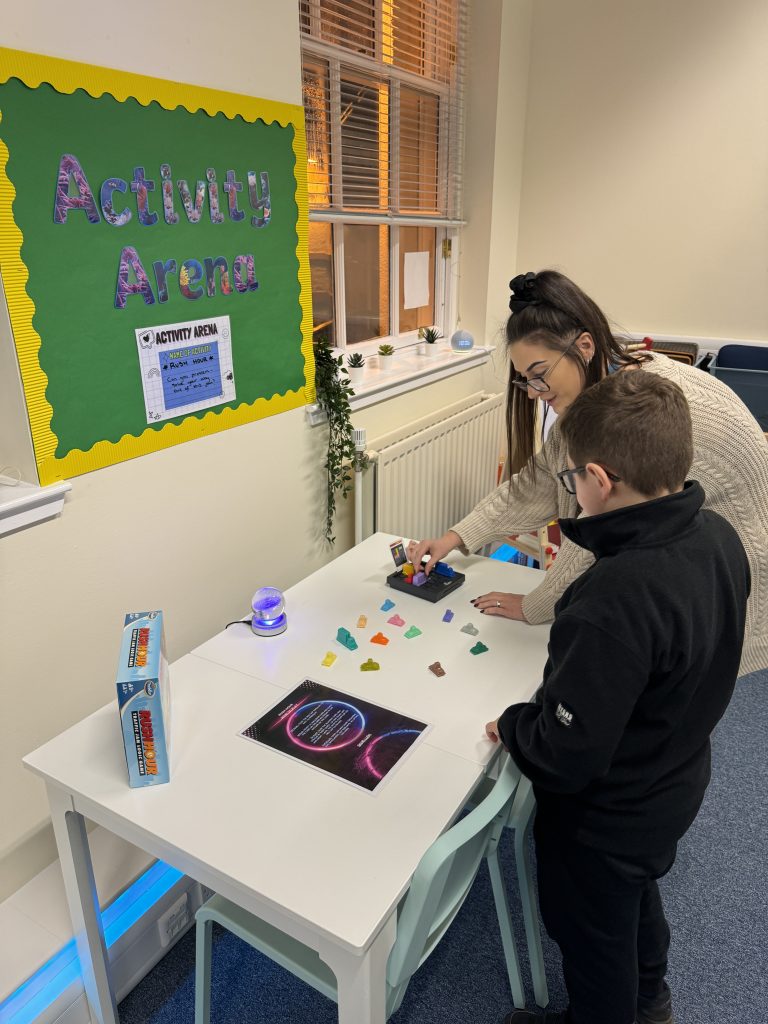
In today’s fast-paced world, integrating mind games into one’s routine could be a transformative practice. Whether through casual board game nights or engaging in online puzzles, the benefits are within reach. Ready to delve deeper into how these cognitive engagement strategies can empower your day-to-day life?
The Influence of Mind Games on Emotional Resilience in Problem Solving
As we delve deeper into the realm of mind games, we uncover the profound effects they have on enhancing emotional resilience and improving problem-solving skills. Mind games often challenge an individual’s cognitive abilities, forcing them to think creatively and adaptively in high-pressure situations. This engagement not only sharpens mental acuity but also fosters a sense of confidence that can be instrumental when approaching complex issues.One of the fascinating aspects of mind games is their capacity to change emotional responses during problem-solving scenarios. By simulating stress through gameplay, individuals learn to manage their emotions effectively. For instance, players who consistently engage in strategic games like chess or puzzle-solving activities develop better emotional regulation, which is crucial for clear thinking and decision-making under duress. Such activities serve as training grounds, allowing individuals to rehearse their emotional responses and prepare for real-world challenges.Furthermore, research has shown that incorporating mind games into educational settings can yield significant benefits. Not only do students experience increased engagement through competitive play, but they’re also more likely to develop resilience. This resilience, in turn, can be attributed to the exposure to various problem-solving scenarios encountered in these games, which encourages a growth mindset. Additionally, mind games have the potential to bridge social connections, as many require teamwork and communication. Such interactions can lead to improved emotional intelligence, helping individuals navigate interpersonal relationships more effectively. Consequently, the influence of mind games extends beyond individual skill-building; it fosters a supportive community where problem-solving becomes a collaborative effort.To further enrich the discussion on the role of mind games in emotional resilience, it’s important to recognize their application in therapy and mental health. Therapeutic gaming is increasingly being employed as a tool to help individuals confront their fears and anxieties in a controlled environment. This method not only aids in emotional recovery but also enhances problem-solving capabilities, allowing individuals to approach life’s challenges with renewed vigor and clarity.The integration of mind games into daily routines or therapeutic practices can thus act as a powerful catalyst for strengthening emotional resilience and refining problem-solving skills. Embracing the strategic nature of these games may lead to profound personal growth and equip individuals with the tools necessary to tackle life’s complexities with confidence and creativity.
| Mind Game Category | Influence on Emotional Resilience |
|---|---|
| Strategic Games (e.g., Chess) | Enhance critical thinking and adaptability in stressful situations. |
| Puzzle-Solving Activities | Foster a growth mindset and emotional regulation through complex scenarios. |
By understanding the interplay between mind games, emotional resilience, and problem-solving, we can leverage these insights to cultivate stronger minds capable of overcoming adversity and thriving in challenging environments.
DIVE DEEPER: Click here to discover more about mental games for kids
Mind Games as a Tool for Stress Management
Another profound aspect of mind games is their capacity to assist individuals in managing stress, a crucial component of emotional resilience. As players immerse themselves in intricate scenarios and strategic challenges, they often find a temporary escape from daily pressures. This distraction, marked by engagement with a game, enables players to detach from immediate stressors, fostering a healthier mindset. Research indicates that engaging in cognitively demanding activities can lead to decreased levels of the stress hormone cortisol, promoting a more positive emotional state.
For instance, the adrenaline rush during intense games like escape rooms can channel the body’s stress response into excitement and problem-solving rather than anxiety. Participants often report that the collaborative nature of these challenges encourages teamwork and support, leading to enhanced coping mechanisms in social interactions when real-life pressures arise. In essence, mind games create a safe environment to explore stress responses, yielding invaluable lessons in emotional regulation.
The Role of Failure and Learning in Mind Games
One of the most significant benefits of engaging in mind games is the acceptance and management of failure. In the realm of strategic play, loss is an integral part of the process. Games like Risk or Fortnite often require players to take calculated risks, paving the way for valuable lessons in resilience. Each defeat becomes a stepping stone toward growth, instilling a mindset of perseverance and adaptability. This acknowledgment of failure as a natural part of the journey boosts emotional resilience, illustrating the importance of resilience when tackling real-world problems.
Additionally, the iterative nature of mind games allows players to experiment with different strategies without fear of severe repercussions. This trial-and-error approach cultivates a growth mindset—viewing challenges as opportunities for improvement rather than insurmountable obstacles. For instance, players of League of Legends often analyze their performance post-game, discovering what worked and what didn’t. This analytical perspective fosters an environment where learning from one’s mistakes translates into real-life scenarios, enhancing the ability to adjust and respond effectively.
Community and Support through Mind Games
Engaging in mind games often brings individuals together, creating a sense of community that bolsters emotional support. Whether participating in board game nights or online gaming platforms, the interaction fosters connections with others who share similar interests. This community aspect reduces feelings of isolation and provides a network of support essential for developing emotional resilience. Research has documented that social interactions during games can significantly reduce anxiety levels, creating a stronger emotional support system conducive to healthier problem-solving approaches.
Furthermore, collaborative games, such as Overcooked or Mechs vs. Minions, inherently emphasize teamwork and communication. The pressure to succeed together necessitates the development of trust and reliance on teammates, reinforcing emotional bonds that can translate into real-world interactions. This shared experience of overcoming challenges together enhances not only problem-solving skills but also emotional intelligence, creating a more cohesive approach to navigating life’s obstacles.
Overall, the multifaceted influence of mind games on emotional resilience extends beyond mere cognitive engagement. They emerge as powerful mechanisms for developing coping strategies, enhancing learning from failures, and fostering community connections that collectively contribute to robust problem-solving capacities. As more individuals recognize these benefits, there is potential for mind games to become an integral part of personal and professional development strategies.
DISCOVER MORE: Click here to enhance your mindfulness journey
Conclusion
In conclusion, the impact of mind games on emotional resilience in problem-solving is both compelling and far-reaching. By serving as engaging tools for stress management, these games enable players to navigate challenges while developing crucial coping strategies. The thrill of overcoming obstacles and the inevitability of experiencing failure within these structured environments teach invaluable life lessons. Such experiences not only boost resilience but also foster a growth mindset wherein failures are reframed as opportunities for growth.
Moreover, the community aspect that emerges from playing mind games cannot be overlooked. The social bonds formed through team-based challenges and shared experiences provide emotional support, combat isolation, and enhance our ability to manage stress. These connections ultimately lead to improved emotional intelligence and enhance interpersonal skills that are essential in every aspect of life.
As the growing body of research highlights the benefits of mind games, it becomes increasingly clear that they offer more than just entertainment. They hold the potential for personal development, not only reinforcing emotional resilience but also enhancing our problem-solving capacities in personal and professional contexts. Engaging with mind games is more than a pastime; it’s an investment in one’s emotional well-being and adaptive capabilities, a concept worth exploring further for anyone seeking to elevate their resilience in the face of life’s challenges.