The Influence of Pop Culture on Modern Artistic Expression: Trends and Impacts
Understanding the Impact of Pop Culture on Modern Art
The continuous evolution of pop culture has become a pivotal source of inspiration for artists across various disciplines, profoundly shaping their creative practices. This relationship is evident in the way artists incorporate themes and concepts that resonate with contemporary audiences, creating a dialogue that goes beyond the canvas, screen, or stage. The influence of pop culture is particularly noticeable in the thematic elements artists choose to explore, the innovative materials and techniques they utilize, and their methods of audience engagement.
Thematic Inspiration
Artists today are increasingly influenced by the tapestry of pop culture, drawing thematic inspiration from a diverse array of sources such as movies, social media trends, and celebrity culture. Take, for instance, the prominent artist Kehinde Wiley, known for his vibrant portraits of African American men set against ornate backgrounds reminiscent of classical European paintings. Wiley’s work is deeply rooted in the visual language of popular culture, evoking discussions about identity and representation in today’s society. Similarly, the works of contemporary street artists like Banksy reflect social and political issues, often utilizing humor and satire to critique celebrity culture and consumerism.
Materials and Techniques
Today’s artists are also expanding the boundaries of traditional artistic practices by incorporating everyday objects and digital technologies. For example, the use of non-conventional materials, like recycled plastics, creates a dialogue about environmental concerns—an issue increasingly highlighted in pop culture through documentaries and social media campaigns. Artists like El Anatsui use discarded bottle caps to craft large-scale sculptures that not only challenge perceptions of art but also comment on waste culture in a world consumed by consumerism. Furthermore, digital technologies enable artists to reach a global audience instantly, enabling new forms of artistic expression, such as internet art and virtual installations, which redefine the idea of ‘art’ in intriguing ways.
Audience Engagement
The intersection of art and pop culture also manifests in how artists engage with their audiences. Works like those of Ai Weiwei provoke dialogue on critical societal issues, encouraging viewers to reflect on their own perspectives and the world around them. Engaging audiences through interactive installations, such as those featured in contemporary museums, invites them to participate actively rather than passively consume art. This reflects a broader trend where artistic expression often mirrors societal challenges, prompting conversations about race, gender, and environment that resonate deeply with contemporary viewers.
This profound cultural exchange continually redefines artistic norms and sets new expectations for creativity. Genres like street art and internet art embody this shift, showcasing how artists amalgamate traditional techniques with elements from popular culture to sculpt and narrate modern experiences. As pop culture continues to evolve, its influence on artistic expression invites a richer exploration of its significance within our society.
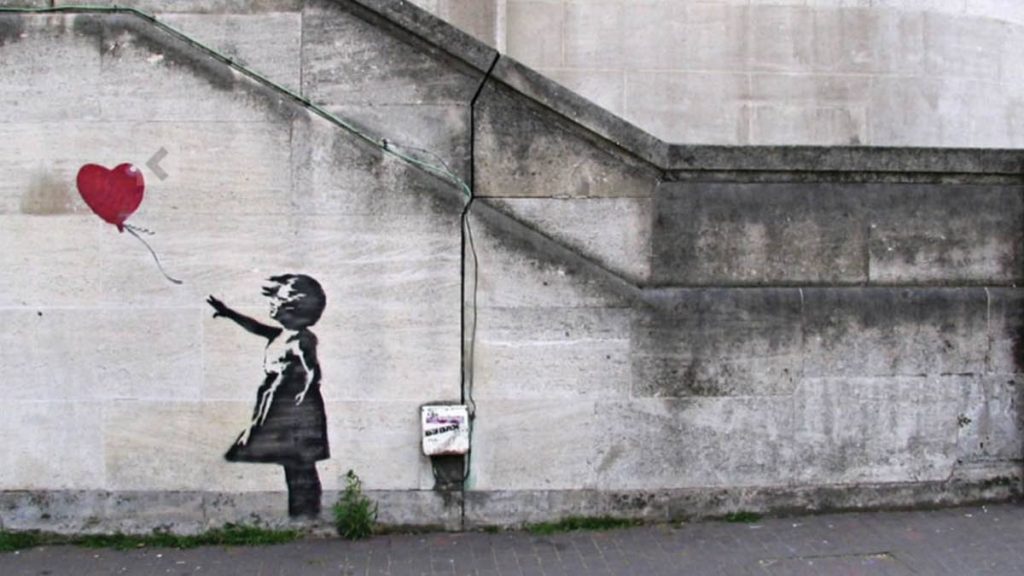
In this article, we will delve into emerging trends within the art world, analyzing notable case studies that exemplify the intricate relationship between culture and creativity. By examining the works of today’s groundbreaking artists and how they respond to pop culture, we aim to unveil the layers of meaning behind contemporary artistic practices and their societal implications.
DIVE DEEPER: Click here to learn more
Unpacking the Layers of Contemporary Art Influenced by Pop Culture
The interplay between pop culture and modern artistic expression is a fascinating phenomenon that unearths new dimensions in creativity. Artists today are not only influenced by prevailing trends in films, music, and social media but are also tasked with reflecting the complexities of the world in which we live. As contemporary society grapples with issues such as race, class, and gender, the arts serve as a mirror, illuminating these themes through a vibrant, pop-culturally informed lens.
The Role of Movies and Music
The influence of movies and music on modern artists is more pronounced than ever, as these forms of media shape collective consciousness. For instance, the rise of superhero films has led to a surge in artwork reflecting themes of heroism, identity, and morality. Artists like Cameron Gray and Tom Whalen create stylish narratives that explore the underlying themes presented in these cinematic universes, inviting audiences to engage with familiar stories in new and innovative ways.
Similarly, the music industry plays a central role in shaping visual cultures. The influence of iconic musicians, such as Beyoncé and Kanye West, can be seen across various artistic expressions, from fashion to visual art. The intersection of music video aesthetics and fine art invites artists like Shikeith to fuse genres, creating works that challenge perceptions of traditional art forms while elevating the cultural conversation around race and identity.
Social Media as a Canvas
Social media platforms, particularly Instagram and TikTok, have revolutionized the way art is consumed and created. Artists can showcase their work to a global audience without traditional gatekeeping, enabling a democratization of artistic expression. The short, digestible nature of content on these platforms encourages artists to create work that is visually striking and emotionally resonant, often leading to the emergence of trends that evolve rapidly. For instance, the ability to share GIFs, memes, and virally popular art pieces has led to a cultivation of “meme art,” where humor and relatability take precedence over traditional notions of aesthetic value.
Furthermore, social media serves not just as a publishing platform but as a space for community engagement. Artists harness the power of collective narratives that emerge in response to trending topics, instigating discussions around themes of politics, mental health, and social justice. The viral nature of these conversations has the potential to amplify marginalized voices, creating art that is not only reflective but also transformative.
The Impact of Celebrity Culture
Lastly, the pervasive nature of celebrity culture continues to shape the trajectory of modern art. Artists are often inspired by the lives and personas of famous figures, leading them to explore the intersection of fame and anonymity. Notable examples include the work of Andy Warhol, whose infamous silkscreens of celebrities have paved the way for contemporary artists to dissect and comment on the idolization of public figures. Today, emerging artists like Jammie Holmes or Griffin Lyle capture the surreal nature of celebrity encounters, illuminating how presence and absence contribute to the collective experience of pop culture.
As we delve deeper into the multitude of layers that connect pop culture to modern artistic expression, it becomes clear that the trends and impacts are both extensive and intricately woven into the fabric of society. The ensuing exploration will illuminate specific case studies that detail how artists navigate this complex relationship and redefine the notion of creativity in our contemporary age.
The Influence of Pop Culture on Modern Artistic Expression: Trends and Impacts
As we explore deeper into the connection between pop culture and modern artistic expression, it becomes evident that trends in music, film, fashion, and social media are profoundly reshaping how artists create and communicate their work. This intersection not only reflects societal values but also challenges conventional norms, opening new avenues for creative expression.In recent years, artists have increasingly turned to popular culture references to engage viewers on a more relatable level. For instance, the infusion of elements from blockbuster movies and viral social media trends into visual art has given rise to a unique fusion of high and low culture. Often seen in the works of contemporary artists, these hybrids attract broader audiences and evoke discussions around cultural significance. Moreover, the rapid pace of pop culture evolution, driven by platforms like TikTok and Instagram, compels artists to adapt quickly to stay relevant. This phenomenon leads to a continuous cycle of inspiration and innovation. Street art, muralism, and digital installations often incorporate visual language derived from memes and trending topics, creating an immediate resonation with the public.Another impact of pop culture on modern artistic expression is its role in amplifying social issues. Artists harness the power of their platforms to raise awareness about movements such as Black Lives Matter or climate change, using their work as a form of protest. The integration of pop culture motifs communicates urgency and accessibility, making complex themes more digestible for the masses.As we continue to navigate this complex landscape, understanding the impact of pop culture on artistry reveals the evolving nature of communication and expression in contemporary society. It raises important questions about authenticity, influence, and the role of artists as social commentators, reflecting a world that is increasingly interconnected and informed by shared cultural experiences.
| Trend | Impacts on Art |
|---|---|
| Incorporation of Multimedia | Artists blend traditional methods with digital expressions, leading to innovative installations and performances. |
| Social Media Influence | Platforms serve as both a canvas and gallery, shifting the way art is presented and consumed. |
The discussion surrounding the influence of pop culture on modern artistic expression is intricate and ever-evolving. By examining these trends and their impacts, we gain a richer understanding of both the art world and the society that shapes it.
DIVE DEEPER: Click here to discover more
Emerging Trends in Art Connected to Pop Culture
The landscape of modern artistic expression continues to evolve as artists actively engage with and respond to the shifting tides of pop culture. With the advent of technology and the increasing integration of diverse influences, we observe a burgeoning intersection of mediums, styles, and messages that redefine what contemporary art can be. This section will explore the prominent trends that illustrate how pop culture informs and inspires modern artists, enhancing their creative processes and the shadows cast on societal discourse.
Fusion of Traditional and Digital Mediums
One of the most notable shifts in artistic expression is the seamless blend of traditional and digital mediums. Artists such as Refik Anadol and Beeple have harnessed the power of digital technology to create immersive installations and digital artworks that resonate with themes of reality and illusion. These artists utilize artificial intelligence and data visualization techniques to push the boundaries of what art can communicate. Their work opens up new avenues for viewer interaction, allowing for experiences that transcend passive observation.
Moreover, the rise of Non-Fungible Tokens (NFTs) has revolutionized the art market. NFT artists have capitalized on the idea of ownership and authenticity in the digital realm, often pivoting from traditional auction houses to online platforms that cater to the tech-savvy consumer. Artists like Pak have successfully sold works for millions of dollars, showcasing how pop culture intersects with economics and technology in the realm of contemporary art.
Pop Culture References in Fine Art
Contemporary artists increasingly draw inspiration from pop culture references embedded in everyday life. The works of artists such as Takashi Murakami exemplify this phenomenon, where he blends high and low art through vibrant visuals and animated characters inspired by anime and consumerism. Similarly, Jeff Koons infuses his sculptures with familiar pop culture motifs, accentuating themes of desire and commodification while challenging viewers’ perceptions of value.
This trend is further highlighted in the use of cultural symbols and iconography from TikTok, memes, and popular television series. Artists like Yayoi Kusama engage with these symbols, adopting and repurposing them into their works. Such practices not only invite viewers to reflect on their own cultural backgrounds but also serve to critique the pervasive influence of consumer culture on artistic creation.
Activism and Social Commentary
Pop culture also acts as a powerful vehicle for artistic activism. Artists are increasingly using their platforms to voice opinions on pressing issues, including climate change, social justice, and political movements. The work of Hank Willis Thomas exemplifies how pop culture and activism can coexist in the contemporary art dialogue. By intertwining pop culture references with impactful messaging, he sparks conversations that resonate with broader societal movements.
Furthermore, the rise of performative art and public installations connects directly to current events. Artists like Olafur Eliasson utilize their exhibitions to provoke awareness about global crises, prompting audiences to engage with the art in the context of their everyday lives. This dynamic interplay highlights how modern artists respond to the immediacy of pop culture by addressing the here and now, turning art into a platform for urgent societal discussions.
In this rich tapestry of influences, it becomes increasingly clear that the impact of pop culture on modern artistic expression is profound and multifaceted. Artists continuously reshape their practices to echo the cultural zeitgeist, exploring new formats, themes, and narratives that resonate across diverse audiences, ultimately challenging the boundaries of conventional art. As these trends unfold, they provide a fertile ground for a deeper understanding of how artistry embodies the zeitgeist of our times.
DISCOVER MORE: Click here to learn about mixing techniques
Conclusion
As we survey the dynamic landscape of modern artistic expression, it is evident that the influence of pop culture permeates every facet of creativity. From the innovative fusion of traditional and digital mediums to the vibrant incorporation of cultural symbols, contemporary artists continuously reinterpret and challenge our understanding of art. This rich dialogue between art and pop culture not only reflects society’s evolving tastes and norms but also provides a potent platform for activism and social commentary.
The intersection of technology, economics, and creativity—illustrated by the rise of Non-Fungible Tokens (NFTs) and the participatory nature of digital art—underscores how contemporary artists are harnessing emerging trends to redefine their practice and access new audiences. Moreover, by weaving pop culture references into their work, artists provoke critical discussions surrounding cultural identity, consumerism, and societal issues, prompting audiences to engage in meaningful dialogues.
Ultimately, as we continue to witness the profound impact of pop culture on artistic expression, we are reminded of the transformative power of art itself. It serves as a mirror to our society, reflecting both the aspirations and complexities of the times we live in. By embracing these influences, artists not only remain relevant but also enrich the broader cultural narrative, inspiring future generations to explore, question, and innovate. As we look forward, the ongoing synergy between art and pop culture promises to unveil an exciting frontier, one that invites us all to participate in the ever-evolving conversation of what art can be.