The Interaction Between Music and Other Forms of Artistic Expression: Exploring the Impact of Sounds on Visual Creation
The Interplay of Sound and Visual Art
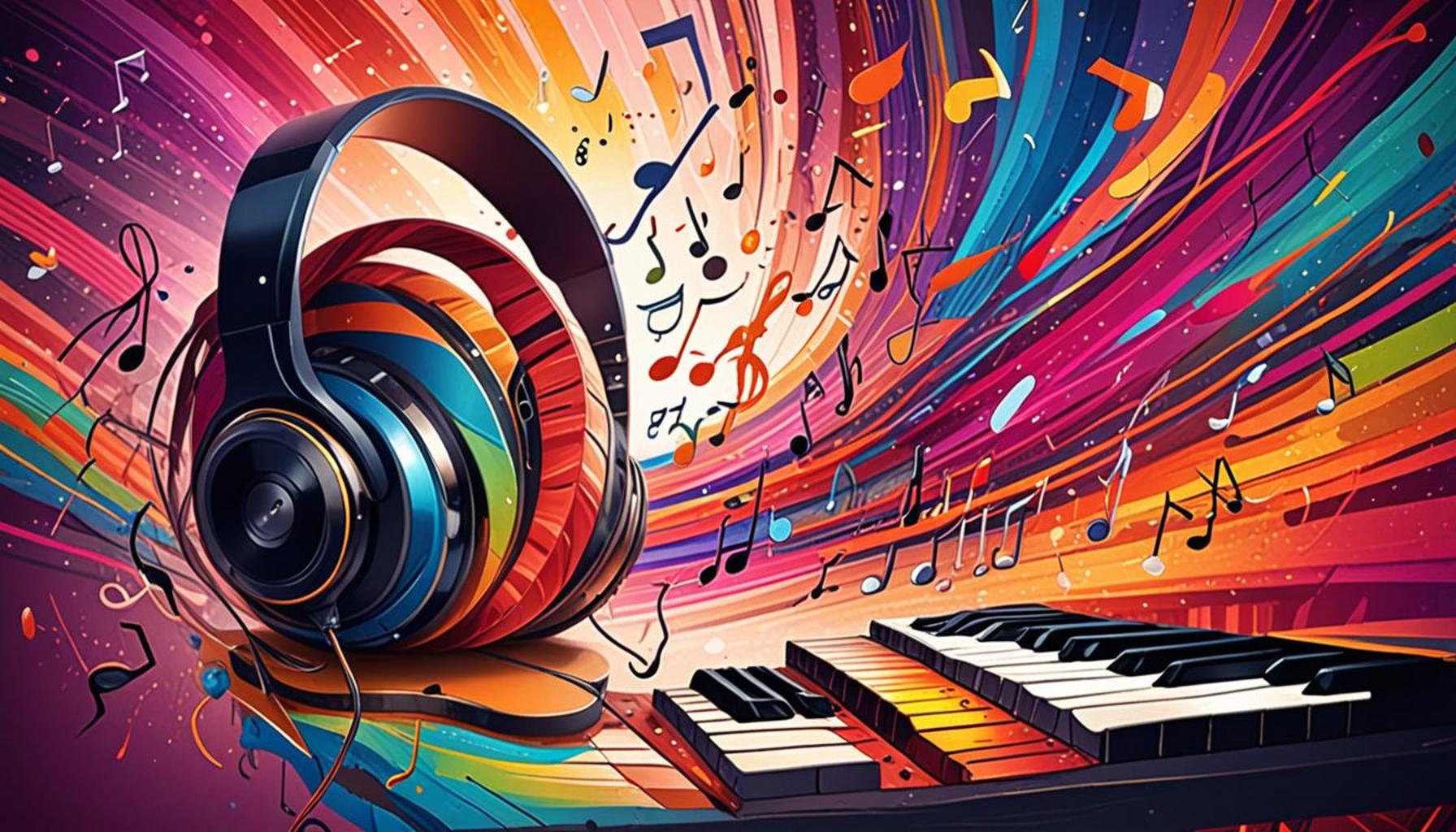
Artistic expression is a tapestry woven from various threads, each contributing to a larger narrative. Among these threads, music plays a pivotal role, influencing numerous art forms in profound ways. The synergy between sound and visuals opens doors to new dimensions of creativity, captivating both artists and audiences alike. The relationship between music and visual art is not merely coincidental; it is a dynamic interface that enriches the human experience.
One of the most significant aspects of how music affects visual art is through its emotional influence. Different musical genres have an intrinsic ability to evoke distinct emotions, which can serve as inspiration for visual artists. For instance, the lively beats of jazz may inspire an artist to create vivid, energetic brush strokes, while the somber tones of classical music might lead to more muted colors and reflective forms. Artists like Vincent van Gogh, who famously said, “I am always doing what I cannot do yet, in order to learn how to do it,” often drew from the melodies of his time, allowing music to guide the emotional undercurrents in his work.
Moreover, the rhythm and movement inherent in music can dictate the pace and energy of visual art. This can be particularly seen in abstract expressionism, where the pulsating rhythms of a musical piece can inspire an artist to create dynamic compositions filled with movement and spontaneity. The works of Jackson Pollock, known for his drip painting technique, epitomize this concept, as he often used music to set the tempo for his creative process. The vibrant swirls and splatters on his canvases echo the energy found in jazz, engaging viewers on both visual and auditory levels.
Additionally, cultural significance plays a crucial role in how music and art interrelate. Music genres often reflect cultural narratives and social movements, providing artists with a rich tapestry of themes to explore in their visual interpretations. For instance, the revolutionary sounds of hip-hop have spurred countless artists to comment on social issues through their mediums, capturing the essence of their heritage and current affairs. Exhibitions celebrating African American music, such as the impact of blues, gospel, and rap, have inspired artists to create poignant works that resonate with today’s audiences while paying homage to their roots.
Significant artists throughout history, such as Pablo Picasso and his collaborations with the Ballets Russes, illustrate how this connection manifests. By merging music with visual art, they were able to create performances that transcended traditional boundaries, crafting an immersive experience that captured the hearts of their audience. The resonance between music and visual forms not only shapes artistic practices but also enhances viewer experiences, creating a multi-sensory journey that invites deeper contemplation.
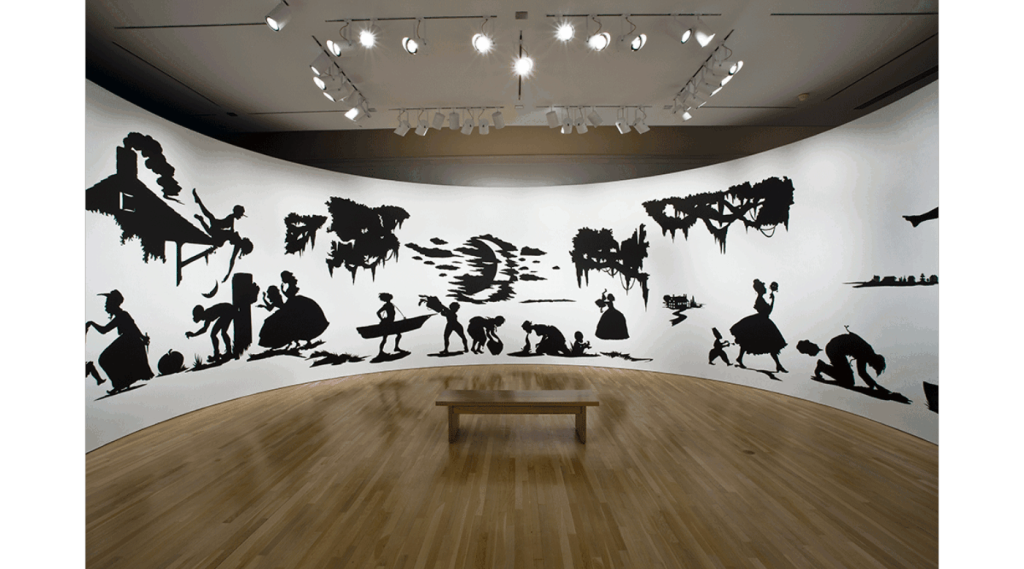
This exploration delves into the complex relationships between sounds and sights, urging us to consider how these artistic expressions intertwine. It encourages us to look beyond the surface and recognize how music continues to inspire, challenge, and influence the world of visual art. As we investigate further, it becomes apparent that the harmony of these art forms leads to a beautiful evolution, constantly reshaping our understanding of creativity itself.
DISCOVER MORE: Click here to dive into DIY creativity
Emotional Resonance: The Power of Sound in Shaping Visual Art
The intersection between music and visual artistry invites an exploration of how sounds can permeate the creative psyche of artists, guiding them towards diverse forms of expression. This emotional resonance is one of the most captivating aspects of this interaction. Artists have long recognized that the nuances of sound can convey feelings that visual elements alone sometimes struggle to encapsulate. For example, the soft, harmonious chords of a piano may inspire a delicate, ethereal painting, while the fierce growls of a heavy metal track could lead to sharp, aggressive shapes in an artwork. As artists immerse themselves in various soundscapes, they become conduits for the emotions embedded in music, translating auditory experiences into vivid visual narratives.
One particularly fascinating aspect of this interplay is the way musical motifs can serve as thematic touchstones in visual art. Many artists find inspiration in specific songs or albums, transforming the *lyrics* or *melodies* into visual cues. Consider the works of artist Wassily Kandinsky, who famously believed that colors and forms could directly reflect musical sensations. He often associated certain colors with specific musical notes, creating a synesthetic experience that compelled viewers to feel the rhythm of his art. This cross-pollination of senses leads to a unique viewing experience that encourages deeper reflection and engagement.
The Influence of Rhythm and Structure
The impact of rhythmic patterns and the structure found in music extends further into the realms of visual creation. Artists frequently cite the importance of rhythm when working on their compositions, mirroring the beats and breaks found in music. This connection is particularly evident in genres like modern dance and performance art, where choreography and visual arts intermingle seamlessly. Dance, closely tied to musicality, often intertwines with paint, sculpture, and installation art, creating a multifaceted experience for audiences.
- Spontaneity: The fast-paced rhythms of genres like rock or electronic music often lead artists to adopt a more spontaneous and impulsive approach to their work.
- Harmony: Smooth, flowing music, such as classical or ambient sounds, encourages artists to consider a more harmonious composition, utilizing gentle transitions between colors and shapes.
- Dissonance: On the flip side, jarring sounds or dissonant musical scales can result in discordant visual elements that challenge viewers, provoking thought and conversation.
This intricate dynamic between sound and visuals also extends into the realm of new media, where artists experiment with sound installations that interact with visual elements. By fusing audiovisual components, they create immersive experiences that deeply engage audiences, transcending traditional boundaries of perception. The burgeoning field of synaesthesia in art exemplifies this evolution, as artists explore how sound can visually manifest, inviting spectators to experience a complete sensory engagement.
As we delve deeper into the outcomes of this intricate relationship, it becomes increasingly apparent that the emotional and structural influences of music on visual art create a rich landscape for innovation and exploration. This interplay not only broadens the horizons of artistic possibility but also fosters a shared vocabulary between diverse art forms, enhancing our understanding of creative expression throughout history and into the present.
The Profound Connection: Sound and Visual Art
Artistic expression frequently transcends boundaries, and one of the most fascinating intersections is found where music meets visual art. The interaction between music and visual creation opens up new avenues for exploration, providing artists with unique ways to convey emotions and ideas. Consider the impact of rhythm on the brushstroke — fast-paced music can evoke quick, energetic movements, while slower melodies could lead to more fluid, graceful expressions on canvas.Artists like Wassily Kandinsky were pioneers in embracing this connection, believing that color and sound share a similar emotional language. His works often reflect an almost synesthetic experience, where the viewer could feel the music he heard while creating. This idea opens the door to a deeper understanding of how sound can influence perception in visual formats.Moreover, the rise of digital media has allowed for innovative collaborations between musicians and visual artists. Multimedia installations that incorporate both sound and imagery challenge traditional art forms and engage audiences on multiple sensory levels. These experiences not only enrich the viewer’s understanding but also elevate artistic appreciation by creating an immersive environment. Artists today leverage technology to orchestrate a symphony of sights and sounds; the potential for future collaborations in this realm is limitless. By exploring this vibrant synergy, we can gain insights into how music catalyzes creativity in visual arts and inspires new artistic movements.
| Category 1 | Category 2 |
|---|---|
| Emotional Resonance | Music stimulates feelings that can be translated into visual expressions, enhancing the overall emotional impact of the artwork. |
| Enhanced Audience Engagement | Combining sound with visual art captivates audiences, making the experience more immersive and memorable, leading them to explore deeper connections. |
The continued exploration of this dynamic relationship between music and visual expression highlights how art can transcend its mediums, fostering deeper connections with both the creators and the audience. This interplay challenges conventional narratives and encourages new discussions surrounding the nature of creativity itself. The evolution of these interactions will undoubtedly shape future artistic endeavors, inviting more artists to tap into the profound power that lies at this intersection.
DISCOVER MORE: Click here to learn about the impact of social media on alternative crafts
Translating Sound into Visual Language: The Role of Mediums and Techniques
While the emotional resonance of music fundamentally influences visual art, the mediums and techniques used by artists further enrich this relationship. The choice of tools—be it oil paints, digital graphics, or mixed media—can have a profound impact on how the essence of music is translated into visual form. Each medium carries its own unique properties that interact differently with sound, shaping the resultant artwork. For instance, watercolor’s fluidity may evoke the gentle tones of a soft jazz piece, allowing colors to bleed and blend in ways that mimic the smooth transitions of musical notes.
Digital art, on the other hand, allows for experimentation with sound visualization, where artists employ software to create direct translations of musical rhythms and pitches into dynamic shapes and patterns. This digital synthesis not only broadens creative possibilities, but also invites audiences into a participatory experience. Artists like Ryoji Ikeda create immersive installations that manipulate sound waves and visual elements to explore the complexities of data, sound, and visual perception. Audiences engage with these works through interaction, witnessing firsthand how the transformation of sound can lead to stunning visual outputs.
Historical Context: Evolution of Sound in Visual Arts
Throughout history, the interconnection between music and visual art has evolved significantly. The pioneers of the early 20th century, such as Kandinsky and Paul Klee, championed the idea that art should transcend tangible representation to engage more abstract concepts. Their works reflect the burgeoning recognition that visual art could interpret sound and vice versa. As movements like Surrealism and Abstract Expressionism took shape, musicians—such as John Cage—began to cross into the visual realm, collaborating with painters and filmmakers to create multi-sensory experiences that expanded the bounds of artistic expression.
In contemporary art scenes, this historical interplay continues to inform much of today’s artistic innovations. Artists often draw inspiration from genres that blend musicality with technology, such as hip-hop or electronic dance music. For example, street art has been heavily influenced by the beat-driven nature of hip-hop culture, where graffiti artists often utilize rhythm and sound in the planning and execution of their works. Large-scale murals might not only reflect the artists’ personal musical influences, but can also serve as visual counterparts to the rhythms and beats that permeate urban life.
- Collaboration: Multidisciplinary collaborations continue to flourish, with artists across sectors finding inventive ways to fuse their practices. This collaborative spirit enriches both music and visual art, leading to groundbreaking projects such as opera performances that incorporate video art or gallery exhibitions that feature live musical performances.
- Immersive Experiences: Exhibitions that combine visual art with synesthetic experiences, such as teamLab, invite visitors to experience environments where visual stimuli dance in harmony with electronic soundscapes, effectively creating a conversation between art forms.
- Public Spaces: Murals or interactive art installations often integrate sound elements, inviting passersby to engage with the artwork in a multisensory manner. This practice not only beautifies urban environments but reinforces the collective experience of art as a community.
The fusion of music and visual arts presents an evolving canvas for exploration and experimentation, enriching the creative landscape and fostering dialogues that transcend cultural boundaries. As artists continue to dive deeper into this intersection, the outcome will inevitably lead to new forms of collective experiences that redefine audience engagement and allow for a more profound appreciation of the intricate relationship between sound and vision. The ongoing evolution at this nexus promises to illuminate new dimensions of artistic expression, captivating audiences in ways that encourage further inquiry into the profound effects of artistic synergy.
DISCOVER MORE: Click here to dive into the sensory journey of cooking
Conclusion: The Harmonious Fusion of Sound and Sight
The exploration of the intricate interaction between music and other forms of artistic expression reveals a dynamic landscape where sound profoundly shapes visual creation. Throughout history, artists have harnessed the emotive power of music to inspire their works, leading to captivating visuals that often resonate on a deeper, more visceral level. From the evocative brush strokes of early 20th-century pioneers to the immersive digital experiences of today, the continual evolution at this intersection illustrates an enduring dialogue between auditory and visual stimuli.
This *dialogue not only enriches individual artistic expressions*, but also fosters a collaborative spirit that transcends traditional boundaries. By embracing multidisciplinary approaches, contemporary artists are creating innovative projects that invite audiences to experience art in unorthodox, multisensory ways—from live performances that meld sound and imagery to public installations that resonate within the urban soundscape.
As we move forward, the potential for music and visual art to ignite cross-cultural conversations and provoke profound emotional responses remains limitless. The growing interest in interactive and immersive art experiences reflects a societal longing for connection and engagement. Artists today are tasked with not only pushing creative boundaries but also elevating the discourse around the impactful synthesis of sound and vision. Recognizing the powerful synergy between these two forms of art offers us a unique lens through which to perceive and appreciate the world around us.
Ultimately, the journey of exploring this relationship encourages us to *delve deeper into the emotional landscapes* that are painted with sound, revealing an intricate tapestry where *every note becomes a brushstroke*, and every visual element resonates with auditory significance. As we continue to uncover these connections, the fusion of music and visual creativity will certainly lead to new artistic frontiers that captivate and inspire future generations.