The Power of Strategy Games: How Planning and Resolving Virtual Conflicts Can Reduce Anxiety
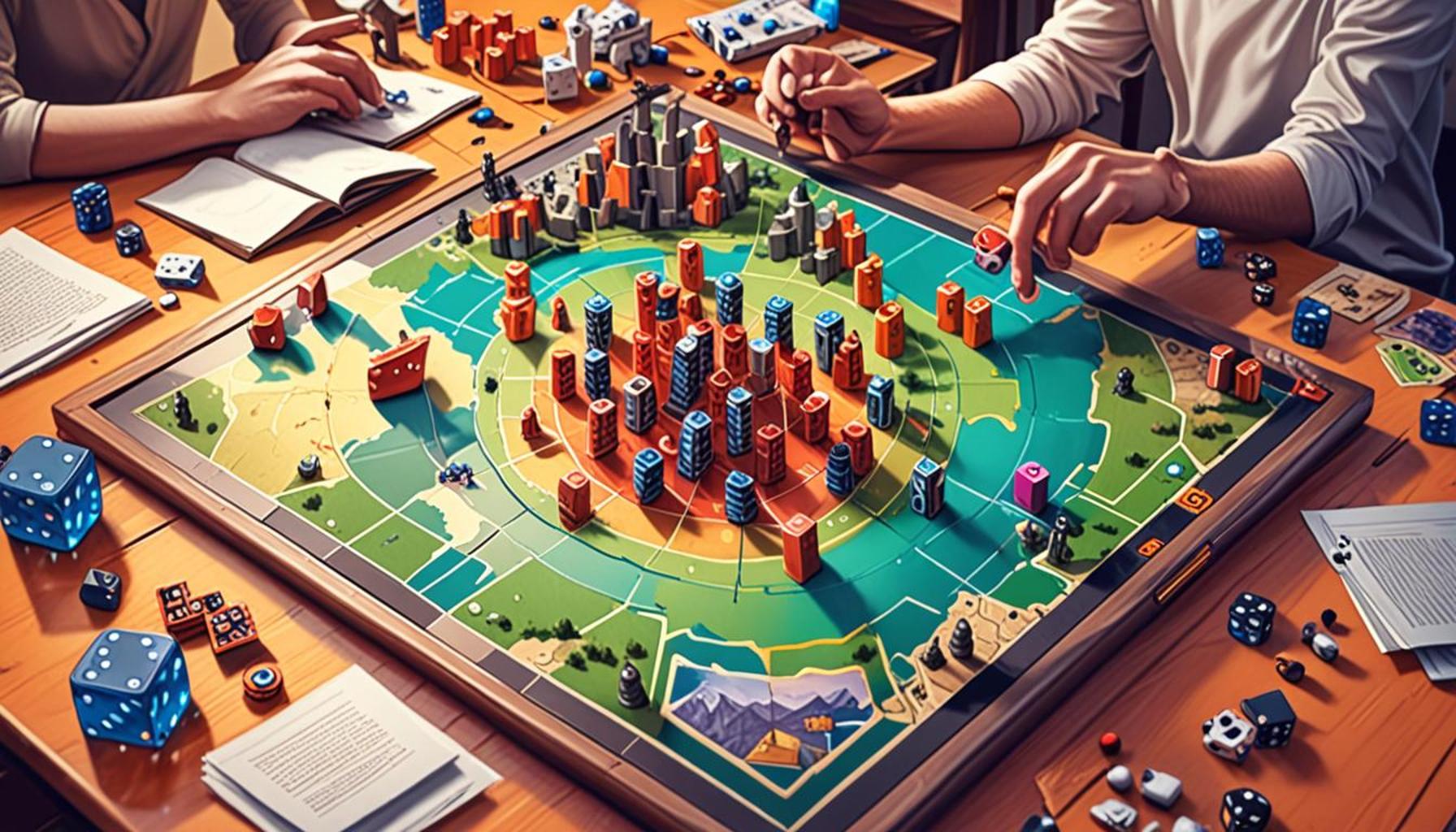
Unveiling the Benefits of Strategy Games
In today’s fast-paced world, stress and anxiety often feel like unwelcome companions. However, there’s a surprising ally that many are turning to: strategy games. These engaging platforms offer more than just entertainment; they provide a unique space for mental exercise that can lead to reduced anxiety levels.
Why are strategy games gaining popularity as a therapeutic tool? Here are some compelling reasons:
- Enhanced Planning Skills: Players are required to think ahead and foresee potential outcomes, honing their decision-making abilities. By engaging in complex scenarios, participants learn to assess multiple variables and consider potential consequences. For instance, in games like Civilization, players manage entire nations, balancing resources, diplomatic relations, and military strategy, teaching them to weigh short-term gains against long-term objectives.
- Conflict Resolution: Engaging in virtual battles helps players practice resolving conflicts in a safe environment. Strategy games simulate competitive situations where players must negotiate, outsmart, or cooperate with others. This can translate into real-world skills; when players navigate social dynamics in games like StarCraft, they can develop better interpersonal skills and a deeper understanding of teamwork and collaboration.
- Stress Relief: Immersing in a game can distract the mind from real-life worries, leading to moments of relaxation. The absorbent nature of strategy games provides an escape that allows players to set aside their problems and indulge in a world governed by tactical thought and creativity. Engaging games often lead to the release of dopamine, the “feel-good” neurotransmitter, which can significantly elevate mood levels.
Statistics reveal that over 70% of Americans play video games, and many regularly engage in strategy-based titles. These games, including time-honored classics like Chess as well as modern iterations like League of Legends, provide not just an escape, but also crucial life skills. A recent study indicated that participants who regularly play strategy games demonstrate improved problem-solving skills and creativity compared to their non-gaming peers.
As we delve deeper into this topic, we will explore how planning and strategic problem-solving can serve as powerful tools in combating anxiety. The structured nature of strategy games fosters a mindset conducive to evaluating options critically and logically, skills that are paramount in managing daily stressors. Furthermore, with communities forming around these games, players can experience social interaction that enhances their emotional well-being. Get ready to discover how the next time you pick up a controller, you could be paving the way for a calmer mind.
DISCOVER MORE: Click here to enhance your problem-solving skills
Transformative Effects of Strategic Thinking
One of the most compelling aspects of strategy games is their ability to cultivate transformative thinking. Players are not merely passive participants but active strategists, often needing to formulate complex plans that require foresight and adaptability. This process significantly mirrors cognitive behavioral techniques used in therapeutic settings, aiming to reshape thought patterns that contribute to anxiety.
In navigating through virtual landscapes and facing various conflicts, players train their brains to engage in critical thinking and reflective practice. For example, consider games such as XCOM or Fire Emblem, where players are challenged to manage their resources while making tactical choices that impact the outcome of the game. This setup encourages individuals to evaluate the implications of their actions thoughtfully, honing a skill set that can be beneficial when tackling real-world dilemmas.
Research has shown that immersing oneself in strategic gameplay can lead to significant improvements in cognitive flexibility—an important factor in reducing anxiety. Key elements involved in this cognitive-enhancing process include:
- Anticipating Challenges: Players learn to prepare for unexpected outcomes. By speculating on adversaries’ moves and potential counter-strategies, they build resilience and reduce fear of failure in real-life situations.
- Adapting to Change: Strategy games constantly evolve, presenting new scenarios that require players to shift their approach. This adaptability fosters a mindset that is better equipped to handle life’s uncertainties, easing the grip of anxiety.
- Decision-Making Under Pressure: Many strategy games place players in high-stress environments where quick decisions can mean the difference between victory and defeat. This experience reinforces the ability to remain calm and composed when faced with pressure in real life, a vital skill for anyone struggling with anxiety.
Moreover, the social component of many strategy games—whether it’s cooperating with others or competing against them—has been linked to reduced feelings of isolation, a known trigger for anxiety. Engaging with fellow players cultivates a sense of community and belonging, essential factors for emotional well-being. Online platforms, such as gaming forums or communities like Reddit, allow individuals to share experiences, strategies, and support each other through their gaming journeys, reinforcing social bonds that can mitigate feelings of anxiety.
As we examine the intricate relationship between strategy games and mental health further, it becomes clear that these games do much more than entertain; they provide a robust framework for developing critical life skills. Through sharpened planning and conflict resolution skills, players not only gain proficiency in gaming tactics but also foster resilience that extends beyond the screen and into daily life challenges.
The Therapeutic Aspects of Strategy Games
Strategy games have gained recognition not just as a source of entertainment but also as tools for mental health and wellness. These games create immersive experiences where players engage in planning, decision-making, and conflict resolution. By engaging in complex problem-solving scenarios, players can transfer the skills learned in virtual settings to real-life situations, effectively reducing anxiety. The structured nature of these games provides players with a sense of control, fostering an environment where they can manage challenges without the high stakes of real-world consequences.
Enhanced Cognitive Skills
Engaging in strategy games requires players to think critically and strategize effectively. As players navigate through various levels of complexity, they develop cognitive flexibility, which enhances their ability to adapt to new situations. This cognitive exercise is beneficial for mental health, as it promotes resilience and helps players face real-world anxieties with a fresh perspective. According to recent studies, the cognitive engagement from strategy games can lead to improved problem-solving skills, further aiding individuals in managing stressors outside the game environment.
| Category | Key Features |
|---|---|
| Social Interaction | These games often involve multiplayer modes, fostering community and teamwork. |
| Stress Relief | Engaging in strategy games provides a distraction and a productive way to channel stress. |
| Skill Development | Players enhance skills such as critical thinking, risk assessment, and resource management. |
Community and Support
Another significant advantage of strategy games is their ability to bring people together. Gamers often find solace in communities where they can share experiences, strategies, and emotional victories. The social component allows players to connect with others who understand their challenges, creating support networks that help alleviate feelings of isolation. Online forums and gaming groups offer spaces where individuals can express their emotions related to anxiety, making these games a catalyst for meaningful connections.
In summary, the role of strategy games extends beyond mere entertainment; they serve as a therapeutic outlet that offers not only cognitive benefits but also critical social interactions that can greatly enhance mental well-being. As we delve deeper into the enriching aspects of these games, it becomes evident that they hold valuable lessons for those seeking to understand the mechanics of anxiety management.
DIVE DEEPER: Click here to discover more
Empowering Players Through Strategic Gameplay
Beyond cognitive benefits, strategy games offer empowering experiences that can significantly alleviate anxiety. The immersive nature of these games provides players with control over virtual environments, allowing them to experiment with various scenarios without the real-world consequences that often fuel anxiety. It’s within this digital sanctuary that individuals can confront fears and insecurities, rehearsing ways to cope with stressors in a safe space.
Take for example games like StarCraft or Civilization, which require extensive planning and foresight. Players are thrust into complex situations where they must harness their creativity to overcome obstacles. The freedom to devise diverse strategies not only fuels gaming enjoyment but also cultivates a sense of autonomy. This sense of control is crucial; studies indicate that individuals who perceive themselves as having control over their environment tend to experience lower levels of anxiety.
Additionally, the rewarding elements intrinsic to strategy games reinforce positive behavior. The achievement of objectives, whether they are to secure a strategic point or outmaneuver an opponent, fosters a sense of accomplishment. Each victory—large or small—translates into an emotional boost that can combat feelings of inadequacy and self-doubt commonly linked to anxiety. Captivating leaderboard systems and in-game accolades also feed into this positive reinforcement cycle. This gamified incentive structure engages players in a way that encourages perseverance, a vital trait in managing anxiety.
Furthermore, many strategy games incorporate problem-solving mechanics that challenge players to think critically and iterate their approach effectively. For instance, in games like Company of Heroes, players must dynamically assess battlefield conditions, forcing them to adapt their strategies in real-time. This skill of rapidly shifting tactics mirrors the adaptability required in everyday life, from workplace challenges to personal relationships. Regularly honing this adaptability through gaming can equip individuals with the tools needed to tackle unexpected stress with more calmness and resilience.
The cooperative nature of some strategy games enhances their positive impact on mental health. Titles like Among Us or Overcooked! encourage teamwork and communication, driving players to work together under pressure. Such interactions foster cooperation and bonding, reducing feelings of isolation. The social aspect not only provides emotional support but also allows players to share strategies and learn from one another, reinforcing the community spirit. These shared experiences can be therapeutic, providing a wholesome outlet for stress relief and rendering anxiety a distant concern.
Lastly, the experiential aspect of strategy games can be likened to exposure therapy—a technique often used to treat anxiety disorders. By simulating conflicts and challenges in a virtual environment, players gradually desensitize themselves to stress-inducing situations. This process leads to increased confidence and decreased avoidance behavior, which are essential in overcoming anxiety. Evidence suggests that this gradual facing of fears can lead to lasting changes in how individuals respond to stressors in the real world.
As players dive deeper into the realms of strategy games, they are not just attempting to conquer virtual territories but also crafting stronger mental fortitude. The intricate balance of planning, gameplay, and social engagement paves the way for a transformative experience in anxiety management. With each level, each victory, and each collaborative endeavor, strategy games deliver much more than entertainment—they offer powerful tools for mental resilience and emotional well-being.
DIVE DEEPER: Click here for powerful memory and focus strategies
Conclusion: Unleashing the Therapeutic Potential of Strategy Games
In a world where anxiety is increasingly prevalent, strategy games emerge as an unexpected ally in mental wellness. These games not only sharpen cognitive skills but also provide players with a unique space to confront challenges and elevate their emotional resilience. By engaging in strategic gameplay, individuals find themselves in an empowering environment that fosters control, creativity, and adaptability—all essential components in combating anxiety.
The intricate planning and problem-solving demanded by titles such as StarCraft and Civilization provide players with safe opportunities to navigate complex scenarios, mirroring the critical decision-making encountered in everyday life. The sense of achievement garnered from advancing through levels or overcoming in-game obstacles cultivates a positive feedback loop, boosting self-esteem and diminishing feelings of inadequacy. Moreover, the collaborative aspects of games like Among Us facilitate social connections, reducing isolation and offering emotional support through shared experiences.
Ultimately, the therapeutic potential of strategy games lies in their ability to simulate real-world conflicts and outcomes, functioning as a form of experiential exposure therapy. By facing virtual challenges, players can desensitize themselves to stressors that may overwhelm them in reality. As further research validates these benefits, it becomes increasingly clear that strategy games can play a pivotal role in holistic approaches to mental health. For those seeking an engaging route to improve their emotional well-being, exploring the world of strategy gaming may prove to be a powerful and transformative experience.