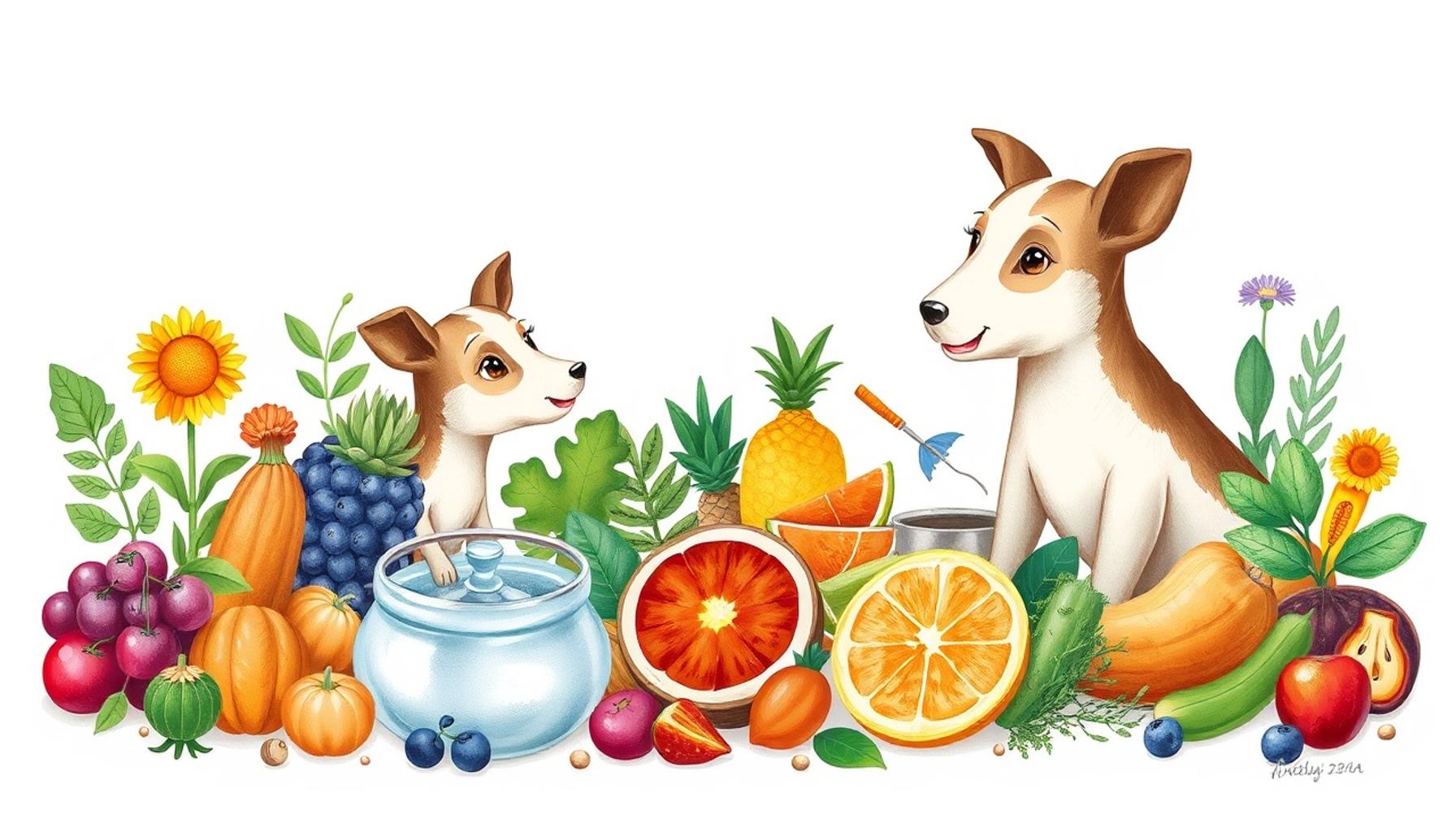
The Relationship between Diet and Behavior: How Nutrition Affects the Mental Health of Animals

Exploring Nutritional Impact on Animal Behavior
Diet is a fundamental aspect of the health and well-being of animals, encompassing both their physical condition and mental health. Recent research highlights a compelling link between nutrition and behavior, establishing that the food we provide to our pets can significantly affect their mood, actions, and even social interactions. Understanding this connection opens a dialogue about the responsibility of pet owners in curating appropriate diets for their animals.
Initially, it is essential to recognize that animals, much like humans, require a variety of nutrients to function optimally. Below are some critical components to consider:
- Protein Sources: Protein is vital for the development and maintenance of nerve cells in the brain. Deficiencies in protein can lead to various behavioral issues, including aggression or anxiety. For instance, a study conducted by the University of Pennsylvania found that dogs fed diets low in protein exhibited increased signs of stress and hyperactivity.
- Essential Fatty Acids: Omega-3 fatty acids, primarily found in fish oils, have garnered attention for their role in cognitive function and emotional regulation. Research indicates that diets enriched with these fatty acids can reduce anxiety levels in pets and contribute to improved mood stability. A highlighted example includes border collies, which showed enhanced learning abilities when their diets included omega-3s.
- Gut Health: An animal’s gut microbiome plays a significant role in behavior. A balanced diet rich in dietary fiber supports a healthy gut microbiome, thus impacting mental health. Recent studies show that probiotics and prebiotics can lead to reduced fear and anxiety in various species, including both cats and dogs.
As these insights gain traction, veterinarians and animal nutritionists are prompting further research into the intricate relationship between diet and behavior. The growing body of evidence directly correlates dietary choices with behavioral outcomes, urging pet owners to be proactive in understanding their animals’ nutritional needs.
This focus on nutrition extends beyond our cuddly companions in the home. In farm animals, appropriate diets have been shown to improve productivity, welfare, and social dynamics within herds. For example, providing cattle with balanced nutrition can reduce stress during handling and improve overall herd cohesion.
Wildlife management also benefits from this knowledge, as animals in conservation programs often rely on diets carefully curated to support both their physiological and psychological well-being, enhancing their adaptability to environmental changes.

As we delve deeper into this fascinating realm of study, the ongoing quest for optimal diets that encompass both physical health and mental wellness for all animals stands as a critical challenge. This investigation into the profound effects of food on behavior not only paves the way for creating healthier environments for our pets but also contributes to a broader understanding of animal welfare across species.
Nutritional Building Blocks that Shape Behavior
Understanding the direct impacts of nutrition on animal behavior requires exploring the dietary components that serve as foundational elements for both physical and mental health. The intricate balance of vitamins, minerals, proteins, and fats plays a crucial role in shaping how animals respond to their environments and interact with humans and other animals. Below, we explore key micronutrients and their profound effects on behavioral outcomes:
- Vitamins and Minerals: Essential vitamins, such as B vitamins, have been linked to mental health in animals. For instance, a deficiency in vitamin B6 can lead to irritability and aggressive behavior in dogs. Similarly, low levels of magnesium may result in increased anxiety and hyperactivity among various species. Ensuring an adequate intake of these vitamins is vital for maintaining a calm and balanced disposition.
- Antioxidants: Foods rich in antioxidants, such as vitamin E and vitamin C, not only fortify the immune system but also have implications for brain health. Research indicates that oxidative stress negatively impacts cognitive function, which can manifest as behavioral problems. For example, studies have found that elderly pets exhibit cognitive decline when their diets lack these essential antioxidants, leading to confusion and anxiety.
- Carbohydrates: The type of carbohydrates consumed can influence behavior, too. Simple carbohydrates can lead to rapid spikes in blood sugar, resulting in energy crashes and irritability. In contrast, complex carbohydrates, such as whole grains and vegetables, provide a steady energy source, which helps maintain stability in mood and behavior. This effect underscores the importance of selecting the right energy sources in animal diets.
Recent initiatives among veterinary professionals suggest customized diets that reflect the unique needs of different breeds, species, and individual health conditions. For instance, a high-quality diet designed for working dogs harnesses protein and fatty acids to support both their physical stamina and mental sharpness. This tailored approach not only promotes optimal behavior but also enhances the animal’s overall quality of life.
As we take a closer look at animal behavior entirely, one cannot ignore the significant advances being made in understanding how diet impacts wildlife as well. Conservation efforts often incorporate nutritional assessments to foster healthier ecosystems. Proper feeding strategies for endangered species not only facilitate better reproduction rates but also mitigate stress during captivity, resulting in a more harmonious living environment.
The knowledge gleaned from these insights allows pet owners, veterinarians, and researchers to advocate for dietary responsibilities, paving the way for improved mental health in both domestic animals and wildlife. Moving forward, these discussions about the relationship between diet and behavior will continue to resonate, revealing further correlations between what we feed our animals and how they think, feel, and act.
| Category 1 | Category 2 |
|---|---|
| Nutrient-Rich Diets | Improves overall animal behavior |
| Omega-3 Fatty Acids | Enhances cognitive function and mood stability |
| Antioxidants | Reduces stress and anxiety levels |
| Balanced Nutrition | Supports healthy neural development |
As we explore the intricate relationship between diet and behavior, it becomes evident that proper nutrition plays a vital role in the mental health of animals. A nutrient-rich diet not only enhances physical health but also promotes behavioral stability. For instance, the inclusion of omega-3 fatty acids, often found in fish and flaxseed, has been linked to improved cognitive function and better emotional regulation. These fatty acids are crucial for brain health, influencing everything from mood swings to impulse control.Moreover, the presence of antioxidants in foods such as berries and leafy greens has been shown to lower stress levels, significantly impacting overall well-being. Animals exposed to diets rich in these nutrients often exhibit reduced anxiety and aggression—a testament to how what they consume can directly affect their mental state.Incorporating a balanced nutrition approach not only ensures that essential vitamins and minerals are provided but also supports critical aspects of neural development. Adequate nutrition can lead to a profound improvement in behaviors, yielding healthier and happier pets. Understanding these dynamics is essential for pet owners and animal caregivers aiming to foster optimal mental health in their charges.
The Role of Gut Health in Behavioral Expression
A growing body of evidence suggests that an animal’s gut health significantly influences its behavior and mental wellbeing. The gut-brain connection, a term that is gaining traction in both veterinary and animal behavior research, highlights how the digestive system and the brain communicate. An imbalance in gut microbiota, often resulting from poor nutrition, can lead not only to physical ailments but also contribute to behavioral issues.
Prebiotics and Probiotics: The inclusion of prebiotics and probiotics in animal diets has shown promising effects on mental health. Prebiotics serve as food for beneficial gut bacteria, enhancing gut microbiome diversity and function. Probiotics, on the other hand, introduce healthy bacteria into the gut. Studies have indicated that animals receiving probiotic-enriched diets exhibit reduced anxiety levels and improved social behavior. For instance, a study published in the journal Animal Behavior demonstrated that dogs on a probiotic diet displayed less fearful behavior during veterinary visits, indicating enhanced resilience to stress.
Omega-3 Fatty Acids: In addition to gut health, the intake of omega-3 fatty acids has gained attention for its role in animal behavior. Found in sources like fish oil and flaxseed, omega-3 fatty acids aid in reducing inflammatory processes in the brain that are often linked to anxiety and aggression. Research has shown that dogs supplemented with omega-3 fatty acids demonstrate lower aggression and fewer anxiety-related behaviors, making a compelling case for their inclusion in pet diets.
Individual Dietary Needs: Every species, and indeed every individual within a species, has unique dietary requirements based on factors such as age, breed, size, and health status. For example, senior cats may benefit from higher protein diets to maintain muscle mass and cognitive function, thereby reducing signs of distress and aggression often seen in aging pets. Tailoring diets to these needs can help mitigate behavioral issues that arise from nutritional deficiencies or imbalances.
Furthermore, pet owners should be aware that abrupt diet changes can provoke behavioral responses in animals. Transitioning to a new diet should be done gradually to minimize digestive upset and associated stress. Gradual changes also allow pets to adjust more comfortably to their new food, which can influence their mood and behavior positively.
As awareness of the relationship between diet and behavior continues to rise, animal welfare organizations and veterinary practices are increasingly advising nutritional strategies that favor mental health. For instance, guidelines for pet diets now often include recommendations for enriched environments that accommodate both physical and mental stimulation alongside appropriate nutrition. Activities that engage natural foraging behaviors, such as puzzle feeders, can also be complemented by diets designed to support cognitive function.
The intersection of nutrition and behavior is particularly important in the context of animal training and rehabilitation. Knowing that certain diets can foster a calmer demeanor allows trainers to craft more effective strategies for teaching and behavioral modification. Whether in domestic settings or wildlife conservation efforts, understanding these dietary influences opens doors to developing holistic approaches for enhancing animal wellbeing.
Conclusion: The Crucial Link between Nutrition and Animal Behavior
The evidence is mounting: the relationship between diet and behavior is not just a matter of nutritional science but a vital component of animal welfare. As our understanding of how nutrition affects the mental health of animals deepens, it becomes increasingly clear that what animals eat can profoundly influence their emotional and psychological wellbeing. Balanced diets, enriched with essential nutrients such as omega-3 fatty acids, prebiotics, and probiotics, can enhance gut health, fostering a harmonious gut-brain connection that plays a significant role in behavioral expression.
Moreover, recognizing the unique dietary needs of individual animals allows for more tailored approaches to nutrition, catering to their specific life stages and health conditions. This customization can mitigate behavioral issues and foster better-adjusted companions, whether they are pets in a household or animals in conservation settings. Notably, pet owners must be mindful of transitions in diet, ensuring a gradual approach to avoid unnecessary stress that can adversely affect behavior.
As we advance scientific inquiry into the intricate ties between what animals consume and how they behave, we must prioritize the integration of nutritional strategies into training and behavioral rehabilitation programs. These insights are invaluable not only for pet owners and trainers but also for veterinarians and animal welfare advocates, all of whom have a stake in promoting optimal mental health among animal populations. By embracing a holistic understanding of animal wellbeing that includes nutrition, we can cultivate environments where animals thrive both physically and mentally.