The Role of Art in Mental Health and Well-Being
The Connection Between Art and Mental Health
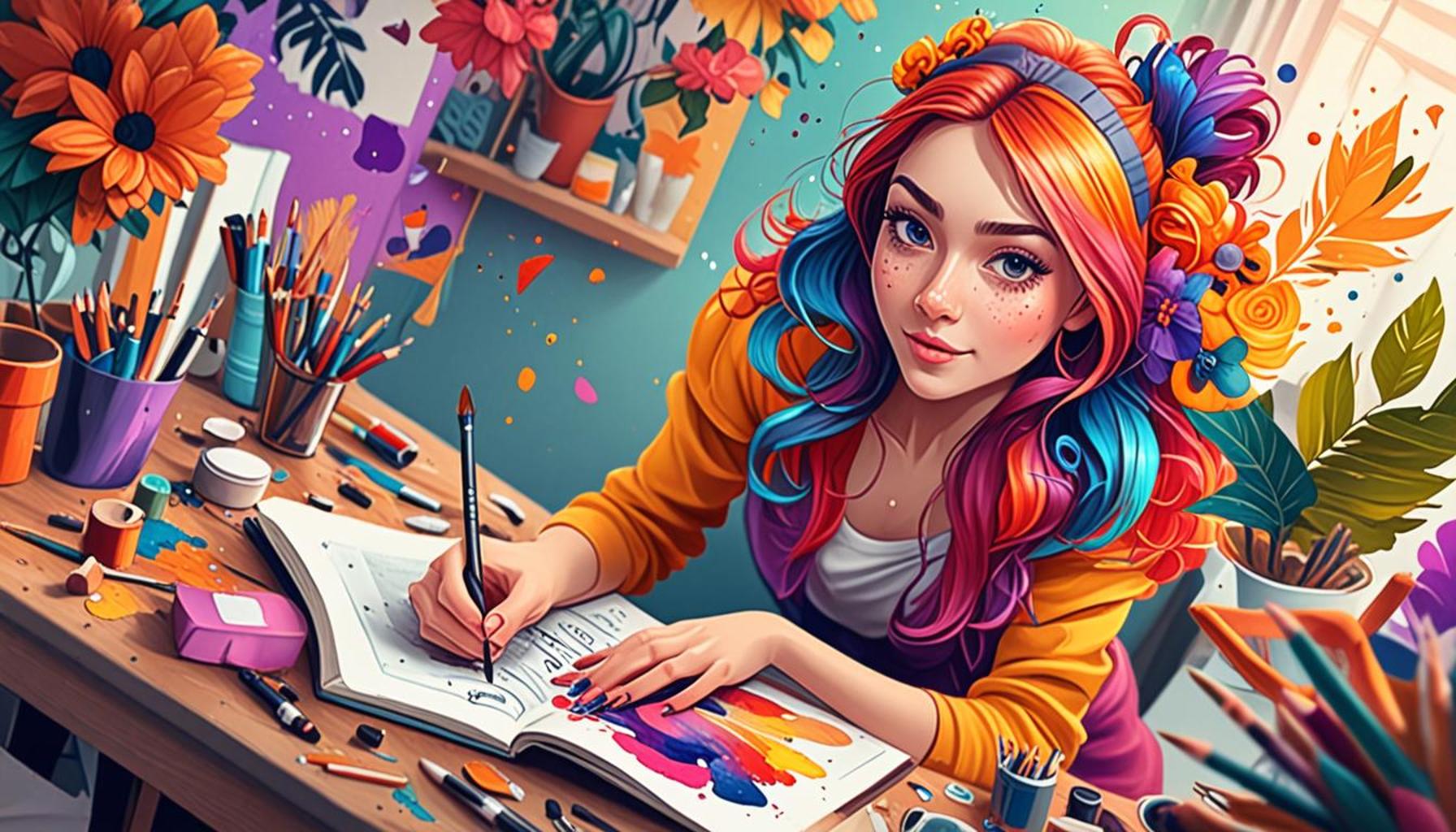
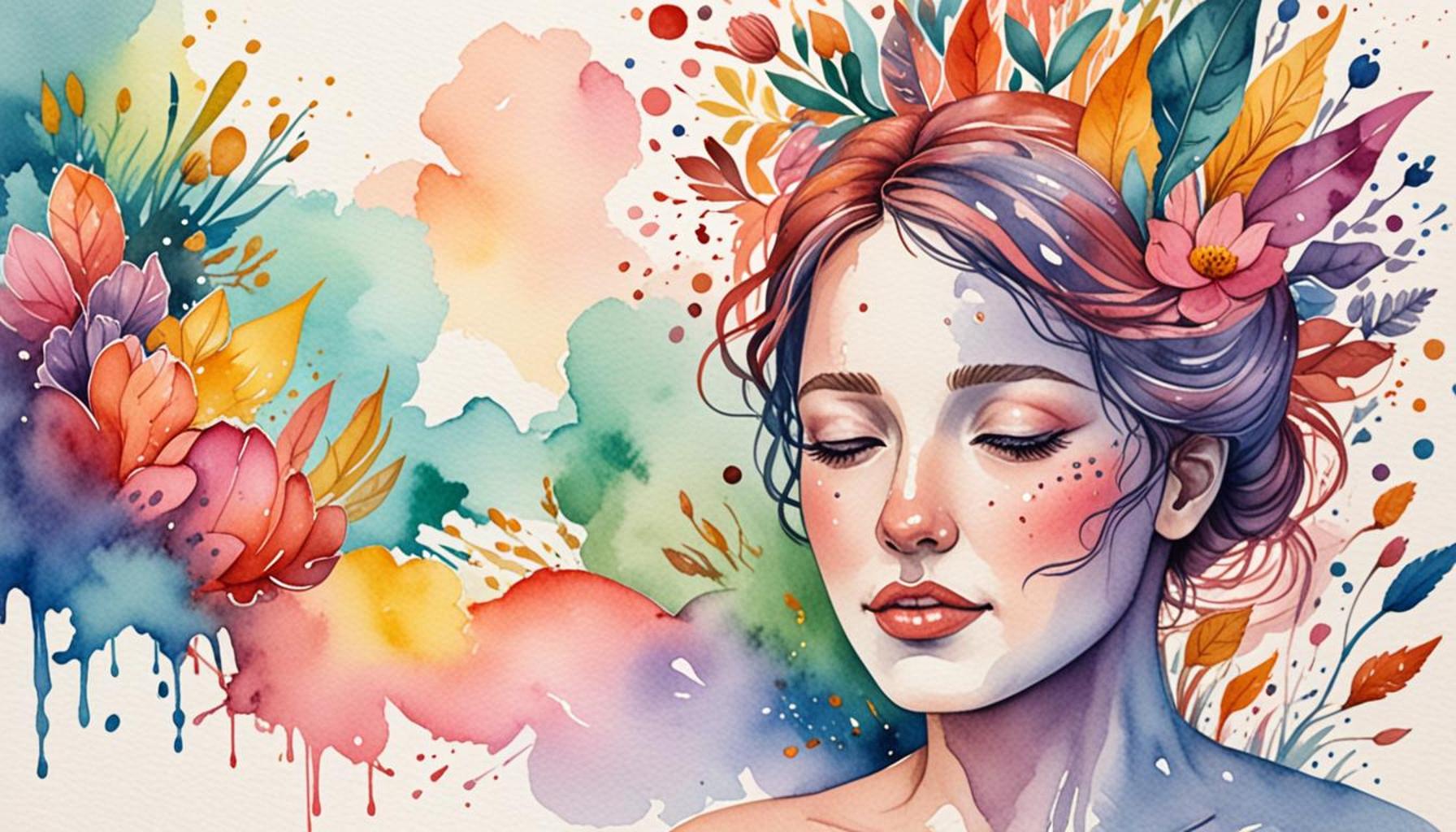
In the whirlwind of contemporary life, the impact of art on mental health has gained increasing recognition among professionals and advocates alike. Numerous studies indicate that engaging in various forms of creative expression can lead to significant enhancements in emotional well-being. Whether through painting, music, dance, or writing, art provides individuals with a powerful medium to explore and articulate their feelings, fundamentally enhancing their quality of life. The benefits of art extend far beyond mere enjoyment, positioning it as a vital tool in mental health care.
Emotional Expression
One of the most compelling ways in which art contributes to mental wellness is through emotional expression. For many individuals, verbalizing emotions can be challenging. Artistic activities such as painting or sculpting provide a safe and non-threatening outlet for these feelings. For instance, a person dealing with grief may find solace in painting landscapes that symbolize their emotional state, conveying feelings that words alone cannot capture. This form of expression serves not only as a release but also as a means of processing complex emotions.
Reduction of Anxiety
Engaging in creative activities has also been shown to produce physiological benefits, including a reduction in anxiety. Several studies have demonstrated that when individuals immerse themselves in artistic pursuits, they experience lowered cortisol levels, which is the stress hormone. For example, participating in community art classes can be an effective way for individuals to channel their anxious energy into something productive and enjoyable.
Community Connection
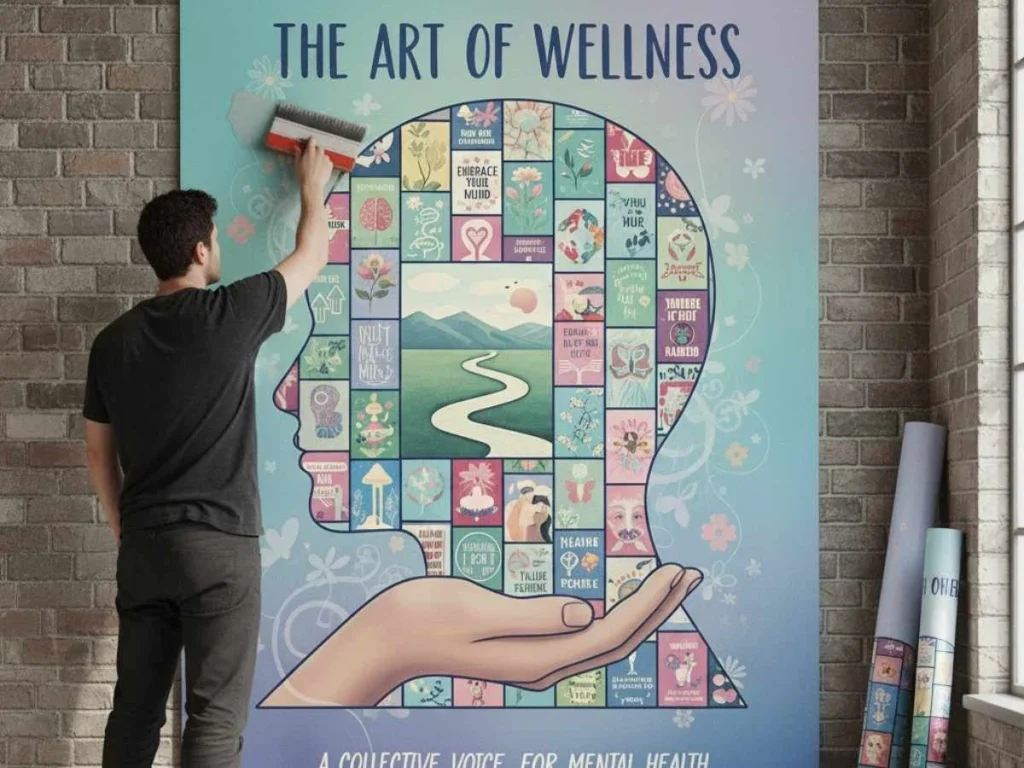
Art fosters community connection by encouraging collective participation. Group art projects, such as community murals or workshops, not only stimulate creativity but also help forge meaningful social bonds among participants. In urban areas, initiatives like “Art on the Streets” bring together diverse groups, reducing feelings of isolation and cultivating a sense of belonging among participants. These shared experiences foster relationships that can provide ongoing support, crucial for maintaining mental health.
Self-Discovery
Art also acts as a medium for self-discovery. Engaging in creative processes allows individuals to delve deeply into their thoughts and experiences, often revealing insights about themselves they might not have uncovered through traditional introspection. For instance, a writer may use journaling as a way to navigate personal challenges, subsequently producing work that resonates with both their own journey and those of others.
Empowerment
Lastly, creating art fosters a sense of empowerment. Completing a piece of art, whether it’s a painting, a song, or a crafted item, can instill a sense of achievement and control over one’s circumstances. This is especially crucial for individuals recovering from mental health issues, as it bolsters confidence and autonomy. Support programs, such as arts therapy, highlight this empowerment by encouraging participants to take pride in their creations, reinforcing the idea that they have the power to influence their own lives.
The profound impact of art on mental health underscores its value as a therapeutic tool. This is more crucial than ever in a society that often prioritizes quantifiable achievements over intangible benefits. To fully appreciate the role of art in fostering mental well-being, exploring its myriad avenues can open doors to new insights and enriched experiences. As more individuals and communities embrace the healing powers of creativity, the potential for improved mental health outcomes continues to expand.
DISCOVER MORE: Click here to delve into the world of color in art
The Transformative Power of Art
Art serves as a transformative mechanism for individuals seeking to enhance their mental health and overall well-being. The simple act of creating or engaging with art can lead to profound changes in one’s emotional landscape. Research reveals that artistic expression can lead to improved mood and a greater sense of satisfaction with life. This connection has resulted in a growing interest among mental health professionals to incorporate artistic methods into therapeutic practices. Key areas where art plays a beneficial role include:
- Therapeutic Practices: Art therapy has become a recognized subset of mental health treatment, effectively utilized by licensed therapists to help clients explore their inner worlds. It includes various forms of media, such as drawing, painting, and collage, allowing individuals to communicate emotions that may be difficult to articulate in conventional talk therapy.
- Mindfulness and Presence: The process of creating art often demands a heightened focus on the present moment, which can act as a powerful mindfulness practice. Engaging in artistic activities allows individuals to escape from the stressors of everyday life, fostering a tranquil state of mind that can alleviate symptoms of anxiety and depression.
- Cognitive Development: Visual arts and music education not only promote creativity but also improve cognitive functioning. Individuals participating in artistic endeavors often demonstrate enhanced problem-solving skills and critical thinking abilities, competencies that can have lasting positive effects on mental health.
Art as a Coping Mechanism
In addition to its therapeutic advantages, art serves as a critical coping mechanism during turbulent times. The act of creating something beautiful or evocative can act as a form of self-soothing. For instance, individuals facing life’s stresses may find relief in the rhythm of painting or the strumming of a guitar. The benefits extend well beyond the creation process itself; art becomes a sanctuary, a retreat where thoughts can be organized and emotions expressed freely. According to research conducted by the National Endowment for the Arts, participants in art-making activities report lower levels of stress and better coping skills than those who do not engage in such activities.
The Role of Art in Healing
Furthermore, the healing properties of art are being recognized within various health settings across the United States. Hospitals and rehabilitation centers are increasingly incorporating art into patient care plans to enhance recovery processes. For example:
- Arts in Healthcare Initiatives: Many healthcare facilities have developed programs that allow patients to express themselves through art, which studies show contributes to faster recovery rates and lower healthcare costs.
- Convalescent Centers: These facilities often host art classes, enabling residents to engage socially while creating, which improves both mental and emotional health.
As more studies emerge, it is evident that the role of art extends deeply into the realms of healing and wellness. Whether as an individual practice or as part of a broader therapeutic approach, embracing art can be a pivotal step towards better mental health and well-being. The landscape is changing, and understanding the myriad benefits of art is now more crucial than ever.
| Art Therapy Approaches | Benefits for Mental Well-Being |
|---|---|
| Visual Arts | Enhances self-expression and helps in processing emotions. |
| Music Therapy | Promotes relaxation, reduces anxiety, and fosters emotional release. |
| Creative Writing | Facilitates reflection and cognitive processing of life experiences. |
| Dance Movement Therapy | Encourages physical movement as a form of emotional expression. |
| Photography Therapy | Fosters new perspectives on life and self-image. |
Through various art therapy approaches like visual arts and music therapy, individuals are able to explore and better understand their emotions, thereby enhancing their mental well-being. Engaging in creative outlets not only aids in emotional expression but also promotes relaxation and reduces anxiety. Artistic practices can serve as a cathartic release of pent-up feelings, facilitating cognitive processing of life experiences that may be difficult to articulate verbally. Furthermore, activities such as dance movement therapy encourage physical expression, allowing individuals to connect with their bodies in a therapeutic way.Incorporating art into mental health strategies illuminates the profound impact creativity can have on healing and self-discovery—a journey that invites individuals to delve deeper into their experiences and reshape their narratives. With ongoing research highlighting these benefits, the role of art in mental health continues to gain recognition.
DIVE DEEPER: Click here to discover the evolution of culinary techniques
Art as a Gateway to Community and Connection
One of the most compelling aspects of art is its ability to foster community and build connections among individuals. In a world where social isolation can exacerbate mental health issues, engaging with artistic endeavors can serve as a powerful antidote. Participating in art-focused groups or community projects not only allows individuals to share their creative expressions but also cultivates a sense of belonging. Through collaboration and shared experiences, participants often find comfort and support, which is crucial for enhancing mental well-being.
Community Art Projects
Initiatives such as community murals, theatre groups, and collaborative art shows can significantly impact mental health outcomes. These platforms invite individuals to contribute, showcasing their stories and emotions through collective creativity. For example, cities across the United States have seen a rise in public art installations that reflect social issues, fostering discourse and awareness. Such projects often help participants feel empowered, as they contribute to larger narratives while simultaneously processing their own challenges. Additionally, the visible expression of struggles and triumphs in these projects encourages those who may be suffering in silence to reach out and connect, ultimately building a supportive community.
Art Workshops and Classes
In a more structured environment, art workshops and classes offer not only artistic skills but also serve as social hubs. Programs designed for various age groups, such as seniors or children, can turn mundane hours into vibrant periods of creativity and interaction. For instance, the Creative Aging program partners with local arts organizations to provide creative opportunities for older adults, which studies have shown leads to lower rates of depression and improved cognitive functioning.
Moreover, classes like pottery, painting, and sculpture provide sensual and tactile experiences that can evoke joy and nostalgia. The act of making can be intrinsically rewarding, leading participants to take pride in their work, enhancing self-esteem and overall mental health. Evidence suggests that these activities have a ripple effect; when individuals feel uplifted and connected, their communities thrive as well.
Art and Cultural Identity
Art also facilitates the exploration and expression of cultural identity, which can be integral for mental health, particularly among marginalized communities. For many, creating art can be a way to honor their heritage while simultaneously addressing contemporary issues. Programs that focus on indigenous or immigrant art forms, for instance, not only highlight cultural traditions but also create a safe space for individuals to voice their experiences and share their narratives. Such initiatives affirm individual identities and validate feelings, which is essential for emotional resilience and well-being.
The Scientific Perspective
From a scientific perspective, the benefits of art in community and personal contexts are validated by research. Studies have consistently shown that individuals regularly engaged in creative activities exhibit lower levels of anxiety and stress, with positive effects on overall mental health. The American Journal of Public Health published findings that indicate increased participation in community arts is associated with lower depression rates and better self-rated health. This reinforces the notion that art is not just a leisure activity but a vital component in the fabric of mental health care.
As more social programs integrate art into their frameworks, the potential for positive mental health outcomes expands. Embracing art as a community-driven effort can redefine how individuals relate to one another while fostering resilience, empathy, and understanding in a diverse society.
DIVE DEEPER: Click here to uncover the connection between art and personal stories</a
Conclusion: The Transformative Power of Art in Mental Health
The exploration of art’s role in mental health and well-being has unveiled profound insights into its capacity to foster connection, community, and personal growth. Through innovative community art projects and engaging workshops, individuals can find solace, encouragement, and a platform to express their stories. The power of collective creativity not only nurtures personal narratives but also cultivates a supportive environment where shared experiences can thrive. This intricate tapestry of collaboration enhances emotional resilience and offers individuals a sense of belonging, vital for improving mental health outcomes.
Moreover, art serves as a vital medium for honoring cultural identities, allowing marginalized voices to share their narratives, thus affirming their individuality and promoting emotional healing. The evidence from scientific studies further substantiates the claim that engaging in art significantly reduces anxiety and depression, emphasizing its essential role in mental health care.
As communities continue to integrate artistic initiatives within mental health frameworks, the landscape of emotional support can shift positively. The collective efforts to embrace art not only forge connections among individuals but also redefine how society perceives mental health and well-being. It is imperative that both policymakers and health professionals recognize the transformative potential of art and advocate for its inclusion as a fundamental component of wellness strategies. Ultimately, by championing the intersection of art and mental health, we pave the way for a more empathetic, resilient society, where every individual is empowered to express, connect, and thrive.