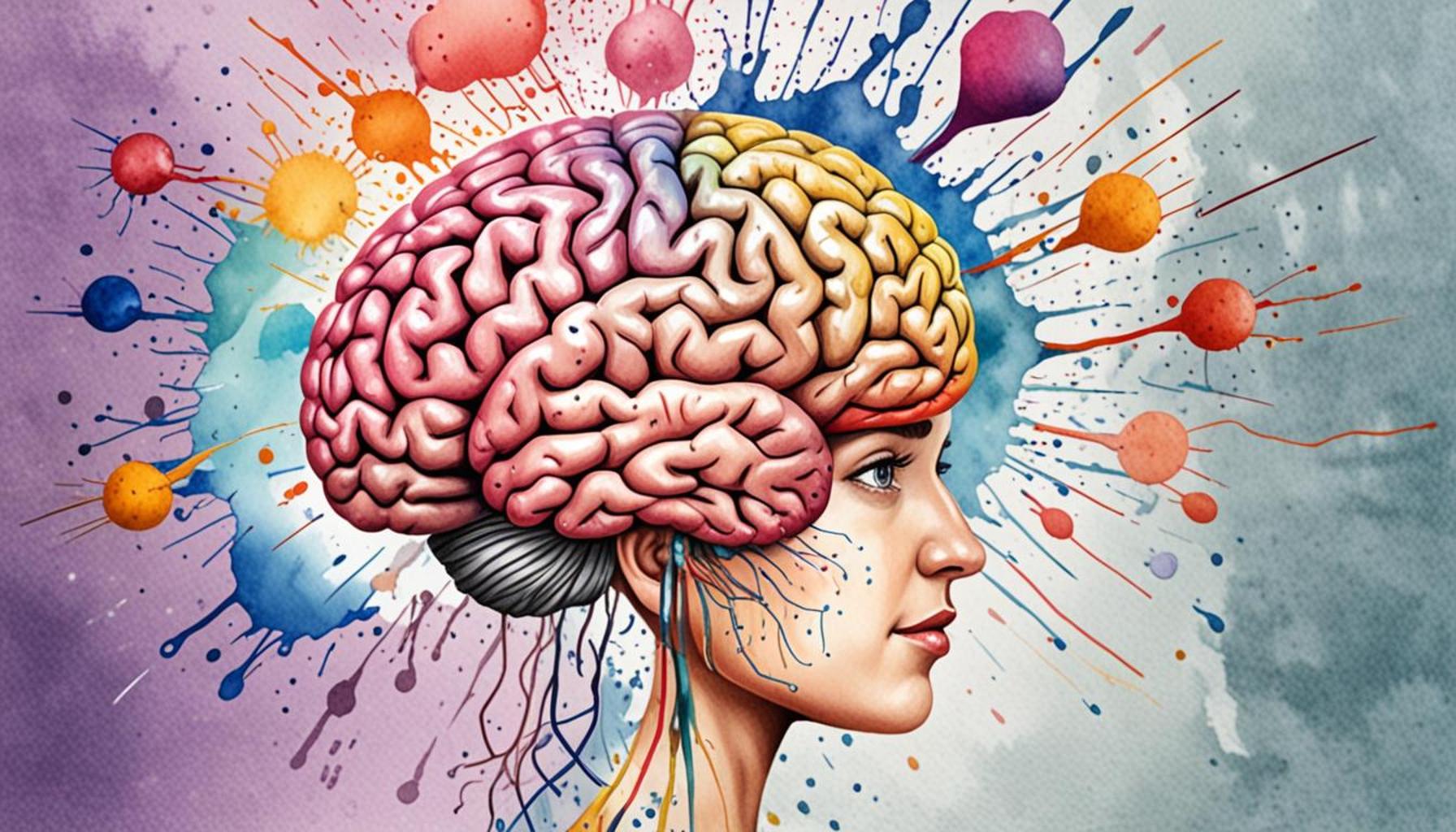
The Role of Jigsaw Puzzles in Visual-Spatial Reasoning and Cognitive Development
The Cognitive Benefits of Jigsaw Puzzles
Jigsaw puzzles serve as an engaging form of entertainment that transcends mere leisure, playing a vital role in enhancing visual-spatial reasoning and fostering cognitive development. When individuals immerse themselves in these intricate designs, they find themselves navigating a labyrinth of shapes, colors, and patterns that require thoughtful analysis and strategy. The multifaceted nature of puzzles presents an opportunity for personal growth, engaging various cognitive faculties along the way.
Research indicates that individuals who frequently engage with jigsaw puzzles often exhibit notable improvements in several cognitive skills. For instance, through the process of piecing together a jigsaw puzzle, participants enhance their:
- Problem-Solving: Solving a puzzle involves identifying connections among pieces, recognizing shapes, and determining which piece fits where. This method encourages creative thinking as individuals devise strategies to tackle challenging sections of the puzzle.
- Critical Thinking: As puzzlers assess their options, they are prompted to analyze different approaches, which nurtures their capacity for critical evaluation. They must consider factors such as color coordination and edge piece placement to determine the best path forward.
- Patience and Focus: The immersive nature of jigsaw puzzles demands prolonged concentration. Participants cultivate patience as they work through complex designs, often focusing intensely for longer periods than they might in other activities.
These skills are particularly beneficial across age groups. Children can greatly enhance their cognitive development through puzzling activities, as working on jigsaw puzzles fosters memory enhancement, helping them recall shapes and colors more effectively. For older adults, engaging in this activity can mitigate cognitive decline, aiding in maintaining mental acuity. This intergenerational appeal illustrates how jigsaw puzzles serve as a common bridge across ages and skills.
Moreover, jigsaw puzzles improve visual perception, refining the ability to interpret physical relationships between objects. Learning to see how different pieces interconnect can enhance overall spatial awareness, which is valuable not just in puzzles but also in daily tasks. When children manipulate pieces, they simultaneously develop their hand-eye coordination, refining their fine motor skills and dexterity. For instance, the action of lifting, turning, and fitting pieces hones capabilities crucial for tasks requiring precision, such as writing or typing.
In the United States, as families increasingly gravitate towards engaging and enriching pastimes, the jigsaw puzzle emerges as a standout option. The recent resurgence in puzzle popularity—sparked by community health policies and more time spent at home—highlights its role in promoting social interaction and connection among family members. Puzzle nights have become a cherished tradition in many households, offering not only a mental workout but also a chance for members to bond over shared challenges.
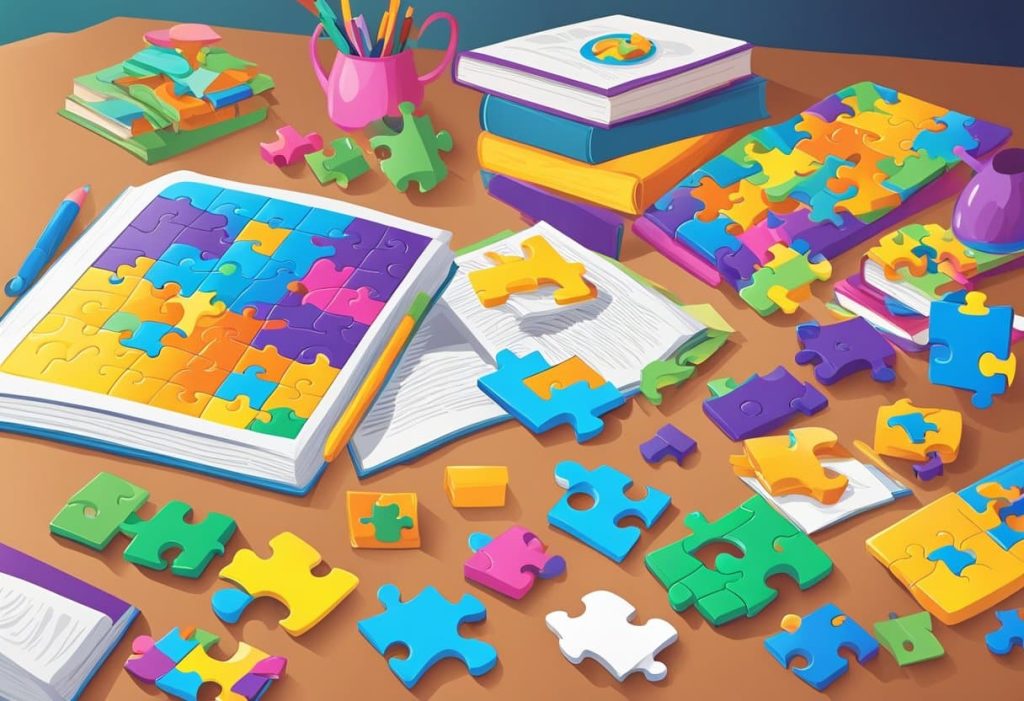
In conclusion, the cognitive and social benefits of jigsaw puzzles are profound and multifaceted. This timeless activity not only entertains but also encourages mental acuity and fellowship, making it a remarkable tool for individuals, families, and communities in their pursuit of cognitive development and enjoyment.
DISCOVER MORE: Click here to enhance your cognitive skills
The Hidden Cognitive Workings of Jigsaw Puzzles
Engaging with jigsaw puzzles is far more than simply assembling pieces into a complete image; it’s a dynamic exercise that nurtures visual-spatial reasoning. This critical cognitive skill involves the ability to visualize and manipulate spatial relationships between objects, which is essential across numerous fields, from architecture to engineering. By piecing together jigsaw puzzles, individuals are not only entertained but are also practicing and sharpening these skills, sometimes without even realizing it.
To illustrate how jigsaw puzzles advance visual-spatial reasoning, consider the various cognitive tasks involved in this activity. When attempting to solve a puzzle, individuals engage in several mental processes:
- Pattern Recognition: Puzzlers must identify and categorize patterns within the pieces. This creates a foundation for visual learning as individuals become adept at seeing how colors, shapes, and details link together, enhancing their overall analytical skills.
- Spatial Orientation: Manipulating puzzle pieces requires an understanding of orientation. By turning and flipping pieces, individuals practice their ability to mentally rotate objects, a skill that is increasingly significant in technology-rich environments.
- Visual Memory: The challenge of recalling which pieces have already been tried and which fit within particular sections of the puzzle significantly enhances short-term memory. Participants develop the ability to hold onto visual cues while navigating the ever-evolving landscape of the incomplete puzzle.
The benefits of improved visual-spatial reasoning through jigsaw puzzles extend beyond mere enjoyment; they find application in everyday life. For students, these skills are directly relevant to subjects such as mathematics and science. For instance, geometry relies heavily on spatial reasoning, and practicing with puzzles can lead to higher performance in these areas. Additionally, adults can utilize these enhanced skills in professional settings, particularly in fields that require project management and design.
Moreover, researchers have explored the positive impact of jigsaw puzzles on cognitive flexibility. As puzzlers learn to adapt their strategies and adjust their approaches when they encounter difficulties, they cultivate a mindset that embraces change and innovation. Facing unexpected challenges in puzzles teaches individuals that failure can often lead to success, a crucial lesson applicable in both academic and professional pursuits.
Notably, the cognitive advantages of working on jigsaw puzzles continue to garner interest in educational contexts. Teachers and parents are increasingly incorporating puzzles into learning environments, advocating for their role in young children’s cognitive growth. For example, preschools often utilize puzzles to help develop problem-solving skills, promoting teamwork and collaboration among children while they work together to complete a common goal.
The resurgence of jigsaw puzzles during recent years, particularly during times of social distancing, showcases their multifaceted nature. Individuals and families rediscovered this classic pastime not just as a means of occupying time, but as an invaluable tool for cognitive enhancement and social engagement. The act of assembling pieces becomes a shared goal, fostering collaboration and deeper interpersonal connections.
The Benefits of Jigsaw Puzzles in Cognitive Development
Jigsaw puzzles serve as a powerful tool in enhancing visual-spatial reasoning—a fundamental skill that’s crucial not just in childhood but throughout life. Engaging with puzzles allows players of all ages to improve their critical thinking and problem-solving abilities. As individuals twist and turn pieces, they become adept at visualizing how different components fit together, leading to improved mental flexibility.Additionally, puzzles promote hand-eye coordination, as participants must manipulate pieces with precision. This kinesthetic engagement contributes substantially to fine motor skills, especially in young children. As they reach for pieces of varying shapes and colors, they learn to make subtle adjustments, enhancing their dexterity.Moreover, the act of completing a jigsaw puzzle instills a sense of accomplishment. This emotional reward stimulates the brain’s reward system, releasing dopamine, which reinforces the behavior of persistence in problem-solving tasks. As children and adults alike experience this boost, they cultivate a growth mindset, preparing them to tackle other cognitive challenges with greater resilience.Psychologists also note that collaborating on jigsaw puzzles fosters teamwork and communication skills, as individuals discuss strategies and share insights on how to approach the task at hand. This social interaction cultivates a sense of community and connection, contributing to overall emotional well-being.In summary, jigsaw puzzles are more than mere entertainment; they are powerful developmental tools that enhance various cognitive functions. Engaging with puzzles not only sharpens visual-spatial reasoning but also encourages collaboration, fine motor skills, and emotional intelligence—all integral to a well-rounded cognitive development journey. As we continue to explore the profound impact of puzzles, it becomes clear that these seemingly simple games can hold deep significance in our mental growth.
DISCOVER MORE: Click here to find out how puzzles can help you relax
The Link Between Jigsaw Puzzles and Enhanced Cognitive Skills
Jigsaw puzzles not only foster visual-spatial reasoning but also significantly contribute to the development of other cognitive skills that play a crucial role in lifelong learning. Some of these skills include problem-solving, critical thinking, and attention to detail, all of which are essential for navigating life’s complexities.
A notable aspect of puzzle-solving is the inherent requirement for problem-solving skills. When tackling a jigsaw puzzle, individuals face a large array of seemingly disconnected pieces that must be transformed into a coherent image. This environment encourages a strategic approach to problem-solving. For instance, a puzzler might initially sort pieces by color or edge pieces to create a framework, breaking down the larger task into manageable parts. This method reflects classic problem-solving methodologies taught in educational settings across the United States, where students are encouraged to approach complex issues in incremental steps.
In addition to problem-solving, jigsaw puzzles enhance critical thinking. As individuals work on a puzzle, they constantly evaluate which pieces might fit together and predict outcomes based on their spatial reasoning. Research indicates that this evaluative process promotes a deeper understanding of spatial relationships and enhances engaging narrative skills, particularly valuable in STEM fields. Children exposed to puzzles early on are not just acquiring hands-on skills but are also strengthening their ability to assess and adapt their thinking process based on trial and error.
Consider a study conducted by the University of California, Berkeley, which found that children who engage with spatial tasks, including jigsaw puzzles, exhibit improved performance in mathematics and reading. The findings suggest that the cognitive demands of manipulating puzzles significantly bolster learning across disciplines. As children arrange, analyze, and impose structure on puzzle pieces, they are concurrently developing a flexible mindset adaptable to other learning environments.
Moreover, the attention to detail cultivated through jigsaw puzzles serves another essential function in cognitive development. Each piece contains unique features, making it imperative for solvers to pay attention to subtle variations in color, shape, and design. This habitual focus sharpens observational skills, which translates well into academic settings where attention to accuracy is critical. In subjects like biology or chemistry, for example, students benefit from an enhanced ability to discern and analyze minute details, which may influence broader problem-solving strategies.
Collaborative puzzle-solving offers additional cognitive benefits, especially for developing teamwork and communication skills. Engaging with family members or friends in a shared goal allows individuals to express ideas, share strategies, and negotiate differing opinions. This interaction hones interpersonal skills, reinforcing the social aspects of cognitive development. Such collaborative environments are particularly beneficial in a classroom setting, where group dynamics play a significant role in interactive learning.
The versatility of jigsaw puzzles also makes them accessible to a wide range of age groups, from toddlers to seniors. As one explores a variety of jigsaw puzzles, they can choose levels of complexity that best suit their cognitive stage. Research indicates that older adults, too, gain cognitive benefits from puzzles, with studies suggesting engagement in such activities may reduce cognitive decline, sharpening their visual-spatial skills even in later stages of life.
In summary, jigsaw puzzles are more than just amusing pastimes; they are intricate activities requiring visual-spatial reasoning and offering profound cognitive benefits that extend across age ranges. Engaging in this simple yet powerful activity proves to be a valuable investment in cognitive health and development.
DISCOVER MORE: Click here to learn how puzzles can alleviate stress
Conclusion: The Lasting Impact of Jigsaw Puzzles on Cognitive Growth
In a world increasingly driven by technology and fast-paced interactions, jigsaw puzzles stand out not only as a source of entertainment but as a vital tool for enhancing visual-spatial reasoning and fostering cognitive development. Through the process of piecing together diverse shapes and colors, individuals engage in a tactile exploration that sharpens their problem-solving, critical thinking, and attention to detail. This multifaceted approach to learning is especially beneficial for children, setting a strong foundation for academic success in subjects ranging from mathematics to the sciences.
Moreover, collaborative puzzle-solving reinforces social skills, promoting teamwork and communication, essential elements in educational and professional frameworks. The act of working together to accomplish a shared goal signifies not just an exchange of ideas but also the nurturing of interpersonal bonds. As we have noted, these collaborative experiences can spark creativity, adaptiveness, and flexibility in thought—traits invaluable in today’s complex world.
Importantly, jigsaw puzzles are ageless, making them accessible to all, from young children developing their first reasoning skills to seniors seeking to maintain their cognitive faculties. With growing evidence from academic studies affirming the benefits of puzzles across age groups, it becomes apparent that these engaging activities are powerful allies in cognitive development.
Ultimately, integrating jigsaw puzzles into daily life can be a meaningful investment in both mental agility and lifelong learning. As we embrace the challenge of fitting the pieces, we not only create a beautiful picture but also construct the cognitive architecture necessary for navigating the intricacies of life.