
The Role of Pets in Human Therapy and Well-Being

The Multifaceted Benefits of Pet Companionship
In today’s fast-paced world, where stress and isolation are common, the companionship of a pet becomes increasingly significant. Beyond affectionate gestures and playful interactions, the bond between humans and their pets can profoundly influence mental health and overall well-being. Numerous studies suggest that owning a pet can enhance feelings of happiness and calmness, making them more than just furry friends—pets are essential allies in navigating life’s challenges.
Consider the following important aspects of how pets contribute to mental and emotional health:
- Emotional support: A pet’s unwavering friendship can help combat loneliness. For many individuals, especially those who may not have close family or friends nearby, a pet offers a sense of belonging. For instance, therapy dogs often visit hospitals, providing patients with emotional comfort during difficult times—an interaction that can brighten spirits and foster healing.
- Stress reduction: Engaging with animals has been scientifically proven to decrease levels of the stress hormone cortisol. Just moments spent stroking a cat’s soft fur or playing fetch with a dog can bring about a physiological response that lowers heart rates. As a prime example, research by the Human-Animal Bond Research Institute reveals that pet owners experience less anxiety and a greater sense of calm, particularly during stressful life events.
- Social interaction: Pets can act as social catalysts, fostering connections among people. Dog owners frequently meet others during walks or at dog parks, which may lead to new friendships and a stronger community. In fact, a study published in the journal *Anthrozoös* found that pet owners tend to have larger social networks than non-pet owners, enhancing their overall social well-being.
Across the United States, pets play a vital role in various therapeutic settings. Programs such as Equine-Assisted Therapy and Canine-Assisted Therapy have gained traction, where trained animals are utilized to assist individuals coping with trauma, depression, or anxiety. These programs highlight the profound connection between pets and mental health, suggesting that animals can act as a bridge to healing, resilience, and recovery.
As we examine the wealth of research and compelling personal stories surrounding the benefits of pet companionship, it becomes evident that their impact stretches far beyond emotional support. This relationship prompts us to consider the deeper implications of human-animal bonds in our lives.
In future articles, we will delve into specific case studies and research findings that illuminate the transformative effects of our furry companions on mental wellness and explore more ways pets can enrich our daily lives.
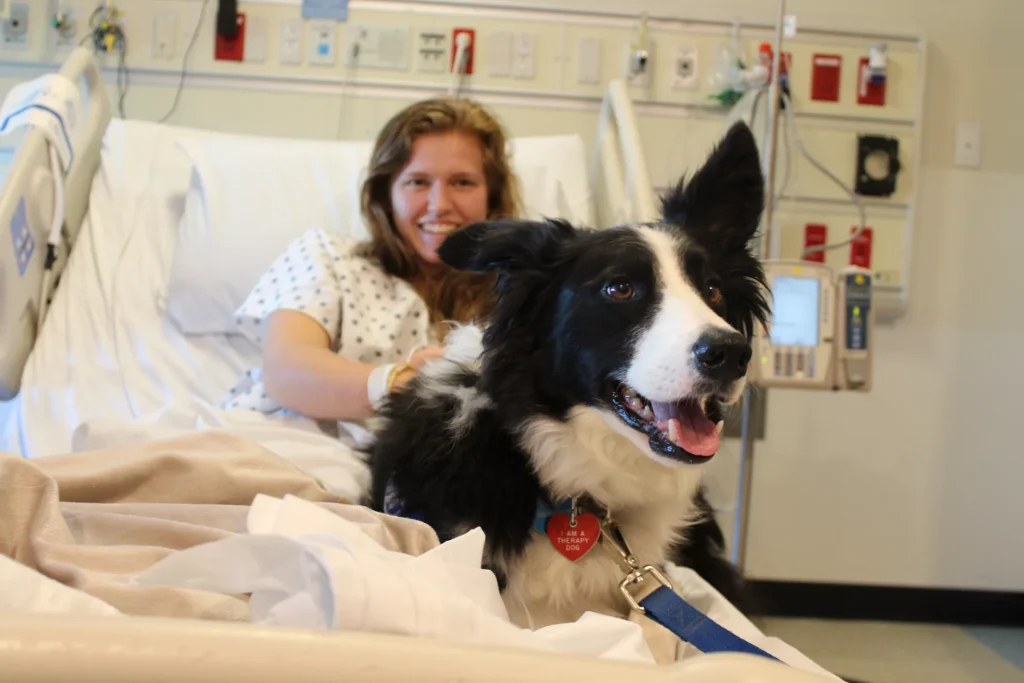
The Therapeutic Impact of Pets on Mental Health
As society becomes increasingly aware of mental health issues, the role of pets in therapeutic settings continues to gain recognition. Numerous studies highlight the profound therapeutic benefits that pets can offer, extending beyond mere companionship. These gentle companions have shown remarkable efficacy in assisting individuals facing various mental health challenges, from anxiety disorders to post-traumatic stress disorder (PTSD).
One of the most compelling aspects of pet therapy is its ability to provide unconditional love and support. This is particularly evident in structured programs that incorporate pets into treatment plans. For instance, therapy dogs are often trained to sensitively respond to the emotional needs of clients, creating an environment conducive to healing. The calming presence of these animals promotes a sense of safety and trust, enabling individuals to share their thoughts and feelings more openly. According to a study published in the *Journal of Mental Health*, patients engaging with therapy animals reported significant reductions in symptoms of depression and anxiety.
Additionally, pets serve as powerful motivational tools in therapy sessions, encouraging individuals to participate actively in their healing process. For example, in Equine-Assisted Therapy, clients engage in caring for and interacting with horses. This unique bond requires participants to push through their fears and apprehensions, which can lead to profound insights and personal growth. The act of grooming or riding a horse can stimulate emotional release and cultivate resilience that may reflect positively on other aspects of their lives.
The physiological benefits that accompany the companionship of pets cannot be overlooked. Engaging with animals has been scientifically shown to trigger the release of oxytocin, often referred to as the “cuddle hormone.” This neurochemical response not only fosters feelings of love and connection but also contributes to lower blood pressure and reduced stress levels. A pet owner’s heart rate can also stabilize through moments of shared activity, such as a leisurely stroll or playing catch in the backyard. Research published by the *American Heart Association* indicates that pet ownership may correlate with lower rates of heart disease and increased physical activity, underscoring pets’ role in promoting a healthier lifestyle.
- Therapeutic Effects: Pets have been shown to help alleviate symptoms of various mental health conditions, including anxiety, depression, and stress.
- Encouragement in Therapy: Pets can motivate individuals to engage in their therapy, facilitating communication and emotional expression.
- Physiological Benefits: Interaction with pets is linked to the release of oxytocin, lowering blood pressure and promoting overall physical health.
In light of these findings, it is clear that pets play a multifaceted role in human therapy and well-being. As we further explore the myriad ways these companions can support emotional health, we reveal just how integral the human-animal bond is to living a fulfilling and balanced life. The next sections will unveil specific case studies that illustrate the transformative impact of pets in therapeutic contexts, inviting readers to consider the potential for enriching health through these bonds.
| Advantage | Benefit |
|---|---|
| Emotional Support | Pets provide unconditional love, reducing feelings of loneliness and depression. |
| Physical Health | Owning a pet promotes physical activity, lowering risks of heart disease and enhancing overall well-being. |
The exploration of how pets contribute to human therapy and overall well-being is not only fascinating but also a growing area of interest in psychological and health research. For instance, therapists are increasingly integrating animal-assisted therapy into their practices, leveraging pets to facilitate emotional healing and support. The presence of pets has been significantly linked to lower stress levels, indicating that they can act as natural stress relievers and enhance mood.Moreover, studies have shown that interacting with animals can trigger the release of endorphins, promoting a sense of happiness and calm. This biological response can be particularly beneficial for individuals facing mental health challenges, such as anxiety disorders or PTSD (Post-Traumatic Stress Disorder). As such, engaging with pets can be more than just companionship; it can fundamentally alter one’s psychological landscape, encouraging individuals to seek treatment and remain engaged in a therapeutic process. This dynamic interplay between pets and human health opens up possibilities for future therapies and could revolutionize how we approach mental health care, emphasizing the integral role of animal companionship in promoting holistic well-being.
The Role of Pets in Physical Rehabilitation and Recovery
Beyond the realm of emotional and psychological support, pets have emerged as vital partners in the world of physical rehabilitation and recovery. Their involvement in therapeutic practices enhances not only a patient’s physical health but also encourages overall well-being, emerging as a powerful adjunct to traditional medical therapies.
The inclusion of animals in physical therapy sessions can make the process more engaging and enjoyable. For instance, Animal-Assisted Therapy (AAT) utilizes trained animals to assist patients recovering from injuries or surgeries. In various rehabilitation centers across the United States, occupational therapists integrate dogs into sessions to motivate patients to complete exercises that might otherwise feel tedious or daunting. This playful interaction fosters a sense of joy and accomplishment, which is crucial in the recovery process. When patients see a therapy dog waiting for their participation, it can act as a catalyst, significantly improving adherence to rehabilitation regimens.
Furthermore, the presence of pets can help patients develop essential life skills that enhance recovery. Interactions with animals promote a greater sense of responsibility and discipline, as caring for a pet requires consistency and routine. This can be particularly beneficial for individuals recovering from addiction or those suffering from behavioral disorders. A study conducted by the *Journal of Substance Abuse Treatment* revealed that participants engaged in pet therapy programs showed an impressive improvement in commitment levels to their recovery plans, leading to increased rates of sobriety.
The physical benefits linked to pet ownership are numerous and well-documented. Regularly walking or playing with a dog can increase aerobic exercise levels, provide cardiovascular benefits, and reduce the risk of obesity. Notably, the *Centers for Disease Control and Prevention (CDC)* asserts that pet ownership has correlational benefits for physical activity among dog owners, promoting healthier lifestyles. Engaging in these activities can improve mobility and strength for individuals recovering from conditions such as strokes or joint surgeries, further enhancing their quality of life.
Specific case studies showcase the success of integrating pets in rehabilitation. In one such case, a young soldier recovering from severe injuries sustained in combat found solace in fostering a rescue dog. Through mutual healing, the soldier regained mobility and began participating in physical activities that were once painful. As he trained his dog, he reestablished physical capabilities while discovering psychological resilience, showing that these relationships can transcend patient and pet, benefiting both parties immensely.
- Rehabilitation Engagement: Pets increase motivation and participation in physical therapy exercises, making recovery an enjoyable endeavor.
- Life Skills Development: Caring for pets promotes responsibility and discipline, aiding individuals in various types of recovery processes.
- Physical Health Benefits: Regular interaction with pets stimulates exercise and improves cardiovascular health, fostering a more active lifestyle during recovery.
As we further understand the multi-dimensional roles pets play in human therapy and well-being, the evidence increasingly underscores their importance in not just enhancing emotional health, but also bolstering physical recovery. Through compelling anecdotes and data-driven research, it becomes evident that animals can serve as foundational elements in the journey towards holistic wellness.
Conclusion: Embracing the Healing Power of Pets
As we explore “The Role of Pets in Human Therapy and Well-Being,” it becomes clear that the bond between humans and animals is profoundly therapeutic. The advantages provided by pets extend far beyond mere companionship; they have proven to be invaluable in enhancing both emotional and physical health. From alleviating symptoms of anxiety and depression to facilitating recovery in physical therapy settings, these furry companions offer a unique form of support that resonates deeply with diverse populations.
Research and numerous testimonies from individuals undergoing various therapies highlight that Animal-Assisted Therapy (AAT) and interactions with pets encourage compliance, motivation, and hope in recovery journeys. Whether through emotional reinforcement or by prompting physical activity, pets engage our senses and instill a sense of joy that enriches the healing process. Moreover, as properties of responsibility and structure emerge through caring for pets, individuals gain valuable life skills that resonate positively in their recovery from challenges such as addiction and behavioral disorders.
In a rapidly evolving healthcare landscape, integrating pets into therapeutic contexts presents a promising avenue for enhancing patient outcomes. For those seeking further insight, a growing body of current literature supports the need for more comprehensive studies in this field, indicating that the intersection of animal companionship and human wellness deserves even greater attention.
Ultimately, the connection we share with pets is a testament to their ability to heal, inspire, and uplift. As we continue to recognize and embrace the multifaceted roles pets play in our lives, we can further tap into their therapeutic value, paving the way for a more holistic approach to well-being.