
The Role of Pets in Reducing Stress and Anxiety in Humans

The Companionship of Pets: A Well-Being Booster
In an era where mental health challenges such as stress and anxiety are increasingly prevalent, the quest for effective solutions has become paramount. One often-overlooked yet profoundly impactful remedy lies within the bonds we establish with our pets. Numerous studies consistently demonstrate that the presence of animals in our lives can significantly elevate our emotional well-being and enrich our daily experiences.
Consider the following benefits associated with pet ownership:
- Emotional support: Pets offer an unmatched level of loyalty and affection. For instance, during moments of stress—whether it’s navigating a grueling work project or coping with personal losses—dogs and cats can provide the comfort of companionship, helping their owners feel less isolated.
- Physical touch: Engaging in physical interaction with pets, such as petting or cuddling, triggers the release of oxytocin. This hormone plays a crucial role in bonding and relaxation, making it a natural stress-reliever for many. A 2019 study from the University of Missouri found that individuals who engaged in petting their dogs for just 15 minutes exhibited lower levels of anxiety.
- Routine and structure: Caring for a pet can instill a sense of purpose and create a daily routine. The act of feeding, walking, and grooming a pet establishes structure, which can be especially beneficial for those struggling with feelings of chaos. Research has shown that individuals with pets are less likely to report feelings of loneliness and more likely to engage in regular, health-promoting behaviors.
In fact, studies have shown that pet owners frequently experience lower levels of cortisol—often referred to as the stress hormone—while simultaneously enjoying increased levels of serotonin, the neurotransmitter associated with happiness and well-being. Additionally, simply engaging in pet-friendly activities like playing fetch or taking a leisurely stroll can encourage physical activity, which is vital for maintaining mental health. Regular exercise is linked to reduced anxiety and depression, highlighting how pet ownership can be a proactive approach to emotional resilience.
Furthermore, the simple presence of a pet can serve as a catalyst for social interactions. For example, dog owners often find themselves bonding with fellow pet owners at parks or during walks, fostering community connections that can enhance overall well-being. As social beings, we thrive on human interaction, and pets often open the door to new friendships.
Ultimately, the companionship of our furry friends plays a significant role in reducing stress and enhancing overall anxiety levels. By providing emotional support, encouraging physical activity, and fostering community interaction, pets contribute to a healthier and happier life for their owners. As we continue to navigate the complexities of modern living, the incredible bond we share with our pets offers not only relief but also joy and fulfillment.
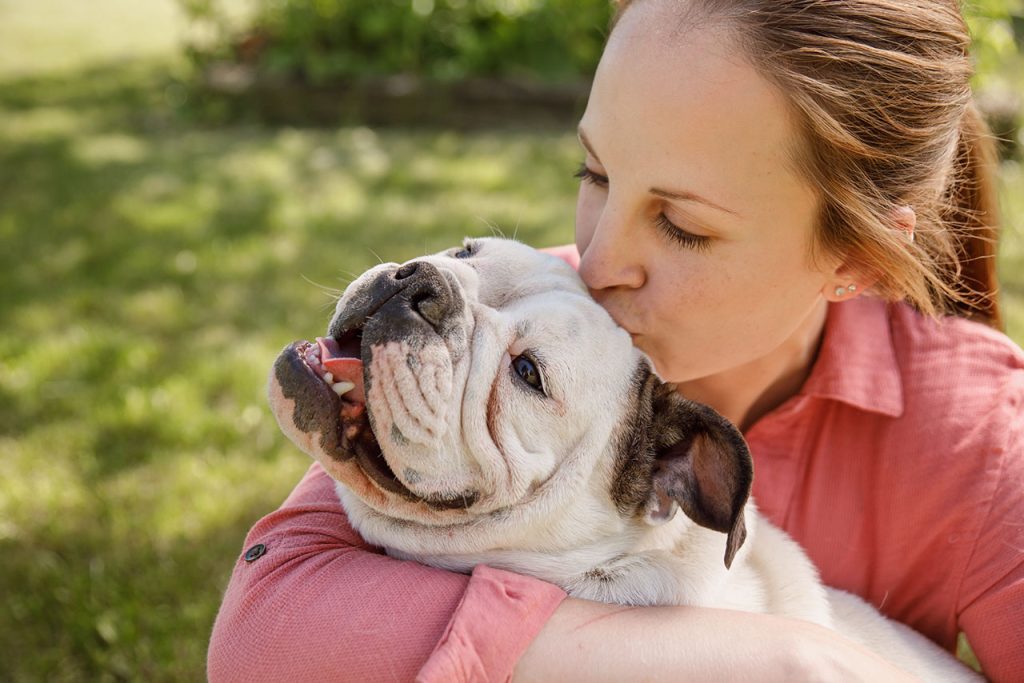
Unpacking the Benefits: How Pets Enhance Our Emotional Health
The integration of pets into our daily lives serves as a powerful mechanism for combating stress and anxiety. At the core of this relationship is the profound emotional connection that pet owners develop with their animals. Various studies have underscored the significance of this dynamic, revealing that simply being around pets can lead to decreased symptoms of anxiety and reduced levels of cortisol, the hormone associated with stress.
One compelling aspect of pet ownership is the unconditional love and acceptance pets provide. In a world often characterized by fluctuating social dynamics and interpersonal conflicts, the loyalty of a dog or the gentle purr of a cat can act as a reliable anchor. This stable companionship has been shown to ease feelings of loneliness, a common trigger for anxiety. According to a survey by the Human Animal Bond Research Institute, approximately 74% of pet owners reported that their pets helped reduce their stress levels significantly, highlighting the psychological comfort they provide.
Moreover, engaging with pets can lead to physiological changes in the body that further contribute to stress reduction. Interactions, such as petting, can stimulate the release of endorphins and oxytocin, encouraging a sense of calmness and promoting overall well-being. Individuals who spend time with their pets frequently report feelings of joy and comfort, which can counteract the effects of anxiety. This is particularly poignant for those suffering from chronic stress, as regular engagement with pets offers a soothing counterbalance to life’s pressures.
- The bond between owner and pet: The emotional and physical bonds that pet owners form with their animals foster less stressed environments. Pets can sense their owners’ emotions, often providing support just when needed the most.
- Routine established through pet care: Pets require regular care, such as feeding and walking, which helps bring structure into an owner’s life. This routine can anchor those navigating periods of emotional distress.
- Physical activity through pet ownership: Activities such as walking a dog contribute to regular exercise, which is essential for mental health. Physical movement has been directly linked to improved mood and reduced anxiety levels.
Interestingly, pet ownership can facilitate an increase in social connections. Dog owners frequently engage with other people during walks or at pet-friendly parks, leading to interactions that can diminish feelings of isolation. This socialization aspect not only benefits pet owners but also serves as an opportunity for their pets to enjoy new experiences and foster their own wellbeing. The social nature of community pet encounters can play a crucial role in helping individuals manage their mental health, forging relationships that extend beyond their pets.
The evidence suggests that the role of pets goes beyond companionship; they actively contribute to a person’s lifestyle and emotional landscape. As we explore various ways to manage stress and anxiety in our lives, understanding the profound impact our pets can have on our mental health is essential. Their ability to provide comfort, structure, and social opportunities presents a compelling case for the need to recognize and appreciate the roles of our beloved animals in reducing stress and enhancing overall well-being.
| Category | Description |
|---|---|
| Emotional Support | Pets provide unconditional love and companionship, significantly reducing feelings of loneliness. |
| Physical Activity | Caring for pets encourages increased physical activity, which can elevate mood and reduce stress. |
| Routine and Structure | Pets create a sense of routine, helping owners establish a daily schedule that can alleviate anxiety. |
| Therapeutic Benefits | Interacting with pets has therapeutic effects, leading to lower blood pressure and reduced cortisol levels. |
Exploring the interrelationship between humans and their pets reveals a profound impact on mental health. Studies consistently show that pets play a crucial role in reducing stress and anxiety levels in their owners. For instance, merely petting a dog or cat has been shown to release oxytocin, a hormone linked to emotional bonding, resulting in a calming effect. Additionally, the act of caring for a pet can provide structure and purpose in an owner’s daily routine, fostering a sense of stability.Moreover, the synergistic bond formed between humans and animals can serve as a powerful tool in therapeutic settings. Certified therapy animals are increasingly being integrated into treatment plans for conditions such as PTSD and anxiety disorders, showcasing the practical applications of these relationships in clinical environments. As interest in this area grows, further research is expected to unravel more intricate details about how these bonds promote better mental health outcomes in humans.
The Psychological Impact of Pets on Our Mental Well-Being
In the complex tapestry of human emotions, pets emerge as unexpected yet profoundly effective allies in the fight against stress and anxiety. Research indicates that the presence of pets not only provides emotional balance but also enhances resilience in the face of life’s challenges. One study from the University of Missouri found that pet owners exhibited significantly lower levels of stress when subjected to challenging tasks compared to non-pet owners. This suggests that having a furry companion nearby can create a comforting buffer against life’s pressures.
Furthermore, the act of caring for an animal can promote a sense of purpose. For many, daily responsibilities related to pet ownership, such as feeding, grooming, and exercising, can serve as a valuable distraction from one’s worries. This shift of focus, however subtle, allows individuals to channel their energy into nurturing their pets, fostering a sense of fulfillment. In fact, individuals facing mental health struggles often report feeling a renewed sense of responsibility when caring for animals, which can later translate into self-care.
- Therapeutic Animal Interventions: A growing trend in mental health treatments incorporates the use of therapy animals. Facilities such as hospitals and counseling centers have started utilizing trained animals to accompany patients during therapy sessions, which has proven beneficial for easing feelings of anxiety.
- Benefits for Children: Research has shown that children who grow up with pets are often more emotionally balanced. Engaging with pets helps them develop empathy and social skills, which are crucial in navigating childhood and adolescence—a period often marked by emotional turbulence.
- Pets as Stress Relievers in the Workplace: Many companies are now embracing pet-friendly policies, allowing employees to bring their dogs to work. A study conducted by Virginia Commonwealth University revealed that workplaces that permit pets enhance employee satisfaction and decrease stress levels, resulting in increased productivity.
Additionally, pets can play a crucial role in the management of post-traumatic stress disorder (PTSD). Organizations that provide service animals to veterans and individuals traumatized by specific events have highlighted the significant benefits of these partnerships. The presence of a trained service animal can ease symptoms of hyper-vigilance and anxiety, providing a sense of security and support. Notably, a study published in the Journal of Psychiatric Research revealed that veterans partnered with service dogs reported lower levels of depression and an improved overall quality of life, showcasing how the relationship between humans and pets serves as a therapeutic tool.
Moreover, studies have shown that spending just a few minutes petting a dog or cat can lead to immediate reductions in heart rate and blood pressure. This evidences the physiological benefits of pet ownership in addition to the psychological ones. The simple act of engaging with a pet triggers the release of serotonin and dopamine, neurotransmitters that play a crucial role in mood regulation. This biochemical reaction further underscores the importance of pets in enhancing our emotional well-being.
As the scientific community continues to unravel the depth of the human-animal bond, it becomes increasingly clear that pets are not merely companions; they are integral to our mental health. By offering unconditional love, structure, and routine, pets help create an environment that is conducive to emotional healing and stability. This growing realization reflects a broader societal shift towards recognizing the importance of mental wellness, emphasizing that cultivating relationships with pets can yield profound benefits for anyone navigating the complexities of stress and anxiety.
Final Thoughts on the Healing Power of Pets
In conclusion, the positive impact of pets on reducing stress and anxiety is both profound and well-documented. From elevating mood through biochemical responses to fostering a sense of responsibility and purpose, the presence of pets provides invaluable support in our daily lives. The growing body of research indicates that pet ownership not only serves as a buffer against life’s challenges but also enhances our physiological and emotional well-being. The therapeutic role of animals, whether through structured interventions or casual companionship, should not be underestimated. These creatures offer unconditional love, offering solace during tumultuous times.
Furthermore, as pet-friendly environments at workplaces become more common, the integration of animals in our daily routines cultivates healthier atmospheres, ultimately leading to enhanced productivity and better mental health. As we continue to explore the depth of the human-animal bond, one thing is clear: the companionship of pets significantly contributes to the fabric of our emotional landscapes. This insight prompts us to consider, not just the joy of having a pet, but the critical role they play in shaping our mental health.
As society increasingly acknowledges the importance of addressing mental wellness, let us embrace the invaluable partnership that pets extend to humans. Whether you’re already a pet owner or contemplating bringing a new furry friend into your life, remember that these remarkable beings can truly enrich our lives and act as vital allies in combating stress and anxiety. So, go ahead; nurture that bond, and let the love of a pet guide you toward emotional resilience.