The Sensory Experience in the Kitchen: How the Senses Influence Preparation and Tasting
Exploring the Depths of Our Culinary Senses
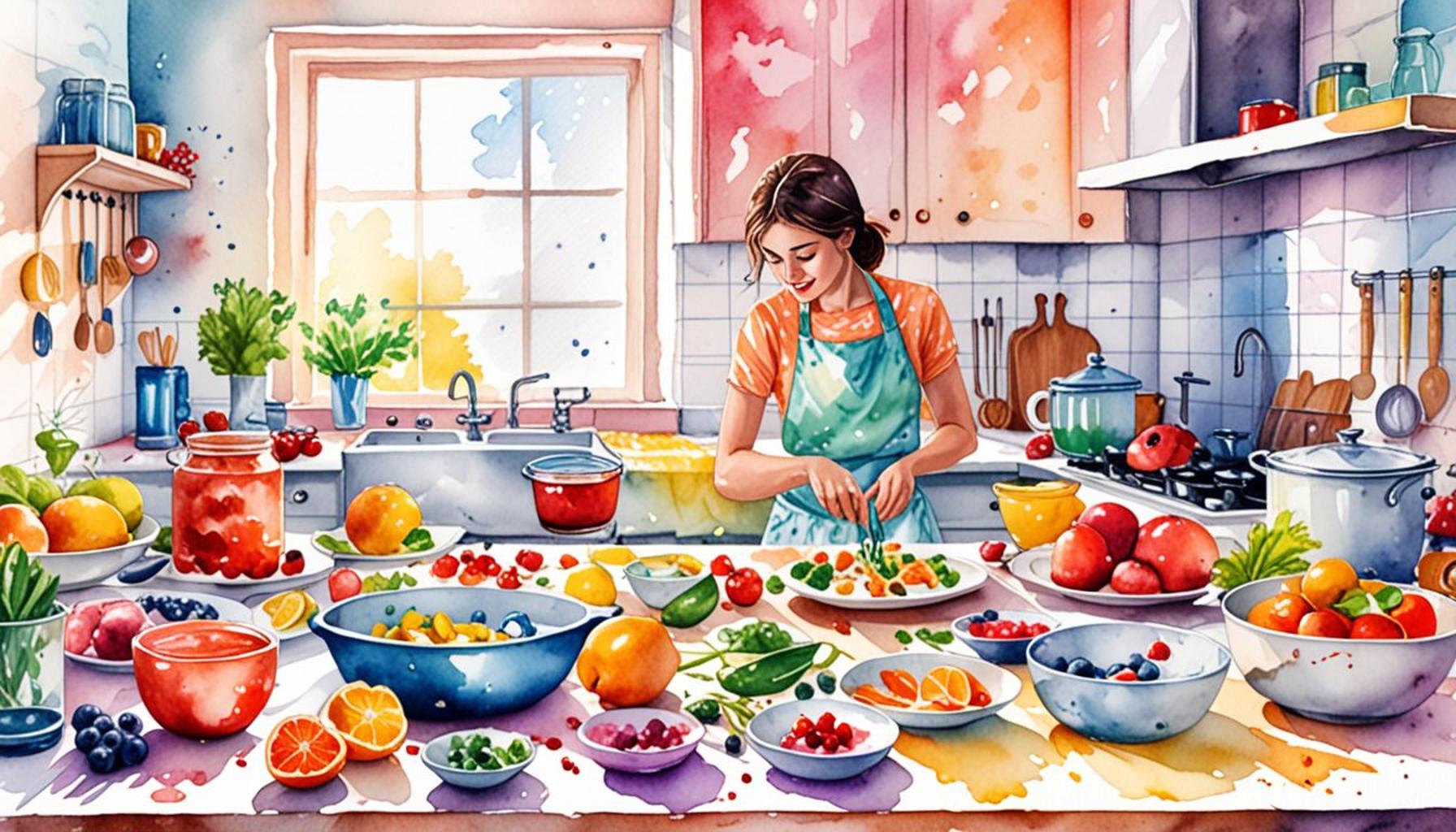
Every time we step into the kitchen, we’re embarking on a multi-sensory journey that transcends mere food preparation. The sights, sounds, smells, tastes, and textures we encounter not only shape our culinary creations but also influence our overall dining experience. This intricate dance of the senses transforms an ordinary meal into an extraordinary feast, engaging us on multiple levels.
Consider these aspects of our sensory engagement when cooking:
- Sight: The vibrant colors of fresh ingredients ignite our creativity. Think of a medley of vibrant red bell peppers, deep green spinach, and sunny yellow corn, all meticulously arranged before us. Their visual appeal can inspire us to experiment with our dishes, for instance, when assembling a colorful salad that not only looks appetizing but also indicates the nutritional variety we’re about to enjoy.
- Sound: The sizzle of onions in a hot pan tantalizes our anticipation. This auditory cue is a hallmark of cooking; it tells us that flavors are melding, implying that a transformation is taking place. Similarly, the gentle bubbling of a simmering sauce signals to us that patience will yield the flavorful rewards of our labor.
- Smell: Aromas wafting from spices can evoke memories and emotions. The scent of fresh basil can transport a home cook back to their grandmother’s kitchen, where the unique blend of ingredients created unforgettable family meals. This olfactory connection not only enriches the cooking process but also deepens our appreciation for traditional recipes passed through generations.
- Taste: The balance of flavors—sweet, salty, sour, bitter—determines a dish’s appeal. Understanding how to manipulate these flavors can transform a basic dish into a culinary masterpiece. For example, a pinch of salt can amplify sweetness in a chocolate dessert, while a dash of vinegar can elevate the freshness of a salad.
- Texture: The crunch of fresh veggies or the silkiness of a sauce plays a crucial role in satisfaction. A dish may be visually striking but may fall flat if the texture does not deliver. Consider how an airy soufflé delights not just the taste buds but also the palate with its lightness, contrasting with the satisfying crunch of a well-timed crouton added to a hearty soup.
These sensory inputs are far from isolated incidents; they are interconnected elements that enhance our culinary expertise. Recent studies indicate that our senses significantly influence both preparation and tasting, affecting our perceptions of flavor and quality. For instance, research suggests that a meal served on a vibrant plate evokes greater enjoyment compared to the same meal served on a neutral-colored dish. This points to the relationship between visual presentation and overall culinary satisfaction.
By understanding how our senses shape our kitchen experience, we can not only improve our cooking skills but also deepen our appreciation for the meals we serve. Engaging multiple senses when we cook can lead to more joyful experiences, foster creativity, and establish stronger connections with our food. As we uncover the intricate relationship between the senses and the art of cooking, we invite you to re-examine your own culinary practices. Whether it’s experimenting with new textures in your dishes or enhancing your meals with herbs and spices, the possibilities are endless.
DISCOVER MORE: Click here to find out how social media enhances homemade cooking
The Impact of Sight, Sound, and Smell in Culinary Creation
The kitchen, often considered the heart of the home, is an arena where multiple senses converge to influence how we prepare and ultimately enjoy our meals. Each sensory experience plays a vital role in not only the cooking process but also in how we perceive the flavors and overall quality of our dishes. Understanding this influence can elevate a mundane cooking session into a delightful sensory adventure.
One cannot underestimate the power of sight in the culinary realm. The vibrant colors of ingredients do more than just entice the eye; they signal nutritional benefits and freshness. Research shows that visually appealing presentations can enhance the perception of flavor. A well-plated meal, adorned with a sprinkle of fresh herbs or a drizzle of balsamic reduction, can entice diners before they even take their first bite. Color psychology suggests that our minds associate different colors with various flavors and emotions, which can alter our mood and anticipation for the meal ahead.
Acoustic elements in the kitchen, particularly sound, are just as impactful. The crisp crunch of fresh vegetables, the rhythmic chopping of a knife, or the satisfying sizzle when food hits a hot pan are all auditory cues that enrich the cooking experience. These sounds create an immersive atmosphere, informing the cook that the ingredients are transforming, building anticipation for what is to come. Interestingly, studies have found that certain sounds can enhance flavor perceptions as well. For instance, the sound of crunching might make a dish taste fresher or more flavorful, while the sizzle of a steak may increase the perception of its succulence.
The sense of smell has perhaps the most profound impact on our tasting experience. The olfactory system is directly linked to the part of our brain that processes emotions and memory. This explains why the scent of freshly baked bread can evoke feelings of warmth and belonging. When we cook, the aromas that unfold can stir memories of family gatherings or special occasions. Foods that may otherwise be unremarkable can become more appealing through their fragrant profiles, turning a common experience into something more significant. A study by the Journal of Culinary Science & Technology noted that aromatic compounds released while cooking can set expectations, ultimately influencing how we experience taste.
To truly harness the power of these senses, consider engaging each one during your cooking adventures:
- Experiment with Presentation: Arrange ingredients and final dishes in visually captivating ways to enhance the dining experience.
- Play with Sound: Incorporate music that matches the rhythm of your cooking process, as it can elevate your mood and concentration.
- Aromatherapy in Cooking: Use herbs and spices not only for flavor but also for their aromatic qualities, increasing the emotional connection to the dish.
In exploring these sensory dimensions, we begin to uncover the intricate interplay between perception and gastronomic enjoyment. Each layer of sensory experience enhances our engagement with food, making each meal not just a necessity, but a celebration of flavors, aromas, and colors that tantalize our minds as well as our taste buds. As we delve deeper into how our senses affect our culinary practices, it becomes apparent that the kitchen is not merely a place of work but a multisensory environment that transforms cooking into an art form.
The Role of Taste and Smell in Culinary Arts
The art of cooking is profoundly influenced by our senses of taste and smell, which work hand in hand to create complex culinary experiences. While taste primarily identifies flavors through the tongue’s receptors, the sense of smell plays a crucial role in the overall perception of these flavors. In fact, experts suggest that as much as 80% of what we perceive as taste comes from aromatic compounds detected by the olfactory receptors in our noses.When we sauté garlic and onions, the fragrant aromas wafting through the kitchen contribute to our anticipation and enjoyment of the dish. Studies reveal that foods prepared with fragrance in mind often lead to greater satisfaction. Enhanced flavor profiles result from this intricate relationship between the two senses, marking an essential aspect of gourmet cooking.
The Importance of Texture and Appearance
In addition to taste and smell, the senses of sight and touch significantly impact our dining experience. The vibrant colors of fresh vegetables, the glisten of a perfectly seared steak, and the creamy texture of a well-prepared sauce all contribute to the anticipation and enjoyment of a meal. Having visually appealing dishes not only enhances the overall presentation but also influences how we perceive flavor.Textures play a vital role as well. A crispy coating on fried foods or the creaminess of a rich sauce can elevate flavors by providing contrast and excitement on the palate. Chefs often experiment with various textures to keep their dishes intriguing, proving that the sensory experience extends far beyond mere taste.
Engaging the Senses Through Innovative Cooking Techniques
Culinary professionals are increasingly turning to innovative techniques that stimulate all five senses, adding depth to the cooking process and enjoyment of food. Techniques like smoking, sous-vide cooking, and molecular gastronomy not only showcase creativity but also enhance sensory experiences, making meals memorable. For example, smoking ingredients can introduce complex aromas and flavors, while sous-vide ensures precise control over texture.Incorporating unexpected elements, such as edible flowers or unusual garnishes, can surprise diners and engage their senses further, creating a multifaceted culinary adventure. By harnessing the power of the senses, chefs can craft dining experiences that are as informative as they are enjoyable.This exploration into the implications of our sensory experiences within the kitchen opens the door for both home cooks and professional chefs to enrich their culinary practices. Understanding the influence of senses significantly sheds light on creating not just meals, but cherished memories around the dining table.
DISCOVER MORE: Click here for creative DIY projects
The Role of Taste and Touch in the Culinary Experience
While sight, sound, and smell have significantly shaped our culinary engagements, the senses of taste and touch hold paramount importance in determining our ultimate satisfaction with food. Understanding how these senses interact with our eating and cooking processes can further elevate our culinary experiences, connecting us more deeply not only with our food but also with our personal identities, cultures, and traditions.
The sense of taste is often categorized into five fundamental flavors: sweet, sour, salty, bitter, and umami. Each flavor can evoke different responses and memories that inform our preferences and culinary choices. For instance, the balance of sweet and salty is often a hallmark of American cuisine, evident in the popularity of dishes like bacon-wrapped dates or pretzel caramel desserts. Furthermore, the power of taste is not merely confined to the immediate experience; it can also be heightened by the combination of flavors found in different cultural dishes. The harmony of spices in Indian curry or the distinct layers of flavor in Mexican mole illustrate how taste creates an expansive culinary landscape that reflects nationality and tradition.
Scientific studies emphasize the synergy between smell and taste, known as flavor perception. The majority of what we perceive as taste is influenced by our olfactory sense. This interrelationship highlights the importance of integrating aromas when cooking—smelling the ingredients as they heat, combining flavors, or considering the overall aroma of the dish deepens the taste experience. Therefore, when preparing a meal, recreating authentic flavors may require an acute awareness of both taste and smell, linking back to our earlier discussions on how aroma can influence taste perception.
Equally important is the sense of touch, which plays a crucial role in our cooking methods and the overall sensory experience of food consumption. Texture, the feel of food in our mouths, often dictates how much we enjoy a dish. The contrast between creamy and crunchy, for example, plays up flavor dynamics in many beloved recipes, such as a creamy risotto topped with crispy fried shallots. Touch also extends beyond the food itself; it encompasses the tactile experience of cooking—chopping vegetables, kneading dough, and grilling meats. Each tactile interaction serves as a form of engagement, allowing cooks to gauge the readiness and quality of their ingredients.
Additionally, the act of cooking involves a multi-layered sensory experience that can encourage mindfulness. Engaging directly with food physically can enhance our appreciation for the ingredients and their journey from farm to table. Perhaps consider:
- Textural Experimentation: Incorporate ingredients with a variety of textures to create a more dynamic tasting experience, such as adding nuts or seeds to salads to create a delightful crunch.
- Mindful Cooking Practices: Focus on the sensations you experience while preparing and tasting food, allowing yourself to fully engage with the process, which can enhance enjoyment and appreciation.
- Interactive Cooking: Try cooking with others to share the tactile elements of food preparation, fostering connections through a shared sensory experience.
By diving into the realms of taste and touch, we can further enrich the narrative of our culinary experiences. The kitchen becomes not just a place for meal preparation, but rather a sanctuary for sensory exploration, inviting individuals to engage deeply with the foods they prepare and consume.
DIVE DEEPER: Click here to discover the latest trends
Conclusion: Embracing the Full Spectrum of Sensory Experience in Cooking
In summary, the kitchen serves as a vibrant canvas where our senses blend, transforming the act of cooking into an enriching experience that goes beyond mere sustenance. The interplay of sight, sound, smell, taste, and touch creates a multi-faceted journey through which we explore flavors, textures, and aromas that resonate with our cultural and personal narratives. By understanding how these senses influence our preparation and tasting, we can cultivate a deeper appreciation for culinary traditions and the artistry behind our favorite dishes.
Consider the impact your sensory experiences in the kitchen can have on your meals. Engaging with food through mindful cooking practices not only enhances enjoyment but also fosters emotional connections with those we share meals with. Incorporating a variety of textures and flavors into dishes opens the door for creative exploration and celebration of diverse cuisines. Whether it’s the crunch of fresh vegetables or the rich aroma of simmering spices, every aspect adds depth to our culinary repertoire.
As we continue to navigate the world of food, let us embrace this rich sensory experience—transforming our kitchens into spaces of connection, creativity, and exploration. By tuning into our senses, we unlock new dimensions of flavor and tradition, elevating our meals from ordinary to extraordinary. So next time you step into the kitchen, remember: it is not just about what we cook, but how all our senses engage to create meaningful culinary moments that nourish both body and soul.