Tools and Techniques for Working with Unusual Materials in Creative Projects
Expanding the Horizon of Artistic Expressions
As artists and creators navigate the ever-evolving world of expression, the use of unusual materials serves as a playground for innovation and inspiration. From transforming recyclable waste into stunning sculptures to introducing organic elements in interior design, the creative potential embedded within unconventional resources is boundless. This journey into the unusual fosters a unique dialogue between the artist and the material, often redefining the boundaries of what art can be.
For those adventurous enough to engage with these unexpected mediums, several tools and techniques can facilitate exploration. Here are some vital elements to consider:
- Digital Fabrication Techniques: The rise of technologies such as 3D printing and CNC machining has revolutionized how we engage with unconventional materials. Artists can create intricate designs from biodegradable plastics or even unusable metals, enabling precise manipulation and detailed finishing that complements their artistic vision. Innovations in software allow for rapid prototyping, enabling creators to experiment with designs before committing to a final piece, thus reducing waste.
- Mixed Media Approaches: The collaboration of various materials—like paint, fabric, and metal—opens the door to creative ingenuity. For instance, an artist may combine fabric scraps, found objects, and traditional paint to create a collage that tells a story through texture and color. Artists such as Vik Muniz have famously utilized everyday objects, like sugar and chocolate, pointing out how combining different materials can express complex themes or emotions.
- Upcycling and Recycling: By utilizing scrap materials from our daily lives, artists can both save resources and ignite innovation. Upcycling projects not only highlight environmental consciousness but can also lead to unexpected artistic revelations. For example, transforming old tires into furniture or art installations not only finds a new life for discarded materials but also invites viewers to rethink waste in a contemporary context.
The challenges associated with working with unconventional materials often compel creators to think outside of traditional frameworks, fostering a unique blend of traditional craftsmanship and modern technology. This dynamic interplay ultimately pushes the boundaries of creativity itself. The limitations that these materials impose can stimulate innovative solutions and pave the way for entirely new artistic genres.
In the upcoming sections of this article, we will delve deeper into an array of tools and techniques, examining case studies and offering tips to amplify your creative endeavors. Whether you are a seasoned artist or an enthusiastic novice, the exploration of unusual materials is bound to inspire not only your next project but your perspective on what art can achieve.
DISCOVER MORE: Click here to learn about sustainability in culinary arts
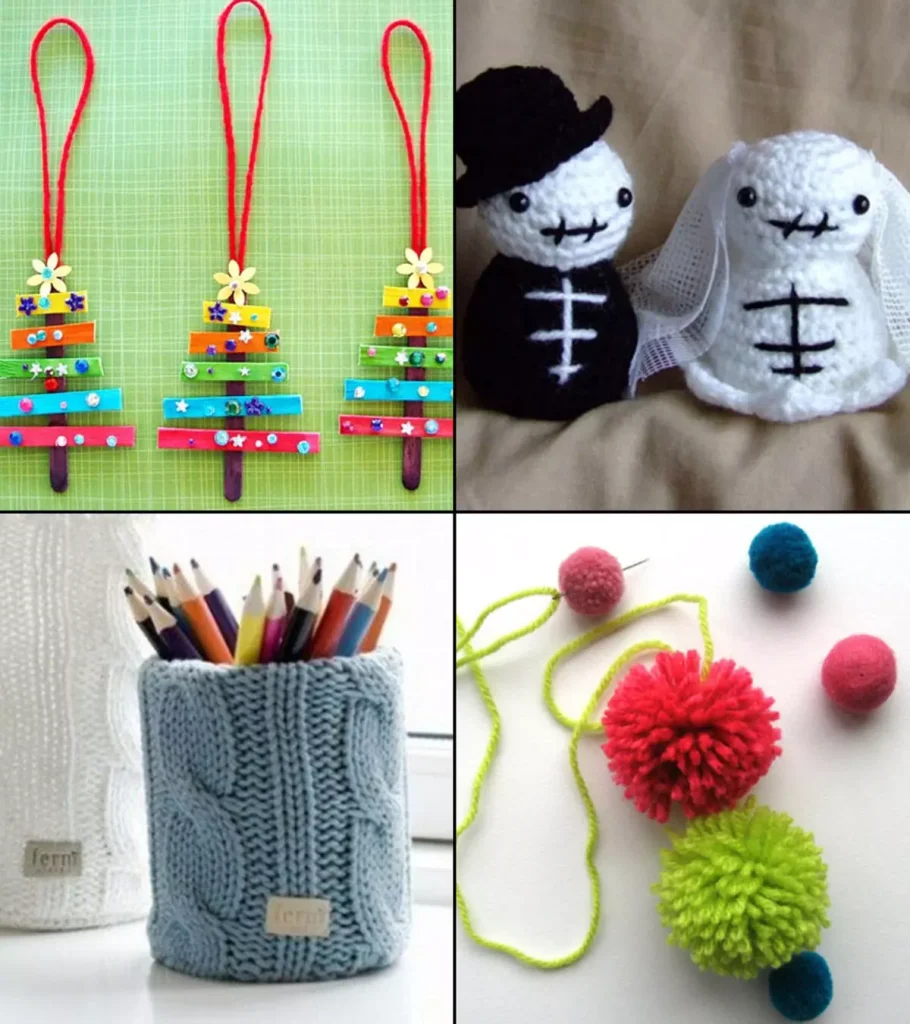
Innovative Approaches to Unconventional Materials
As artists embark on their creative journeys, discovering innovative tools and techniques for working with unusual materials can significantly enhance their projects. Engaging with unconventional resources requires adaptability and imagination, so having the right toolkit is crucial. Below are key techniques that artists have successfully employed to transform atypical materials into captivating works of art.
- Textile Manipulation: In projects involving fabrics—such as old clothing items or leftover textiles—artists can explore various methodologies, including quilting, weaving, and dyeing. For instance, artists like Sheila Hicks have utilized textile manipulation to create bold wall hangings that celebrate texture and color, reminding us how fibers can evoke emotion and tangibility.
- Mixed Trade Techniques: Artists are increasingly blending commercial and non-commercial materials in their work. This technique allows for endless combinations that challenge the notion of art. By incorporating things like grocery receipts, promotional posters, and plastic packaging into their pieces, artists create a juxtaposition of consumerism and artistic expression. The work of artists like El Anatsui showcases how value can be derived from what is typically unvalued, creating impactful statements through discarded materials.
- Natural Material Discovery: Artists can tap into nature using materials that are organic in origin, such as moss, wood, or stones. This method not only embraces sustainability but also allows artists to explore the textures and forms that nature provides. Consider the impressive sculptures of Andy Goldsworthy, who masterfully integrates elements of the environment to create ephemeral art that dialogues with its surroundings. His approach prompts viewers to consider the relationship between art and nature.
- Communication Tools: Digital tools play an essential role in the adaptation and manipulation of unusual materials. Software like Adobe Illustrator or CAD programs can help artists design concepts and blueprints that are vital for intricate fabrication processes. Furthermore, photo-editing software can be utilized to envision final pieces more clearly, allowing creators to test color schemes and arrangements before actual production.
Incorporating these approaches not only pushes artists to redefine their paradigms but also uncovers a deeper understanding of their chosen materials. As creators continue to navigate the challenges and intricacies of unusual resources, finding inspiration from both nature and technology can lead to a profound evolution of their work. When artists blend creative thinking with the right techniques, they unveil new artistic landscapes that invite viewers to experience art in fresh and dynamic ways.
As we continue this exploration into the multifaceted realm of unusual materials, stay tuned for more insights on specific case studies and practical applications to further enrich your creative toolkit. By harnessing and appreciating these unconventional materials, you can unlock an expanded palette for your artistic endeavors.
| Category | Description |
|---|---|
| Unconventional Textiles | Using unusual fabrics like recycled plastic, paper, or metals in fashion and art. |
| Sustainable Practices | Helping creators innovate while being eco-friendly with materials sourced from waste. |
| Mixed Media Techniques | Combining different materials like clay, wood, and metal opens pathways for creativity. |
| Functional Art | Creating pieces that are not only visually appealing but also serve practical purposes. |
Incorporating unusual materials into creative projects not only enhances aesthetic appeal but also elevates the conceptual depth of artwork. Artists exploring options such as recycled items or innovative fabrics can discover unique textural qualities and structural capabilities. This approach leads to surprising discoveries that engage broader audiences by merging art and sustainability. Through techniques like mixed media, individuals can express complex themes and address critical societal issues, such as waste reduction.Furthermore, using functional art pieces highlights that creativity need not exist in a vacuum; these items address both utility and beauty, often transforming everyday objects into coveted art forms. The exploration of such methods can deepen appreciation for artistry rooted in sustainable practices and contribute significantly to the ongoing conversation about the role of creativity in environmental stewardship. As you investigate further, consider delving into specific case studies or artist interviews that showcase the fusion of art and unconventional materials.
DIVE DEEPER: Click here to discover more
Transformative Techniques for Engaging with Uncommon Materials
Diving deeper into the realm of unusual materials, artists can harness a variety of transformative techniques that not only redefine their projects but also elevate their creative output. These methods enable makers to reformulate their relationships with materials, oftentimes yielding innovative outcomes that resonate with viewers on multiple levels.
- Collage and Assemblage: One of the oldest techniques in mixed media art, collage and assemblage allows artists to piece together disparate items into coherent visual narratives. This approach has been embraced by numerous contemporary artists, such as Romare Bearden, who employed personal memories through repurposed materials like magazines and postcards. The beauty in collage lies in its capacity to narrate a story, evoking emotion and connection from seemingly unrelated items. This technique invites artists to explore their heritage and identity while showcasing the transformative potential of everyday materials.
- Found Object Sculpture: The practice of creating sculpture from found objects—think discarded furniture, broken appliances, or abandoned toys—challenges traditional notions of what constitutes art. Artists like Joseph Cornell have famously crafted intricate boxes and assemblages that tell profound stories through simple yet evocative materials. This technique encourages artists to let go of conventional sculpture mediums, opening a gateway to new creative dialogues and environmental sustainability. By reimagining objects that might otherwise be discarded, artists can craft compelling works that reflect contemporary societal issues.
- Upcycling: In an age where sustainability is increasingly prioritized, upcycling has emerged as a valuable approach. This technique involves repurposing discarded materials into new creations to prolong their lifecycle. Creatives such as artist and designer Gregor Kregar have taken this concept to experiment with transforming items like plastic waste into striking installations that provoke thoughts on consumer culture. Upcycling not only reduces waste but also emphasizes the inherent beauty that can be found in forgotten or overlooked materials. Artists can infuse their work with personal narratives through the choice of materials used in this process.
- Mixed Media Techniques: The incorporation of different media styles is vital for artists looking to push boundaries. Techniques such as layering paint over fabric, embedding paper into clay, or combining digital printing with traditional drawing can yield stunning multidimensional works. Artists like Tara Donovan utilize this mixed media method to explore the physical properties of materials, turning everyday items into intricate installations that play with light and perception. This approach invites viewers to consider the tactile nature of art, where layers and textures enhance visual narratives.
- Experimental Techniques: Artists are leveraging experimental techniques that push the limits of materiality. This may include using unconventional tools or methods such as heat, pressure, or chemistry to manipulate materials directly. For example, the artist Ann Hamilton employs processes like projection, sound, and textual layering within her installations to create immersive experiences. By experimenting with different material interactions, artists expand their toolkit in unprecedented ways, leading to innovative expressions that are rich in sensory engagement.
Through these transformative techniques, the creative process becomes a dialogue between artist and material, questioning perceptions and inviting critical reflection. By cultivating an openness to experimentation and unorthodox resources, artists can navigate the evolving landscape of art more confidently, enriching their practices and providing fresh perspectives on what art can be.
DISCOVER MORE: Click here to uncover the art of recipe creation
Conclusion: Embracing the Unconventional
As we navigate the fascinating landscape of unusual materials in creative projects, it becomes clear that artists and makers have an endless opportunity to innovate and inspire. By leveraging diverse tools and techniques—from collage and assemblage to upcycling and experimental methods—creatives can breathe new life into the most overlooked items, transforming them into compelling works of art that challenge societal norms.
The beauty of engaging with unconventional materials lies in their ability to tell unique stories and provoke thoughtful dialogue among viewers. Artists like Gregor Kregar and Tara Donovan reveal how we can use these materials to reflect on pressing issues such as environmental sustainability and the intricacies of consumer culture. The blend of diverse media and experimental approaches not only pushes the boundaries of traditional art forms but also encourages critical reflection on our relationship with the material world.
In this era of transformation and change, the call for creativity extends beyond aesthetics; it challenges us to think deeply about our choices and their impact on our environment and culture. By embracing these innovative techniques, artists can cultivate a rich dialogue that sparks curiosity and exploration in their audience. As the line between art and everyday objects blurs, we welcome a new era where the power of imagination reigns supreme, paving the way for an exciting future in art and creativity.
Ultimately, the journey with unusual materials is an invitation for every artist—seasoned or emerging—to think outside the box, experiment with the unexpected, and leave a lasting impact. As we continue to engage with these evolving tools and techniques, we remain curious about the stories yet to be told and the connections waiting to be made.