Transform Recyclables into Art Sustainable DIY Projects Guide
Igniting Creativity through Sustainability
In a world where environmental concerns are increasingly pressing, the fusion of creativity and sustainability has never been more relevant. Transforming waste materials into art not only promotes recycling but also fosters an innovative mindset that encourages individuals to think outside the box. Engaging in these sustainable DIY projects not only benefits the planet but simultaneously cultivates your artistic skills and personal expression.
Why Choose Recyclable Materials?
Utilizing recyclable materials allows artists and hobbyists to create something beautiful while minimizing waste. This approach supports the global movement towards sustainability by:
- Reducing landfill waste
- Conserving resources
- Encouraging a shift from consumerism to creativity
This article will guide you through the intriguing realm of **DIY art projects**, showcasing a ranked selection of the Top 5 projects that elevate the beauty found in everyday recyclables. Join us as we explore how you can make art with a purpose and inspire others to do the same!
Transforming Recyclable Materials into Art: Sustainable DIY Projects
In an era where the need for environmental conservation is more pressing than ever, incorporating sustainability into our daily practices has become crucial. One exciting way individuals contribute to this ecological movement is by transforming recyclable materials into art through innovative DIY projects. These creations not only allow for personal expression but also underscore the importance of environmental consciousness by reducing waste and promoting sustainable habits. In this article, we delve into a ranked list of five innovative and engaging DIY projects that transform trash into treasures, fostering creativity and environmental stewardship. Let’s explore how to turn waste into wonderful art!
5. Upcycled Bottle Planters
Plastic bottles are among the most ubiquitously discarded items worldwide, contributing significantly to landfill accumulation. Yet, with a creative twist, these everyday items can be upcycled into upcycled bottle planters, breathing life into otherwise wasted materials. Converting plastic bottles into planters is both a fun and relatively simple project. It brings an aesthetic touch to your living space while reflecting a commitment to environmental care.
The process of creating an upcycled bottle planter is straightforward:
- Choose your bottle: Opt for water or soda bottles of any size, as they can accommodate various plant types.
- Prepare the bottle: Depending on your design choice, either cut the bottle in half or craft openings near the bottom for necessary drainage.
- Decorate: Use paint, colorful tape, or other materials to personalize the planter’s exterior, making it a unique addition to any room or garden.
- Plant: Fill the bottle with nutrient-rich soil and add your preferred plants, whether succulents, herbs, or flowering plants.
This project, in addition to reducing plastic waste, serves as a constant reminder of your contribution towards a greener planet, providing a sense of pride and satisfaction every time you admire your flourishing botanicals.
4. Cardboard Sculptures
Often discarded after just a single use, cardboard is more than mere packaging material. With a touch of imagination and a few basic tools, it can be transformed into stunning cardboard sculptures. From fantastical creatures to grand architectural replicas, the possibilities are as limitless as your creativity.
For those eager to embark on a cardboard sculpture project, the key steps include:
- Gather materials: Collect various sizes of cardboard boxes, as different shapes and thicknesses will add depth to your creation.
- Cut and shape: Use precision cutting tools, such as utility knives or scissors, to cut the cardboard into a variety of shapes and sizes.
- Assemble: Utilize glue, tape, or a hot glue gun to piece together your sculpture securely. Patience and precision are critical in this step.
- Embellish: Once the structure is complete, paint it with vibrant colors or add details with recycled paper or fabric to enhance its visual appeal.
This endeavor not only prevents cardboard from ending in landfills but also stokes the fires of creativity, serving as a tangible demonstration of sustainable practices. Display these artworks proudly to inspire others with the message that beautiful things can arise from what was once dismissed as waste.
3. Tin Can Lanterns
Transforming old tin cans into tin can lanterns is a delightful way to bring a warm, enchanting glow to your outdoor spaces while embracing sustainability. This DIY project is accessible to all skill levels and allows for extensive personalization, making each lantern unique.
To create your own tin can lanterns, follow these steps:
- Soak and prep: Submerge the tin cans in water overnight to soften the metal slightly, facilitating easier manipulation.
- Create the design: Using a hammer and nail, gently puncture the can to form a design or pattern of your choice, ranging from stars to abstract motifs.
- Decorate: After piercing, paint the cans with weather-resistant colors, allowing them to dry thoroughly before handling further.
- Add light: Insert a candle or an LED light inside the can, illuminating the decorative pattern when lit.
These artistic lanterns not only recycle cans but can transform a patio or garden into a serene retreat, showcasing the harmony between recycling and creativity.
2. Newspaper Mache Creations
Although they may seem obsolete in the digital age, newspapers remain an incredibly versatile and recyclable material. By engaging in newspaper mache projects, you can create durable and exciting works such as bowls, masks, or even complex sculptures that highlight both your creativity and eco-friendly values.
Here’s how you can start your newspaper mache creation:
- Prepare the paper: Tear newspapers into strips, manageable in length for easy application.
- Mix paste: Combine flour with water to create a smooth paste or use a commercially available glue solution.
- Layer and mold: Using a mold like a balloon or a bowl, layer the strips dipped in paste over your base, repeating the process with multiple layers until achieving the desired thickness.
- Finish: Once fully dry, paint or decorate your paper mache with colors or other adornments to fit your artistic vision.
This technique significantly reduces paper waste and also allows artisans to create strong, lightweight creations that can be used decoratively or functionally. The process endows a deeply satisfying feeling as you watch your creation come to life from what was once discarded.
1. Fabric Scraps to Tote Bags
Claiming the top spot in our sustainable DIY project list is the creation of fabric scrap tote bags. This endeavor tackles the mounting issue of textile waste, transforming leftover fabric into practical and stylish accessories while promoting a trend of reusability in fashion.
Crafting your tote bag from fabric scraps involves these meaningful steps:
- Design and gather: First, decide on the dimensions and style of your bag, then collect fabric scraps that complement your desired aesthetic.
- Assemble: Cut the fabric to fit your design and sew the pieces together. If sewing is not an option, fabric glue can be used for a no-sew approach.
- Customize: Let your personality shine through by embellishing your tote with fabric patches, paint, or embroidery.
Each outing with this tote bag stands as a testament to your commitment to sustainability, turning what was once considered waste into a fashionable, reusable accessory that highlights your unique style. This project illustrates a powerful narrative: by reimagining the fate of our fabric remnants, we take an actionable step toward a more sustainable future.
By venturing into any of these art projects, not only do you engage your creative faculties, but you also contribute meaningfully to environmental sustainability. These endeavors prove that with a little imagination and initiative, it’s possible to reframe the concept of waste into a canvas for artistic expression and a more sustainable world.
| Category | Details |
|---|---|
| Creativity Boost | Engaging in DIY projects using recyclable materials enhances creative thinking and problem-solving skills, allowing artists to see potential in everyday waste. |
| Environmental Awareness | Creating art from recyclables cultivates a sustainable mindset and encourages individuals to recognize the importance of reducing waste in their daily lives. |
| Community Engagement | DIY projects can foster community involvement, promoting collaboration among people of varied backgrounds and inspiring local art initiatives centered around recycling. |
| Cost-Effectiveness | Utilizing recyclable materials for art projects can significantly reduce the costs associated with traditional art supplies, making creativity accessible to everyone. |
The theme “Transforming Recyclable Materials into Art: Sustainable DIY Projects” quintessentially marries art with environmental consciousness. By focusing on creativity, individuals often discover uncharted techniques and styles that can redefine artistic boundaries. The process doesn’t merely stop at aesthetic creation; it permeates everyday habits, fostering a newfound respect for resources and materials often deemed as waste.One of the paramount benefits of engaging with sustainable DIY projects is the significant boost in creative problem solving they demand. Artists and crafters frequently find themselves challenged to visualize unorthodox uses for common items such as bottle caps, old newspapers, or discarded textiles. This innovation not only leads to unique artistic expressions but broadens the horizon for future art forms that are eco-centric.Furthermore, the act of transforming waste into art creates a profound ambient awareness about environmental issues. As participants immerse themselves in the creative process, they inadvertently learn about recycling, sustainability, and the environmental impact of consumerism. Each project serves as a powerful reminder of the tangible benefits of reducing one’s carbon footprint. Participation in these projects often extends beyond individual endeavors and fosters a spirit of community collaboration. Workshops and community art installations that utilize recycled materials not only beautify neighborhoods but partner residents across various ages and backgrounds. This shared experience solidifies social bonds and raises collective consciousness regarding waste reduction and artistic expression.Finally, another appealing aspect of DIY art projects using recyclable materials is their inherent cost-effectiveness. By repurposing items that would otherwise be discarded, artists can create remarkable pieces without the burden of exorbitant material costs. This financial accessibility allows more individuals to partake in art, paving the way for diverse voices to emerge in the art world.
Frequently Asked Questions About Transforming Recyclable Materials into Art
What types of recyclable materials can be used for DIY art projects?
There is a wide range of recyclable materials that can be repurposed for creative projects. Commonly used items include cardboard boxes, glass jars, plastic bottles, and metal cans. These materials are often accessible and can be transformed into various artistic creations. Don’t overlook materials like old newspapers or fabric scraps, which can add texture and a unique touch to your art.
How can transforming recyclable materials into art contribute to sustainability?
By reusing materials that would otherwise end up in landfills, you reduce waste and conserve resources. This practice fosters a culture of sustainability and environmental awareness. Creating art from recyclables encourages a circular economy<, a concept where products and materials are continuously repurposed, minimizing environmental impact.
What are some beginner-friendly DIY art projects with recyclables?
If you’re new to crafting with recyclables, you might start with simple projects like creating planters from plastic bottles or picture frames from discarded cardboard. These projects are not only easy to complete but also allow room for creativity and personalization. Consider joining online communities or workshops where you can find tutorials and gain inspiration from other eco-conscious artists.
Are there any safety concerns when creating art from recycled materials?
While these projects are typically safe, it’s important to exercise caution, especially when working with materials like glass or metal. Use protective gear, such as gloves and goggles, if necessary, and ensure you have a well-ventilated workspace. Safety should always be a priority, so take your time to understand the properties of the materials you are working with.
How can I promote my recycled art pieces?
Social media platforms such as Instagram and Pinterest are excellent for showcasing your work to a broader audience. Engaging with online forums and participating in local art fairs can also drive interest in your creations. Remember to share the story behind your pieces, highlighting the sustainable aspect which can attract environmentally conscious art collectors and enthusiasts.
Conclusion
In today’s world, where sustainability is more crucial than ever, the art of transforming recyclable materials into creative DIY projects offers not only an alternative form of expression but also a compelling solution to environmental concerns. Throughout this article, we’ve examined several projects that highlight how everyday waste can be repurposed into stunning art pieces. These initiatives underscore the importance and potential of recycled art as both a visual medium and a statement on responsible consumption.
Firstly, we delved into the transformative magic of glass bottles, turning them into decorative vases and intricate mosaics. Then, we explored the world of used paper, demonstrating how it can be crafted into textured canvases and charming origami – perfect for home décor. Additionally, we took a closer look at old textiles, repurposing them into unique patchworks and fashionable accessories, showcasing the endless possibilities contained in discarded fabrics.
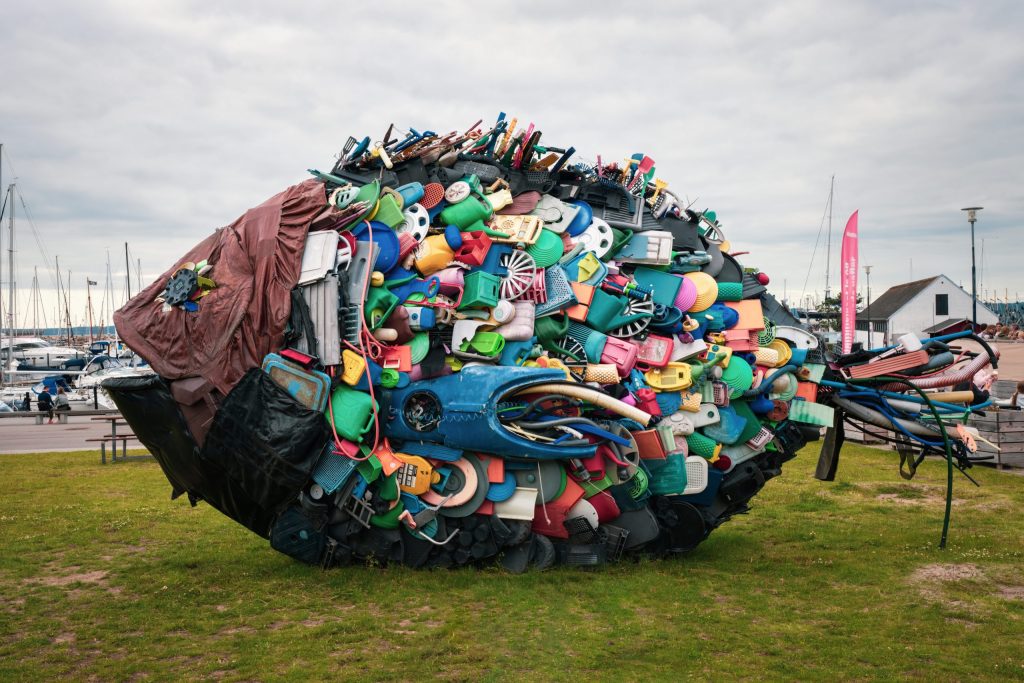
Moreover, we highlighted the creativity involved in giving new life to wooden pallets, transforming them into stylish furniture and garden accessories. A similar reinvention unfolds through the use of plastic waste, where seemingly mundane items become colorful art installations and practical containers.
By embracing these sustainable practices, individuals can reduce waste and make a personal impact while engaging in creative hobbies that encourage environmental stewardship. The integration of recycled materials into the arts not only enriches the creative experience but also propels us towards a more sustainable future. As we explore these inspiring projects, it becomes clear that the power of innovation and environmental awareness can collaboratively drive us towards a greener, more expressive world.