Transforming Recyclable Materials into Art: Sustainable DIY Projects
Unleashing Creativity through Sustainability
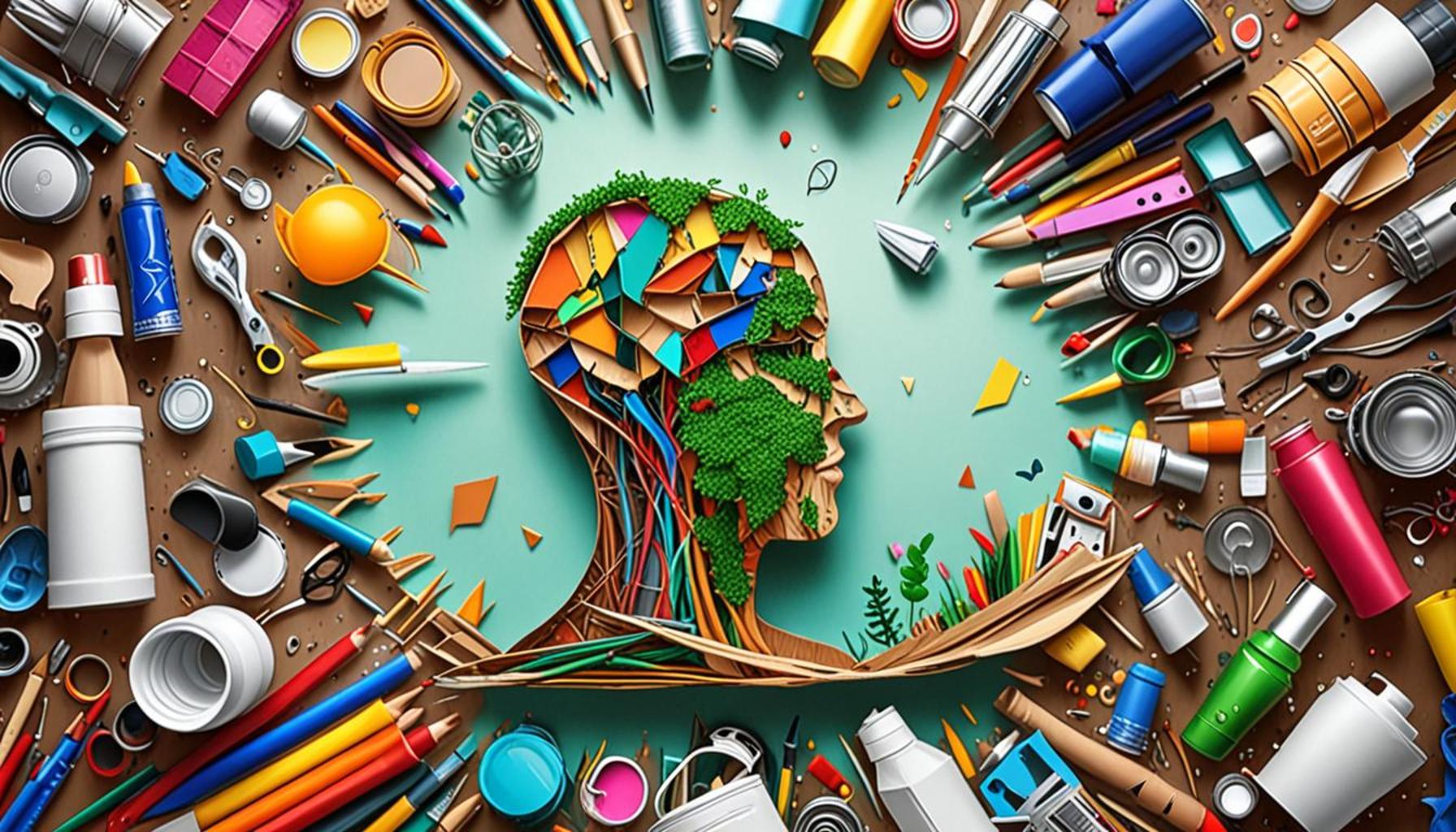
In today’s world, creativity meets responsibility as artists and DIY enthusiasts alike embrace the potential of recyclable materials. The movement towards sustainable art not only beautifies spaces but also raises awareness about waste management and environmental conservation. As environmental issues become more pressing, the creative community is stepping up to address these concerns, blending innovation with eco-consciousness.
Transforming ordinary items into captivating artwork offers unique benefits:
- Environmental Impact: By using materials that would otherwise contribute to landfill waste, artists promote a culture of recycling and reduction. Each piece created acts as a statement against waste, demonstrating how every discarded item can have a new purpose.
- Cost-Effectiveness: Engaging in sustainable art often allows for the utilization of inexpensive or even free materials. For instance, artists can source items like scrap wood, discarded metal, or leftover paint to create impactful pieces without straining their budgets.
- Community Engagement: Sustainable art projects can foster community interaction, inspiring others to actively participate in sustainability efforts. Workshops and exhibitions often bring together like-minded individuals, sparking dialogue about the importance of environmental stewardship.
Many artists across the United States have turned their attention to upcycling, breathing new life into items that would otherwise be discarded. Unique examples include:
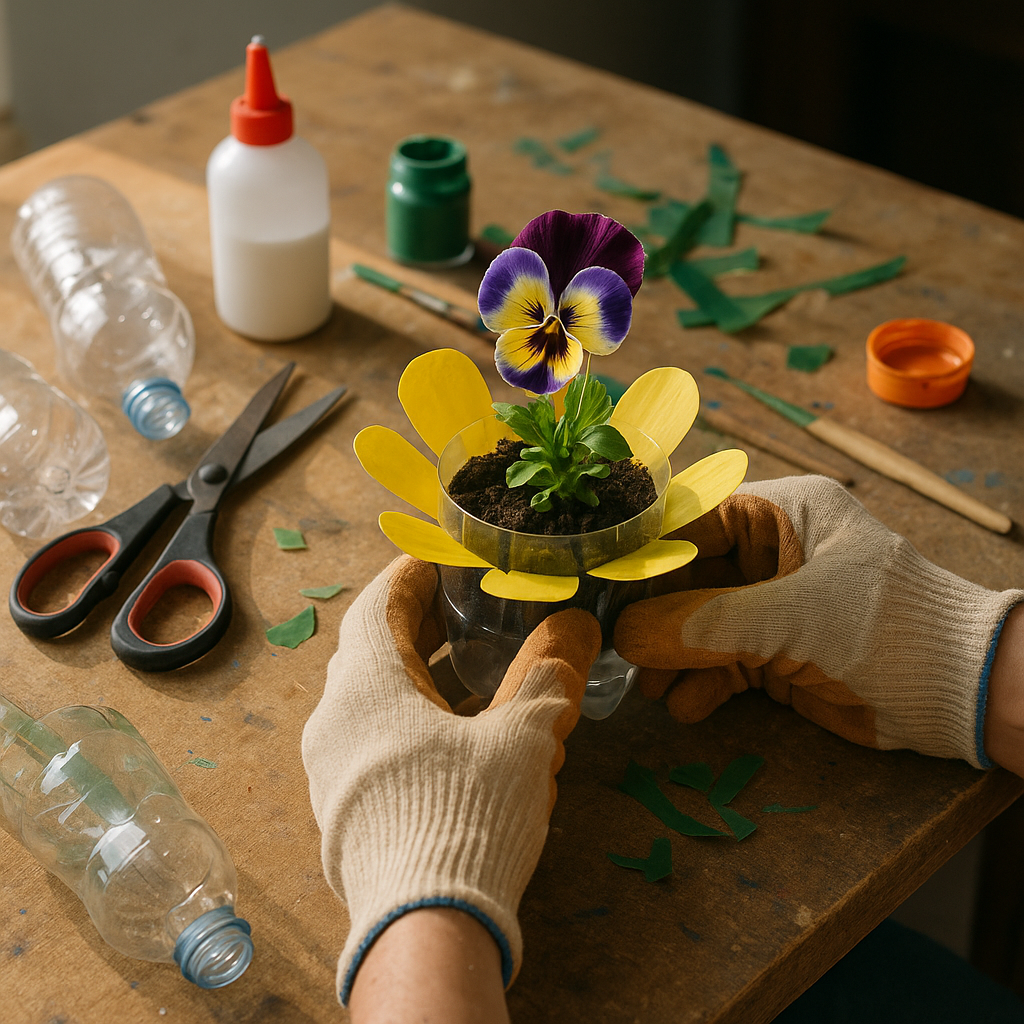
- Plastic bottles: Artists create vibrant installations or artistic sculptures by weaving plastic bottles together, showcasing the potential of this ubiquitous material.
- Cardboard boxes: Some find beauty in crafting intricate designs or entire structures using just cardboard, illuminating the possibilities of everyday waste.
- Old textiles and clothing: Fashion designers repurpose fabric scraps into stunning garments, emphasizing the intersection of sustainability and personal expression.
- Glass jars: With a little creativity, glass jars transform into eye-catching lanterns or decorative centers that can enhance any environment.
These projects not only showcase artistic talent but also challenge traditional notions of art and value. By engaging in DIY projects, individuals can create something beautiful while contributing to a larger goal of sustainability. The creativity inherent in these endeavors can be seen in stunning public art installations or simple home projects that bring joy while sending strong environmental messages.
As we explore the fascinating realm of turning recyclables into stunning art, you will discover inspiring examples and actionable ideas to embark on your very own creative journey. From participating in local art collectives that focus on sustainability to starting your own projects at home, each effort contributes to a broader movement toward a greener, more creative future. By choosing to create with sustainability in mind, we can all make a positive impact on our environment—all while enjoying the process of artistic expression.
DISCOVER MORE: Click here to learn about the impact of social media on performing arts
Recyclable Materials: A Canvas for Creativity
The journey of transforming recyclable materials into art begins with the understanding that our waste can become a source of inspiration. As society becomes increasingly aware of the environmental repercussions of consumerism, the artistic community is harnessing this awareness to create meaningful pieces that resonate with a sustainable ethos. The artistic possibilities are endless, limited only by imagination and resourcefulness.
One of the most exciting aspects of sustainable art is the versatility of materials available for transformation. Consider the following common recyclable items that can be skillfully reimagined into stunning works of art:
- Plastic Bags: Instead of sending these common grocery companions to landfills, artists have started weaving, melting, and fusing them to create colorful and textured artwork. Some have even crafted unique mosaics or functional items like bags and wallets from these plastic fibers.
- Wood Pallets: Once used for shipping, wood pallets can be deconstructed and reassembled into beautiful furniture pieces or wall art. The rustic charm of reclaimed wood adds character to any home, while allowing for an exquisite touch that tells a story of sustainable choices.
- Ceramic Fragments: Broken dishes and tiles often find new life in the form of mosaic art. These small pieces can be pieced together to form striking patterns or images, turning everyday waste into captivating decorative items.
- Metal Cans: From coffee to soda cans, metal containers can be transformed into vibrant sculptures, planters, or even wind chimes. With some cutting and painting, you can create an array of decorative items that showcase your artistic flair.
The act of creating art from recyclables not only fulfills artistic desires but also instills a sense of purpose. Artists have the unique opportunity to educate their audiences about waste reduction, encouraging viewers to reconsider their consumption habits. By highlighting the potential beauty in what is often seen as trash, these artists challenge the conventional perceptions of value and beauty.
Participating in sustainable DIY projects can also be a highly rewarding experience for individuals and families alike. Engaging in these projects promotes creativity while fostering discussions about sustainability among community members. Home workshops offer a platform for families to bond over crafting, while local art events can showcase these pieces, creating awareness about recycling and waste management.
In addition to individual satisfaction, those who embark on these projects often find inspiration through various platforms. Social media has become a powerful tool for sharing ideas and breakthroughs in sustainable art, showcasing everything from intricate DIY projects to large community installations. Platforms like Instagram and Pinterest abound with visual tutorials that can inspire even the most novice of DIY enthusiasts.
As we delve deeper into the world of sustainable DIY art, we uncover not just techniques but also the stories behind each piece. With every discarded article transformed into a stunning creation, artists make an indelible mark on both the community and the environment. Let us continue to explore this fascinating intersection of art and sustainability, where creativity knows no bounds and the possibilities are as expansive as our imagination.
Transforming Recyclable Materials into Art: Sustainable DIY Projects
In today’s world, the demand for sustainable living practices has become increasingly vital. One inspiring approach is transforming recyclable materials into art, which not only promotes environmental responsibility but also enhances creativity and self-expression.
| Advantages | Benefits of Projects |
|---|---|
| Creativity Boost | Stimulates innovative thinking by encouraging unique uses for everyday materials. |
| Environmental Impact | Reduces waste by repurposing materials that would otherwise contribute to landfill. |
Projects using recyclable materials, such as plastic bottles, old newspapers, or scrap metal, not only serve as a great pastime but also allow individuals to showcase their artistic talents while advocating for sustainable practices. For example, making garden art from old tires or crafting jewelry from discarded electronics can turn what was once considered trash into a treasure. As more people engage in these DIY projects, they actively participate in a growing movement towards sustainability and eco-awareness, creating a stronger community connection.
In addition, engaging in these arts and crafts can serve educational purposes, especially for younger generations. Teaching children and students the value of recycling and the potential for artistic expression through recycled materials cultivates a sense of responsibility toward the planet. Thus, transforming recyclable materials into art is not just a trend; it can lead to profound changes in how we view waste and creativity.
DIVE DEEPER: Click here to learn more
Community Engagement and the Power of Art
As the sustainable art movement grows, the role of community becomes increasingly significant. Collaborative workshops and public art initiatives not only foster creativity but also create a shared sense of ownership in the global mission to reduce waste. For example, cities across the United States have seen the rise of community projects where residents come together to create large-scale art installations from recyclable materials. These initiatives often culminate in vibrant public displays, ranging from sculptures to murals, which infuse life into local environments while sending a powerful message about sustainability.
Organizations such as Creative Reuse Centers are leading the way in providing resources for artists and hobbyists alike. They collect surplus materials from businesses, ensuring that items like fabric remnants, cardboard, and glass find a new purpose instead of heading to the landfill. Many of these centers offer workshops that teach participants how to create thoughtful, artistic projects while learning about the environmental impacts of waste. This hands-on approach not only empowers individuals but also inspires a wider community ethos centered on sustainability.
Education plays a crucial role in this transformation of materials into art. Schools and educational programs have begun integrating recycling themes into their curricula, encouraging students to use creativity in addressing environmental issues. By incorporating art into lessons about sustainability, teachers empower students to express their concerns regarding waste through tangible forms of expression. For instance, projects that involve creating art from recycled plastics have been increasingly common in science classes, merging scientific inquiry with creative exploration.
The impact of art as a medium for advocacy cannot be overlooked. Artists are using their platforms to highlight critical environmental issues, drawing attention to the importance of recycling and the implications of climate change. Street artists, for example, have begun utilizing recycled materials to not only beautify urban spaces but tackle pressing social issues through their work. Pieces that depict the journey of waste, from consumer products to pollution, resonate deeply with audiences, urging a larger conversation about sustainable practices.
Innovative Techniques in Recyclable Art
Beyond the traditional approaches to using recyclable materials, artists are embracing innovative techniques that push creative boundaries. 3D printing with recycled plastics is an example where technology and art converge, giving artists the ability to create intricate designs without contributing to additional waste. This technique showcases how art can adapt and evolve in response to changing technologies, offering new avenues for expression and sustainability.
Furthermore, the exploration of biomimicry—designing art inspired by nature—has also emerged as a popular trend among sustainable artists. By referencing natural forms and patterns, artists are incorporating sustainable materials in ways that truly reflect the harmony of the natural world. This not only celebrates the beauty of nature but also emphasizes the importance of caring for the environment.
For those eager to embark on their own sustainable DIY projects, resources abound. Numerous online tutorials, community art classes, and sustainable art exhibitions are available to inspire creativity. Social media platforms facilitate the sharing of ideas and success stories, making it easier for individuals to connect with others who are passionate about transforming recyclables into art.
Through continuous engagement, community initiatives, and innovative practices, the movement of transforming recyclable materials into art is not merely about creativity; it is about creating a legacy of sustainability that can inspire future generations. As we explore these exciting developments in the realm of sustainable DIY projects, the opportunity to make a difference through art becomes clearer, revealing a path toward a more sustainable and beautiful world.
DISCOVER MORE: Click here to learn how music and dance enhance emotional healing
Conclusion: Embracing Creativity for a Sustainable Future
In an era where environmental consciousness is paramount, the intersection of art and sustainability offers a unique avenue for transformation. Transforming recyclable materials into art not only exemplifies innovation but also provides a powerful platform for advocacy and community engagement. As we’ve explored, artists and community organizers are harnessing the potential of discarded items, turning them into captivating works that inspire reflections on waste, consumption, and our planet’s health.
Through collaborative community projects and educational initiatives, individuals are learning to see beauty where once there was waste. This movement creates shared experiences that cultivate a deeper understanding of sustainability. These programs empower participants to rethink their consumption habits and inspire them to participate actively in their local environments, making art a unifying language for change.
The use of cutting-edge techniques such as 3D printing with recycled plastics and biomimicry highlights how technology can further enhance this creative process, pushing the boundaries of what art can be while maintaining an ethos of environmental responsibility. For anyone drawn to creativity, there is a wealth of resources available from online tutorials to local workshops that can kickstart the journey into sustainable art.
Ultimately, the transformation of recyclable materials into art encourages not only individual expression but also communal reflection on our relationship with the environment. As we embrace this creative revolution, we stand at the forefront of a sustainable future—one where art champions the cause of protecting our planet, inspiring future generations to innovate and imagine a world filled with possibility.