Transforming Recyclable Materials into Art: Sustainable DIY Projects
Creativity Meets Sustainability
As the planet grapples with significant environmental issues such as plastic pollution, deforestation, and waste management, innovative solutions have emerged to tackle these challenges. One remarkable approach is harnessing creativity to transform recyclable materials into art, promoting sustainability while simultaneously engaging and inspiring communities. This movement underscores the limitless potential available in everyday trash and fosters eco-friendly practices that can lead to a healthier planet.
Consider the humble plastic bottle; this common item, often discarded without a second thought, can be repurposed into stunning chandeliers, vibrant planters, or even whimsical sculptures that add unique character to outdoor spaces. Artists and DIY enthusiasts alike have taken to social media platforms to showcase their ingenious plastic bottle creations, demonstrating how simple materials can yield eye-catching designs that raise awareness about consumption and recycling.
Another ubiquitous material ripe for artistic reinterpretation is old newspapers. Rather than allowing them to accumulate dust in landfills, creative minds fashion them into intricate paper mâché figures or decorative bowls. This art form not only highlights the potential of recycled materials but also taps into nostalgia, as it often evokes memories of childhood crafts and community initiatives. Workshops across the United States have sprung up, teaching participants how to breathe new life into paper waste through artistic expression.
Glass jars, often viewed as mere storage solutions, can be unexpectedly transformed into stunning candle holders or charming lanterns that enhance any ambiance. This approach can turn a simple gathering into a magical experience, providing both aesthetic value and a reminder of the importance of reducing single-use products. By creatively repurposing glass jars, individuals are encouraged to contemplate their consumption habits and consider alternatives that are less harmful to the environment.
Moreover, scrap wood from construction sites or home renovations can be skillfully converted into unique wall art or functional furniture pieces. Local artisans are increasingly using wood scraps to create beautiful picture frames, benches, and tables, showcasing the beauty of repurposed materials. This evolution in craftsmanship not only promotes sustainable building practices but also encourages consumers to value and invest in handmade, eco-friendly products.
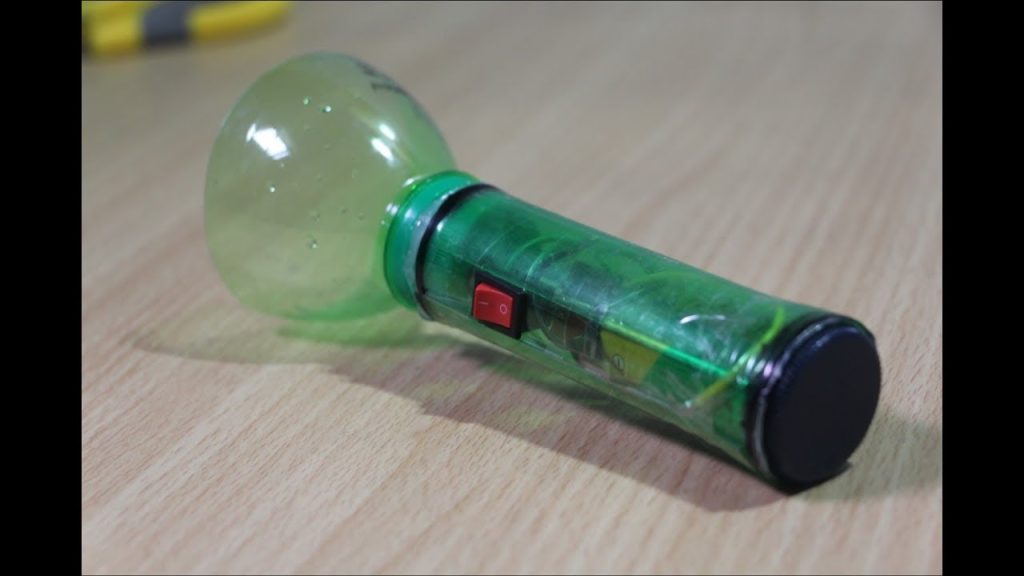
Engaging in sustainable DIY art is an effective way to reduce waste while enhancing personal spaces and public areas. Such projects spark a dialogue about consumption and sustainability, encouraging individuals to think critically about their roles in the lifecycle of products. As we immerse ourselves in the inspiring world where art meets environmental stewardship, we invite you to explore the transformative power of reuse and reinvention in your own creative journey. Together, we can turn trash into treasure and inspire others to adopt innovative recycling practices that benefit our planet.
DIVE DEEPER: Click here to uncover the connections
Reviving Potential: The Artistic Alchemy of Everyday Items
The fusion of art and recyclables not only rejuvenates materials but also revitalizes communities in the United States. As individuals embrace sustainable DIY projects, their creative expressions become a means of raising awareness on environmental issues and encouraging responsible consumption. By transforming materials, we can combat the throwaway culture that plagues our society. Here are several recyclable materials that can be converted into captivating artworks:
- Cardboard: An easily accessible material, cardboard can be molded into elaborate structures, including functional furniture and decorative sculptures. With creativity and a few simple tools, old boxes can evolve into anything from whimsical animal figurines to intricate wall art.
- Fabric scraps: These remnants from sewing projects can be repurposed into beautiful quilts, wall hangings, or woven baskets. Upcycling fabric not only conserves resources but also breathes new life into forgotten textiles, making them functional and aesthetically pleasing.
- Metal cans: Instead of throwing away used tin cans, individuals can cut, paint, and embellish them to create striking garden planters or decorative lanterns. The durability of metal offers endless decorative possibilities while providing valuable lessons in reusing materials.
- Old electronics: Discarded electronic devices, such as keyboards and circuit boards, can be transformed into innovative art pieces. Artists are finding inspiration in the visual complexity of technology, crafting sculptures that reflect our modern world’s dependence on gadgets.
At art fairs, college campuses, and community centers, workshops abound, teaching techniques to revive these materials into artful expressions. Participants come together to share ideas, fostering a vibrant culture of sustainability. Not only are these workshops enjoyable, but they also empower individuals with the skills to tackle environmental concerns through creativity.
Art has an inherent power to make abstract problems like pollution and waste tangible. For instance, projects like the Trash for Teaching initiative based in California highlight how educators are creatively engaging students in sustainable practices while inspiring them to think outside the box. Through hands-on activities, children can connect with the materials they encounter daily and learn about their environmental impacts in a playful and engaging manner.
Moreover, art emerges as a catalyst for discussion. Pieces made from recycled items often encourage observers to consider their consumption habits and the lifecycle of products. The visual impact of art serves as a reminder that our choices matter—each piece crafted from waste carries a narrative that resonates with onlookers, inviting them to reflect and act.
As we explore the world of recycling through creativity, it’s essential to recognize that the journey towards sustainability is an ongoing process. By participating in these artistic endeavors, individuals not only contribute to reducing landfill waste but also help cultivate a culture of environmental responsibility and innovation. In the following sections, we will delve deeper into specific projects and techniques that illustrate how anyone can become an artist in their own right, creating a tangible impact through responsible and imaginative use of materials that would otherwise be forgotten.
Transforming Recyclable Materials into Art: Sustainable DIY Projects
The movement towards sustainability is gaining traction, and what better way to contribute than by turning your *waste* into *wonder*? DIY projects that focus on recycling materials not only help reduce landfill waste but also promote creativity and innovation. Engaging in these projects can be an enriching experience, providing opportunities to explore art forms while making a positive environmental impact. Let’s delve deeper into the numerous advantages of transforming recyclable materials into art through a well-structured table highlighting compelling categories and benefits.
| Category | Benefits |
|---|---|
| Creative Expression | Allows unique and personalized artistic creations. |
| Environmental Impact | Reduces waste and lowers carbon footprint through recycling. |
| Cost-Effectiveness | Utilizes everyday trash, making art projects affordable. |
| Community Engagement | Encourages collaboration and sharing of resources. |
These aspects of sustainable DIY art projects not only enhance individual creativity, but they also foster a collective mindset that values sustainability and community. By participating in the transformation of recyclable materials, individuals can drive change while celebrating artistic expression. With a plethora of resources and ideas available online, embarking on this journey can be both enlightening and enjoyable. Embrace the challenge of turning the unutilized into masterpieces and watch as your creativity blossoms through sustainability.
DIVE DEEPER: Click here to learn more about sustainable crafting choices
Crafting Community and Consciousness Through Recycled Art
Beyond individual creativity, transforming recyclable materials into art serves to unite communities and foster a collective consciousness towards sustainability. Local galleries and exhibitions dedicated to showcasing artwork made from salvaged items not only provide a platform for artists but also spark vital conversations regarding the ethics of consumption and waste. These events create a space where people can connect over shared values, inspiring ideas and projects that reach beyond the art world.
One striking example is the Recycled Art Project in Portland, Oregon. This community initiative invites artists and residents to collaborate on large-scale installations made entirely from discarded materials. Pieces created often serve as public art, installed in parks or community spaces, becoming a source of pride and awareness among locals. The project not only beautifies neighborhoods but also transforms the way people perceive waste, igniting a desire to be more conscious stewards of the environment.
- Plastic waste: Plastic bottles and caps, often seen as detrimental to the environment, can be repurposed into colorful mosaics or sculptures. Many artists have pioneered approaches that engage the public, inviting them to contribute their own recycled materials to collective artworks, which raises awareness about plastic pollution.
- Glass jars: The humble glass jar is another versatile item ripe for artistic reinvention. Artists have crafted lamps, terrariums, and even pointillist-style paintings using shards of colored glass. Workshops across the nation teach participants how to safely cut and decorate glass, emphasizing the importance of keeping glass out of landfills.
As we strive to reduce our ecological footprint, DIY upcycling projects inspire practical engagement. The internet is overflowing with resources—YouTube tutorials, Pinterest boards, and dedicated blogs—teaching individuals how to transform everyday waste into art with minimal investment. Platforms such as Instructables provide step-by-step guides, encouraging art enthusiasts and novices alike to embrace this sustainable practice.
Furthermore, events such as the Trash Fashion Show foster creativity while promoting sustainability. Designers and participants collaborate to create stunning outfits entirely from recyclable materials, showcasing innovation while addressing the fashion industry’s waste crisis. These shows not only entertain but educate audiences about the possibilities inherent in repurposing materials, pushing the boundaries of what art can be.
The environmental impact of transforming recyclables into art cannot be overstated. A study by the Environmental Protection Agency (EPA) suggests that arts programs focusing on recycling can lead to significant reductions in waste, as they encourage communities to rethink their discard habits. Engaging with art made from waste not only prompts local dialogue about sustainability but also advocates for a culture of reuse that extends into daily life.
While the act of creating art from recyclable materials is rewarding in itself, it also plays a crucial role in shaping a sustainable future. Artists who take up the mantle of advocacy through their work amplify the message that creativity and responsibility can coexist. By participating in these transformative art projects, people find themselves at the forefront of change—turning discarded items into conversation starters and, ultimately, beacons of hope for an environmentally conscious society.
DISCOVER: Click here to dive into career paths in the performing arts
Embracing Creativity for a Sustainable Future
In conclusion, transforming recyclable materials into art is not only a profound expression of creativity but also a vital step towards a sustainable future. Through various community initiatives and art projects, individuals are not only repurposing waste but also reshaping perceptions about consumption and environmental responsibility. Local efforts like the Recycled Art Project in Portland serve as powerful reminders of how art can bridge gaps within communities, fostering a deeper understanding of waste management and sustainability.
The potential of DIY upcycling projects underscores the ability for anyone to contribute to environmental stewardship through creativity. Resources available online enable people of all skill levels to engage in this artistic movement, turning the ordinary into the extraordinary. As shown by impactful events such as the Trash Fashion Show, collaborating to create stunning works from recyclable materials not only showcases imagination but also communicates urgent messages about environmental issues.
Moreover, the statistics from organizations like the Environmental Protection Agency (EPA) illustrate the effectiveness of art in catalyzing community engagement in sustainability. By participating in these transformative efforts, individuals help establish a culture of reuse that goes beyond artistic expression, influencing daily habits and instilling a sense of responsibility towards our planet. The journey of turning discarded items into inspiring art is a collective call to action; one that invites communities to join in the movement towards a more sustainable and aesthetically rich world.