Transforming Recycled Materials into Art: Creativity without Limits
Reimagining Waste: Artistic Innovations
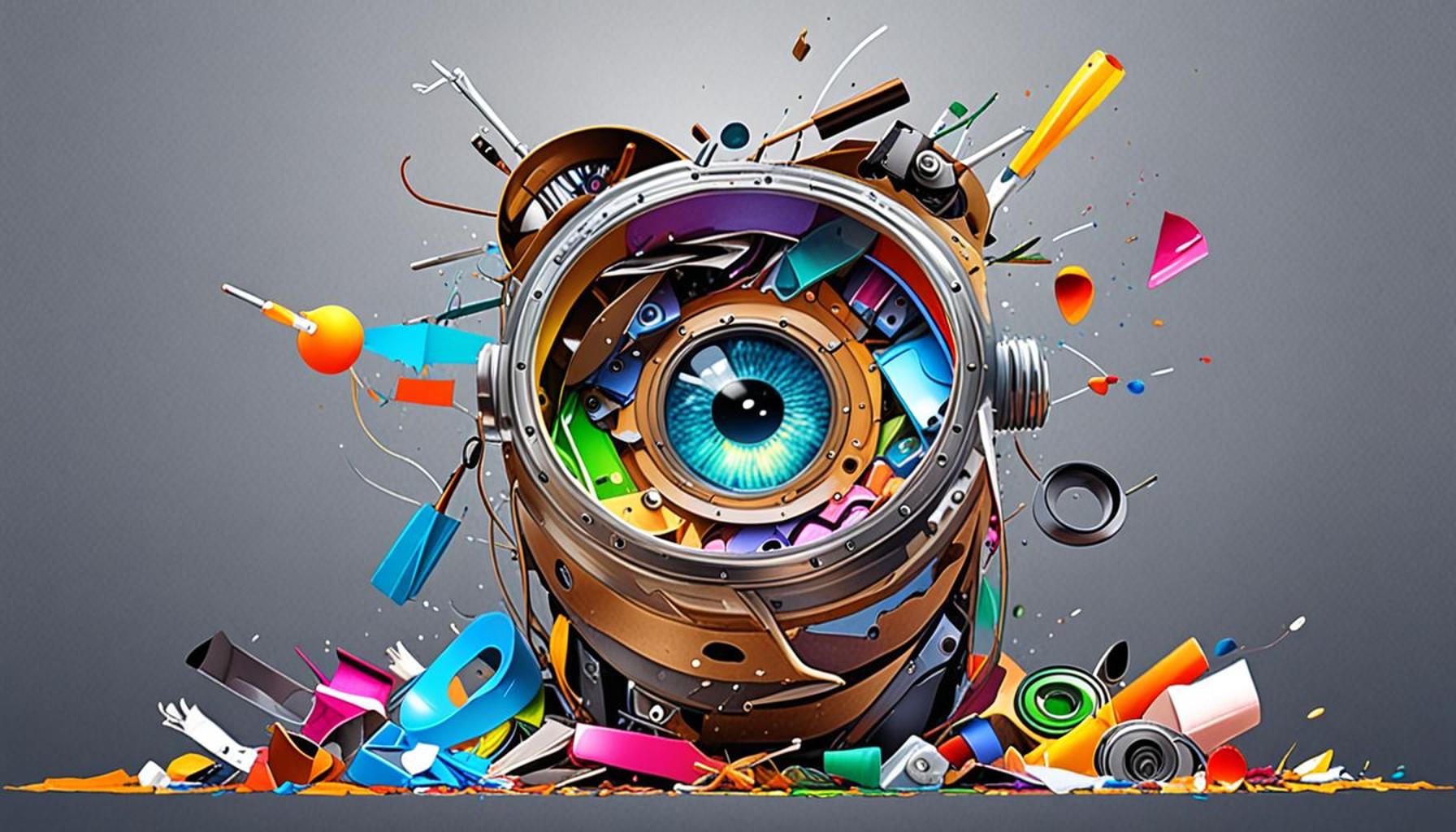
Every year, millions of tons of waste end up in landfills, yet artists across the United States are redefining this narrative. They are not only raising awareness about environmental issues but also pushing the boundaries of creativity by transforming recycled materials into captivating art. These transformations serve not only as visually engaging experiences but as poignant reminders of the impact of consumerism on our environment.
Consider how ordinary items, often overlooked, can be given new life through artistic ingenuity. The creative process behind these works not only showcases immense talent but also stresses the significance of sustainability. Here are a few compelling examples of this phenomenon:
- Plastic bottles have become media for intricate sculptures that reflect both beauty and the pressing concerns of pollution. For instance, artist Aurora Robson collects discarded plastics and creates expansive installations that mimic the natural world, inspiring viewers to rethink their relationship with plastic waste.
- Old newspapers are being woven into stunning tapestries by artists like Elinor Carucci, who transform pages from long-forgotten articles into vivid collages that tell new stories and provoke thought about the information we consume.
- Wooden pallets can be repurposed into functional furniture, demonstrating that discarded materials can retain value. Artisans across the U.S. have embraced this trend, crafting everything from rustic coffee tables to innovative seating arrangements, merging practicality with artistry.
The mesmerizing world of recycled art showcases that creativity truly has no limits. These artists emphasize the importance of sustainability while encouraging viewers to see beauty in the discarded. By integrating environmental consciousness into their work, they challenge societal norms and invite audiences to explore innovative solutions that can be implemented in their own lives.
For instance, Philadelphia’s Magic Gardens features large-scale mosaics made entirely from recycled glass and ceramic tiles, turning waste into vibrant public art. This not only beautifies the urban landscape but also fosters a sense of community and environmental stewardship. Meanwhile, artists like Chris Jordon create thought-provoking pieces that directly engage with the scale of waste generated in the modern world, offering insights through compelling visual narratives.
As we delve deeper into this subject, we’ll uncover inspiring stories and techniques that highlight how a simple change in perspective can lead to extraordinary outcomes. The intersection of art and environmental advocacy is more than an aesthetic trend; it is a clarion call for innovation and responsibility in how we view and handle waste. By engaging with these artists and their works, we can cultivate a deeper understanding of the potential that lies in what we often consider disposable.
EXPLORE MORE: Click here for the latest trends
Innovative Techniques and Remarkable Projects
The realm of recycled art is brimming with innovation, as artists implement a variety of techniques to breathe new life into what society often discards. The sheer versatility of recycled materials opens up uncharted territories of creativity. Artists are merging traditional skills with contemporary practices, forging a path that allows them to express deep environmental messages through their work. By employing methods such as repurposing, assemblage, and collage, these creators not only craft visually striking pieces but also engage viewers in meaningful conversations about sustainability and waste reduction.
Many artists have turned their attention to plastic waste as a critical medium for their creations. The use of recycled plastics has become a hallmark of this movement, exemplified by installations like those of renowned artist and activist, Angela Haseltine Pozzi. Through her organization, Washed Ashore, she creates large-scale sculptures resembling marine life using thousands of pieces of ocean plastic. Her work highlights the destructive impact of plastic pollution on aquatic ecosystems, stirring emotional responses that inspire action beyond art. The combination of awareness and artistry emerges as a powerful force for change.
Moreover, artists are not limited to environmental themes, as the transformation of materials often leads to unique storytelling opportunities. Consider the work of Mateo Romero, who utilizes reclaimed wood from abandoned buildings to create intricate and culturally resonant sculptures. Each piece encapsulates memories of the past, telling stories that extend beyond mere aesthetics and delve into the rich history of the materials themselves. This layering of meaning enhances the connection viewers feel towards the artwork, seamlessly intertwining the concepts of heritage and sustainability.
Some notable techniques in the world of recycled art include:
- Collage: Artists blend disparate materials together to create a cohesive artwork, often combining paper, fabric, and found objects. This process can completely transform the original purpose of the sourced materials.
- Assemblage: This three-dimensional technique involves gathering and combining found objects into a unified piece, allowing artists to explore spatiality while promoting the idea of reuse.
- Upcycling: Rather than simply recycling, upcycling elevates discarded items to a new level of value. For instance, an old bicycle may be repurposed into a garden planter, demonstrating functionality while preserving artistic integrity.
The continual evolution of techniques within recycled art not only showcases the limitless creativity inherent in these projects but also emphasizes the artist’s role in advocating for sustainability. By transforming commonplace materials into thought-provoking art, these creators encourage audiences to reflect on their consumption patterns and to consider the potential for profound change in their own lives. This artistic revolution is more than a trend; it is a movement that champions both creativity and environmental responsibility.
| Advantage | Details |
|---|---|
| Environmental Sustainability | Using recycled materials reduces waste and promotes eco-friendly practices. |
| Inspiration for Innovation | Transforming discarded objects into artwork ignites creative thinking and new possibilities. |
| Community Engagement | Collaborative art projects create connections among artists and communities. |
| Economic Opportunities | Recycled art can lead to marketable products and workshops, providing income for artists. |
The art of transforming recycled materials into captivating creations is not only a testament to human ingenuity but also serves as a powerful catalyst for change. By embracing environmental sustainability, artists tap into the potential of what would otherwise be discarded, promoting a greener planet with each piece crafted. Furthermore, the realm of recycled art fosters innovation and inspiration, encouraging individuals to challenge conventional aesthetics and think outside the box.Community-driven initiatives highlight the collaborative spirit inherent in this artistic movement, allowing for unique interactions and shared experiences that transcend social barriers. Moreover, the economic benefits of this form of artistic expression cannot be overlooked. By embracing recycled materials, artists create marketable products and educational workshops, ultimately leading to financial empowerment and the proliferation of eco-consciousness in the economy.Through exploration and creative transformation, the theme of “Transforming Recycled Materials into Art: Creativity without Limits” invites individuals to rethink, reimagine, and reshape the world around them. Embedded in this artistic journey, there lies an endless well of potential waiting to be discovered by enthusiasts, consumers, and artists alike.
DISCOVER MORE: Click here to learn about the power of improvisation
Community Impact and the Future of Recycled Art
The influence of recycled art extends beyond individual artistic endeavors; it has the potential to foster community engagement and drive collective environmental consciousness. Many artists actively collaborate with local organizations, schools, and community groups to promote the importance of recycling and sustainability through hands-on workshops and collaborative projects. These initiatives not only empower participants to explore their creativity but also instill a greater appreciation for the environment and a sense of shared responsibility.
For instance, organizations like Art from Scrap in Santa Barbara, California, have created a vibrant platform for the community to engage in recycled art. They offer workshops that teach participants how to create art from what may otherwise be considered trash, turning waste into wonder. These programs spark creativity while also educating participants about the impact of waste and the importance of resourcefulness. By involving the community, recycled art becomes a vehicle for change, transforming perspectives on consumption, waste, and the potential for art to inspire action.
Furthermore, the rise of digital media has given artists new opportunities to reach wider audiences with their recycled art projects. Social media platforms, like Instagram and TikTok, allow artists to showcase their innovative work and engage potential fans in the conversation about sustainability. With hashtags like #RecycledArt and #UpcycledArt, these creators can share their processes, techniques, and personal stories, thus forming a virtual community of like-minded individuals passionate about environmental art. This accessibility not only broadens the reach of recycled art but also encourages dialogue around sustainable practices among diverse audiences.
In addition to community outreach and digital platforms, it’s essential to recognize the economic potential of recycled art. As interest in sustainability continues to grow, so too does the market for eco-friendly products, including art made from recycled materials. Artists who can effectively market their creations often find themselves at the forefront of a green economy that values creative reuse. For example, some artists have successfully launched businesses centered on selling their recycled art or even creating commissions for commercial entities looking for eco-conscious decor. This intersection of art and business demonstrates that creativity can indeed yield financial rewards while promoting sustainability.
The future of recycled art lies not only in its ability to captivate viewers through compelling visual narratives but also in its power to mobilize communities toward environmental action. Artists are continuously pushing the boundaries of their work, experimenting with new materials and techniques while drawing attention to critical issues affecting our planet. From large-scale installations in public spaces to intimate home decor pieces, recycled art is evolving, reflecting shifting societal values and encouraging greater environmental accountability.
As the art world embraces this movement, it invites us all to reconsider our relationship with materials and the environment. By acknowledging the potential for beauty and purpose found within discarded items, recycled art embodies a transformative vision that is creative, innovative, and ultimately necessary in a world striving for sustainability. The implications of this artistic revolution resonate deeply, urging individuals to rethink their consumption habits and advocating for a more sustainable and artistic future.
DIVE DEEPER: Click here to discover sustainable cooking techniques
Conclusion: The Canvas of Consciousness
In a world increasingly aware of the environmental challenges we face, transforming recycled materials into art offers not just a creative outlet, but also a powerful statement on sustainability. The journey from discarded items to artistic masterpieces illustrates that creativity knows no bounds, and through this lens, we truly begin to see the potential within our waste. As artists harness materials that would otherwise contribute to landfill overflow, they lead a movement that redefines value and purpose, challenging our very notions of consumption and permanence.
The impact of this artistic revolution is profound—it begins with the individual artist and radiates outward, inspiring communities to forge connections with both each other and the environment. Programs like Art from Scrap demonstrate that engaging the community can spark interest, promote eco-conscious behavior, and ignite discussions around sustainable practices. With the digital sphere amplifying these messages, artists are no longer confined to local audiences, but are connecting with global networks, making art a catalyst for worldwide change.
As we gaze into the future, the economic opportunities surrounding recycled art are promising. The intersection of creativity and commerce emphasizes that eco-friendly products are not just a trend but a vital component of modern economies. This new understanding encourages individuals and businesses alike to rethink their approach to resource management and to see discarded materials as sources of inspiration rather than waste.
In essence, the movement of recycled art invites us all to reflect on our relationship with our planet and encourages a collective shift toward creativity that honors the earth. As we nurture this vibrant culture, we pave the way for future generations to explore their own creative possibilities while being mindful stewards of the environment. Thus, when art and sustainability intertwine, they evoke a vision of a world where every material, no matter how seemingly insignificant, has the capacity to tell a story of rebirth and creativity without limits.