Trends in Sustainable Beauty: The Growth of Natural Ingredients in the Skincare Industry
Exploring the Rise of Natural Ingredients in Skincare
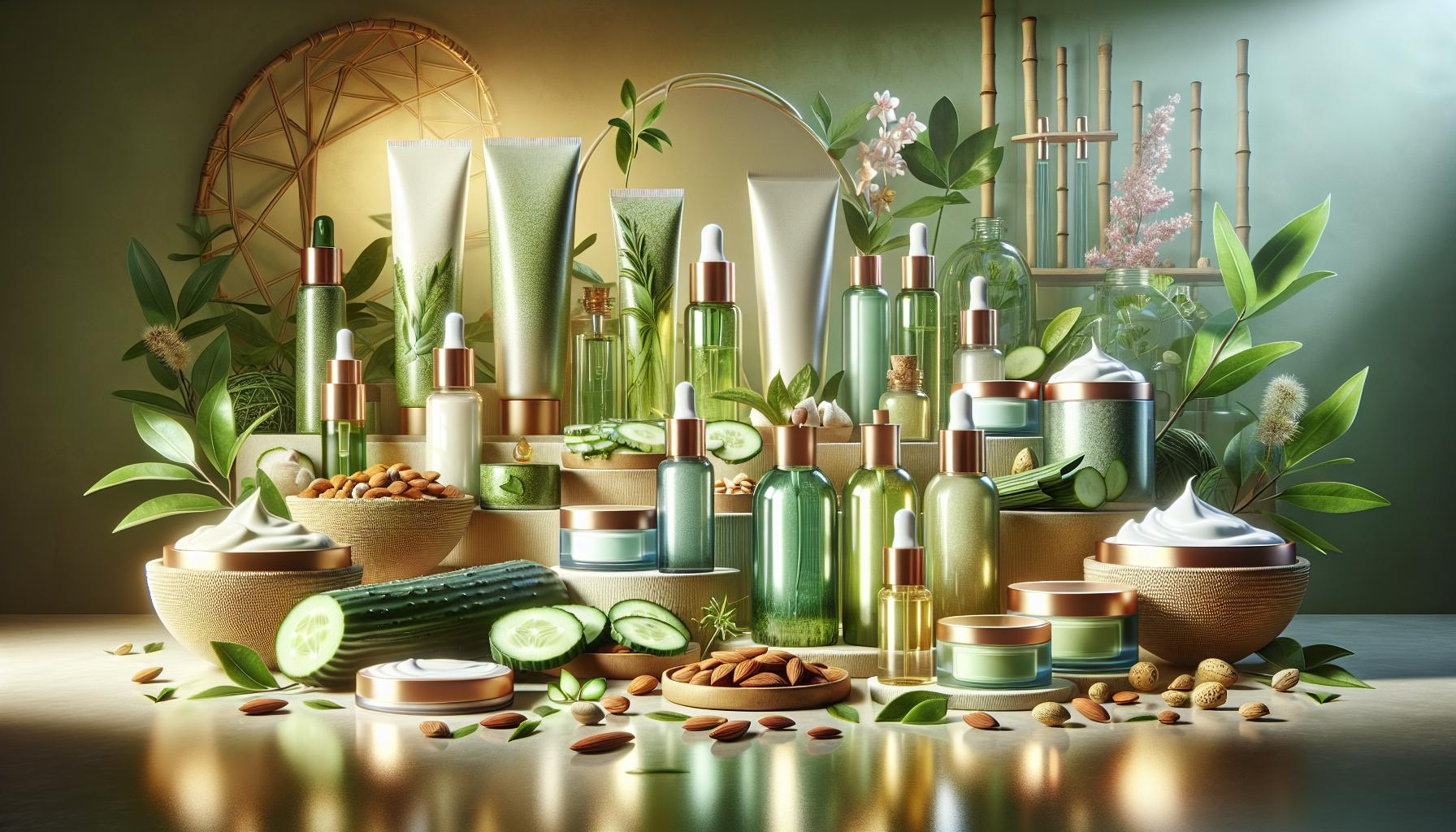
The beauty industry is undergoing a significant transformation, driven by a growing demand for sustainable and eco-friendly products. Consumers are becoming increasingly aware of the impact their choices have on both their skin and the environment. This heightened consciousness has led to a remarkable shift in the types of products people choose to purchase, aligning their beauty routines with their values.
Several key factors are fueling this shift:
- Health Consciousness: Today’s consumers prioritize natural ingredients over synthetic ones, driven by a desire for formulations that are gentle and safe. For instance, many individuals are opting for products devoid of parabens, sulfates, and artificial fragrances, believing that entire chemical-free regimens contribute to better skin health. Awareness of allergens and harsh substances in conventional skincare has become prevalent, resulting in an inclination towards brands that utilize plant-based formulations.
- Environmental Awareness: With climate change and pollution at the forefront of social consciousness, consumers are increasingly looking to reduce their environmental footprint. This desire directly influences purchasing decisions, encouraging brands to adopt sustainable packaging and sourcing practices. For example, companies like Lush are known for their commitment to naked products—packaging-free offerings that prioritize sustainability without sacrificing quality.
- Transparency in Ingredients: In an era where consumers demand better accountability, brands have made strides in providing clear information about ingredient sourcing and production processes. With the rise of social media, consumers can easily access background information, reviews, and even the ethical standards of beauty brands. This level of transparency fosters trust and loyalty, encouraging consumers seeking brands that align with their values.
Major players in the skincare industry are responding to this trend with innovative and effective products. Popular natural ingredients include:
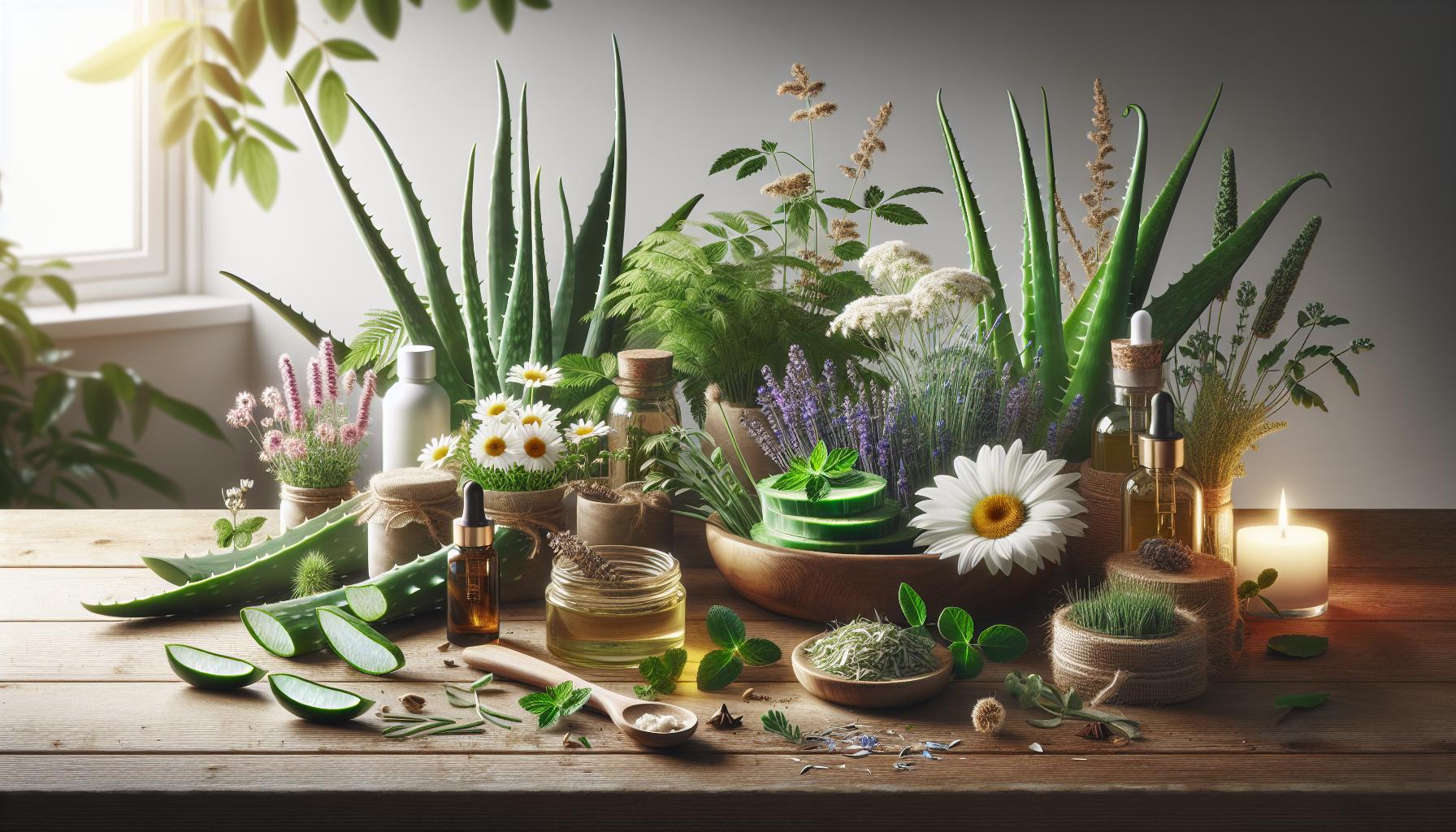
- Botanical Extracts: Ingredients such as aloe vera and chamomile are lauded for their soothing properties. Aloe vera, in particular, is celebrated for its hydrating and healing effects, making it a prime choice for those with sensitive or sunburned skin.
- Essential Oils: These potent oils offer therapeutic benefits alongside delightful aromas. Lavender essential oil, renowned for its calming effects, is often used in nighttime skincare routines to promote relaxation.
- Organic Oils: Oils like jojoba and argan oil have gained popularity for their moisturizing capabilities. Jojoba oil closely resembles human sebum, making it an ideal choice for various skin types, while argan oil is rich in fatty acids and antioxidants, making it a powerful ally against aging.
As this movement grows, the future of the beauty industry appears to favor those embracing natural elements. The push for sustainability is also reflected in the flourishing market for organic and cruelty-free certifications, providing consumers with additional indicators for their purchasing choices. Understanding these dynamic trends is essential for consumers aiming to make informed decisions in their beauty routines.
In conclusion, the transition towards natural ingredients in skincare is not merely a passing trend; it is a comprehensive shift that encapsulates health, environmental consciousness, and transparency. Brands that effectively incorporate these elements into their products are likely to flourish, offering consumers the peace of mind that comes with making conscientious choices. As the landscape of beauty products continues to evolve, staying informed will empower individuals to curate a skincare routine that aligns with their values and enhances their overall wellness.

DISCOVER MORE: Click here to enhance your skincare knowledge
The Influence of Natural Ingredients on Consumer Choices
As the demand for sustainable beauty continues to rise, natural ingredients have taken center stage in the skincare industry. This shift is not just about aesthetics; it’s a movement connecting the desires for both physical and environmental well-being. Consumers are more educated than ever, actively seeking products that do more than simply provide beautiful skin—they want solutions that are holistic and eco-conscious.
At the heart of this trend is a notable rise in the effectiveness and diversity of natural skincare ingredients. Industry analysts report that products containing these ingredients have seen upwards of a 30% increase in sales over the past few years. Particularly popular are formulations enriched with superfoods—plant-based ingredients known for their high nutritional values. For instance, adaptogens like ashwagandha and reishi mushroom have made their way into skincare lines, praised for their antioxidant properties that help combat the signs of aging and stress.
Additionally, the trend is not limited to high-end brands; drugstore lines are also becoming increasingly infiltrated with natural elements, reflecting a broader market reach. Brands such as Cetaphil and Neutrogena have introduced products infused with ingredients like green tea and coconut oil, catering to the mass market’s desire for more health-conscious beauty solutions. This democratization of natural skincare ensures that consumers from all walks of life can choose wisely without breaking their budget.
One of the most compelling aspects of utilizing natural ingredients is their inherent multi-functionality. Ingredients that claim to offer hydration and anti-aging benefits often overlap. For instance:
- Hyaluronic Acid: Naturally occurring in the body, this ingredient boasts an impressive ability to retain moisture—up to 1,000 times its weight in water—making it essential for maintaining skin elasticity.
- Vitamin C: Extracted from various fruits, this powerful antioxidant helps brighten skin tone while also offering protection against sun damage and pollution.
- Shea Butter: Derived from the nuts of the shea tree, shea butter is celebrated for its intense moisturizing properties, ideal for combating dry skin and promoting a smoother complexion.
As consumers continue to prioritize clean beauty, brands that are committed to sustainability and transparency are emerging as clear favorites. Recent surveys indicate that approximately 70% of U.S. consumers prefer brands that openly communicate their ingredient sourcing and production methods. This heightened demand for transparency is encouraging companies to share stories behind their ingredients, thereby enhancing consumer trust and brand loyalty.
Moreover, the growth of clean beauty extends beyond ingredient transparency; sustainable business practices are also coming to the forefront. Brands that utilize eco-friendly packaging, such as biodegradable or recyclable materials, are increasingly making headlines. This holistic commitment to sustainability resonates with a consumer base that is not merely interested in skincare efficacy but also in the ethical implications of their purchases.
In conclusion, the dynamics shaping the skincare industry underscore a significant movement towards natural ingredients. With an increasing range of options available to consumers and a steadfast desire for products that reflect personal and environmental values, brands that align with these principles are poised to thrive in a competitive market. As this trend continues to evolve, staying informed about the latest developments will empower consumers to navigate their skincare choices in a meaningful way.
Natural Ingredients Driving the Skincare Revolution
The demand for sustainable beauty has surged in recent years, largely due to a growing awareness of environmental issues and a shift in consumer preferences towards products that are both effective and eco-friendly. One of the most significant trends within this movement is the rising use of natural ingredients in the skincare industry, which are touted for their skin benefits and lower environmental impact.
Consumer Awareness and Ingredient Transparency
Today’s consumers are more informed than ever, seeking transparency regarding product formulations. They prefer brands that openly share the origins and extraction methods of their ingredients. This focus on transparency has prompted many brands to highlight the use of plant-based extracts and essential oils as key components in their products, appealing to those looking for non-toxic skincare alternatives. In fact, the global natural skincare market is anticipated to reach USD 22 billion by 2024, as reported by various market research studies.
The Benefits of Natural Ingredients
Natural ingredients are often praised for their potent benefits, such as anti-inflammatory properties and skin nutrition. Ingredients like aloe vera, jojoba oil, and green tea not only provide hydration and nourishment but also help reduce the signs of aging. Furthermore, these natural alternatives are typically derived from sustainable sources, minimizing the carbon footprint associated with their production.
Innovations and Trends in Natural Skincare Products
The skincare industry is witnessing innovative formulations that combine traditional knowledge with modern science. Brands are increasingly investing in research to discover new, effective botanical extracts and sustainable harvesting methods. This shift towards research-driven formulations empowers consumers to achieve their skincare goals while supporting environmentally responsible practices, such as recycling packaging and using biodegradable ingredients.To explore these topics further, readers may find it insightful to look into specific case studies of brands leading the charge in this arena, illustrating how sustainability and beauty can coexist harmoniously.
Dive deeper: Click here to learn more
The Role of Innovative Technology in Natural Skincare
While the appeal of natural ingredients in skincare is clear, advancements in technology are playing a crucial role in enhancing their efficacy and appeal. The fusion of science and nature has led to the creation of innovative products that effectively address skincare concerns without compromising on safety or sustainability. For instance, the use of biotechnology is revolutionizing the cultivation and extraction of natural ingredients, resulting in formulations that possess high potency and increased sustainability.
One notable advancement is in the extraction processes used to obtain compounds from plants. Traditional methods often rely on harsh chemicals or extensive energy consumption, but newer techniques like cold extraction and supercritical CO2 extraction are altering the landscape. These methods preserve the integrity of naturally occurring compounds while minimizing environmental impact. Companies harnessing these technologies can provide more effective products with a smaller carbon footprint, appealing to the eco-conscious consumer.
Furthermore, personalization is rapidly emerging as a significant theme in the skincare sector. The rise of regular skin assessments through technology, such as at-home diagnostic kits and apps that analyze skin type and conditions, allows brands to recommend customized regimens based on individual skin needs. Such customization often includes natural ingredients tailored to the user’s specific concerns, reinforcing the idea that clean beauty can be both personal and potent.
The trend towards sustainability is also reflected in brand transparency initiatives, with many companies embracing digital platforms to chronicle their supply chains. Brands like Herbivore Botanicals and True Botanicals are setting the bar high by openly sharing not only ingredient sources but also the environmental impact of their production processes. This transparency fosters consumer loyalty, allowing shoppers to engage more deeply with brands they trust.
Consumer preferences are influencing innovative formulations, propelling brands to explore new natural ingredient combinations. For example, the incorporation of probiotics into skincare products represents a burgeoning sector aimed at balancing the skin microbiome, an essential component for healthy skin. Probiotics like lactobacillus and bifidobacterium are being combined with traditional ingredients to enhance skin barrier function while supporting overall skin vitality. This interplay of ingredients is indicative of an industry eager to adapt and innovate while remaining rooted in a philosophy of sustainability.
The aesthetic aspects of packaging have not been overlooked either. As brands compete to make their products visually appealing, the push for sustainable materials has led to creative designs that utilize recycled or biodegradable packaging. Companies such as lotion Bar Cafe and Sundry report significant consumer interest in products that not only deliver results but also look good on display and leave a minimal environmental footprint. In fact, a recent consumer survey indicated that 41% of respondents consider packaging as an essential part of their purchasing decision when selecting skincare products.
In summary, the fusion of technology and sustainability is reshaping the natural skincare landscape. As consumers become more discerning about ingredient origins and the overall impact of their choices, brands that leverage innovation while upholding their commitment to natural and eco-friendly practices are likely to capture the attention—and loyalty—of a growing segment of the market. The future of natural skincare appears brighter than ever, fueled by a commitment to both efficacy and ethics that resonates with an increasingly conscious consumer base.
DISCOVER MORE: Click here to learn about the best anti-aging ingredients
Conclusion: A Sustainable Future in Beauty
The evolution of the skincare industry is rapidly aligning with the growing demand for sustainable beauty, as consumers make more informed choices about the products they use. The increased focus on natural ingredients not only caters to the desire for effective skincare solutions but also prioritizes environmental responsibility. As we have explored, the integration of innovative technology plays a pivotal role in enhancing the efficacy and sustainability of natural formulations, ensuring they meet consumer expectations without sacrificing ethical standards.
Moreover, the trend towards personalization further illustrates the industry’s commitment to understanding and addressing individual skin needs through customized regimens that incorporate safe and effective natural components. This bespoke approach marks a significant shift in how skincare is perceived and accessed, making it more relevant to the modern consumer.
Transparency in supply chains, along with the use of eco-friendly packaging, reveals the beauty industry’s response to consumer demands for accountability and sustainability. Brands that embrace these principles—such as Herbivore Botanicals and True Botanicals—not only foster trust but also cultivate a loyal customer base that prioritizes both performance and planet health.
In closing, the growth of natural ingredients in the skincare industry signifies a broader cultural shift towards sustainability within beauty practices. As these trends continue to flourish, they highlight a collective move toward a more conscious consumer culture that values efficacy, ethics, and environmental stewardship. For those interested in exploring the potentials of sustainable beauty, the journey is not just about skincare; it symbolizes a commitment to a healthier planet and a more informed approach to self-care.