
Unraveling Labyrinths: How Path Puzzles Help Alleviate Anxiety

The Growing Appeal of Path Puzzles
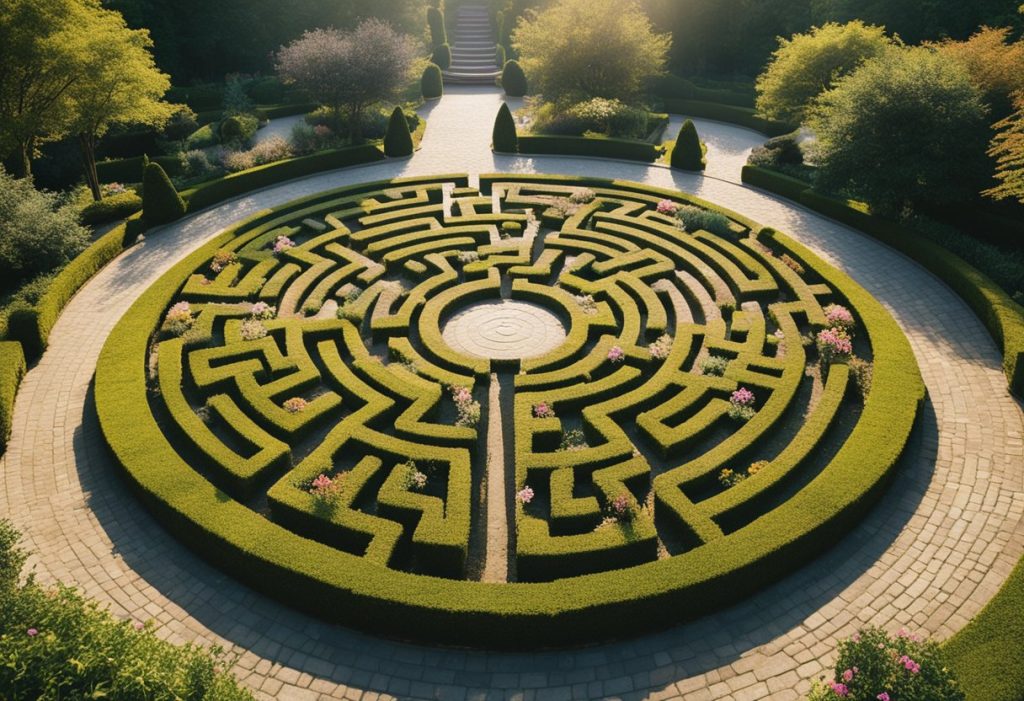
Anxiety affects millions of Americans, leading to a search for effective coping mechanisms. In recent years, path puzzles have emerged as a surprising ally in the fight against anxiety. These engaging activities allow individuals to escape the chaos of daily life through focused concentration. From simple paper mazes found in children’s activity books to complex digital labyrinths, these puzzles provide an avenue not just for fun but also for mental wellness.
What makes path puzzles unique? Here are a few key features:
- Mindfulness Practice: Navigating through paths requires significant concentration, which encourages present-moment awareness, thus reducing rumination. When individuals focus solely on the task at hand, they can leave behind the worries of the past and future.
- Problem-Solving Skills: Tackling challenges inherent in these puzzles boosts confidence and fosters a sense of accomplishment. This can be particularly empowering for those struggling with self-esteem issues often linked to anxiety.
- Creative Expression: Path puzzles come in various designs, from intricate Celtic knots to nature-inspired galleries, stimulating creativity. Engaging with these different styles not only makes the activity pleasurable but also offers a personalized escape that speaks to individual preferences.
Research suggests that engaging in such brain teasers can shift the mind’s focus from stressors to enjoyable challenges. According to a study conducted by the Anxiety and Depression Association of America, activities that promote mindfulness can significantly diminish anxiety symptoms and foster an overall sense of calm. When individuals immerse themselves in path puzzles, the act of focusing on the puzzle allows for a mental break from stressors, effectively serving as a form of meditation.
Moreover, regular participation in these puzzles can lead to a consistent practice of mindfulness and cognitive flexibility, skills crucial for managing stress effectively. Not only does this distraction help individuals cope with immediate anxiety, but it also teaches valuable skills for long-term stress management.
Curious about how these labyrinths can help with anxiety management? As we delve deeper into the intricate relationship between path puzzles and mental well-being, we unveil the hidden pathways to tranquility. By embracing these puzzles, individuals can unlock new strategies for navigating their anxiety, transforming a simple activity into a powerful tool for mental health. Whether you’re at home, at work, or on a break, incorporating path puzzles into your daily routine could pave the way to a calmer, more centered life.
DISCOVER MORE: Click here to dive deeper
Path Puzzles as a Mindful Escape
Path puzzles, with their intricate designs and engaging challenges, offer more than just entertainment. They serve as a mindful escape from the relentless pace of modern life, allowing individuals to immerse themselves in a world where their only task is to navigate toward a solution. This focused concentration activates the brain’s reward pathways, releasing feel-good neurotransmitters like dopamine. As a result, the simple act of solving a puzzle can lead to improved mood and a sharper, more peaceful mind.
The beauty of path puzzles lies in their versatility. Whether they are paper mazes found in magazines or sophisticated mobile apps featuring 3D labyrinths, there is a style to suit every preference and mood. This variety not only keeps users engaged but also enables them to adapt their puzzle-solving activities to their current emotional state. For example, a person feeling particularly anxious might gravitate toward simpler puzzles to find immediate solace, while someone looking for a challenge might tackle more complex designs.
Research supports the use of path puzzles in promoting mental wellness. A study published in the journal Psychology and Health found that engaging in cognitive activities like puzzle-solving can lead to lower levels of reported anxiety and improved emotional resilience. This suggests that the cognitive engagement involved in navigating mazes can effectively redirect negative thoughts and create a meditative experience.
Incorporating path puzzles into one’s routine can yield numerous benefits, such as:
- Reduced Stress Levels: The process of focusing on a puzzle diverts attention from life’s stressors, providing a brief mental respite.
- Enhanced Focus: Regular practice can improve concentration and cognitive function, skills that are often challenged by anxiety.
- Emotional Regulation: Successfully completing a puzzle can foster a sense of accomplishment, contributing to enhanced self-esteem and emotional stability.
Moreover, path puzzles are easily accessible and can be enjoyed alone or shared with others, making them a perfect activity for social gatherings or quiet evenings at home. This dual benefit of social interaction and solitary engagement adds another layer of appeal, allowing users to either connect with friends or find solitude in their puzzle-solving journey.
As we continue to explore the connection between path puzzles and anxiety alleviation, it becomes clear that these labyrinths of thought are more than mere pastimes; they are powerful tools for mental health. Embracing the practice of navigating these puzzles can lead to transformative experiences, helping individuals craft their own paths to tranquility amid life’s uncertainties.
Exploring the Psychological Benefits of Path Puzzles
As we dive deeper into the concept of path puzzles, it becomes clear how profoundly they can influence mental well-being. These intricately designed mazes do more than just challenge the mind; they serve as a form of therapy for those grappling with anxiety. Engaging with path puzzles can provide individuals with a much-needed escape from the stresses of daily life. Immersing oneself in a challenge not only diverts attention but also fosters a sense of achievement upon solving the puzzle.The cognitive benefits associated with solving puzzles are also noteworthy. Research has indicated that engaging with complex tasks stimulates brain function, enhancing memory and problem-solving skills. Anxiety often stems from overwhelming thoughts, and tackling a path puzzle provides structure and a clear goal, which can help restore a sense of control. Moreover, path puzzles encourage mindfulness—a state of being present in the moment that has garnered increasing attention in anxiety management. As solvers concentrate on navigating the maze, their racing thoughts begin to slow, offering a therapeutic respite. Mindfulness practices linked to anxiety reduction reveal how focusing on specific, constructive activities can shift one’s mental outlook.In essence, the intertwining of mental engagement and emotional relief in path puzzles makes them a unique tool for managing anxiety. Each twist and turn in the labyrinth symbolizes a journey towards clarity, providing both challenge and comfort to those seeking solace in their intricate paths. To further illustrate the advantages, let’s take a look at a table showcasing key benefits of path puzzles in tackling anxiety.
| Category | Details |
|---|---|
| Cognitive Engagement | Stimulates problem-solving and enhances memory. |
| Mindfulness Practice | Reduces racing thoughts by focusing on the present. |
This unique combination of cognitive and emotional benefits positions path puzzles as a powerful tool in anxiety alleviation. The more we understand their potential, the more we can utilize them effectively in our quest for peace and clarity in our lives.
DISCOVER MORE: Click here to uncover the benefits
The Therapeutic Benefits of Puzzle-Solving
The act of solving path puzzles transcends mere entertainment; it engages the mind in a therapeutic process that fosters emotional and psychological benefits. When individuals immerse themselves in the twisting pathways of these mazes, they unwittingly step into a realm of cognitive therapy. Studies indicate that engaging in activities like maze-solving can promote mindfulness—an effective practice used to combat anxiety disorders. Mindfulness encourages individuals to pay attention to the present moment without judgment, a mindset that aligns perfectly with the focus required in puzzle-solving.
By concentrating on navigating a maze, users can quiet the incessant chatter of their minds. This mental shift can mitigate overwhelming feelings of anxiety. In fact, a report from the American Psychological Association found that mindfulness practices, including the cognitive engagement found in puzzles, can decrease the production of cortisol, the stress hormone. This means that not only do path puzzles provide a distraction, but they may also bring about physiological changes that promote relaxation.
The social aspect of path puzzles also plays a significant role in their anxiety-relieving potential. Collaborative puzzle-solving can provide social support and foster connection, which is vital in a country where loneliness is becoming increasingly prevalent. According to the U.S. Loneliness Index, nearly half of American adults report feeling lonely, and engaging in group activities centered around puzzles can help combat this feeling. Social puzzle challenges such as timed competitions or shared solo sessions create opportunities for bonding and community building, which can allay feelings of isolation.
Different types of path puzzles can be tailored to address varying levels of anxiety. For those who experience mild stress, gentle mazes are a perfect retreat, allowing individuals to experience success without frustration. Conversely, those seeking a more immersive experience may find enrichment in larger, more complex puzzles that require strategic thinking and prolonged focus. Recent observations within puzzle communities have suggested that engaging with these intricate designs can facilitate the development of coping mechanisms for managing stress more effectively.
If you’re intrigued by the idea of using path puzzles to alleviate anxiety, the following practical steps can help integrate this mindful practice into daily life:
- Scheduled Puzzle Time: Set aside a specific time each day dedicated solely to puzzle-solving. This creates a routine that can evoke a sense of control and stability.
- Create a Puzzle Sanctuary: Designate a comfortable space free from distractions where you regularly complete puzzles. This can enhance relaxation and focus.
- Share the Experience: Invite friends or family to join you in solving puzzles. This can foster connections and make the process more enjoyable.
Moreover, technology has made these path puzzles more accessible than ever. Numerous apps and websites offer daily puzzles, allowing users to engage whenever they feel overwhelmed. The convenience of having a maze at one’s fingertips ensures that help is just a tap away, providing an on-demand strategy for coping with anxiety. With such resources readily available, the prospect of piecing together a labyrinth is no longer confined to the printed page but rather becomes a vital tool for mental well-being.
DIVE DEEPER: Click here to enhance your skills
Finding Serenity in a Twist of Paths
In conclusion, the intricate world of path puzzles offers much more than just a playful diversion; it serves as a powerful tool for mental wellness. By engaging in the process of maze-solving, individuals tap into a form of mindfulness that not only occupies the mind but also promotes emotional regulation and relaxation. As we have explored, the therapeutic benefits stem from both the cognitive engagement required to navigate complex mazes and the soothing effects of mindfulness practices that minimize anxiety.
The community aspect of puzzle-solving cannot be overstated, as it fosters connections that counteract feelings of isolation, a growing concern in today’s fast-paced society. Whether through group challenges or shared moments in puzzle-solving, these experiences enhance social bonds, proving to be essential in combating loneliness. Furthermore, as technology continues to advance, the accessibility of path puzzles through apps and websites means that strategies for anxiety relief are available at our fingertips, empowering individuals to embrace them whenever necessary.
As more people become aware of the potential benefits of path puzzles, it is crucial to explore their varying levels of complexity and how they can cater to individual needs. Those who incorporate this mindful practice into their daily routines may discover not just a way to alleviate anxiety, but a pathway to personal growth and resilience. With myriad options available, we invite you to take the first steps into these labyrinths, potentially uncovering a newfound serenity in their winding routes.