Unveiling the Psychology Behind Puzzles: Learning to Solve Challenges
The Allure and Benefits of Solving Puzzles
Puzzles have enthralled individuals throughout history, serving as both a source of entertainment and a method of cognitive engagement. From the ancient Egyptians who created intricate riddles to modern-day enthusiasts tackling complex Sudoku, the allure of unraveling a mystery captivates people of all ages. What makes this pursuit so universally appealing? The answers reveal much about our cognitive abilities and emotional needs.
Cognitive Benefits
- Critical Thinking: Engaging with puzzles nurtures our ability to analyze situations logically. For instance, when solving a logic puzzle, one develops the skill of deduction, essential not just in games but in everyday decision-making as well.
- Memory Enhancement: Puzzles like crosswords are particularly adept at boosting memory recall. Studies show that frequently solving these puzzles can help maintain cognitive functions, especially in aging populations.
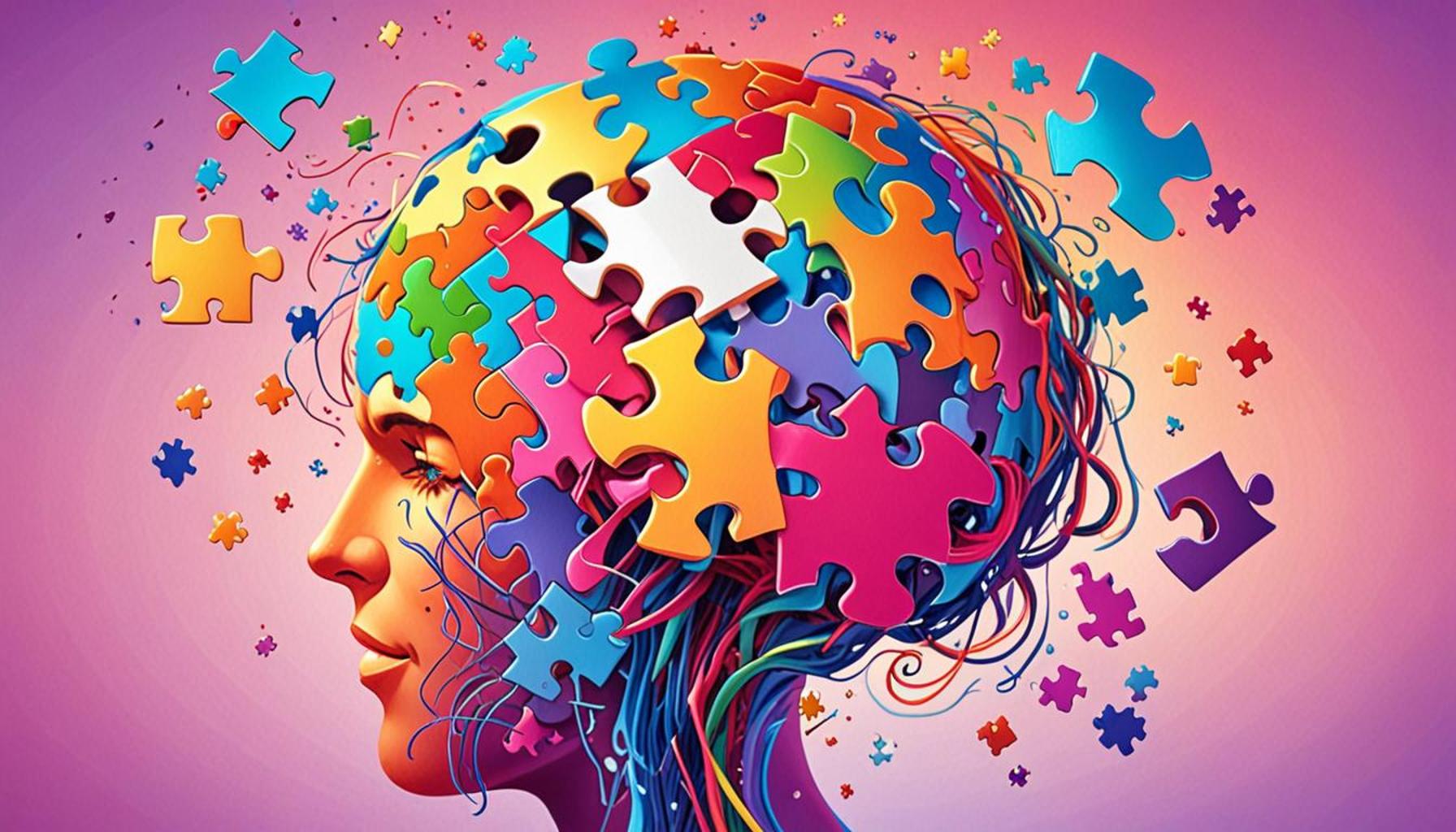
Moreover, immersing oneself in a challenging puzzle activates various regions of the brain, encouraging better mental agility. A 2019 study indicated that regular engagement with puzzles may even delay the onset of cognitive decline by enhancing synaptic connections, crucial for memory and learning.
Emotional Satisfaction
- Sense of Achievement: There’s an undeniable fulfillment that accompanies the completion of a puzzle, akin to crossing the finish line in a race. This accomplishment releases dopamine, the brain’s ‘feel-good’ chemical, fostering a boost in confidence and motivation.
For many, the joy of finishing a complicated jigsaw or a difficult crossword can be akin to solving a life problem, providing a moment of clarity amid daily chaos. This emotional reward reinforces the desire to tackle more challenges, creating a positive feedback loop that strengthens our problem-solving instincts.
Sociability and Collaboration
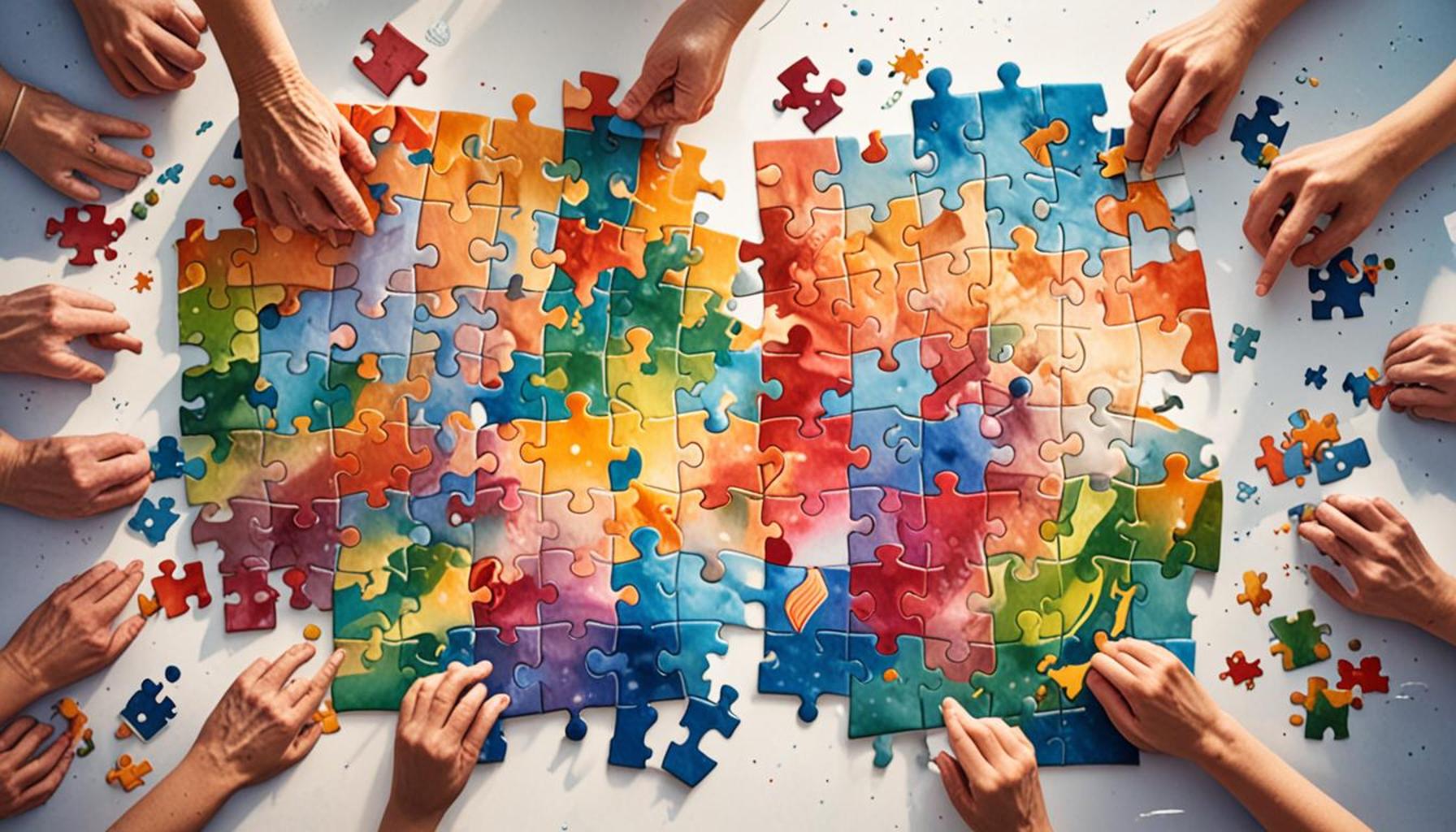
- Shared Experiences: Many puzzles, especially board games or team-based challenges, encourage collaboration. In a family setting, working together on a jigsaw puzzle can foster connections and create cherished memories.
For example, the popularity of escape rooms in cities across the United States illustrates how puzzles can create social bonds. Friends and family gather to solve clues, promoting teamwork while also providing endless fun. These collaborative experiences highlight how the act of puzzling can be both socially enriching and intellectually rewarding.
The Psychological Mechanics
Understanding why we engage with puzzles invites deeper explorations into our cognitive processes. Different types of puzzles stimulate distinct areas of the brain, enhancing various skills. For instance, logic puzzles sharpen reasoning abilities, while crossword puzzles enrich vocabulary and recall skills. Jigsaw puzzles cultivate spatial awareness and foster patience and perseverance in a world that often demands instant gratification.

With this knowledge, we gain a greater appreciation for puzzles—not just as entertainment but as vital tools that foster cognitive growth and emotional well-being. As we delve further into this intriguing subject, we may uncover valuable strategies for applying these lessons to overcome life’s challenges, making puzzles a rich terrain for both personal enjoyment and self-improvement.
DISCOVER MORE: Click here to enhance your problem-solving skills
Decoding the Puzzle Phenomenon: Cognitive and Emotional Insights
The psychology behind puzzles is multifaceted, representing a blend of cognitive dexterity, emotional satisfaction, and social interaction. As individuals engage with puzzles, they activate mental processes that go beyond mere entertainment. Cognitive engagement during puzzle-solving tasks equips individuals with critical tools requisite for myriad aspects of life, from professional scenarios to personal dilemmas. Within this realm of puzzles, we can observe a treasure trove of psychological principles that illuminate how we approach problem-solving.
The Role of Cognitive Dissonance
At the heart of puzzle-solving lies the concept of cognitive dissonance, which refers to the mental discomfort experienced when confronted with conflicting thoughts or beliefs. As players navigate the unknowns of a challenging puzzle, they are compelled to reassess their previous knowledge and strategies. This fixed discomfort can actually spur motivation, prompting a shift in perspective as they work towards finding solutions. Research indicates that encountering and resolving cognitive dissonance not only promotes deeper learning but also enhances creative thinking skills.
Problem-Solving Techniques
- Trial and Error: Many puzzles rely on a trial-and-error approach. This method, while sometimes frustrating, is crucial for developing persistence and resilience. Game designers intentionally incorporate levels of difficulty to reflect this natural learning process.
- Pattern Recognition: Identifying patterns is a crucial skill honed through puzzle engagement. Games like Sudoku require solvers to recognize numerical relationships, allowing them to fill in blanks systematically.
- Systematic Approaches: More complex puzzles often require solvers to employ systematic methodologies, mirroring real-world problem-solving in fields like mathematics and engineering.
The diversity of these problem-solving techniques reveals how puzzles can enhance cognitive flexibility—an essential trait that enables individuals to adapt their thinking according to evolving circumstances. This adaptability is particularly valuable in today’s fast-paced and often unpredictable environment.
Psychological Rewards: Motivation and Engagement
The inherent motivational aspects of puzzles cannot be overstated. As participants engage with increasingly complex challenges, they experience heightened levels of engagement due to the intrinsic rewards associated with problem-solving. Each success, no matter how small—like fitting a single jigsaw piece into place—fuels a sense of progress and achievement. This phenomenon aligns with established theories in psychology, such as the Self-Determination Theory, which posits that fulfilling our need for competence propels us to seek further challenges and growth.
Moreover, the notion of flow, as described by psychologist Mihaly Csikszentmihalyi, plays a pivotal role in the puzzle experience. When individuals immerse themselves in puzzles that are appropriately challenging, they often enter a state of flow—a mental state where they lose track of time and experience profound focus and joy.
In summary, the psychological appeal of puzzles extends beyond mere entertainment into the realms of cognitive engagement and emotional fulfillment. By examining the intricacies of our mental processes while solving puzzles, we unlock pathways for personal development and enhance our overall problem-solving abilities. Understanding these elements not only enriches our perception of puzzles but also aids us in tackling the broader challenges of life more effectively.
The mind’s engagement with puzzles is a fascinating exploration of human psychology and cognitive processes. Puzzles are not merely playful distractions; they act as complex challenges that stimulate critical thinking and problem-solving skills. Research indicates that solving puzzles enhances brain function by improving memory, attention span, and overall cognitive agility. This intriguing relationship between challenging tasks and psychological growth invites deeper examination into how overcoming these obstacles transforms our mental frameworks.
One of the most compelling aspects of puzzles is their ability to evoke a sense of accomplishment upon completion. This feeling is linked to the brain’s release of dopamine, a neurotransmitter associated with reward and pleasure. Each solved puzzle acts as a small victory that boosts self-esteem and encourages further intellectual exploration. Moreover, the act of puzzle-solving can serve as a powerful stress reliever, as it allows individuals to temporarily escape from everyday challenges and immerse themselves in a world of logic and strategy.
Additionally, puzzles foster social connections when tackled collaboratively. Engaging in shared problem-solving encourages teamwork and communication, fostering deeper relationships among participants. This collective engagement not only makes the experience more enjoyable but also enhances learning outcomes, as different perspectives may lead to novel strategies and solutions. Therefore, the psychology behind puzzles extends beyond individual cognitive enhancement; it also encompasses the social dynamics at play during group problem-solving activities.
| Category | Key Features |
|---|---|
| Cognitive Development | Enhances critical thinking and memory recall. |
| Emotional Reward | Promotes dopamine release for feelings of satisfaction. |
| Social Engagement | Encourages teamwork and communication in problem-solving. |
In essence, the interplay between puzzles, psychology, and social interaction paints a rich picture of how challenges can catalyze personal growth and collective bonding. As the popularity of puzzles continues to rise, so does their impact on our psychological well-being and social connectivity.
DIVE DEEPER: Click here to discover more
The Influence of Social Dynamics in Puzzle Solving
Puzzles not only challenge our individual cognitive abilities, but they also tap into the rich terrain of social dynamics that govern human interaction. Engaging with puzzles often leads to collaboration, communication, and, on occasion, competition—all of which significantly enhance the problem-solving experience.
Collaboration and Teamwork
The rise of cooperative puzzle-solving, whether in escape rooms or online multiplayer games, sheds light on the importance of team dynamics. When individuals work together to tackle challenging puzzles, they share diverse perspectives and combine their strengths. This collaborative effort can lead to innovative solutions that might not emerge in solitary endeavors. Research shows that groups can outperform individuals when it comes to problem-solving due to the pooling of knowledge and resources. In this context, puzzles become powerful instruments of teamwork that foster social bonds and enhance relational skills.
Competition and Social Comparison
On the flip side, competition also plays a critical role in the allure of puzzle-solving. Leaderboards in gaming or timed challenges reveal how social comparison drives motivation. The phenomenon known as social comparison theory posits that individuals determine their own social and personal worth based on how they stack up against others. This can be particularly evident in puzzle competitions, where participants are not only motivated to solve puzzles but also to outperform their peers. The thrill of competition can enhance the mental investment in solving puzzles, compelling individuals to refine their skills for better performance.
- Shared Experience: Whether in person or virtually, solving puzzles in a group can strengthen connections and provide a shared sense of accomplishment. This community aspect often makes the experience more enjoyable.
- Feedback Mechanisms: Collaborative puzzle-solving allows for real-time feedback, which can be instrumental in adjusting strategies and approaches. This iterative process can lead to faster and more effective problem resolution.
- Conflict Resolution: Working through differing opinions in a team setting not only hones problem-solving skills but also cultivates conflict resolution and negotiation skills.
The Role of Age and Experience
Your background, age, and experiences can dramatically influence how you approach and solve puzzles. For instance, according to studies conducted by the American Psychological Association, younger individuals tend to approach problems with a more flexible mindset, often relying on creative methods, while older, more experienced individuals may draw upon established strategies to navigate similar challenges. Understanding these nuances can enhance collaborative puzzle-solving efforts within diverse age groups.
Moreover, puzzles have proven to be a conduit for personal growth across the lifespan. Engaging with puzzles stimulates various cognitive processes that can maintain and even improve mental acuity as individuals age. Some research indicates that regular puzzle engagement can delay cognitive decline, making them a valuable tool for lifelong learning.
In essence, the interplay of cognitive, emotional, and social elements in puzzle engagement enriches the human experience, making solving challenges a profound journey of discovery and development. Understanding these psychological layers can lead us not only to be better puzzle solvers but also to apply these skills in a multitude of areas in our lives.
DISCOVER MORE: Click here to learn about cognitive benefits
Conclusion: The Transformative Power of Puzzles
The exploration of puzzles unveils a rich tapestry woven from cognitive, emotional, and social threads that highlight the complexities of human interaction and personal growth. As we have seen, engaging with puzzles allows individuals not only to challenge their minds but also to cultivate essential life skills. By embracing both collaboration and competition, puzzles foster teamwork, enhance communication, and encourage friendly rivalry, all of which are vital in today’s interconnected world.
Moreover, the influence of various factors, such as age and experience, indicates that our approaches to problem-solving are continuously shaped throughout our lives. This adaptability highlights the importance of lifelong learning, as consistent engagement with puzzles can lead to cognitive resilience and a delay in age-related decline. Thus, the benefits of puzzles extend far beyond entertainment; they serve as invaluable tools for personal development.
Ultimately, by understanding the psychology behind puzzles and the myriad of ways they enhance our cognitive processes, we can harness these insights to improve our problem-solving skills across diverse areas—be it in the workplace, academic settings, or personal challenges. As we delve deeper into the captivating world of puzzles, we unlock not only solutions but also greater dimensions of our potential. So, whether you prefer to tackle a crossword, jigsaw, or brain-teaser, remember that each challenge conquered is a step towards a more insightful and resourceful you.