The influence of diet on skin health and combating aging
The Intricate Connection Between What You Eat and Your Skin’s Health
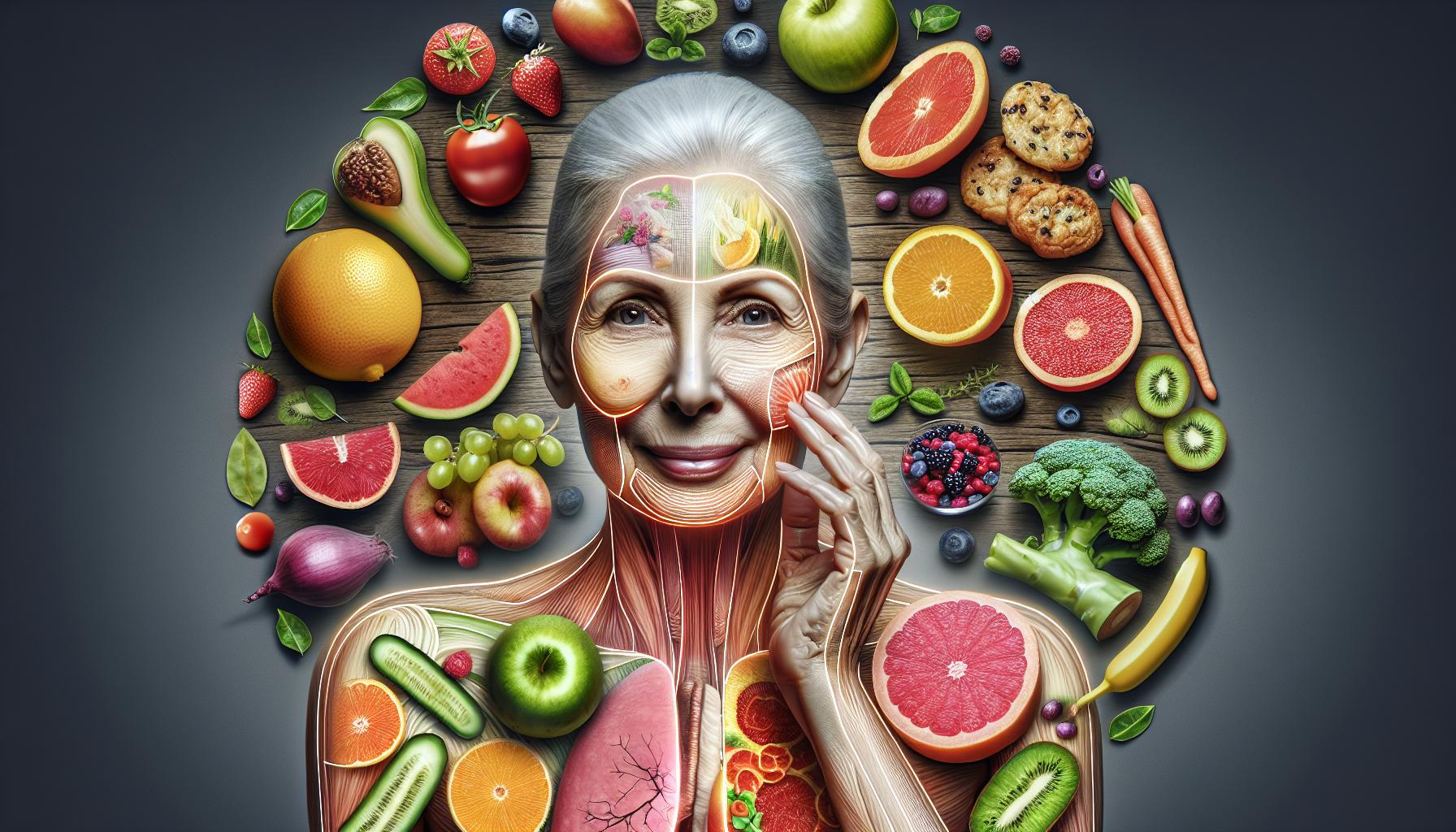
Skin health is not just about the products you apply on the surface; it’s a reflection of your overall wellness, and diet plays an integral role in this connection. The skin is the largest organ of the body and is often the first to display signs of nutritional deficiencies or excesses. The choices you make at the dining table can greatly impact your skin’s appearance, elasticity, and overall health. Recent scientific research increasingly emphasizes the link between dietary habits and skin vitality.
Key Factors of Diet Impacting Skin Health
- Antioxidants: These powerful compounds help combat oxidative stress caused by free radicals, which can accelerate the aging process. Foods high in antioxidants, like blueberries, strawberries, and spinach, not only brighten the skin but also promote cell repair. For instance, the anthocyanins in dark berries have been shown to protect the skin from inflammation and environmental stressors.
- Healthy Fats: The body requires healthy fats, particularly omega-3 fatty acids, for optimal skin function. These fats, found abundantly in fish like salmon, walnuts, and flaxseeds, contribute to maintaining skin barrier integrity and flexibility. Omega-3s may also alleviate conditions such as psoriasis and dermatitis by reducing inflammation.
- Hydration: Proper hydration is key to maintaining skin moisture. Drinking adequate water daily and consuming water-rich fruits and vegetables—like cucumbers and oranges—can help avert dryness and promote a dewy, youthful glow. It’s specifically advised that adults in the U.S. aim for at least 8 cups of water a day, adjusting based on individual activity levels and climate.
- Vitamins: Certain vitamins are particularly vital for skin health. Vitamin A, found in carrots and sweet potatoes, is essential for skin cell production and repair. Vitamin C, prevalent in citrus fruits and bell peppers, helps in collagen synthesis and offers protection against sun damage. Additionally, Vitamin E, present in nuts and seeds, acts as an antioxidant, further shielding against oxidative stress.
With this understanding, it is evident that a thoughtful dietary approach can be a formidable ally in combating the signs of aging and fostering healthier skin. As you navigate this landscape of nutrition and its direct impacts on your skin, you may discover personalized strategies that contribute to lasting rejuvenation. Experimenting with vibrant, plant-rich diets, suffused with healthy fats and essential vitamins, not only enhances your physical appearance but boosts your confidence, revealing the natural beauty that lies within.
Ultimately, nourishing your skin from the inside out empowers you to embrace a more holistic approach to wellness. The choices you make today can lead to a more radiant tomorrow, making skin health an odyssey worth embarking on.
DISCOVER MORE: Click here to learn about the best anti-aging ingredients
Essential Nutrients for Radiant Skin
In an age where skincare routines often take center stage, it’s essential to remember that the journey to radiant skin begins within. While serums and moisturizers can offer temporary solutions, the secret to sustained skin vitality lies in the nutrients we consume. By focusing on a diet rich in whole foods packed with essential nutrients, we can effectively address a myriad of skin concerns right from the inside out.
Powerful Nutrients to Consider
- Polyphenols: These powerful antioxidants are commonly found in foods such as dark chocolate, red wine, and a variety of fruits and vegetables. Polyphenols not only combat oxidative stress but also possess remarkable anti-inflammatory properties. For instance, a study published in the “Journal of Nutritional Biochemistry” indicated that these compounds could enhance skin hydration and elasticity, crucial factors in the fight against aging. Green tea, a leader in this category, has garnered attention for its skin-protective effects against harmful UV rays, effectively helping to mitigate sun damage. Incorporating a cup or two of green tea into your daily routine could contribute more than just a moment of relaxation; it may be supporting your skin’s integrity.
- Collagen-Boosting Foods: Collagen plays a pivotal role in maintaining the skin’s firmness and suppleness. A decline in collagen production naturally occurs with age, leading to sagging and wrinkles. To counteract this, consider incorporating collagen-rich foods such as bone broth and skinless poultry into your meals. Additionally, vitamin C is crucial for collagen synthesis, making fruits like kiwis and papayas vital allies in your dietary arsenal. These not only enhance collagen production but also aid in repairing skin tissue, ensuring a lasting youthful glow.
- Probiotics: There is growing evidence underscoring the connection between gut health and skin clarity. The concept of the gut-skin axis suggests that a balanced gut microbiome can significantly impact skin conditions such as acne and eczema. Consuming probiotic-rich foods like yogurt, kefir, and fermented vegetables can promote gut health, leading to clearer skin. For instance, a Harvard Health study highlighted that individuals who maintained a probiotic-rich diet showed notable reductions in inflammatory skin conditions. By nurturing your gut, you may be exploring an avenue toward achieving that healthy, radiant complexion.
- Low Glycemic Foods: The impact of sugar on skin health is often overlooked. High sugar intake can trigger glycation, a process damaging collagen and contributing to premature skin aging. By opting for low glycemic index foods, such as whole grains, legumes, and an array of non-starchy vegetables, you can stabilize blood sugar levels, protecting your skin from the harmful effects of glycation. A nutritious meal featuring quinoa, black beans, and a colorful salad can be both delicious and beneficial for your skin’s health.
Integrating these essential nutrients into your diet is not merely a trend but a transformative approach to skin health. As ongoing research sheds light on the intricate relationship between nutrition and skin vitality, the picture becomes increasingly clear: our dietary choices have significant implications for our skin’s texture, tone, and overall longevity. By making informed decisions about what we eat, we embark on a holistic journey that nourishes not only our skin but also our overall well-being. Each meal becomes an opportunity to invest in our health and appearance, steering us toward a future marked by youthful vibrancy and radiant skin.
The Influence of Diet on Skin Health and Combating Aging
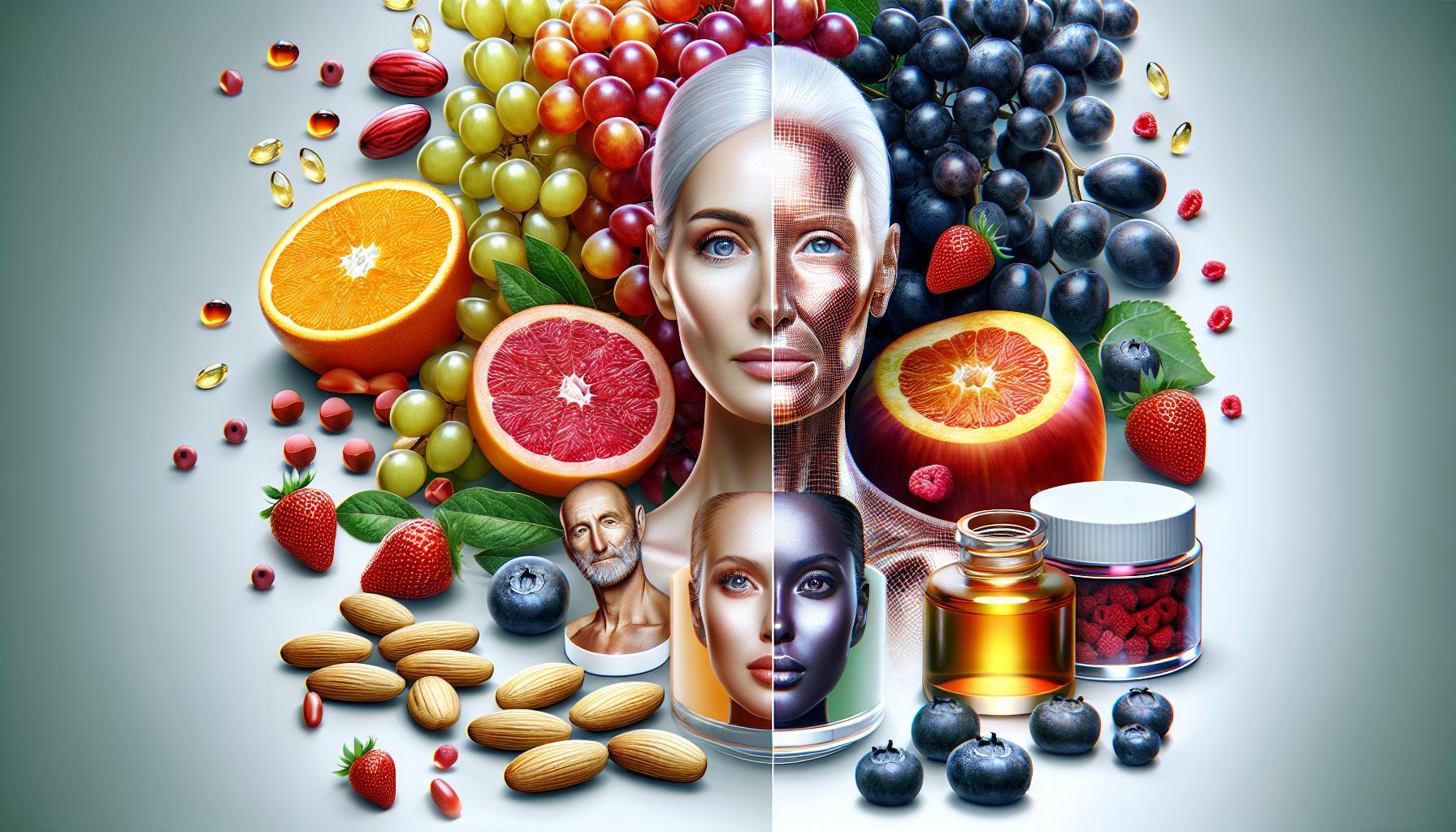
The quest for youthful skin is a pursuit that transcends age, and the role of diet in this journey cannot be underestimated. Recent studies have demonstrated that certain foods can have profound impacts on skin elasticity, hydration, and overall appearance, providing aging individuals with a natural avenue to rejuvenate their skin. Antioxidants, found in colorful fruits and vegetables, play a pivotal role in fighting free radicals that contribute to skin aging. Foods rich in vitamins C and E, like oranges and almonds, help bolster collagen production, a crucial protein that maintains skin structure.
Moreover, diets that are high in healthy fats, such as omega-3 fatty acids, found in fish and flaxseeds, have been shown to significantly enhance skin barrier function, locking in moisture and preventing dryness. Hydration is another essential aspect; drinking ample water and consuming water-rich foods like cucumbers can drastically improve skin radiance. Most importantly, by reducing sugar intake and incorporating whole foods into your meals, it’s possible to minimize skin inflammation and blemishes, promoting a clearer complexion.
As we delve deeper into the relationship between diet and skin health, it becomes apparent that a holistic approach to nutrition can yield remarkable benefits. Those seeking insights into tailoring their diets to enhance skin health can explore the following valuable information:
| Category | Benefits |
|---|---|
| Antioxidant-Rich Foods | Combat free radical damage, enhancing skin vitality. |
| Healthy Fats | Promote skin hydration and elasticity through omega-3 fatty acids. |
| Hydrating Foods | Improve skin radiance and maintain moisture levels. |
| Low Sugar Diet | Reduces inflammation and promotes a clearer complexion. |
Understanding these dietary elements can empower individuals to make informed food choices, steering them toward healthier skin as they navigate through the aging process.
DISCOVER MORE: Click here to learn about sunscreen benefits
Foods to Avoid for Optimal Skin Health
As much as certain foods can significantly enhance skin health, it’s equally important to recognize those that may hinder your journey toward a glowing complexion. Opting for a diet that prioritizes nourishing ingredients requires a heightened awareness of what can negatively impact your skin. Here are some dietary choices to be mindful of when considering their effects on skin health.
Common Culprits for Skin Degradation
- Processed Sugars: While sweet treats might be tempting, processed sugars can wreak havoc on your skin. The glycation process, a reaction that occurs when sugars attach to proteins, leads to the formation of advanced glycation end products (AGEs). These compounds can damage collagen and elastin—key components in maintaining skin elasticity. Notably, a study published in “The American Journal of Clinical Nutrition” revealed that individuals consuming diets high in sugar had increased levels of skin wrinkling and aging. Replacing sugary snacks with natural alternatives like fruits can limit these adverse effects while providing beneficial nutrients.
- Refined Carbohydrates: Much like sugar, refined carbohydrates found in white bread, pastries, and many snack foods can accelerate the aging process and contribute to dull skin. These carbohydrate sources spike blood sugar levels, leading to inflammation and promoting a cascade of skin issues, from acne to premature wrinkles. Insisting on whole grains instead, such as brown rice or whole wheat, can buffer the impact on blood sugar levels, while offering sustained energy and a plethora of skin-loving nutrients.
- Trans Fats: Often lurking in fried foods and many commercially baked products, trans fats can reduce overall vascular function, potentially leading to skin dryness and diminished radiance. A diet high in trans fats may heighten inflammation and lead to increased skin issues, as suggested by a review in the “Journal of Dermatological Science”. Choosing healthier fats such as those found in avocados, nuts, and olive oil can not only nourish your skin but also maintain its youthfulness by promoting hydration and elasticity.
- Dairy Products: Recent studies have suggested a potential link between dairy consumption and skin conditions, particularly in individuals predisposed to acne. The hormones present in dairy can disrupt skin balance, leading to increased oil production and blocked pores. The “Journal of the American Academy of Dermatology” has noted that individuals cutting back on dairy reported significant improvements in their skin’s clarity. While the conversation surrounding dairy is multifaceted, being attentive to personal responses can be valuable for skin health.
Understanding the impact of your diet on skin health goes beyond merely incorporating beneficial foods—it’s imperative to recognize and mitigate the potential adverse effects of other dietary choices. Heightened awareness of what to avoid can pave the way for a more holistic approach to skincare, allowing the natural vibrancy and youthfulness of your skin to shine through. The age-old saying “you are what you eat” rings especially true here, as our dietary habits greatly influence not only our internal health but also the external manifestation of that health. Be vigilant in your food choices, and remember that every meal is an opportunity to nurture your skin from the inside out.
DIVE DEEPER: Click here to discover the art of contouring
Conclusion
The connection between diet and skin health is undeniable and continues to gain attention as more studies unveil the intricate relationship between what we consume and how it reflects on our skin. By emphasizing a balanced intake of antioxidant-rich foods, healthy fats, and high-quality proteins, individuals can foster a vibrant and youthful complexion. Furthermore, the detrimental effects of processed sugars, refined carbohydrates, trans fats, and certain dairy products cannot be overlooked, as they have been shown to contribute to skin aging and various conditions.
To combat the visible signs of aging and promote overall cutaneous well-being, it is essential to adopt a proactive dietary approach. This means enriching your meals with whole, nutrient-dense foods while consciously avoiding those that may expedite skin degradation. An exploration of dietary changes might not only enhance your skin’s appearance but also improve your overall health—a true win-win.
As the phrase “you are what you eat” suggests, every bite has the potential to influence your skin’s health and vitality. Engaging in a mindful eating journey is a powerful tool in your arsenal against aging. With this in mind, consider experimenting with new ingredients and recipes that prioritize your skin’s needs, and don’t hesitate to consult with a healthcare professional or nutritionist for personalized guidance. The road to luminous skin begins with informed choices—each meal is a chance to nourish and rejuvenate your skin from the inside out. So, embrace this knowledge, and let your dietary habits reflect the radiant skin you aspire to achieve.