The Role of Mental Health in Beauty: How Stress Affects Skin Aging
The Silent Impact of Stress on Beauty and Skin Health
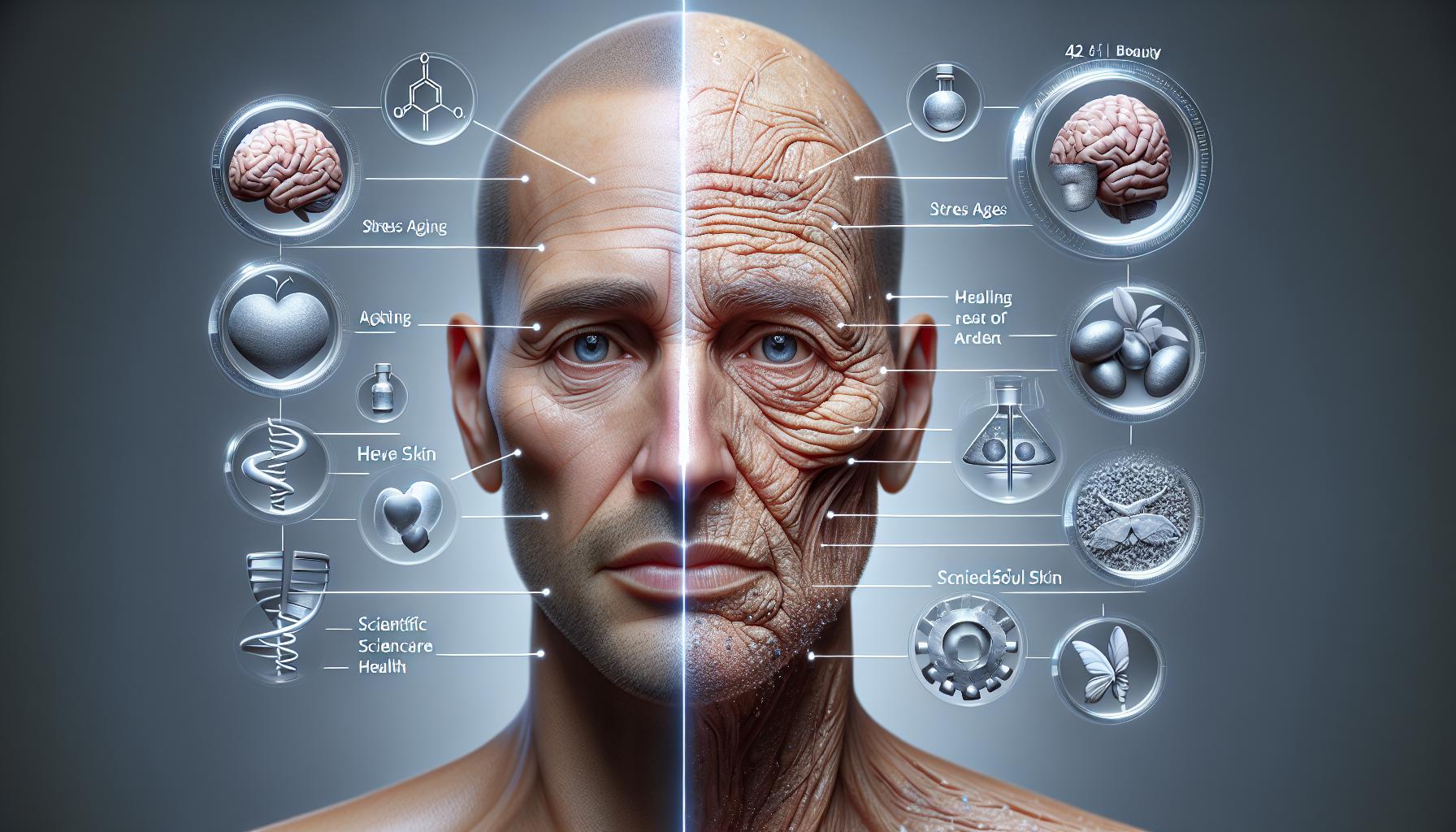
In the relentless pace of contemporary life, many may overlook the profound effect stress can wield—not only on our mental health but also significantly on our physical appearance. It is increasingly becoming clear that mental well-being serves as a crucial pillar in maintaining youthful skin, with stress emerging as a formidable adversary that accelerates the aging process.
Understanding the intricate links between stress and beauty can illuminate our paths to better self-care and overall health. Here are a few key areas where their relationship becomes evident:
- Cortisol Levels: When we encounter stress, our body reacts by releasing cortisol, a hormone that plays a pivotal role in various bodily functions. Elevated cortisol levels are linked to the breakdown of key proteins in the skin, such as collagen and elastin—integral for maintaining skin’s firmness and elasticity. Research indicates that chronic stress can significantly diminish skin hydration, leading to the loss of that youthful glow.
- Skin Conditions: Stress is not just a general nuisance; it’s a catalyst for various dermatological issues. Conditions like eczema, acne, and psoriasis can flare up significantly under stress, causing discomfort and further irritating the skin. For example, studies show that individuals experiencing psychological distress are more prone to acne breakouts, and the inflammation associated with these conditions can contribute to long-lasting skin damage.
- Self-Care Neglect: In times of high stress, personal care routines often fall by the wayside. Many people find it challenging to stick to their skincare regimens, overlooking the importance of moisturizing, exfoliating, or protecting their skin from UV rays. This neglect can lead to dull, lifeless skin and hasten the appearance of wrinkles and fine lines.
The manifestations of stress on our appearance are often unmistakable. Common symptoms include tired-looking skin, persistent dark circles beneath the eyes, and premature wrinkles. Recognizing these signs is critical, as they serve as indicators not just of our skin’s condition, but of the mental health that underpins it.
Addressing the Dual Impact of Stress
As we continue to explore ways to enhance our beauty through improved mental health, it becomes evident that reducing stress can be transformative. Techniques such as mindfulness meditation, regular physical activity, and even engaging in creative hobbies can significantly lower cortisol levels and rejuvenate both the mind and skin.
Furthermore, incorporating stress-reduction practices into daily life can promote a holistic sense of well-being. Practices such as yoga not only enhance mental clarity but have also been shown to improve skin health by fostering a more stable hormonal environment. Recognizing the connection between our emotional state and physical appearance offers a powerful opportunity for change—empowering us to nourish ourselves both on the inside and out.

In conclusion, understanding the interrelationship between mental health and beauty is vital, especially in a fast-paced society like the United States. By taking proactive steps to alleviate stress, we can embark on a journey toward enhanced well-being and more radiant skin, proving that beauty truly begins from within.
DON’T MISS: Click here to learn about hydration’s role in skin health
Understanding the Science Behind Stress and Skin Aging
The interplay between mental health and skin aging is a complex tapestry woven with the threads of biology, psychology, and lifestyle choices. Our skin is a reflection of our inner health, and when stress becomes a frequent visitor in our lives, it sets off a cascade of physiological responses that can accelerate the visible signs of aging.
One of the key players in this relationship is the hormone cortisol. When we experience stress, whether it’s due to work pressures, personal conflicts, or financial worries, our bodies enter a ‘fight or flight’ mode. This instinctive reaction releases cortisol into our bloodstream, a hormone designed to prepare us for immediate threats. However, in modern life—where threats are often more psychological than physical—this reaction can lead to sustained high levels of cortisol.
Chronic elevation of cortisol doesn’t just disrupt our mental state; it also wreaks havoc on our skin. Specifically, high cortisol levels are associated with the breakdown of collagen and elastin—two essential proteins responsible for maintaining skin’s structure and elasticity. Research has shown that individuals under prolonged stress can witness a significant reduction in collagen production, contributing to the development of fine lines and wrinkles.
Moreover, the effects of stress on our skin go beyond hormonal fluctuations. Stress can exacerbate or trigger various skin conditions, including:
- Acne: Stress can lead to increased oil production in the skin, which clogs pores and can trigger acne outbreaks. Studies suggest that individuals experiencing high levels of stress are more likely to deal with persistent acne problems.
- Eczema: For many, stress can trigger flare-ups of eczema, a condition characterized by itchy, inflamed skin. The emotional toll often worsens the physical symptoms, creating a distressing cycle.
- Psoriasis: This chronic skin condition can worsen under stress due to increased inflammation, resulting in visible patches that are difficult to manage.
These skin ailments not only affect appearance but also have significant emotional implications. Individuals suffering from visible skin issues linked to stress often experience lower self-esteem and increased anxiety, perpetuating a destructive cycle that can lead to even more pronounced skin problems.
Creating a Balance: Mental Wellness and Skin Care
To counteract the detrimental effects of stress and promote healthier skin, integrating practices aimed at reducing mental strain is essential. Techniques such as mindfulness meditation, engaging in physical activities, and maintaining strong social connections can help stabilize cortisol levels, creating a healthier internal environment. In addition to alleviating stress, these practices can enhance overall skin vitality.
By recognizing the integral relationship between mental health and beauty, individuals can take actionable steps toward not only improving their psychological well-being but also preserving the health and appearance of their skin. As we delve deeper into this vital connection, it becomes clearer that caring for our minds is equally important as caring for our skin.
The Impact of Stress on Skin Health
Stress, particularly chronic stress, can trigger a cascade of physiological responses that impact skin health and accelerate the aging process. The connection between mental health and skin aging is complex, seen through a lens of hormonal fluctuations, inflammation, and overall skin barrier health. When stress levels rise, the body releases corticosteroids, which can lead to various skin conditions such as acne, eczema, and psoriasis, exacerbating the visible signs of aging.One of the key aspects to consider is how stress affects the skin’s ability to retain moisture and repair itself. The disruption of collagen production is particularly notable; with less collagen, the skin loses its elasticity, leading to wrinkles and sagging. Additionally, stress can impair the skin’s barrier function, making it more susceptible to external aggressors like pollution and sun damage, further accelerating the aging process.Moreover, emotional distress may lead to unhealthful behaviors such as poor diet, lack of sleep, and decreased physical activity, all of which contribute to skin deterioration. Stress-induced *inflammation* can be another critical factor, as it exacerbates redness and sensitivity in the skin, leading to a more aged appearance. Therefore, understanding this connection is crucial for anyone looking to maintain youthful, vibrant skin.
Stress Management Techniques
Incorporating stress management techniques can play a significant role in beauty regimens. Activities such as yoga, meditation, and mindfulness have been shown to help reduce stress levels, which not only improves mental well-being but can also lead to healthier skin. Regular physical activity increases blood circulation, allowing for better nutrient delivery to the skin while also promoting a natural glow.Furthermore, practicing good skincare routines that include moisturizing and protecting against UV damage can mitigate some adverse effects of stress on the skin. Consider integrating calming skincare products that feature ingredients like aloe vera and chamomile, known for their soothing properties.Recognizing the intertwined relationship between mental health and skin aging is essential. By taking proactive steps to manage stress, individuals can support their mental well-being while simultaneously enhancing their skin health, paving the way for a more radiant complexion.
LEARN MORE: Click here to discover how stress affects your skin
The Psychological Impact of Skin Aging: A Two-Way Street
The relationship between mental health and skin aging is not merely a one-sided affair; it thrives on a two-way street where each influences the other. The psychological distress associated with visible skin aging can lead to increased stress, perpetuating a cycle that burdens both mind and skin. As individuals notice wrinkles or blemishes emerging—often exacerbated by stress-related conditions—they may feel a sense of loss of control over their appearance, which in turn can heighten feelings of anxiety and depression.
According to the American Psychological Association, self-esteem and body image play significant roles in mental health, particularly among adolescents and young adults. Those who perceive themselves negatively due to aging skin or skin conditions tend to withdraw from social interactions, which can exacerbate feelings of isolation and loneliness—a prime breeding ground for stress. Furthermore, this psychological toll can intensify the body’s stress response, feeding a vicious loop that accelerates skin aging.
This cyclic relationship underscores the importance of a holistic approach to beauty and skincare. Research indicates that engaging in activities that enhance body positivity, such as yoga or presence-focused exercises, can facilitate emotional well-being. Such practices not only promote a healthier mindset but can also lead to tangible improvements in skin health. A study published in the Journal of Investigative Dermatology found that women who engaged in mindfulness-based stress reduction reported improved skin conditions as well as enhanced feelings of confidence and satisfaction with their appearance.
The Power of Nutrition and Lifestyle in the Equation
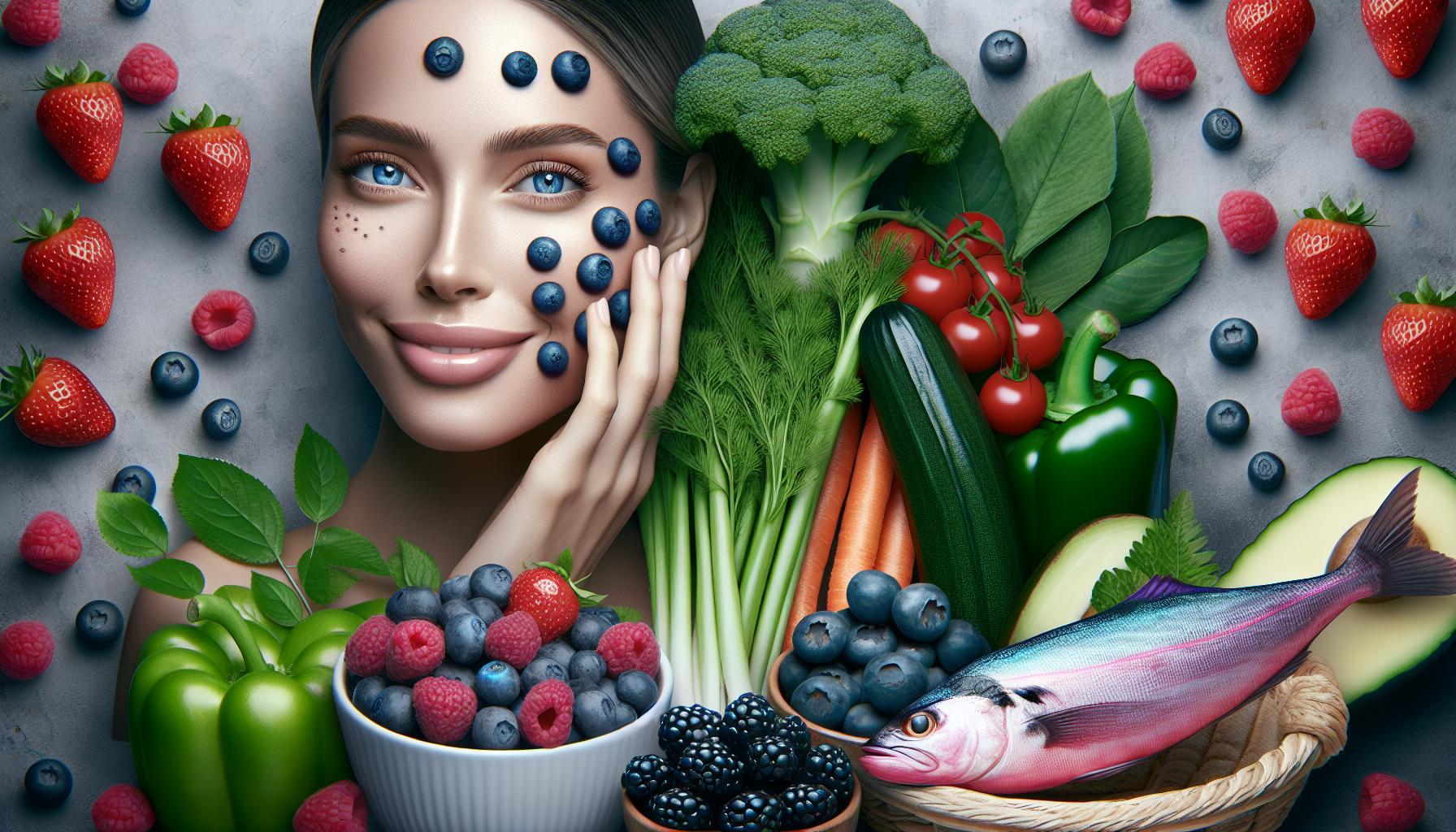
It’s important to also consider the dietary factors that contribute to both mental health and skin aging. Nutritional choices can either bolster resilience against stress or exacerbate its effects. Diets rich in antioxidants, healthy fats, and essential vitamins—like Vitamin C, E, and A—can protect the skin from oxidative stress, a significant contributor to skin aging. Foods such as berries, nuts, fatty fish, and green leafy vegetables are excellent sources of nutrition that also promote overall well-being.
Moreover, hydration plays a crucial role in maintaining skin elasticity and health. Chronic stress often leads to poor hydration habits, which in turn can cause the skin to appear dull and detached. Ensuring adequate water intake, alongside a balanced diet, can enhance skin moisture, elasticity, and overall appearance, while also providing a boost to mental clarity and mood stability.
Exercise, too, holds an essential place in this discourse. Physical activity releases endorphins—natural mood lifters—that can diminish feelings of stress and anxiety. With regular exercise, blood circulation improves, enabling oxygen and nutrients to reach the skin more effectively. This not only contributes to a youthful glow but also forms a part of a comprehensive approach to regain emotional balance. Research from the Journal of Clinical Psychology suggests that individuals who engage in regular exercise exhibit fewer stress-related skin issues than their sedentary counterparts.
Finally, seeking professional help when needed is a vital step in breaking the cycle of stress and skin aging. Therapy, be it cognitive-behavioral or mindfulness-based, can equip individuals with coping strategies that reduce psychological distress and its physical manifestations. As an emerging field, psychodermatology focuses on the interplay between skin health and mental well-being, advocating for an integrated approach to treat conditions that bridge both realms.
DISCOVER MORE: Click here for insights on rejuvenation techniques
Understanding the Interrelation for Holistic Beauty
In conclusion, the intricate relationship between mental health and skin aging serves as a poignant reminder that beauty goes beyond mere aesthetics; it is deeply entwined with our emotional and psychological well-being. The cycle of stress—and its subsequent effects on skin health—highlights the need for a multifaceted approach to beauty care that incorporates mental wellness as a core element. As we have explored, feelings of anxiety, depression, and low self-esteem extensively contribute to both stress levels and skin deterioration, creating a feedback loop that can be challenging to escape.
By embracing practices that foster mental well-being, such as mindfulness, balanced nutrition, regular physical activity, and hydrating effectively, we can take significant strides toward ameliorating both mental stress and skin aging. The emerging field of psychodermatology further emphasizes the necessity of addressing both domains in tandem, suggesting a potential path to holistic beauty care. Encouragingly, research supports that positive self-perception and emotional resilience can enhance skin health, transforming the narrative from one of anxiety and deterioration to one of empowerment and rejuvenation.
Ultimately, promoting an understanding of the intricate interplay between mental health and beauty may prove transformative. It invites us to rethink our approach to skincare, encouraging us to cultivate a lifestyle that not only cherishes the outer appearance but also nurtures the inner self. As we continue to learn more about how stress affects skin aging, we should prioritize both mental and physical health to foster beauty that emanates from within. The journey toward radiant skin, therefore, may very well commence with the stories we tell ourselves in the mirror.