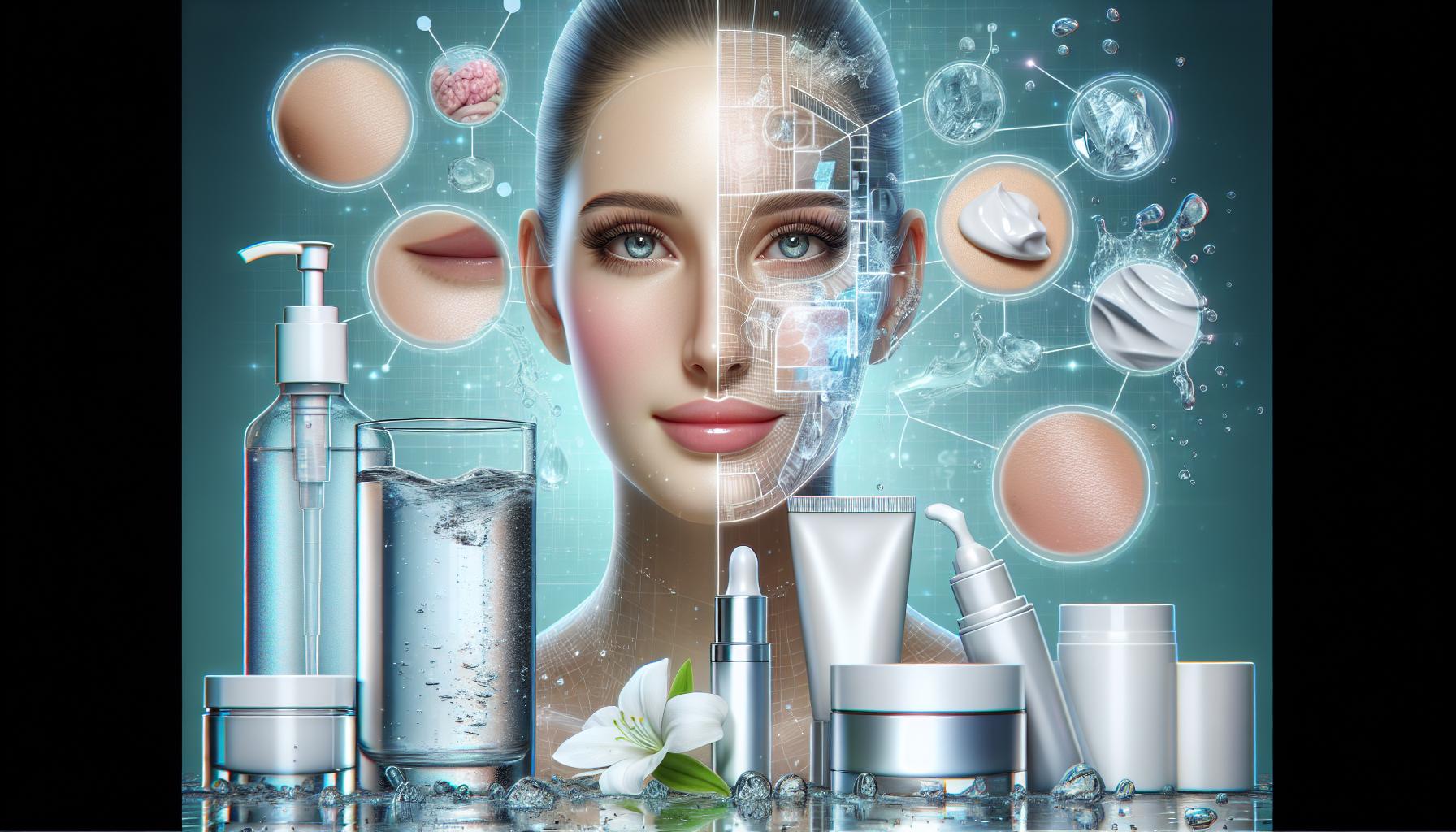
The Importance of Hydration for Skin Health
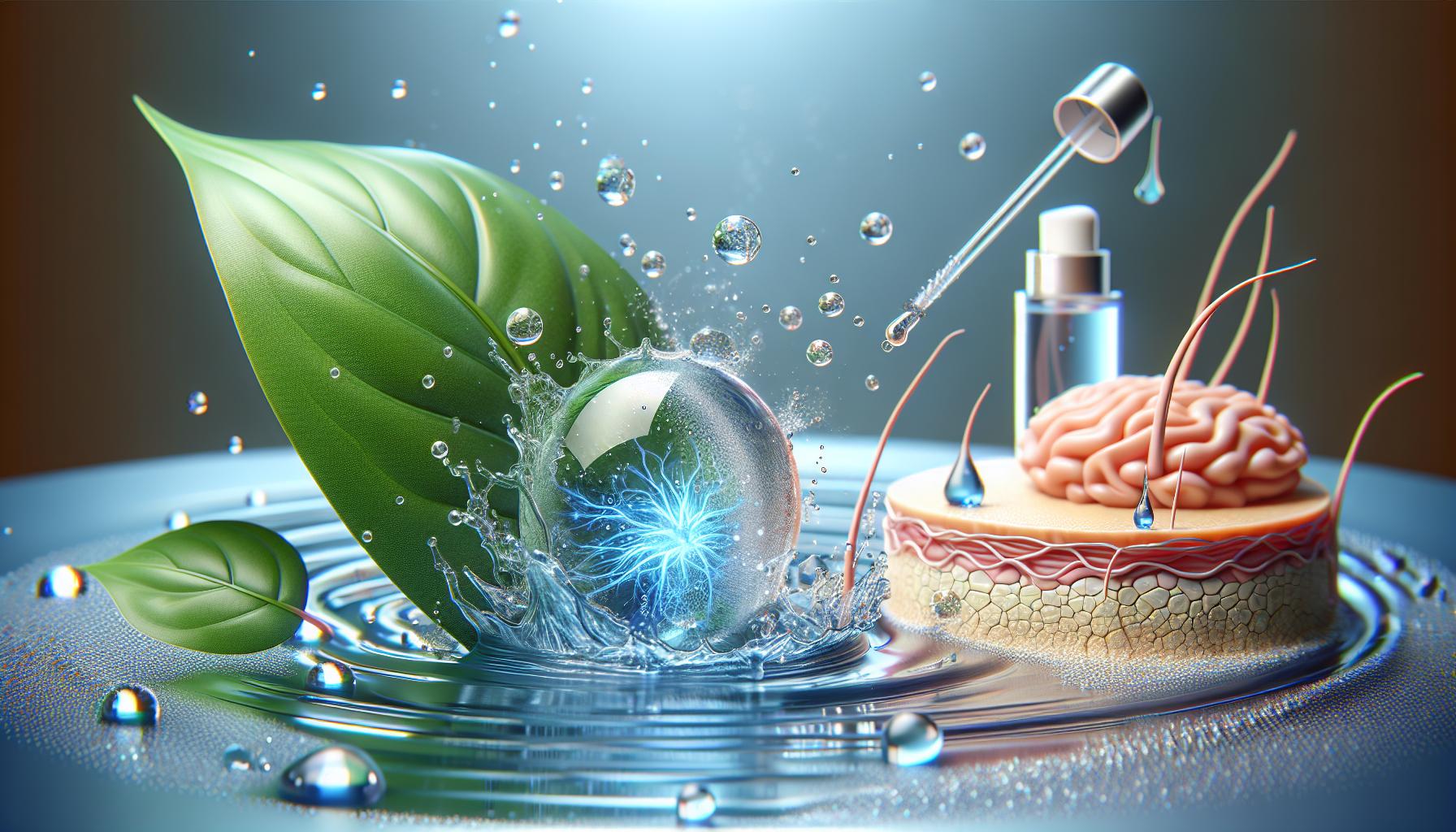
The Significance of Hydration for Skin Vitality
Water, often dubbed the elixir of life, is not merely essential for our physical survival; it is a vital component for maintaining healthy, radiant skin. Hydration is not just crucial for overall health, but it serves as the foundation for a youthful and glowing complexion. When the body is dehydrated, it can lead to a plethora of skin issues, accentuating the importance of understanding how adequate water intake influences skin vitality.
The effects of hydration on skin health are profound and multifaceted. For instance, when individuals fail to consume an adequate amount of water, they may notice their skin becoming dry and flaky. Prevents Dryness: Adequate hydration is key to keeping your skin supple and moisturized; without it, the skin’s natural barrier can weaken, resulting in loss of moisture and increased susceptibility to irritants. Similarly, Boosts Elasticity: maintaining appropriate moisture levels allows the skin to retain its elasticity, which is crucial for minimizing the appearance of fine lines and wrinkles—a common concern as one ages. Consistently well-hydrated skin can appear plumper and more resilient, contributing to an overall youthful appearance.
Moreover, hydration can significantly Enhance Complexion: a balanced intake of water not only helps in maintaining skin health but can also improve skin tone and radiance. When the body is properly hydrated, it effectively flushes out toxins, which can lead to a clearer complexion and a natural glow. Surprisingly, even mild dehydration can lead to tired skin, dullness, and dark circles under the eyes, proving just how essential water is for maintaining vibrant skin.
In the United States, health experts generally recommend a guideline of drinking at least eight 8-ounce glasses of water daily, but individual needs can vary based on factors such as activity level, climate, and body composition. To optimize hydration for your skin, it is essential to approach this in multiple ways. Consider these practical tips:
- Drink Water: It’s important to spread your water intake throughout the day rather than consuming large quantities at once, as this can be less effective for skin hydration.
- Eat Hydrating Foods: Incorporate a variety of fruits and vegetables known for their high water content. Watermelon, cucumbers, and oranges are not only refreshing but also contribute essential hydration to your body.
- Use Moisturizers: Look for skincare products containing hydrating ingredients such as hyaluronic acid or glycerin, which help to retain moisture on the surface of your skin, creating a protective barrier against dryness.
As we explore the importance of hydration for skin health, it becomes apparent that maintaining adequate hydration levels is crucial for more than just immediate cosmetic appeal; it can significantly impact your overall health and well-being. By adopting a conscious approach to hydration, you can transform not only your skincare routine but also your lifestyle, leading to lasting benefits. Whether you sip on water diligently or indulge in hydrating foods, the steps you take today can yield a glow that lasts a lifetime.

DISCOVER MORE: Click here to learn about nutrition’s role in skin health
Hydration: The Key to a Radiant Complexion
The links between hydration and skin health are scientifically backed, revealing that water intake can significantly affect various skin conditions. In a country where many lead hectic lifestyles, forgetting to hydrate can become commonplace. Yet, understanding the underlying role of water in skin preservation can empower individuals to make healthier choices.
One of the most pivotal aspects of hydration is its ability to combat dry skin. When the skin lacks moisture, it can become rough and exhibit various forms of irritation, including redness and flakiness. This is not just a cosmetic concern; dehydrated skin is more vulnerable to environmental aggressors such as pollution and harsh weather. Studies have shown that maintaining appropriate hydration levels fortifies the skin’s barrier function, allowing it to better resist external damage. Furthermore, skin that is well-hydrated has a greater capacity to heal, which is particularly important for those prone to acne or other inflammatory skin conditions.
Hydration also plays a crucial role in enhancing skin elasticity. As we age, the skin’s natural ability to retain moisture diminishes, resulting in sagging and wrinkles. Hydrated skin remains flexible and resilient, which can significantly reduce the appearance of fine lines and promote an even texture. Dermatologists often emphasize the importance of moisture management in skincare routines, advocating for products designed to improve hydration alongside regular water consumption.
The Ripple Effect of Hydration on Skin Tone
In addition to improving texture and elasticity, adequate hydration can also enhance skin tone. Hydrated skin is often synonymous with a healthy, balanced complexion. When the body is well-hydrated, it effectively flushes out toxins that can contribute to skin issues like acne and dullness. Even mild dehydration can result in a tired appearance, accentuating dark circles around the eyes and giving the skin a grayish tone. To combat this, many skincare experts recommend not only drinking sufficient water but also monitoring how certain foods can impact overall hydration.
Including hydrating foods in your diet is a strategy that warrants attention. Consider incorporating items such as:
- Fresh Fruits: Berries, oranges, and apples are not only nutritious but are also packed with water content.
- Vegetables: Leafy greens, tomatoes, and bell peppers provide vitamins and minerals essential for maintaining vibrant skin.
- Soups and Broths: These can be a delicious method to boost your daily hydration while also enjoying a comforting meal.
It’s clear that hydration serves as more than just a fountain of youth; it is integral to a holistic approach to skin wellness. Examining your hydration habits offers an excellent opportunity to improve skin health and overall well-being. By focusing on both water intake and hydrating foods, you can foster a glowing complexion that stands the test of time, proving that sometimes the simplest solutions yield the most remarkable results.
| Advantages of Hydration | Impact on Skin Health |
|---|---|
| Increased Elasticity | Hydrated skin is more supple and less prone to sagging, contributing to a youthful appearance. |
| Enhanced Radiance | Adequate hydration creates a natural glow, enhancing skin tone and texture for a more vibrant look. |
| Prevention of Dryness | Consistent water intake helps prevent flaky and rough patches, ensuring skin remains smooth and visibly healthy. |
| Reduction of Fine Lines | Hydration plays a crucial role in minimizing the appearance of wrinkles and fine lines, leading to more youthful skin. |
The benefits of proper hydration extend beyond mere moisturization. Drinking sufficient water is essential for maintaining the overall health of our skin. It helps in flushing out toxins that can lead to skin irritations and conditions, thereby promoting a clearer complexion. Furthermore, when the body is adequately hydrated, it assists in the effective transportation of nutrients to skin cells, ensuring they are nourished.Moreover, expert dermatologists emphasize the link between hydration and the skin’s barrier function. A robust barrier protects against environmental stressors and retains moisture, which is vital for keeping skin supple and resilient. As individuals encounter various environmental changes, such as climate shifts and pollutants, hydration becomes even more crucial in preserving skin integrity and appearance. Emphasizing appropriate water intake, coupled with topical hydration products, can result in profound benefits for both appearance and health, prompting many to reconsider their hydration habits.
DISCOVER: Click here to learn more
Hydration: The Unsung Hero of Skin Repair and Protection
Perhaps less understood is the role of hydration in skin repair and protection. Every day, our skin battles exposure to various pollutants, UV rays, and other environmental stressors. A well-hydrated skin barrier enhances its resilience against these aggressors and diminishes the likelihood of conditions such as eczema, psoriasis, and dermatitis. When the skin is dehydrated, it is more prone to damage, which can initiate a cycle of inflammation and discomfort. Maintaining proper hydration creates a first line of defense, helping to mitigate these chronic conditions by keeping the skin barrier intact and able to regulate moisture effectively.
Hydration and the Skin Microbiome
In recent studies, researchers have uncovered fascinating links between hydration and the skin microbiome, the community of microorganisms that live on our skin. These beneficial bacteria play a pivotal role in skin health, supporting the skin’s immune function and protecting against harmful pathogens. Surprisingly, dehydrated skin can disrupt this microbiome balance, fostering an environment for harmful microbes to thrive, which may lead to increased inflammation and irritation. By ensuring our skin is adequately hydrated, we not only enhance its innate defenses but also support the diverse ecosystem of beneficial microorganisms, further promoting a healthy complexion.
Notably, many individuals may not realize how external factors contribute to dehydration. Environments characterized by low humidity, common in many states across the U.S., particularly in winter months, can rapidly deplete skin moisture. Air-conditioned and heated spaces also exacerbate this effect. To counteract these impacts, individuals can invest in humidifiers, which add moisture to the air, or consider incorporating a hydrating serum into their skincare routine. Products containing hyaluronic acid are especially beneficial, as this ingredient can hold up to 1,000 times its weight in water, effectively providing a moisture boost when applied topically.
The Importance of Hydration in Anti-Aging
Anecdotally and scientifically, hydration is heralded in the fight against visible signs of aging. The skin’s natural processes slow down with age, making the replenishment of moisture increasingly essential. Dry skin can exacerbate the appearance of fine lines and wrinkles, while hydrated skin tends to hold plumpness and vitality. In fact, a clinical study revealed that participants who increased their water intake experienced a noticeable reduction in skin roughness and a more youthful appearance in just a few weeks. For those looking to maintain their youthful glow, planning for adequate hydration should be considered a vital element of their anti-aging strategy.
Furthermore, the relationship between hydration and overall well-being is well documented. A comprehensive study highlighted that adequate hydration improves mood and cognitive function, indirectly translating to skin benefits. Stress and poor mental health often manifest themselves on the skin, highlighting the need for a holistic approach to beauty. Alongside developing a well-rounded hydration strategy, nurturing mental health leads to a more radiant complexion.
Ultimately, understanding that hydration influences multiple aspects of skin health—from protection and repair to aesthetic benefits like anti-aging—can transform our approach to skincare. By prioritizing hydration, individuals can harness its power not only to enhance their skin’s appearance but also to fortify its function, paving the way for a robust skin health routine that stands strong against time, stress, and environmental pressures.
DISCOVER MORE: Click here to learn about natural solutions for youthful skin
Conclusion: Embracing Hydration for Comprehensive Skin Health
As we’ve explored, the importance of hydration for skin health cannot be overstated. Hydration serves as the backbone of a vibrant complexion, influencing everything from the skin’s barrier function to its ability to resist environmental stressors and signs of aging. A conscious effort to maintain optimal hydration not only rejuvenates skin appearance but also bolsters its natural defenses, providing a comprehensive approach to skincare that addresses both aesthetic and functional aspects.
Moreover, the connection between hydration and the skin microbiome highlights how moisture plays a crucial role in sustaining a harmonious ecosystem on our skin, further enhancing our overall health. Understanding how external elements, such as humidity and climate, impact moisture levels can empower individuals to implement effective strategies tailored to their circumstances—like using hydrating serums or investing in humidifiers during dry seasons.
As we strive to maintain youthful skin and cultivate resilience against time and stress, prioritizing hydration becomes an invaluable practice in our daily routines. By recognizing the profound effects of hydration on both skin health and overall well-being, we lay the groundwork for lasting beauty that originates from a deep understanding of self-care. So, let us raise our glasses—both to water and skin health—embracing the notion that hydration is indeed a vital key to unlocking true skin vitality.