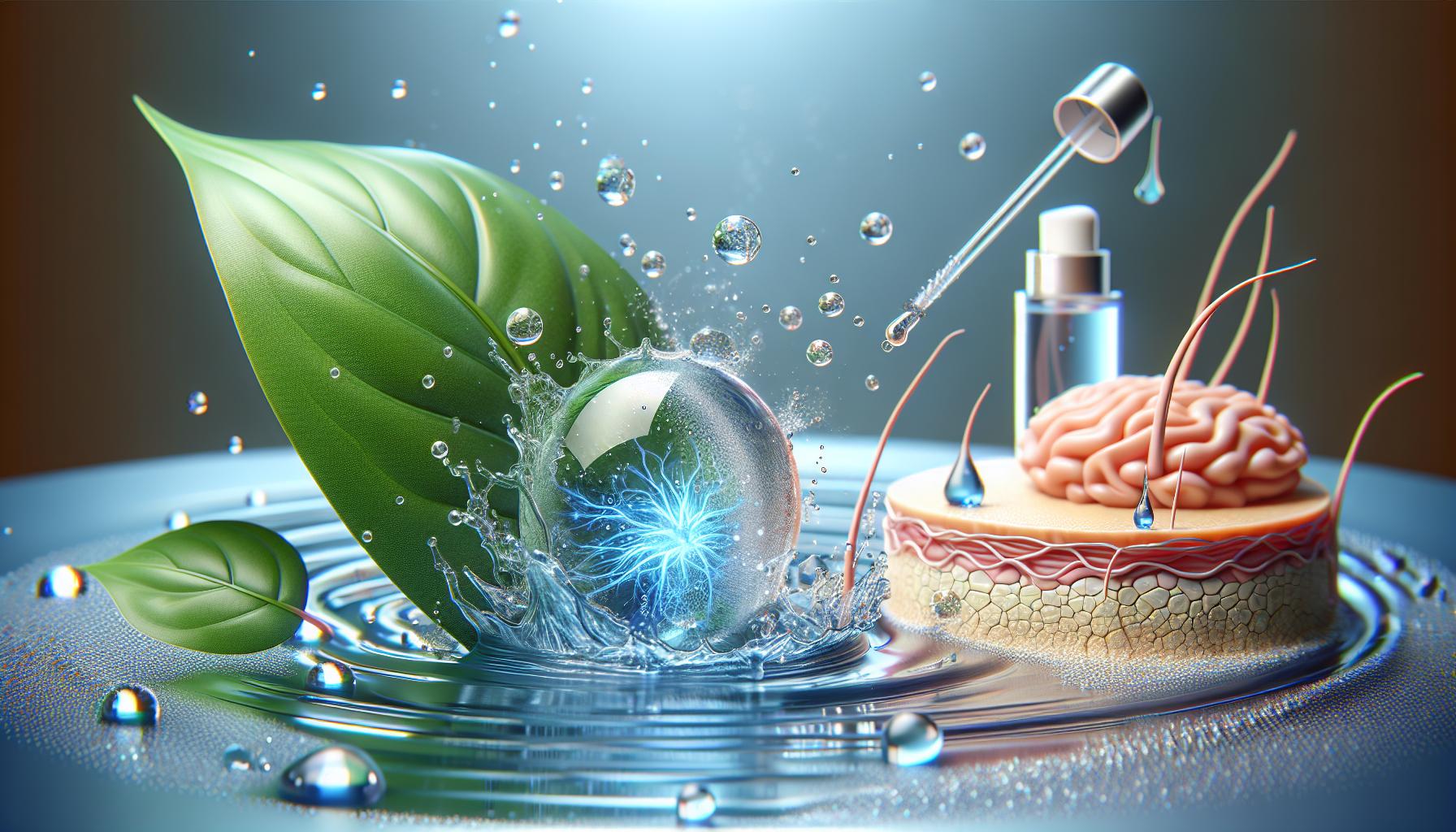
The Importance of Hydration for Skin Health: Myths and Truths
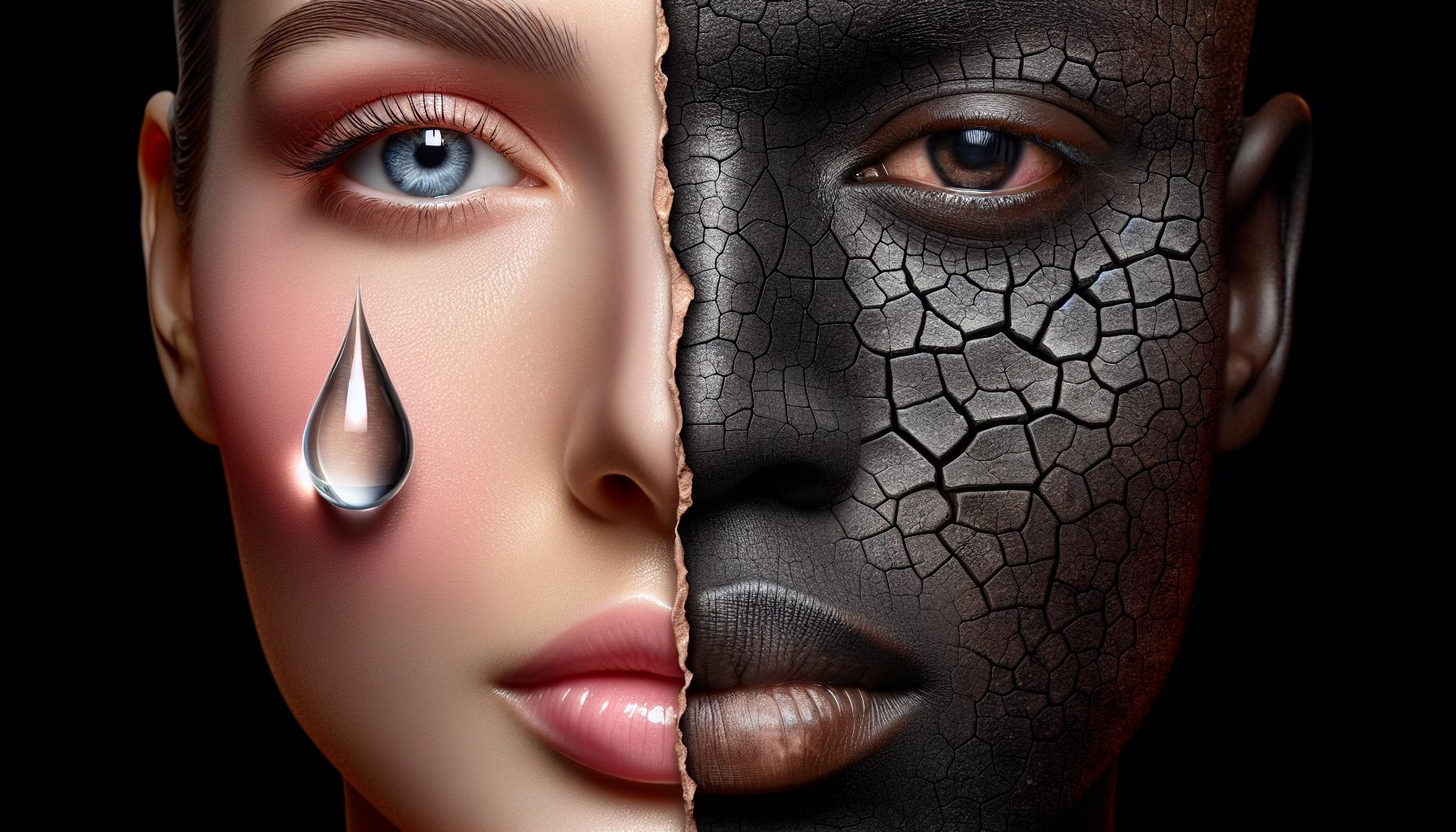
Navigating the Myths and Truths of Skin Hydration
In the quest for glowing, healthy skin, hydration often takes center stage. However, with so much information swirling around, it’s essential to distinguish between fact and fiction. Understanding how hydration impacts skin health can empower you to make informed choices that lead to optimal skin conditions.
Dispelling Common Myths
Many individuals often turn to quick fixes or popular trends in skincare, leading to some misunderstandings about how to achieve healthy skin. Here are a few prevalent myths that merit clarification:
- Myth 1: Drinking excessive amounts of water guarantees perfect skin.
- Myth 2: Only external creams and lotions can hydrate the skin.
While hydration is crucial, it’s important to recognize that drinking a gallon of water won’t necessarily resolve skin problems like acne or dryness. The body can only absorb a certain amount of water at one time, and excessive intake may lead to an imbalance of electrolytes. Similarly, relying solely on topical products ignores the deeper, systemic needs of the skin.
Understanding the Balance
Truth: Skin hydration involves a delicate balance of internal and external factors. Many often attribute skin issues solely to dietary choices or environmental conditions. In reality, hydration encompasses several aspects:
- Water intake: Your body requires adequate water for overall function, including skin vitality. The National Academies of Sciences, Engineering, and Medicine suggest an adequate daily water intake of about 3.7 liters for men and 2.7 liters for women, though this can vary based on individual needs.
- Moisture retention: The skin’s ability to hold onto moisture is essential for maintaining elasticity. The outer layer of skin, known as the stratum corneum, plays a pivotal role in retaining hydration, acting as a barrier against environmental aggressors.
- External factors: Weather, pollution, and skincare products can significantly influence skin hydration levels. For instance, harsh winter winds and indoor heating can strip moisture from the skin, while humid summer conditions may require lighter moisturizers.
The Interplay of Factors
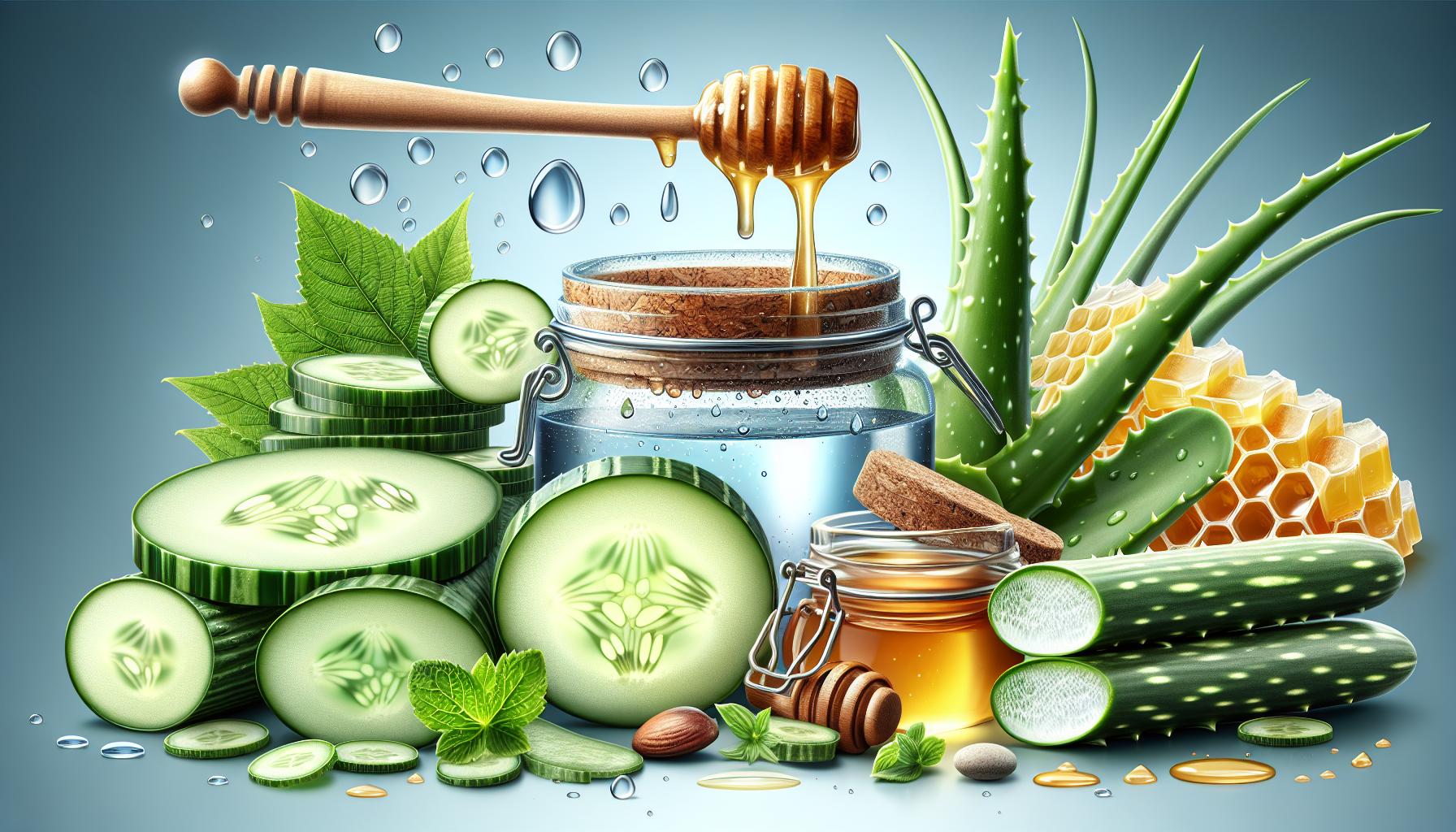
Diving deeper into the interplay of hydration and skin health reveals compelling insights that can benefit your skincare routine. For example, while vitamin-rich diets contribute positively to skin health, hydration from both internal and external sources creates a synergistic effect. Incorporating hydrating foods like cucumbers, oranges, and avocados can bolster your skin’s hydration levels from the inside out.

Additionally, regularly applying moisturizers that contain ingredients such as hyaluronic acid can help your skin attract and retain moisture, complementing your hydration efforts. As we navigate through various myths and truths, it becomes clear that achieving and maintaining radiant skin is a multi-faceted journey. By understanding and implementing these principles of hydration, you can empower yourself to make informed choices that lead to healthier, more vibrant skin.
DISCOVER: Click here to learn about natural solutions for sensitive skin
Hydration and Its Complexities for Skin Vitality
As we explore the significance of hydration for skin health, it’s crucial to dive into the specifics of how our bodies manage moisture internally and externally. Hydration is not a simple matter of drinking water and applying lotion; it’s a nuanced interplay of various components that contribute to the health and appearance of your skin.
The Science of Skin Hydration
Truth: The skin’s condition reflects not only the amount of water consumed but also the quality of moisture preserved within its layers. The outer layer of the skin, the epidermis, primarily regulates water loss and protects against environmental damage. Skin that is well-hydrated appears more plump, radiant, and youthful, making hydration a fundamental aspect of a comprehensive skincare routine.
To appreciate the significance of hydration, it’s essential to understand how the body utilizes water. Water is crucial for various biochemical processes in the body, including:
- Regulating body temperature: Proper hydration helps maintain an optimal body temperature, thereby supporting overall skin health.
- Supporting elasticity: Water is vital for maintaining the skin’s elasticity. Well-hydrated skin has a better ability to bounce back and resist aging.
- Facilitating nutrient delivery: Adequate water intake plays a crucial role in delivering nutrients to skin cells, contributing to their regeneration and vitality.
While it’s widely recognized that hydration is essential, many overlook that drinking water alone is insufficient to maintain healthy skin. The skin possesses a natural barrier (the stratum corneum) that controls moisture retention. Proper skincare products can enhance this barrier, ensuring that the skin holds onto water more effectively. Ingredients like glycerin and ceramides not only attract moisture but also create a protective layer against dehydration.
Nourishing from Within
Truth: Hydration isn’t just about fluids; it also includes hydrating foods rich in water content. Consuming fruits and vegetables like watermelon, celery, and spinach can significantly enhance your overall hydration levels. The vitamins and minerals found in these foods, along with their water content, contribute not only to your skin’s appearance but also to its long-term health. A balanced diet supports not just hydration but also the body’s ability to repair and rejuvenate skin cells.
In addition, understanding your personal hydration needs is vital. Factors such as climate, activity level, and even age can affect how much water your body requires. For instance, individuals living in arid climates may notice a rapid loss of moisture through the skin, necessitating both increased water intake and the application of rich moisturizers. Conversely, those in more humid environments might find that lighter moisturizers suffice.
By honing in on the duality of hydration—what we consume internally and how we care for our skin externally—we can debunk popular myths and embrace a holistic approach to skincare. Ultimately, illuminating the path toward vibrant skin involves recognizing that hydration is a multi-layered challenge that requires a careful balance of numerous factors.
The Role of Water in Skin Health
Understanding the connection between hydration and skin health is crucial in debunking popular myths. Many believe that simply drinking water will result in perfect skin. However, while staying hydrated is essential, it is not the only factor at play. Our skin is the body’s largest organ, and it requires not just water but also a blend of nutrients and moisture from within.
Myth vs. Truth
One prevailing myth suggests that increasing water intake will clear up acne and blemishes overnight. In truth, hydration plays a supportive role in maintaining skin elasticity and suppleness, but it cannot address the root causes of acne, such as hormonal imbalances or dietary factors.
The Importance of External Hydration
In addition to drinking water, it’s vital to consider external hydration sources. Moisturizers, humectants, and occlusives are crucial in addressing dryness and preventing transepidermal water loss. Dry environments can exacerbate the need for external hydration, making it important to use creams and lotions that lock in moisture.
Skin and Hydration Myths Explored
Another common misconception is that individuals with oily skin do not need to hydrate. In reality, hydrating oily skin can help balance sebum production and prevent excessive oiliness by providing the necessary moisture without clogging pores. This balance can lead to healthier skin overall.
Hydration Strategies
Implementing proper hydration strategies can significantly impact skin appearance and health. Aside from drinking sufficient water, incorporating hydrating foods like fruits and vegetables into your diet can further enhance your skin’s moisture levels. Foods rich in vitamins and antioxidants, such as berries and cucumber, contribute not only to hydration but also to overall skin vitality.
Seeking Professional Guidance
For those struggling with specific skin concerns, consulting a dermatologist can provide personalized advice and treatment plans. They can help separate fact from fiction, leading you on a path to healthier skin through informed choices about hydration and skincare.
| Myth | Truth |
|---|---|
| Drinking water clears acne. | Hydration supports but doesn’t cure acne. |
| Oily skin doesn’t need hydration. | Oily skin can benefit from proper hydration. |
DISCOVER MORE: Click here to learn about the impact of diet on your skin
Breaking Down Misconceptions About Hydration
As we continue our exploration into the importance of hydration for skin health, it’s essential to clarify common myths and misunderstandings surrounding this crucial aspect of skincare. Armed with accurate information, individuals can make informed decisions about their hydration practices and improve the overall health of their skin.
Debunking Myths Around Hydration
Myth: Drinking excessive water will solve all skin problems. Truth: While adequate hydration is vital for maintaining skin health, overconsumption of water does not guarantee a flawless complexion. The body needs water in appropriate amounts, and more does not equate to better skin. Rather than solely fixating on water intake, it’s vital to evaluate the quality of skincare routines and external factors affecting the skin.
Furthermore, many individuals believe that if they feel okay, they are adequately hydrated. This is a common misconception. The body can often operate in a state of mild dehydration without obvious symptoms like thirst. Regularly assessing hydration levels can be beneficial, especially in dry weather conditions or when consuming diuretic substances like caffeine or alcohol, which can exacerbate fluid loss.
The Role of Humidity
Truth: Environmental factors, particularly humidity, significantly influence skin hydration. In low-humidity environments, moisture evaporates quickly from the skin’s surface, leading to dryness. In contrast, humid environments can help the skin retain moisture more effectively. Therefore, understanding your local climate and adjusting your skincare routine accordingly is crucial. For example, individuals living in drier areas might benefit from humidifiers in their homes or offices to maintain skin hydration levels.
Topicals and Hydration
Myth: All moisturizers provide the same level of hydration. Truth: The effectiveness of moisturizers can vary widely based on their ingredients and formulations. Moisturizers are categorized into three primary types:
- Humectants: Ingredients like hyaluronic acid and glycerin draw moisture into the skin.
- Emollients: These, such as shea butter and lanolin, help to soften the skin and enhance texture.
- Occlusives: Ingredients like petroleum jelly and waxes form a barrier to prevent moisture loss from the skin.
Choosing the right combination of these types can create a more effective hydration strategy for individual skin types and concerns.
Hydration and Skincare Routines
Truth: Tailoring your skincare regimen according to your skin type is essential for optimal hydration. For instance, those with oily skin may prefer lightweight, non-comedogenic moisturizers, while individuals with dry skin would benefit from richer creams that lock in moisture. Furthermore, incorporating hydrating serums or face oils can elevate the skin’s hydration levels and promote a healthier appearance.
Being mindful of the ingredients in your skincare products is equally vital. Look for formulations with added antioxidants, vitamins, and fatty acids, which can boost hydration and promote skin repair while combating the signs of aging.
Ultimately, understanding the complex relationship between hydration, skin health, and individual needs plays a pivotal role in achieving a glowing complexion. By separating myths from truths and establishing a solid foundation of knowledge, we can foster a more nuanced approach to skincare that prioritizes hydration as a fundamental pillar.
DISCOVER MORE: Click here to unveil the best anti-aging ingredients
Conclusion: Embracing the Truths of Hydration for Optimal Skin Health
In the quest for vibrant skin, hydration emerges as a fundamental factor that cannot be overlooked. Through our exploration of the importance of hydration for skin health, we have dismantled prevalent myths and highlighted crucial truths that shape our understanding of skincare. It is clear that while hydration plays a pivotal role in maintaining skin vitality, the journey to achieving radiant skin is not solely about increasing water intake.
Recognizing that environmental factors like humidity affect our skin’s moisture retention allows us to adapt our skincare routines to align with specific conditions. Moreover, not all moisturizers are created equal; understanding the unique contributions of humectants, emollients, and occlusives can enhance our ability to choose the right products for our individual needs. Incorporating tailored skincare regimens informed by personal skin types can foster improved hydration levels and overall skin health.
As we navigate the myriad of information available, it is essential to remain skeptical of claims that promise overnight transformations. Instead, adopting a holistic approach—where hydration is one of many elements in a comprehensive skincare strategy—will lead to the healthiest outcomes. Staying informed and making conscious choices about both internal hydration practices and external skincare products can significantly enhance our skin’s resilience and appearance.
In conclusion, as we embrace the nuanced truths about hydration, let us commit to nurturing our skin with the attention it deserves. Explore, experiment, and educate yourself on effective hydration practices, and empower yourself to cultivate the vibrant, healthy skin you aspire to achieve.