How Pollution Affects Skin Health and Tips for Protection

The Unseen Effects of Pollution on Skin Wellness
Every day, our skin faces an unseen enemy: pollution. As urban living becomes more common, the toxic environment can lead to vast repercussions on our skin health. From increased acne to accelerated aging, the effects are alarming. Various types of pollution, including air, water, and even light pollution, can impact our skin, often in ways we don’t immediately recognize.
Pollutants in the air and water interact with our skin, leading to a range of skin issues. For instance:
- Inflammation that can exacerbate chronic conditions like eczema, leading to redness, itching, and discomfort. Studies show that exposure to outdoor pollutants, such as nitrogen dioxide and particulate matter, can trigger inflammatory responses, worsening existing skin conditions.
- Oxidative stress leads to premature wrinkles and loss of elasticity. Environmental aggressors generate free radicals, which damages skin cells and accelerates aging. The increase in studies attributing these effects to urban pollution serves as a wake-up call—our skin is aging faster than ever due to our environment.
- Clogged pores result in breakouts and dull complexion. Pollutants can form a film over the skin, trapping oil and dirt that commonly leads to acne and other blemishes. This is particularly troubling for city dwellers who often face a daily barrage of contaminants.
With alarming statistics highlighting the correlation between increased pollution levels and worsening skin conditions, it’s crucial to understand how to safeguard your skin. For example, a recent study conducted in metropolitan areas of the United States revealed that exposure to fine particulate matter not only affects pulmonary health but also significantly penetrates the skin barrier, leading to pronounced signs of aging, including fine lines and skin sagging.
But don’t worry—protection is possible! Simple changes and effective products can significantly help shield your skin. For instance, incorporating antioxidants such as Vitamin C or E into your skincare routine can help combat oxidative damage. In this article, we will unveil:
- Essential tips for daily protection against environmental aggressors, including using broad-spectrum sunscreens and cleansing properly to remove pollutants.
- Recommended skincare routines tailored for urban dwellers, including suggestions for hydrating serums and barrier-repair creams.
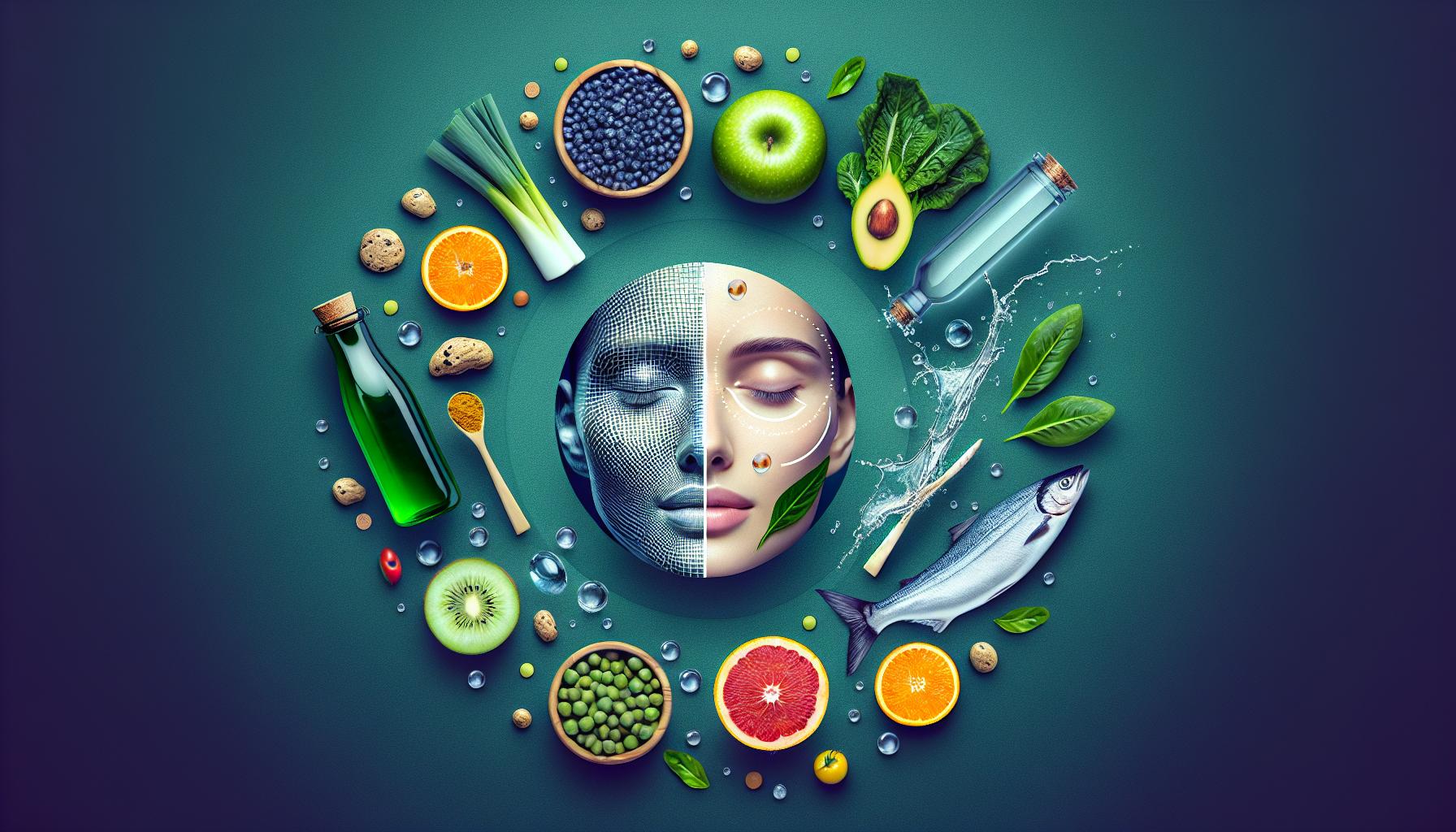
- Insights into nutritious foods that can enhance skin vitality, such as omega-3 rich options that reduce inflammation and improve skin health from the inside out.
Join us on this journey to discover how to combat pollution and maintain healthy, radiant skin. Your skin deserves it!

DISCOVER MORE: Click here to enhance your skincare knowledge
Understanding the Intricate Relationship Between Pollution and Skin Health
The impact of pollution on our skin is both profound and multifaceted. As urban environments expand and industrial activities surge, the negative effects of pollution on our skin health have become increasingly documented. The skin, being our largest organ, is not just a barrier; it’s a dynamic interface between our body and the environment. To combat the dangers posed by pollution, it’s essential to comprehend how these pollutants affect skin health.
Environmental pollutants can be categorized into several types, each with specific effects:
- Air Pollution: Comprising particulate matter, nitrogen oxides, and sulfur dioxide, air pollution can lead to increased skin irritation and accelerated aging. Research indicates that individuals living in areas with high air pollution levels are at a higher risk of developing skin conditions such as rosacea and persistent dryness.
- Water Pollution: Contaminated water can lead to skin irritation and exacerbation of existing skin problems, like eczema and psoriasis. Chemicals and heavy metals found in polluted water sources can disrupt the skin’s natural barrier and contribute to irritation and inflammation.
- Light Pollution: This often-overlooked form of pollution can disturb our natural circadian rhythm. Disrupted sleep can lead to increased levels of stress hormones, which may manifest as skin issues such as acne and dullness. Poor sleep quality is linked with decreased skin repair and rejuvenation processes.
The science behind these effects is sobering. For example, a study published in the Journal of Investigative Dermatology highlighted that consistent exposure to urban pollutants could result in a reduction of skin hydration levels, affecting the skin’s overall texture and resilience. Furthermore, prolonged exposure can lead to the formation of pigmentation issues, including dark spots and uneven skin tone, as pollutants disrupt melanin production.
Moreover, societal lifestyle changes, such as increasing rates of smoking and poor dietary habits, coupled with pollution, can exacerbate these skin concerns. The skin’s defense mechanisms weaken as a result of oxidative stress from pollutants, making it imperative that we take immediate action to protect ourselves.
So, what can we do to shield our skin from these environmental woes? Here are some proactive strategies to consider:
- Optimize Your Skincare Routine: Ensure that your daily skincare regimen includes cleansing twice a day to effectively remove dirt and pollutants.
- Incorporate Antioxidants: Using products infused with antioxidants like Vitamin C and Vitamin E can significantly neutralize the effects of free radicals caused by pollution.
- Stay Hydrated: Drinking plenty of water is vital for maintaining skin hydration and elasticity, helping to fortify the skin’s natural barrier.
By taking these steps seriously, we can minimize the adverse effects of pollution on our skin health. As we delve deeper into this article, we’ll explore more targeted methods for protecting your skin, ensuring you can face the urban landscape with confidence and fight back against the hidden hazards of pollution.
Understanding the Impact of Pollution on Skin Health
Pollution is a pervasive and often underestimated threat to skin health, manifesting in various forms such as airborne toxins, particulate matter, and UV radiation exposure. These pollutants can lead to oxidative stress, which accelerates skin aging and contributes to conditions like acne, eczema, and premature wrinkling. The skin acts as a barrier, and when it is constantly exposed to environmental pollutants, its ability to defend itself and maintain moisture diminishes significantly.One of the most alarming effects of pollution on the skin is the increased inflammation it can trigger. Studies have shown that exposure to particulate matter can exacerbate skin conditions and cause irritation or redness. Furthermore, pollutants can also lead to the formation of dark spots and uneven skin tone, leaving many to seek solutions for clarifying and rejuvenating their complexion.
Effective Tips for Skin Protection Against Pollution
To combat the adverse effects of pollution, adopting a robust skincare routine centered around cleansing, moisturizing, and protection is vital. Here are some practical tips to help shield your skin:
- Regular Cleansing: Cleanse your skin twice daily to remove dirt, oil, and pollutants that accumulate on the surface.
- Antioxidant Protection: Incorporate products rich in antioxidants, like vitamin C and E, that can help neutralize free radicals caused by pollution.
- Hydration: Use a quality moisturizer to maintain the skin’s barrier and prevent it from becoming dry and vulnerable.
- Sun Protection: Always apply sunscreen with a high SPF since UV rays can exacerbate the effects of pollution and lead to skin damage.
These simple yet effective steps can significantly improve your skin’s resilience against the harmful effects of pollution. Embracing a protective skincare routine not only helps maintain your skin health but also boosts your confidence, allowing you to enjoy your daily life without worry. The importance of understanding how pollution plays a role in our skin health can’t be overstated. By being aware of these factors and integrating protective measures, you can minimize damage and promote a healthier complexion.
| Category | Advantages |
|---|---|
| Cleansing | Removes pollutants and excess oils from skin. |
| Antioxidants | Neutralizes harmful free radicals, promoting skin health. |
| Moisturizing | Strengthens skin barrier and maintains hydration. |
| Sunscreen | Protects against UV damage, reducing skin aging. |
Adopting these tips can pave the way for healthier skin, ultimately leading to a more radiant appearance, even in polluted environments. Engage with your skincare routine and be proactive in safeguarding your skin’s health against pollution.
DISCOVER MORE: Click here to learn about the latest in anti-aging treatments
Strategies for Enhanced Skin Defense Against Pollution
As the awareness of pollution’s detrimental effects on our skin continues to rise, it becomes increasingly important to implement effective protection strategies. It’s not just about skincare; adopting a holistic approach can fortify your skin against the relentless assault of environmental aggressors.
Daily Sun Protection: One often-overlooked aspect of skincare amid pollution is the importance of sun protection. UV rays can exacerbate the skin damage caused by pollutants, leading to increased risks of skin cancer and photoaging. A broad-spectrum sunscreen with an SPF of at least 30 should be a part of your daily regimen, regardless of the weather. Ingredients like avobenzone, octisalate, and zinc oxide not only protect against UV but also offer a physical barrier against particulate matter.
- Use a Humidifier: In urban areas, indoor air can often be as polluted as outdoor air. Utilizing a humidifier can help maintain optimal moisture levels in the air and prevent your skin from becoming excessively dry. This is particularly important during colder months when indoor heating can strip moisture from the skin.
- Choose Non-Comedogenic Products: Products that clog pores can lead to inflammation and breakouts, compounding the effects of pollution. Opt for non-comedogenic skincare and makeup products that allow your skin to breathe while providing effective coverage.
Mindful Diet: Nutrition plays a crucial role in skin health. Incorporating foods rich in omega-3 fatty acids, like salmon and walnuts, can help to combat inflammation triggered by pollution. Additionally, leafy greens, tomatoes, and berries are packed with vitamins and antioxidants that assist the skin in detoxification and repair processes. Regularly consuming a diet rich in fruits and vegetables bolsters the skin’s defenses from the inside out.
Regular Exfoliation: To mitigate the effects of dirt and pollutants, regular exfoliation can be incredibly effective. Chemical exfoliants, such as glycolic acid and salicylic acid, help in removing dead skin cells and opening clogged pores, allowing your skin to rejuvenate more effectively. Aim for exfoliation two to three times a week, depending on your skin type.
Stress Management: The connection between stress and skin health cannot be overstated. High-stress levels can cause the body to release inflammation-promoting hormones like cortisol, leading to skin problems such as acne and eczema. Techniques such as yoga, meditation, and adequate sleep are essential for managing stress, ensuring that your skin can repair and regenerate properly.
In addition to these protective strategies, keeping yourself informed about environmental changes can empower you to take additional precautions. For instance, monitoring air quality indices can help you decide when to stay indoors, especially during high smog days or when pollen counts are elevated. Technology offers various apps that provide real-time updates about your local environment, aiding proactive decision-making.
Ultimately, the synergistic effect of these strategies can create a powerful shield against the harmful impacts of pollution on skin health. By fostering an understanding of how pollution interacts with your skin and implementing measures for protection, you can cultivate resilience against the challenges posed by an increasingly polluted world.
DISCOVER MORE: Click here for essential tips on managing acne
Conclusion
In conclusion, the corrosive effects of pollution on skin health are a pressing concern that warrants immediate attention. As studies continue to uncover the myriad of ways environmental pollutants compromise skin integrity, it becomes evident that protective measures must be a top priority. From harmful UV rays to particulate matter, pollution not only accelerates aging processes but can also lead to serious skin conditions over time.
By integrating a combination of preventive strategies, such as daily sun protection, the use of humidifiers, and a nutrient-rich diet, individuals can enhance their skin’s resilience against these external aggressors. Furthermore, tapping into the benefits of regular exfoliation and effective stress management techniques allows the skin to not only survive but thrive even in polluted environments. Such a proactive approach is not merely a temporary fix; it is an investment in long-term skin health.
As we navigate an increasingly urbanized world, it is crucial for everyone—particularly those residing in major cities across the United States—to stay informed about their local air quality and adapt their skincare routines accordingly. Empowering oneself with knowledge and action will make a significant difference in combating the detrimental effects of pollution.
Ultimately, safeguarding skin health in the face of pollution is not only possible but essential. With the right tools and strategies, we can protect our skin from environmental harm and embrace a healthier, more vibrant complexion. It is time to take charge, improve our skincare practices, and cultivate a routine that shields our skin from the daily challenges posed by pollution.