How Nutrition Influences Skin Health
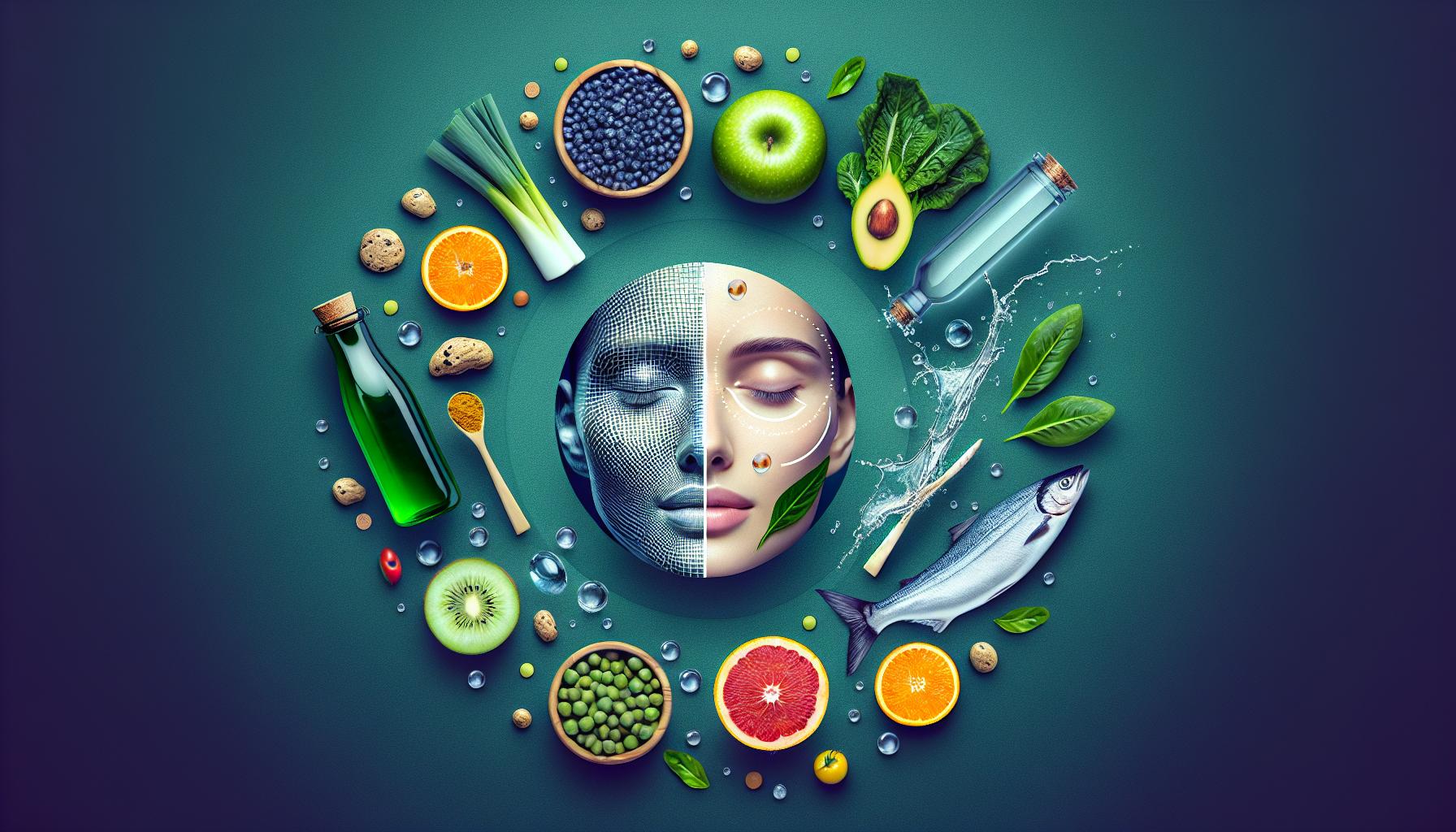
The Role of Nutrition in Nurturing Skin Health
Healthy skin is often a reflection of your overall well-being, and nutrition plays a pivotal role in maintaining its vitality. A balanced diet rich in essential nutrients can significantly influence skin conditions, appearance, and aging, creating a powerful connection between what you eat and how your skin looks and feels.
Vitamins are vital components in this equation. Nutrients like Vitamin C are paramount for collagen synthesis, which provides skin with structure and elasticity. Found in citrus fruits, strawberries, and bell peppers, Vitamin C also acts as an antioxidant, protecting skin cells from damage caused by free radicals. Similarly, Vitamin E, present in nuts and seeds, assists in skin cell regeneration and plays a role in preventing damage from UV rays.
Minerals such as zinc and selenium are equally important in combating skin issues. Zinc, found in foods like legumes, seeds, and whole grains, aids in skin repair and helps reduce inflammation, making it essential for conditions like acne. Selenium, derived from nuts, fish, and whole grains, protects skin from oxidative stress and promotes a youthful appearance.
Including a variety of antioxidants in your diet is crucial for maintaining skin integrity. Berry-rich foods, green tea, and dark chocolate are packed with compounds that fight oxidative stress, which can lead to premature aging and other skin conditions. The fight against sun damage and pollution has led to increased popularity of foods high in antioxidants, showcasing their importance in skin health.
In addition to vitamins and minerals, the importance of hydration cannot be understated. For healthy skin, adequate water intake is essential. Hydration keeps skin looking plump and vibrant, while dehydrated skin can appear dull and more prone to wrinkles. It is often recommended to drink at least eight 8-ounce glasses of water a day to maintain optimal hydration levels.

Moreover, specific dietary choices can either improve or exacerbate skin issues. For instance, Omega-3 fatty acids, abundant in fatty fish like salmon and walnuts, promote skin elasticity and hydration. On the contrary, a high sugar intake can lead to acne flare-ups and accelerate skin aging by promoting glycation, a process that damages skin proteins. Additionally, processed foods, often laden with refined sugars and unhealthy fats, may trigger inflammation and worsen conditions like eczema, demonstrating the relationship between diet and skin health.
Understanding this relationship illuminates how optimizing your diet not only enhances your skin’s appearance but also boosts your confidence. Dive deeper into how the right foods can transform your skincare routine and overall health. The quest for radiant skin begins on your plate, inviting you to explore the myriad of options available in the rich tapestry of American cuisine.
DIVE DEEPER: Click here to discover the latest in anti-aging treatments
Nourishing Your Skin from Within
To truly understand how nutrition influences skin health, one must delve into the synergy between diet and the physiological functions of the skin. The skin is not only the body’s largest organ but also a dynamic barrier that reflects internal health. This interplay of biology and nutrition underscores the critical role that what we consume plays in achieving a radiant complexion.
One of the key components in this relationship is the array of macronutrients that power our cellular processes. These include proteins, fats, and carbohydrates. For instance, proteins are essential for repairing skin cells and maintaining the skin’s barrier function. Foods rich in protein, such as chicken, beans, and dairy products, provide amino acids that contribute to the production of collagen and elastin—two vital proteins that keep skin firm and youthful.
When it comes to healthy fats, the importance of omega-3 fatty acids cannot be overlooked. These polyunsaturated fats, found in fatty fish, flaxseeds, and walnuts, are essential for maintaining the skin’s lipid barrier. This barrier helps retain moisture and provides protection against external irritants. Interestingly, research has shown that diets rich in omega-3s can also reduce the severity of certain skin conditions like psoriasis and eczema, highlighting their therapeutic potential.
The Impact of Glycemic Index on Skin Health
A lesser-known factor that influences skin health is the glycemic index (GI) of food. Foods with a high GI can cause rapid spikes in blood sugar levels, which may lead to increased insulin production. This process is linked to heightened oil production in the skin, contributing to acne formation. To champion skin health, opting for low-GI foods such as whole grains, legumes, and most fruits is advisable. These options not only stabilize blood sugar but also deliver essential nutrients that rejuvenate the skin.
- High-GI Foods to Limit: White bread, sugary beverages, and processed snacks.
- Low-GI Foods to Embrace: Quinoa, sweet potatoes, and berries.
It’s also important to acknowledge the role of hydration, as it directly affects skin texture and appearance. Although the widely quoted advice of drinking eight 8-ounce glasses of water daily serves as a good guideline, factors such as climate, level of physical activity, and individual health may necessitate adjustments. Adequate hydration helps not only to plump up skin cells but also to facilitate detoxification, thus enhancing the overall health and appearance of the skin.
The dietary choices we make daily undoubtedly influence our skin health, forming a vital part of a holistic approach to well-being. As you explore foods that benefit your skin, it becomes clear that what’s on your plate can make a world of difference, serving as a foundation for both beautiful skin and a nourished body.
Understanding the Link Between Nutrition and Skin Health
When it comes to achieving radiant skin, nutrition plays an undeniable role. The foods we consume directly impact the health and appearance of our skin, affecting everything from hydration levels to the presence of acne and other skin conditions. A diet rich in essential nutrients can promote a youthful appearance and help to combat common skin issues. Below, we delve into specific categories of nutrients that are crucial for maintaining optimal skin health.
| Nutrient Category | Importance for Skin Health |
|---|---|
| Vitamins | Vitamins A, C, and E act as powerful antioxidants, reducing oxidative stress and improving skin elasticity. |
| Healthy Fats | Omega-3 fatty acids nourish the skin, maintaining its barrier function and reducing inflammation. |
In addition to the essential vitamins and healthy fats, minerals such as zinc and selenium also play critical roles in skin maintenance. Zinc can assist in healing wounds and may help manage acne, while selenium acts as a protective agent against UV damage. Furthermore, hydration is key; drinking adequate water supports skin elasticity and maintains moisture levels.
Ultimately, by prioritizing a balanced diet filled with nutrient-rich foods, you not only enhance your skin’s appearance but also improve its overall health. Exploring more about how specific dietary choices can make a difference is essential for anyone invested in their skin health journey.
DISCOVER MORE: Click here to learn about natural ingredients for sensitive skin
Vitamins and Minerals: The Unsung Heroes
In addition to macronutrients, micronutrients such as vitamins and minerals play an integral role in maintaining healthy skin. Deficiencies in these essential nutrients can lead to a multitude of skin problems, underscoring the importance of a well-rounded diet. Vitamins A, C, E, and K, along with minerals like zinc and selenium, are particularly influential in the realm of skincare.
Vitamin A is known for its role in skin cell production. Retinol, a derivative of vitamin A, is often touted in skincare products for its anti-aging properties. Foods high in vitamin A, including carrots, sweet potatoes, and spinach, support skin elasticity and turnover, promoting a fresher appearance. Furthermore, studies highlight the correlation between adequate vitamin A intake and the diminished risk of acne, as it aids in unclogging pores and regulating oil production.
Vitamin C is celebrated for its powerful antioxidant properties and its critical role in collagen synthesis. This vitamin is vital for maintaining skin firmness and elasticity, which can be compromised with age or sun exposure. Citrus fruits, strawberries, bell peppers, and broccoli are excellent sources of vitamin C, helping to combat oxidative stress caused by free radicals, thus preventing premature aging signs like wrinkles and discoloration.
Vitamin E acts as a skin protector, neutralizing free radicals and offering a barrier against environmental damage. Found in nuts, seeds, and green leafy vegetables, this vitamin not only promotes skin healing but can also enhance hydration levels. Its inclusion in dietary supplements and topical applications highlights its importance in any comprehensive skin care strategy.
Moreover, attention should be paid to zinc, a crucial mineral that aids in skin repair and inflammation reduction. It serves as a regulator for oil production, making it an indispensable element for those struggling with acne-prone skin. Foods such as pumpkin seeds, chickpeas, and lean meats are rich in zinc and can contribute to clearer, healthier skin.
Antioxidants: Nature’s Defense Against Damage
Another essential component of skin health stems from antioxidants. These compounds fight free radicals, which can damage skin cells and accelerate the aging process. Foods abundant in antioxidants can protect the skin from environmental aggressors like pollution and UV rays.
Fruits and vegetables with vibrant colors, such as berries, tomatoes, and leafy greens, often pack higher antioxidant levels. For example, blueberries are especially revered for their capacity to combat oxidative stress, while tomatoes provide lycopene, an antioxidant that may enhance skin protection against sun damage.
Additionally, the inclusion of public health initiatives focusing on fueling diets with antioxidant-rich foods can promote better skin health on a broader level. The USDA’s MyPlate encourages individuals to fill half their plates with fruits and vegetables, serving as a helpful guideline for incorporating these crucial nutrients into daily meals.
As the narrative of nutrition and skin health unfolds, exploring these vitamins, minerals, and antioxidants unveils a deeper understanding of how the right food choices can significantly enhance skin vitality. Integrating diverse and nutrient-rich foods into our diets forms an essential strategy in achieving that coveted, healthy glow.
DISCOVER MORE: Click here to learn how to choose beauty products wisely
Conclusion: Nourish Your Skin from Within
In summary, it’s clear that nutrition plays a pivotal role in determining our skin health. By prioritizing a well-rounded diet enriched with essential vitamins, minerals, and antioxidants, we can take significant steps toward achieving vibrant, youthful-looking skin. The interconnectedness of nutrients, particularly the influence of vitamins A, C, and E along with minerals like zinc, cannot be overstated; they prepare the skin to resist damage and support its regenerative processes.
Additionally, the presence of antioxidants fight off detrimental environmental factors, allowing our skin to not only survive but thrive. By incorporating a wide variety of colorful fruits and vegetables into your meals, it is possible to fortify your skin’s defenses against premature aging while enhancing its overall appearance.
As we continue to understand the intricate relationship between diet and skin health, it becomes increasingly important to view our eating habits not as a temporary measure, but as a long-term commitment to well-being. Furthermore, public health initiatives, such as the USDA’s MyPlate, offer practical guidance for crafting a diet rich in nutritional benefits. Making conscious food choices today can lay the groundwork for healthier, more resilient skin tomorrow.
To ensure optimal skin health, start by assessing your current eating habits and seek to integrate nutrient-dense options into your lifestyle. Whether it’s through whole foods or dietary supplements, the path to radiant skin begins with what you put on your plate. Embrace this journey of nourishment and watch as your skin reflects the care you put into your diet.