
Demystifying Natural Ingredients: How to Identify Truly Natural Products on Labels
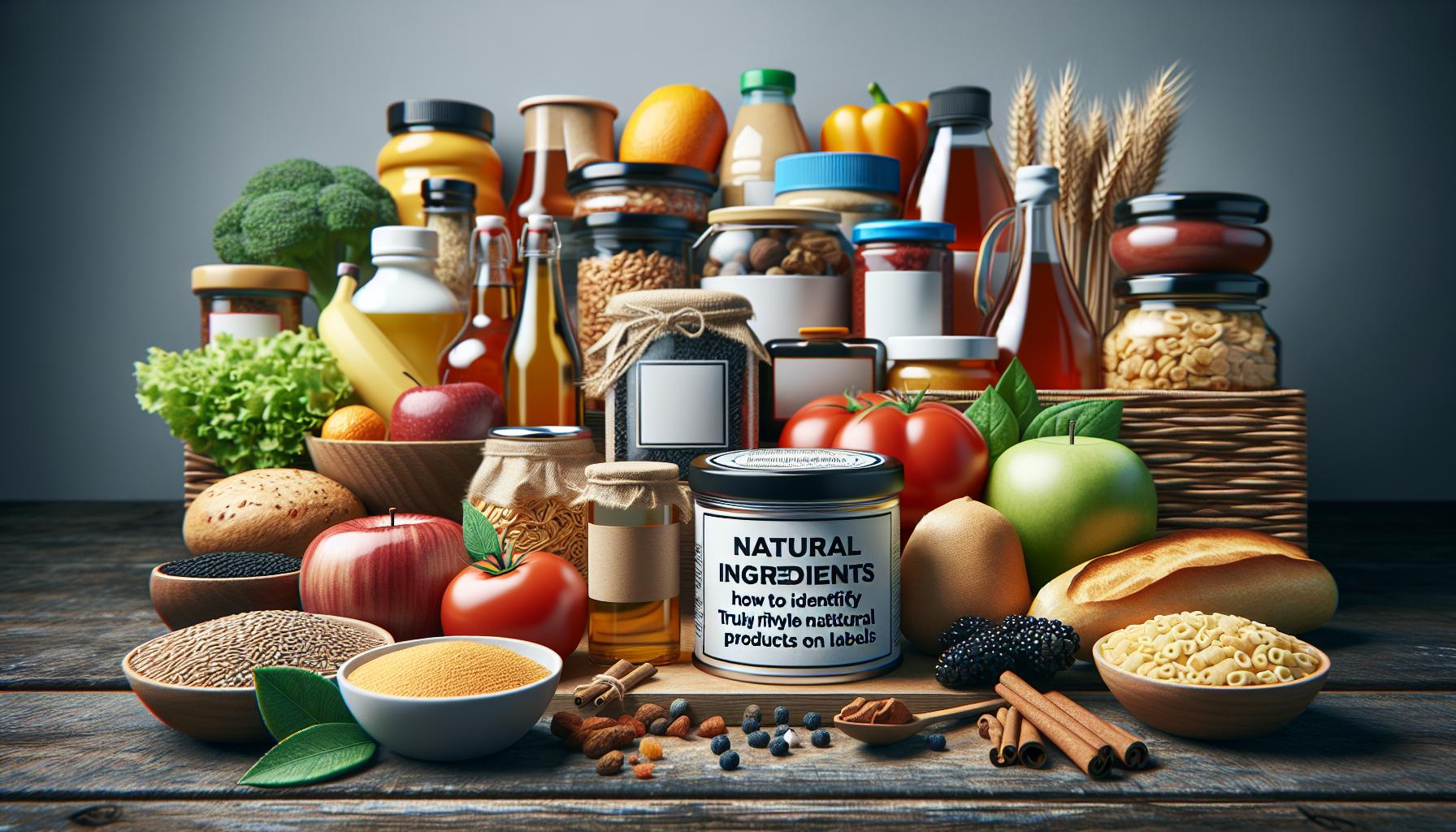
Understanding What Makes a Product “Natural”
With the increasing popularity of natural products, consumers are often left wondering what truly qualifies as “natural.” Navigating ingredient labels can be daunting, especially with marketing terms used by companies that may be misleading. Many consumers are seeking alternatives to synthetic ingredients, but the definitions of “natural” can vary significantly between brands and products.
To help you discern genuine natural products, consider the following key aspects:
Regulatory Definitions
One of the first steps in understanding natural products is familiarizing oneself with the various regulatory definitions and certifications. For instance, the USDA Organic certification requires strict guidelines regarding the farming and processing of ingredients, ensuring they are free from synthetic fertilizers and pesticides. Alternatively, Ecocert is another certification that focuses on sustainability and environmental impact, emphasizing the use of renewable resources. Knowing these certifications can serve as a quality benchmark when shopping for personal care and food items.
Ingredient Transparency
Another critical aspect is ingredient transparency. Look for brands that disclose the source of their ingredients clearly on their labels. Companies that openly share information about their supply chains and farming practices tend to be more trustworthy. For example, brands that utilize local, sustainably-sourced botanicals often highlight these practices, showcasing their commitment to ethical manufacturing. By prioritizing brands that provide this level of transparency, you can feel more confident in your purchasing decisions.
Simplicity is Key
A tag line to remember while shopping is that simplicity is key. Favor products with shorter ingredient lists, focusing on plant-based elements. A body lotion with just a few ingredients, such as coconut oil, shea butter, and essential oils, is typically more reliable than one with a long list of synthetic additives. This approach not only simplifies your skincare routine but also helps you avoid potentially harmful chemicals and allergens.
Awareness of common marketing tactics can also empower you in your quest for natural products. Terms like “nature-inspired” or “free from” can sometimes be vague or misleading. For instance, a product labeled as “all-natural” might still contain ingredients that are not derived from nature, such as preservatives or artificial fragrances. By learning to look beyond the marketing hype and examining ingredient lists more critically, you can distinguish between true natural goods and those that merely carry the label.
In this exploration, we will break down how to identify genuinely natural products through careful examination of labels and ingredient sources. With a few simple tips, a discerning eye, and growing knowledge of the market, you can ensure that what you put on your skin aligns with your values and health goals. Exploring the world of natural products shouldn’t be a chore; rather, it should be an exciting journey toward healthier choices.
DIVE DEEPER: Click here to discover more techniques
The Importance of Understanding Ingredient Origins
To truly grasp what constitutes a “natural” product, one must delve into the origins of ingredients. Natural ingredients are derived from plants, minerals, or other naturally occurring substances. However, not all natural-sounding ingredients are created equal. For example, while coconut oil may be recognized as a nourishing element, its purity can depend on how it was extracted and processed. Thus, understanding the source can drastically affect your product choice.
Decode Ingredient Labels
When browsing the aisles of health stores or supermarkets, you may encounter a myriad of unfamiliar names on ingredient labels. To navigate efficiently, consider familiarizing yourself with common natural ingredients and their purposes. Below is a list of some popular natural ingredients you might come across:
- Shea Butter: Derived from the nut of the shea tree, known for its moisturizing properties.
- Aloe Vera: A succulent plant celebrated for its soothing and hydrating abilities.
- Jojoba Oil: Its structure mimics human sebum, making it a fantastic natural moisturizer.
- Cacao Butter: Extracted from cacao beans, often used for its hydrating and smoothing effects.
While these ingredients are lauded for their benefits, it’s essential to check for any additional components that might not be as harmless. In some cases, products labeled with these natural ingredients may also contain synthetic additives like parabens, artificial fragrances, or colorants. Thus, a critical eye is necessary when evaluating labels.
Look for Plant-Based and Whole Food Ingredients
An effective strategy is to prioritize products that utilize a majority of plant-based and whole food ingredients. These are ingredients that typically have identifiable sources, making them a more reliable choice in the natural product spectrum. Brands that emphasize whole foods often highlight ingredients derived from their natural state, promoting not just transparency, but also an authentic connection to their product’s origins.
Recognize Red Flags
While seeking natural products, being aware of red flags can save you from disappointment. Look out for these hints that a product may not be as natural as it claims:
- Use of vague terms like “natural extracts” without specifying sources.
- A lengthy ingredient list filled with unrecognizable chemical names.
- The absence of certifications or transparency about sourcing.
- Claims that sound too good to be true, such as “miracle cures” or rapid results.
By recognizing these warning signs, you can better navigate the labyrinth of labels on the market and ensure that your choices align with your vision of health and sustainability.
Through a conscious examination of ingredient origins, label decoding, and an understanding of natural vs. synthetic components, consumers can make more informed decisions. With just a little diligence, it is possible to embrace natural products that not only nourish your body but also align with your ethical and health values.
| Category | Description |
|---|---|
| Ingredient Transparency | Brands that clearly list their natural ingredients can be more trustworthy. |
| Sourcing Practices | Understanding where ingredients come from helps identify ethical products. |
| Certification Labels | Look for recognized certifications that signify natural standards. |
| Ingredient List Order | Ingredients listed first are more prevalent; this indicates the product’s focus. |
Understanding natural ingredients is all about scrutinizing labels and being aware of industry practices. Brands committed to transparency in their ingredient lists often reflect a dedication to authenticity. Furthermore, sourcing practices also play a crucial role, as products made with sustainably sourced ingredients tend to be more trustworthy. Certifications add another layer of protection for consumers, providing clear guidelines to identify truly natural products. In addition, the order of ingredients listed can reveal important information about a product’s formulation, guiding consumers toward choosing more genuinely natural options. By combining these insights, consumers can confidently navigate the vast array of products available and make informed choices that align with their values.
DISCOVER MORE: Click here for tips on layering your skincare products
Understanding Certifications and Standards
In a market flooded with various products claiming to be “natural,” knowing which certifications and standards to look for can provide a clearer path to identifying truly natural products. Certifications serve as a form of assurance to consumers that the product meets specific criteria in terms of its ingredients, sourcing practices, and production methods. Common certifications you may encounter include:
- USDA Organic: This certification indicates that the product is made from at least 95% organic ingredients, free from synthetic fertilizers and pesticides.
- Non-GMO Project Verified: This label ensures that the product does not contain genetically modified organisms, appealing to those seeking more traditional farming practices.
- Cosmos Organic: A global standard for organic cosmetics and skincare; it verifies that products are made with organic and natural ingredients.
When selecting natural products, look for these certifications as they often come with rigorous testing and auditing processes to vet the integrity of the product. Furthermore, these certifications signal to the consumer that companies are committed to ethical practices and environmental stewardship.
Investigate Brand Transparency
Another key indicator of truly natural products is the brand’s level of transparency. Brands that prioritize natural ingredients typically provide detailed information about their sourcing, production methods, and the rationale behind their ingredient choices. Transparency can take many forms:
- Ingredient sourcing stories: Some brands share narratives about where and how their ingredients are sourced, often emphasizing local and sustainable practices.
- Detailed websites: Brands that offer comprehensive information on their websites about product formulations, sourcing, and potential allergens show commitment to consumer education.
- Customer service: Companies that are willing to engage with customers and answer questions regarding their products demonstrate confidence in their claims.
Engaging with brands through channels such as social media or customer service can also provide insights into their philosophy and practices, enabling you to make educated choices regarding the products you’re purchasing.
Be Aware of Marketing Jargon
While searching for natural products, one must also navigate the complex world of marketing jargon. Terms such as “eco-friendly,” “green,” and “natural” can often appear misleading. For instance, the term “natural” is not strictly regulated in many countries, including the United States, which means brands can use it liberally. Here are some commonly misinterpreted terms:
- “Dermatologist-tested”: This phrase often indicates that a product was evaluated for skin irritation but doesn’t speak to its composition.
- “Hypoallergenic”: This term suggests the product is less likely to cause an allergic reaction, yet there are no strict testing regulations that guarantee safety for all skin types.
- “Free from”: Marketing materials may tout products as free from parabens or sulfates, yet other harmful ingredients could still be present.
Being savvy about marketing language can empower you to peel back the layers of ambiguity surrounding a product’s actual formulation.
By familiarizing yourself with certifications, enabling brand transparency, and being wary of exaggerated language, you can refine your understanding of what truly constitutes a natural product. This awareness aids in making choices that not only benefit your wellbeing but also reflect a commitment to sustainability and ethical practices in the beauty and wellness industry.
DIVE DEEPER: Click here to explore trends in natural ingredients for your skin care
Conclusion: Navigating the World of Natural Products
As the demand for natural ingredients continues to rise, being able to decipher product labels has never been more essential. With an overwhelming array of choices, understanding key elements such as certifications, brand transparency, and navigating marketing jargon empowers consumers to make informed decisions about the products they use.
When evaluating beauty and wellness items, seeking reliable certifications like USDA Organic or Non-GMO Project Verified provides a safety net amidst the confusion of dubious claims. These marks shine a light on product integrity, assuring consumers that they are choosing ethically sourced and environmentally friendly options. Furthermore, engaging with brands that maintain clear and open practices can significantly impact your purchasing journey, enhancing your connection with the products and the philosophies behind them.
However, it is equally vital to remain vigilant about marketing language that may obscure the truth about product formulations. By equipping yourself with knowledge about misleading terms and actively questioning brands about their ingredient sourcing and testing protocols, you can advocate for both your health and the health of the planet.
In conclusion, becoming a savvy consumer in the realm of natural products requires dedication and curiosity. Your choices not only influence your well-being but also help shape a sustainable and ethical industry. As you embark on your journey of discovery, remember that making informed choices can lead to greater awareness of the impact of natural products on both personal health and the environment.